
Programmes
3 Jul 2026
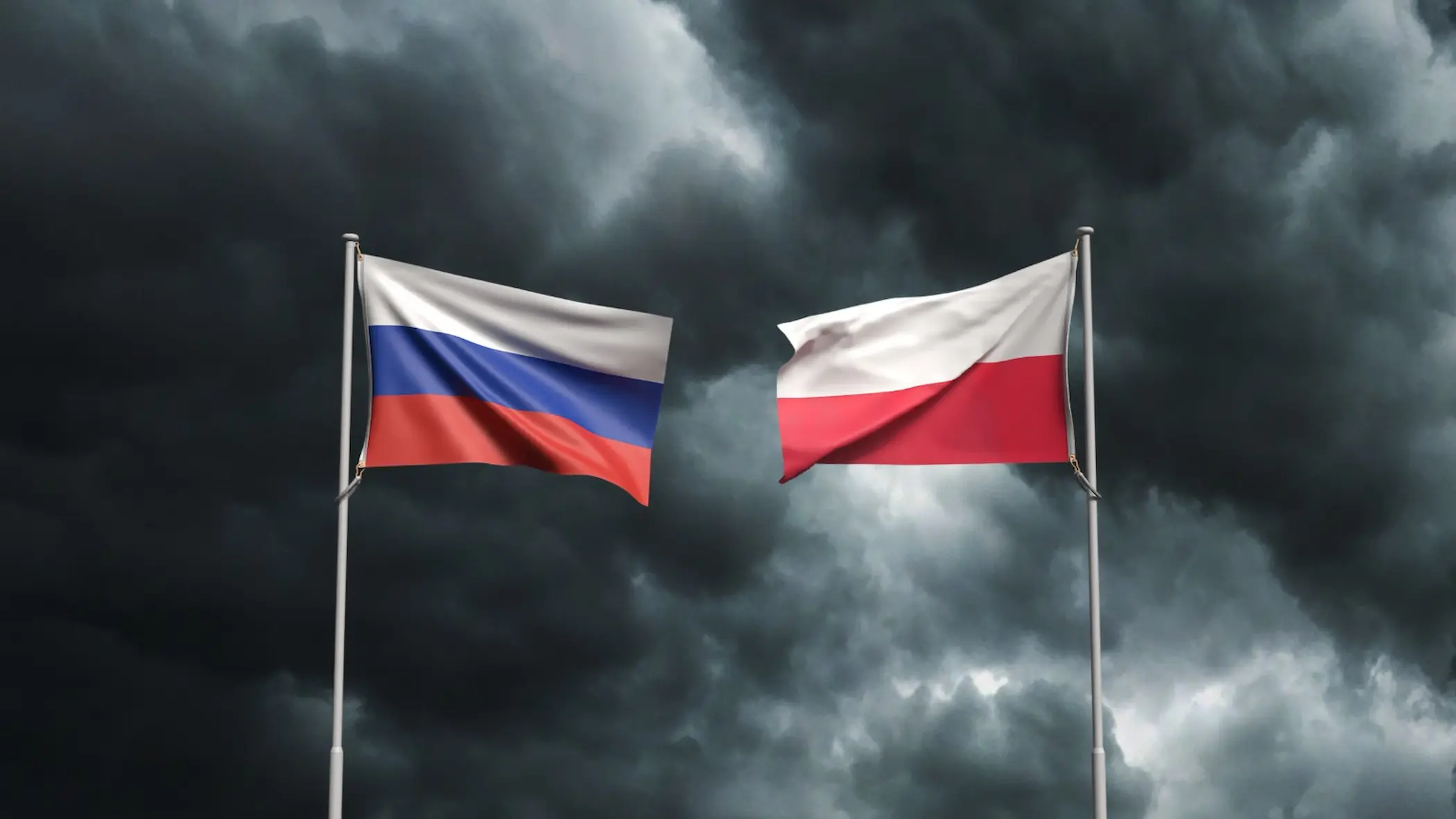
Red Alert: Will Russia Stage an Armed Provocation Against Poland?
On July 3, reports emerged that the United States has warned Warsaw of a possible Russian armed "provocation" against Poland, designed to test NATO's resolve. According to sources close to Polish President Karol Nawrocki, cited by the Polish outlet Onet, Washington has repeatedly signaled that such an operation could be launched within a matter of months. The scenarios under discussion range from missile or drone strikes on Poland's critical infrastructure to a limited crossing of Russian soldiers into NATO territory. This raises a critical question: is Moscow preparing to directly test Article 5 of the North Atlantic Treaty?
A provocation of this kind would differ fundamentally from a conventional invasion. It would be deliberately calibrated to remain below the threshold of open war — ambiguous enough to sow hesitation among allies, yet aggressive enough to force a response. Though limited in scale, its consequences for European security and the global order could be profound.
Programmes
3 Jul 2026
Are Europe’s Capability Gaps Choosing Its Defence Partners?
Germany "needs new partnerships more than ever," declared Chancellor Friedrich Merz as he opened a tour of Saudi Arabia, Qatar, and the UAE, announcing along the way that Berlin would loosen its long-standing restrictions on arms exports to the Gulf. Such words from a German chancellor would have been unthinkable only a few years ago. Yet the scene fits a wider pattern now visible across the continent: Korean tanks arriving at Polish ports, Turkish drones ordered for Baltic skies, Brazilian transport aircraft entering European fleets, and Gulf sovereign wealth courted from London to Berlin. Europe, long accustomed to a single security patron, is visibly assembling a new roster of defence partners, and officials on all sides describe it as a strategy of diversification. The pattern reaches its most symbolic setting this week, as NATO leaders convene in Ankara, the capital of the very partner Europe has never quite decided how to treat. But strategies imply choice, and choice implies a chooser. The pressing question is: is Europe actually selecting its new partners, or is something else doing the choosing?

Programmes
15 Jan 2026
The Question of Greenland and European Uselesness
“We need it for defence.” With these words, U.S. President Donald Trump sought to frame Greenland as a question of national security. The island’s vast reserves of critical minerals and its strategic position in the Arctic have long made it geopolitically significant, yet Trump’s rhetoric elevated it into a symbol of broader American ambitions. This move prompted a rare joint statement by the leaders of seven NATO member states, who rejected any attempt to annex Greenland, a semi-autonomous territory of Denmark. Coming alongside U.S. actions elsewhere, including the removal of Venezuela’s President Nicolás Maduro and threats of intervention in other regions, these developments have fuelled growing concern within NATO that Washington is advancing a new international order driven primarily by its own interests. The prospect of Greenland’s annexation therefore raises serious questions not only about the future of the alliance, but also reveals Europe’s weakened position in the international system and its limited capacity to resist American pressure.

Programmes
9 Dec 2025
NATO’s Strategic Dependence on Batteries
Across NATO, the next generation of forces is being built around a decisive shift toward replacing fuel-based systems with electricity and high-performance batteries. From unmanned systems and smart munitions to mobile command posts and sensor networks, the Alliance’s deterrence posture is becoming electric. The move promises faster deployment, reduced noise signatures, and fewer supply convoys. Yet, beneath this technological progress lies a growing structural risk.
Every step toward electrification deepens NATO’s exposure to fragile supply chains and volatile critical-mineral markets. Batteries are now the linchpin of power projection, but also a potential weak point in it. The Alliance’s ability to fight, deter, and coordinate operations could hinge on materials mined or processed far from NATO’s control. As warfare becomes increasingly digital and electric, NATO faces a strategic challenge of a new kind: not how to innovate faster, but how to secure the energy backbone of its deterrence, and prevent the tools of modernisation from becoming instruments of dependency.
Programmes
14 Oct 2025
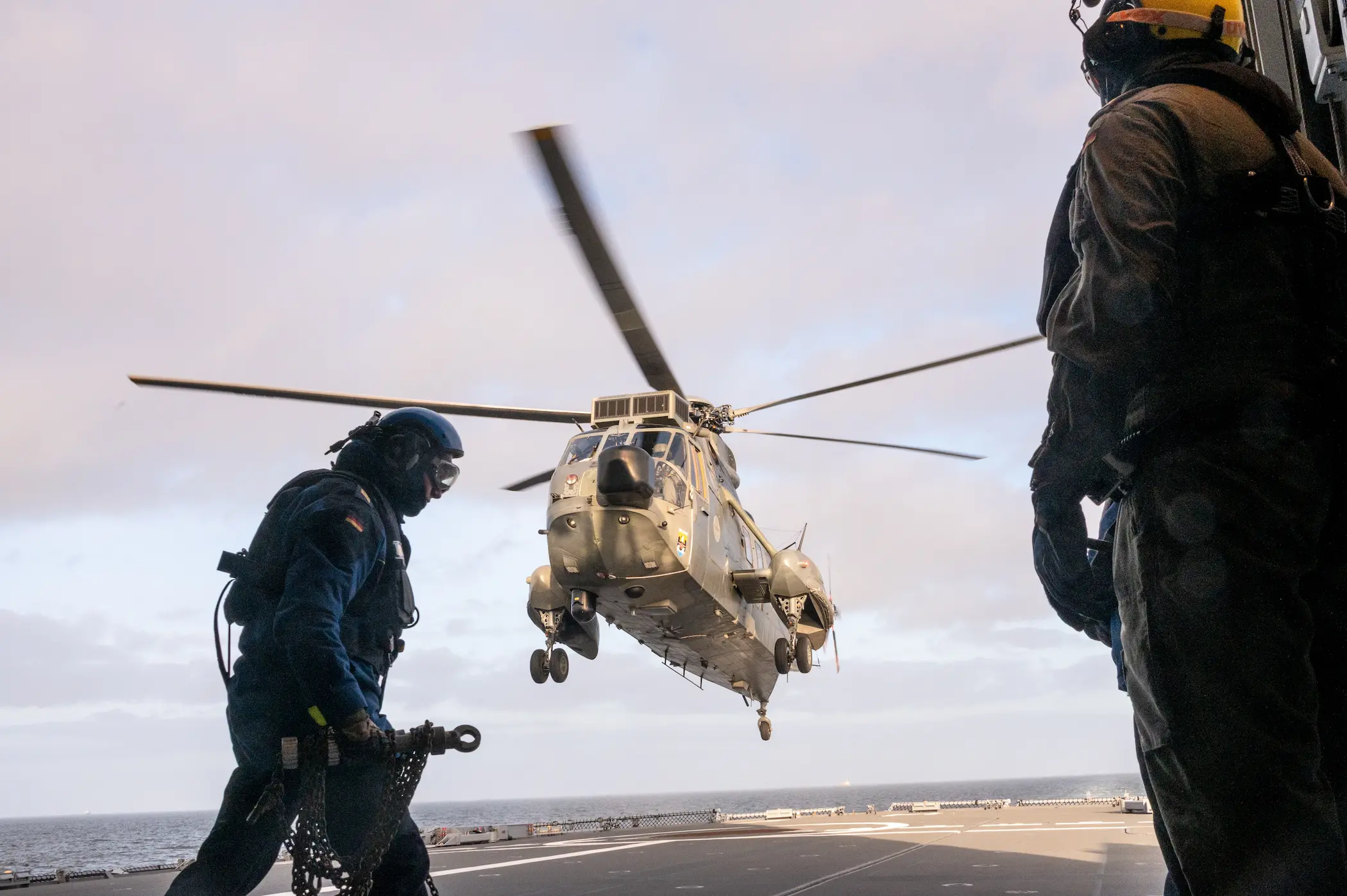
Not All Quiet on the Western Front: Europe’s Next War
“Poland is at its closest to open conflict since World War Two,” warned Prime Minister Donald Tusk, after a sudden Russian airspace violation rattled the country. On September 9, a swarm of Russian drones entered Polish skies, prompting NATO aircraft to scramble and intercept several of them. It marked the first direct encounter between NATO and Moscow since Russia’s full-scale invasion of Ukraine on February 24, 2022. While the incident might have been a test by Putin to gauge NATO’s and Europe’s response, it also raises the specter of a potential war between Poland and Russia. Given Poland’s critical role within NATO and the EU, far greater than Ukraine’s, the implications of such a conflict would place the entire continent in Jeopardy. The pressing question now is: how likely is this war to erupt, and would Europeans bear the brunt?