
Programmes
15 Jan 2026
The Question of Greenland and European Uselesness
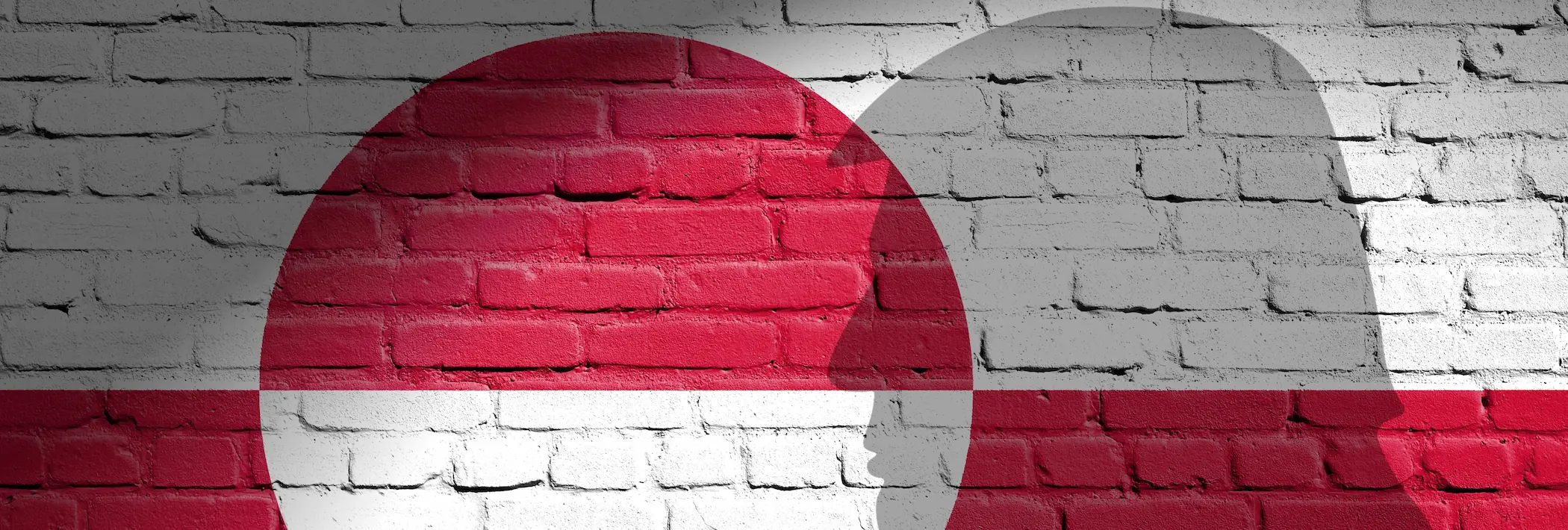
“We need it for defence.” With these words, U.S. President Donald Trump sought to frame Greenland as a question of national security. The island’s vast reserves of critical minerals and its strategic position in the Arctic have long made it geopolitically significant, yet Trump’s rhetoric elevated it into a symbol of broader American ambitions. This move prompted a rare joint statement by the leaders of seven NATO member states, who rejected any attempt to annex Greenland, a semi-autonomous territory of Denmark. Coming alongside U.S. actions elsewhere, including the removal of Venezuela’s President Nicolás Maduro and threats of intervention in other regions, these developments have fuelled growing concern within NATO that Washington is advancing a new international order driven primarily by its own interests. The prospect of Greenland’s annexation therefore raises serious questions not only about the future of the alliance, but also reveals Europe’s weakened position in the international system and its limited capacity to resist American pressure.

Programmes
14 Oct 2025
Not All Quiet on the Western Front: Europe’s Next War
“Poland is at its closest to open conflict since World War Two,” warned Prime Minister Donald Tusk, after a sudden Russian airspace violation rattled the country. On September 9, a swarm of Russian drones entered Polish skies, prompting NATO aircraft to scramble and intercept several of them. It marked the first direct encounter between NATO and Moscow since Russia’s full-scale invasion of Ukraine on February 24, 2022. While the incident might have been a test by Putin to gauge NATO’s and Europe’s response, it also raises the specter of a potential war between Poland and Russia. Given Poland’s critical role within NATO and the EU, far greater than Ukraine’s, the implications of such a conflict would place the entire continent in Jeopardy. The pressing question now is: how likely is this war to erupt, and would Europeans bear the brunt?

Programmes
27 May 2024
Migration: An Everlasting Variable in European Politics?
This June, citizens of the European Union will head to the ballot boxes for the highly anticipated parliamentary elections. Migration has always been a significant issue for both voters and candidates. However, several commentators, citing opinion polls, argue that migration may no longer be a top concern, overshadowed by issues such as economic turmoil, COVID-19, and climate change. Despite this, further analysis suggests that migration continues to be an important issue. While respondents might not explicitly mention migration when asked about their concerns, it remains significant, as evidenced by the attitudes of candidates and their emphasis on the topic. This underscores the continuing importance of migration in the upcoming elections and its significance to the results.