
Programmes
24 Jun 2026
From Mercedes to BYD: The Full Story of Power Shifts in the Global Automotive Industry
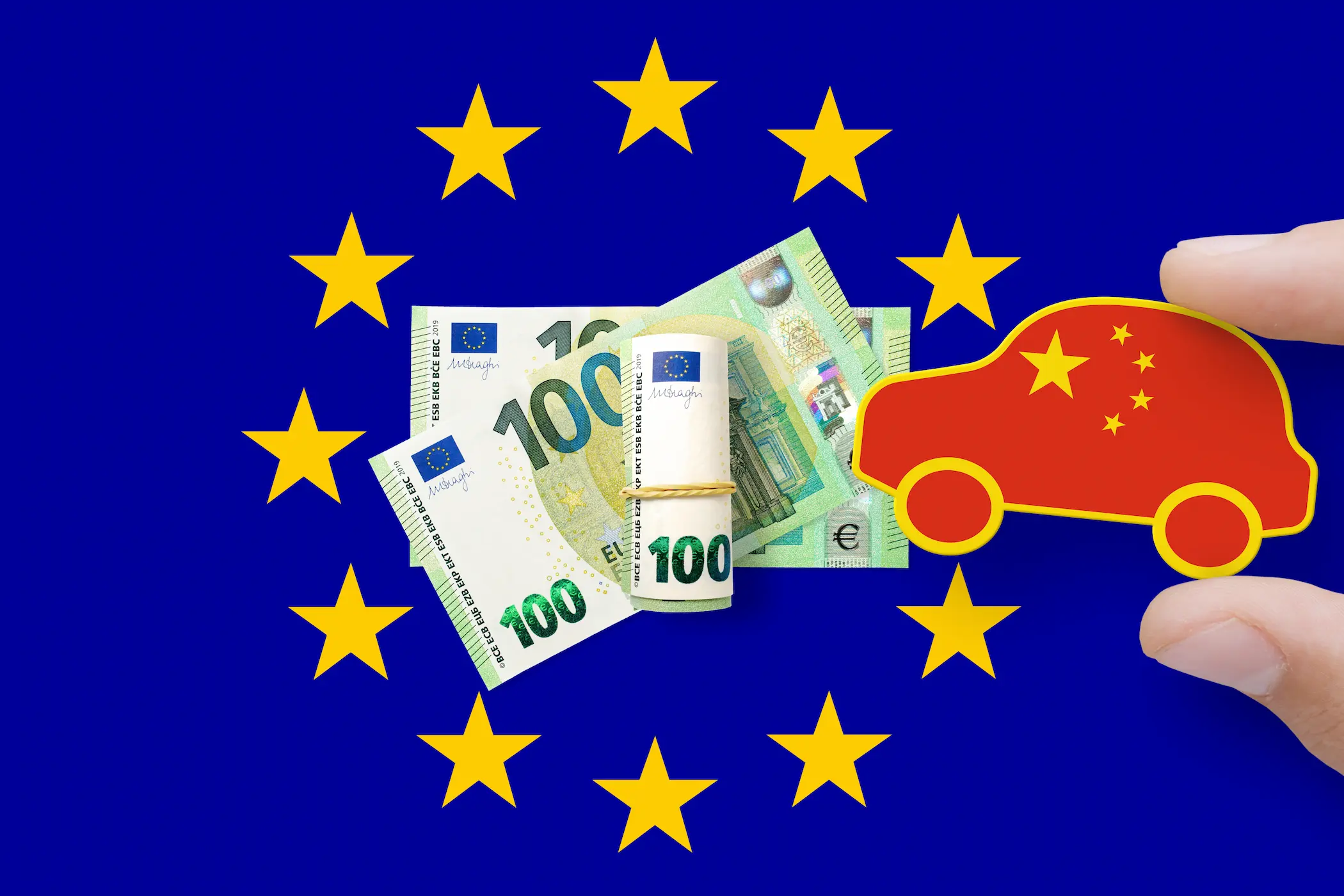
For decades, the automotive sector has been the industrial backbone of the European Union, employing roughly 13.8 million people—8.1% of the bloc’s manufacturing jobs—generating close to 7% of its GDP and a trade surplus exceeding €79.5 billion. Yet this entrenched primacy is now exposed. The legislated phase-out of the internal combustion engine (ICE) by 2035, structurally elevated energy costs, and China’s state-backed scaling of new energy vehicles (NEVs) have converged to erode advantages built over a century. Within a single decade, China has vaulted from an assembler of imported technology to the global pacesetter in battery chemistry, critical-mineral refining, and software-defined vehicle production.
Accordingly, this analysis aims to provide a rigorous quantitative assessment of Europe’s eroding automotive competitiveness against China’s ascent, across three interlocking axes: the empirical evidence of the market shift, the financial and economic root causes, and the strategic outlook for a continent now forced onto the defensive.

Programmes
9 Dec 2025
NATO’s Strategic Dependence on Batteries
Across NATO, the next generation of forces is being built around a decisive shift toward replacing fuel-based systems with electricity and high-performance batteries. From unmanned systems and smart munitions to mobile command posts and sensor networks, the Alliance’s deterrence posture is becoming electric. The move promises faster deployment, reduced noise signatures, and fewer supply convoys. Yet, beneath this technological progress lies a growing structural risk.
Every step toward electrification deepens NATO’s exposure to fragile supply chains and volatile critical-mineral markets. Batteries are now the linchpin of power projection, but also a potential weak point in it. The Alliance’s ability to fight, deter, and coordinate operations could hinge on materials mined or processed far from NATO’s control. As warfare becomes increasingly digital and electric, NATO faces a strategic challenge of a new kind: not how to innovate faster, but how to secure the energy backbone of its deterrence, and prevent the tools of modernisation from becoming instruments of dependency.