
Programmes
2 Jul 2026
Contradictions Triangle: How Israel’s Recognition of the Armenian Genocide Reshaped the Geopolitics of the South Caucasus
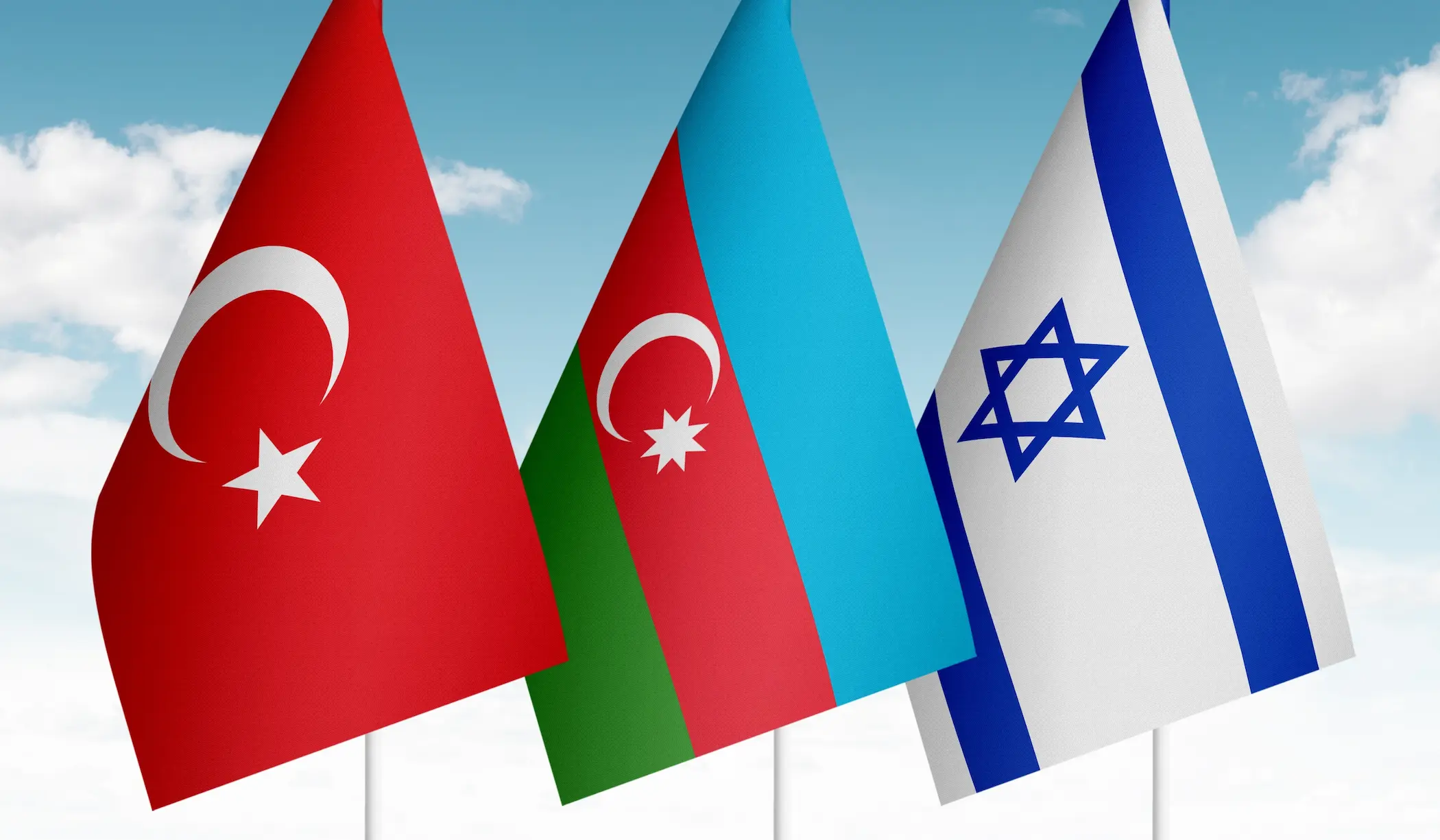
For more than three decades, Israel maintained a policy of strategic ambiguity towards the Armenian Genocide, deliberately withholding formal recognition despite mounting domestic calls—from parliamentarians and academics alike—for a definitive official position. This reluctance was neither accidental nor driven by historical uncertainty. Rather, it reflected a carefully calibrated strategy aimed at safeguarding a complex web of vital national interests. Official silence helped preserve Israel's close strategic partnerships with both Turkey and Azerbaijan, secure the uninterrupted flow of energy supplies and critical trade routes, and protect its sensitive intelligence footprint along Iran's northern frontier.
That strategic equilibrium was abruptly overturned in June 2026, when the Israeli government formally recognised the Armenian Genocide. The decision triggered an unprecedented backlash from Azerbaijan, which swiftly denounced it as a distortion of historical facts lacking any legal or scholarly foundation, while demanding that Israel immediately reverse its position. At that moment, the contours of a profound strategic contradiction came sharply into focus. Although Israel presented the move as a moral and historical obligation, the broader geopolitical context pointed instead to predominantly political and retaliatory calculations. In a single decision, Tel Aviv opened itself to direct confrontation with Turkey and a quieter, yet strategically significant, rift with Azerbaijan, while simultaneously creating an opportunity for Iran to exploit the emerging fractures and weaken Israel's extensive strategic influence along its northern frontier.