

Programmes
8 Jul 2026
The Other Face of the World Cup: How Profits Shape FIFA’s Decisions?
FIFA's commercial success and its governance decisions are not separate stories — they increasingly appear to be the same story. This analysis examines who benefits from the modern World Cup's business model, how FIFA's revenue depends on star players and marquee fixtures, and where that dependency creates entry points for questionable decision-making around eligibility and officiating.
The question matters now because of scale: the 2026 tournament is FIFA's largest and most commercially valuable edition in history, its sponsorship architecture runs through multiple tiers of global brands and downstream club deals, and this year's tournament has already produced disciplinary reversals and officiating controversies that critics have directly linked to the same commercial incentives driving FIFA's revenue.
The analysis draws on FIFA's own financial disclosures, sponsorship data, and contemporaneous tournament reporting, and it deliberately separates documented facts from contested interpretation, particularly where officiating or disciplinary decisions have been framed by media and analysts as raising questions, not as proof of manipulation.
Publications
18 Nov 2025
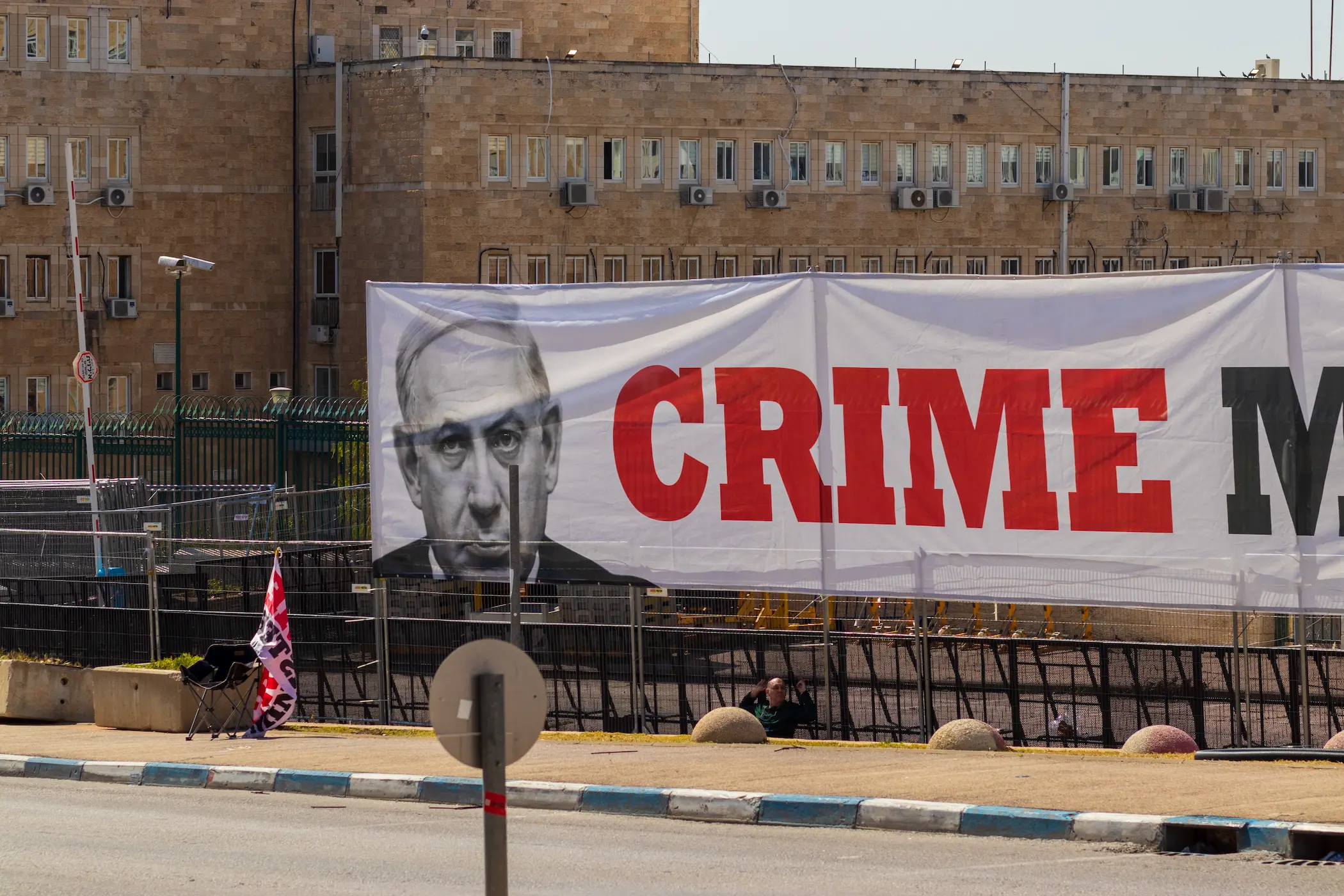
The Lord of War: Netanyahu’s Profits Behind Gaza War
This investigative study adopts a rigorous, systematic analytical methodology to examine the true dimensions of Israeli Prime Minister Benjamin Netanyahu’s wealth, illuminating substantial structural discrepancies between his officially declared income and his accumulated assets. Utilizing evidence-based financial investigation, the research identifies sustained and deliberate efforts to obscure financial transparency, primarily through sophisticated mechanisms such as offshore banking, the purchase of assets via shell or limited liability companies, and the use of aliases. Furthermore, the study deconstructs the institutional networks and patterns of quid pro quo influence that facilitate the continuous recirculation of privileges, economic benefits, and power among elite government officials and leading actors in the Israeli defense industry.
The study underscores the instrumental role of political crises, particularly The War on Gaza, as strategic junctures that enable the executive to maximize discretionary authority and circumvent traditional oversight mechanisms. Empirical findings indicate that Netanyahu directly benefited financially from the war by leveraging his expanded emergency powers to authorize high-value defense contracts outside standard competitive bidding processes. This approach resulted in an unprecedented windfall for defense sector entities closely associated with his inner circle. The war context also facilitated the diversion of public resources to support the interests of this network, ultimately institutionalizing mechanisms for influence-sharing among policymakers and leaders in the military-industrial complex. Consequently, the aggregate value of contracts executed during states of emergency surged dramatically, exemplifying the organic convergence of political and economic power within Netanyahu’s administration. The systematic exploitation of crises thus emerges as a central feature in the amplification of personal wealth and the consolidation of elite privileges within a closed governance structure.
Programmes
29 Sep 2025
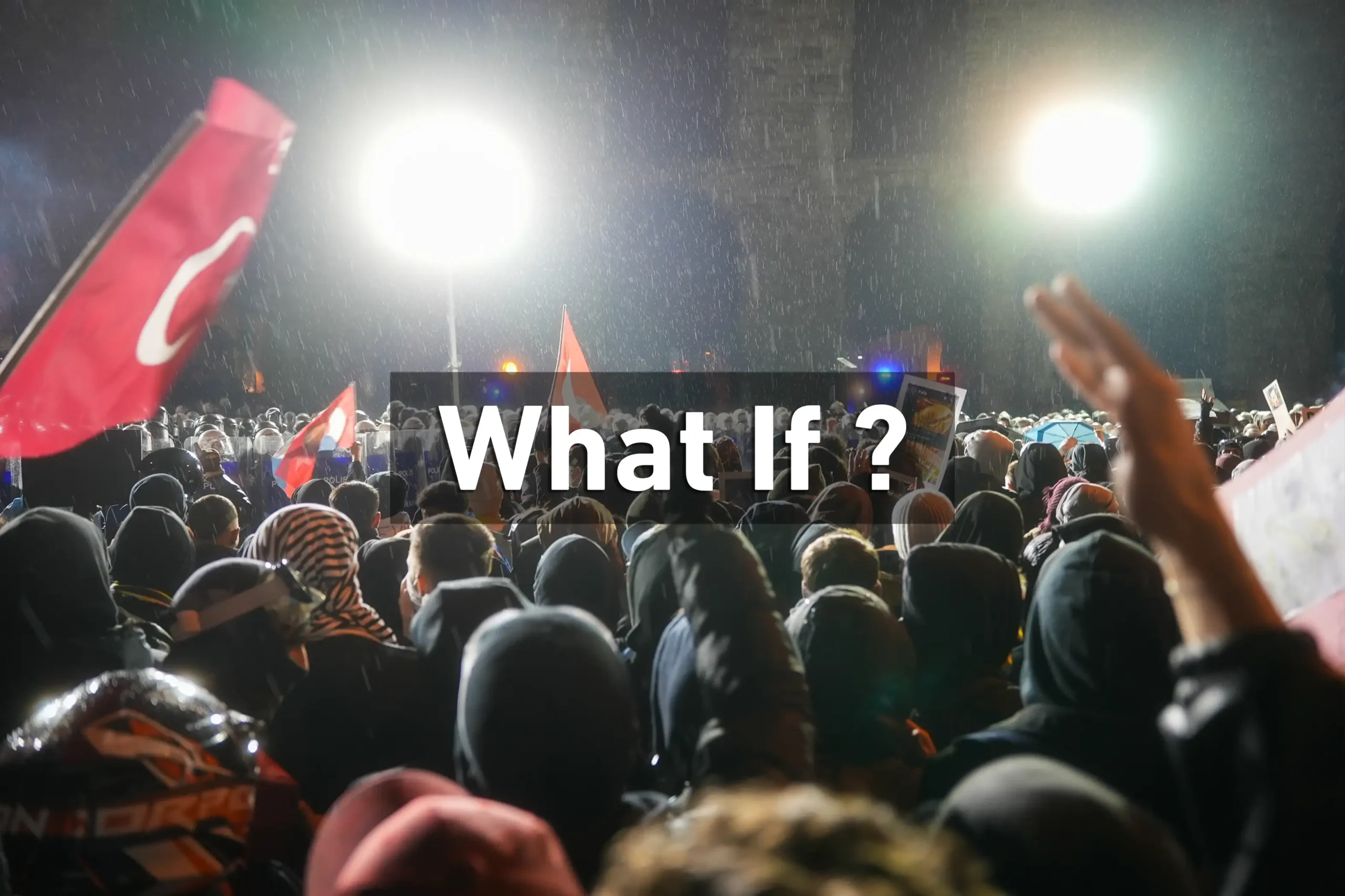
What If: The Turkish Judiciary Invalidates the 2023 CHP Leadership Elections?
The Republican People’s Party (CHP) managed to achieve a noticeable electoral victory against the ruling Justice and Development Party (AKP) in the latest local elections that were held on 31 March 2024. However, the joy of victory did not last long, as the Mayor of Istanbul, Ekrem İmamoğlu, was arrested for corruption charges before being ousted from his position as the Mayor of Istanbul. The investigation into corruption charges revealed that the CHP leadership elections held on 4–5 November 2023, which resulted in the election of Özgür Özel as the party’s leader, might have involved illegal activities that could have jeopardised the transparency of the outcome. As a result, the Turkish judiciary is investigating this issue at the moment. On Monday, Sept. 15 2025, a Turkish court in Ankara held a hearing in a case questioning the legitimacy of the CHP’s 2023 leadership election (the 38th Congress), alleging irregularities like vote-buying, meaning that the outcome of the CHP leadership elections may be invalidated. If it happens, the impact on the CHP and electoral map in Turkey could be massive.

Programmes
19 May 2024
The Politicisation of EU Corruption
The European Parliament (EP) has been embroiled in a series of corruption scandals, raising questions about the integrity of EU institutions. These events have led to increased scrutiny of lobbying activities, conflicts of interest, and the "revolving door" phenomenon. As the June EP election approaches, the scandals have further fueled anti-establishment sentiments and could potentially impact the election outcome.
“I appeal to you to resist the temptation to exploit this moment for political gain.”
A statement made in December 2022 by Roberta Metsola, President of the European Parliament (EP), in response to one of the bloc’s biggest corruption scandals, reveals a larger story about the politicisation of corruption in European politics.