
Programmes
13 Aug 2026
Three Decades of Absence: Why Have Arabs Been Shut Out of the UN’s Top Job?
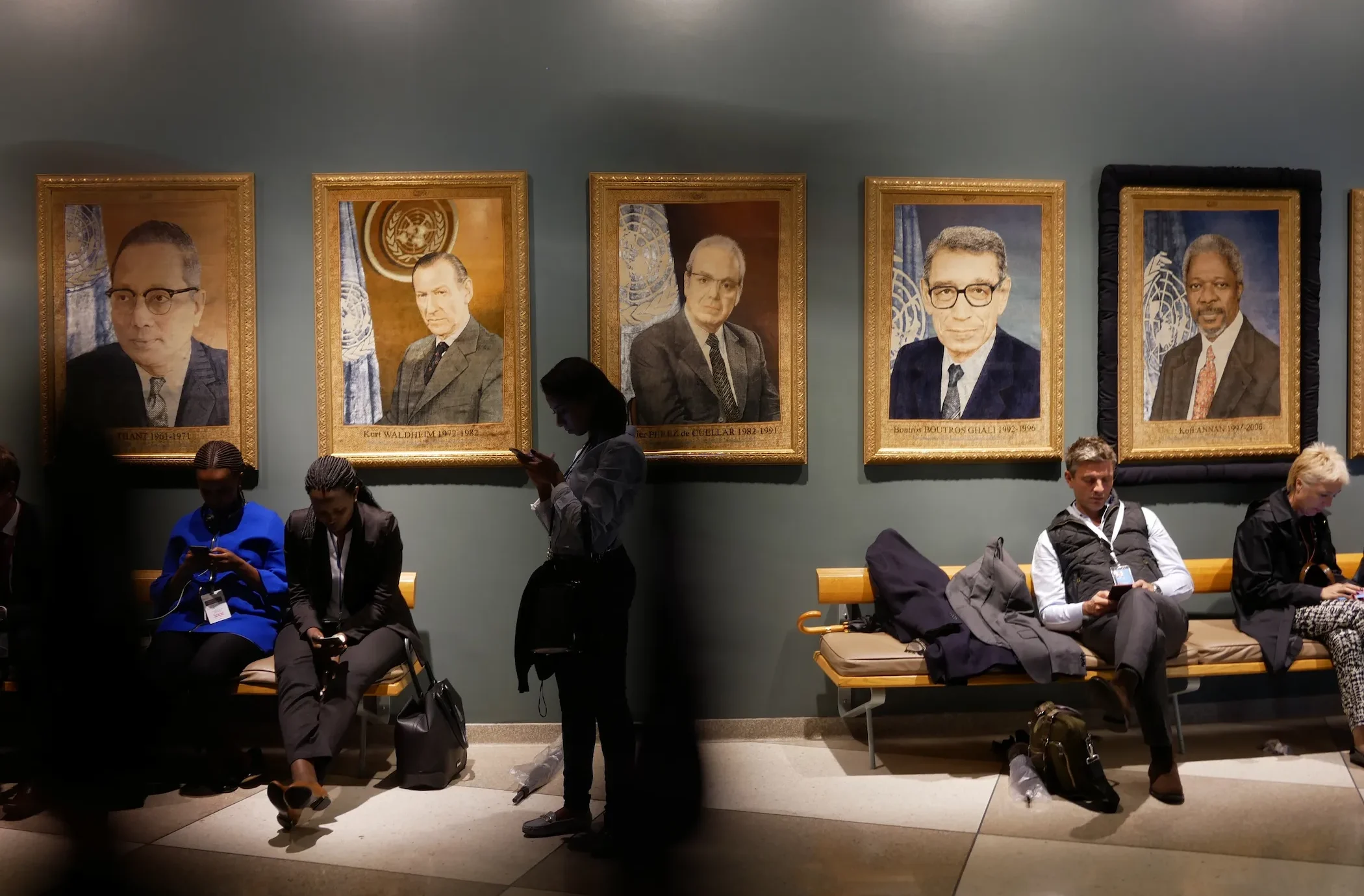
Since Egyptian diplomat Boutros Boutros-Ghali left office as UN Secretary-General in 1996, after a US veto blocked his bid for a second term, no Arab has held the organisation's highest office for nearly three decades. This prolonged absence is neither a matter of chance nor, as some suggest, the result of a lack of Arab diplomatic expertise or competence. Rather, it stems from the interplay between the UN's complex selection process and the calculations of global powers, which together create a barrier to the emergence of new Arab candidates for the organisation's leadership.
The roots of this problem lie in the UN's regional group structure and the rules governing geographic rotation. The selection process does not treat Arab states as a single geographic bloc, but divides them between the "African Group" and the "Asia-Pacific Group". This division dilutes Arab voting strength. When it is Africa's or Asia's turn to put forward candidates for the post, Arab contenders must compete with major states that wield considerable political influence and demographic weight within their respective regions, making it difficult to secure the regional backing and consensus required for a successful candidacy.
Alongside this internal division, divisions among the major powers on the Security Council play a decisive role. The Middle East and North Africa is a key arena of great-power competition, subjecting any Arab candidate to intense political scrutiny by the five permanent members. Since securing the post necessarily requires avoiding a veto from any one of them, identifying a candidate acceptable to all the competing powers becomes exceptionally difficult, particularly as each contender is assessed in light of their country's international relationships and global alignments.
This analysis therefore seeks to unravel the reasons behind this prolonged absence. Does the reluctance of Arab capitals to enter the race in recent decades reflect a retreat and an acknowledgement of diplomatic limitations, or does it instead represent a tactical withdrawal and a calculated strategic decision to avoid electoral contests whose rules are structured in ways that effectively exclude candidates from regions at the fault lines of intense geopolitical rivalry?
Publications
16 May 2023
Questions about Legality of Russian-Ukrainian War
Abstract
The post-World War II arrangements generated several decisions that granted the victorious countries certain powers, most notably The Declaration of the Four Nations on General Security, the Four Power Declaration, and Articles 106 and 107 of the United Nations Charter. Questions have recently been raised about the possibility of exploiting these powers to legitimize Russian intervention in Ukraine. However, given the nature and background of these articles and decisions, it turns out that they were part of the arrangements for a transitional period, followed by the transfer of these powers and tasks to the United Nations, and the subsequent new arrangements, most notably the collapse of the Soviet Union and the emergence of the Russian Federation, which arranged for a new legal situation. This does not contradict the rule of inheriting international treaties as one of the principles of international law but takes into account the change in the new legal status of states. Therefore, the countries that were under the guise of the Soviet Union have become independent members in the United Nations General Assembly, and by reviewing the contents of the documented sessions of the United Nations since the outbreak of the Russian-Ukrainian crisis, it turns out that the defenses and arguments presented by the Russian delegate to legitimize the Russian intervention in Ukraine were based on two main arguments, which were repeated in most of the Russian President’s speeches. For the Russian Federation, especially the speech of the declaration of invasion, which was based on Article 51 of the Charter of the United Nations, which guarantees the right of states to defend themselves against threats, and Article 1 of the International Covenant on Civil and Political Rights that all peoples have the right to self-determination, meaning that any Russian ethnic minority in Ukraine has the right to determine its political status and to pursue its economic, social and cultural development.
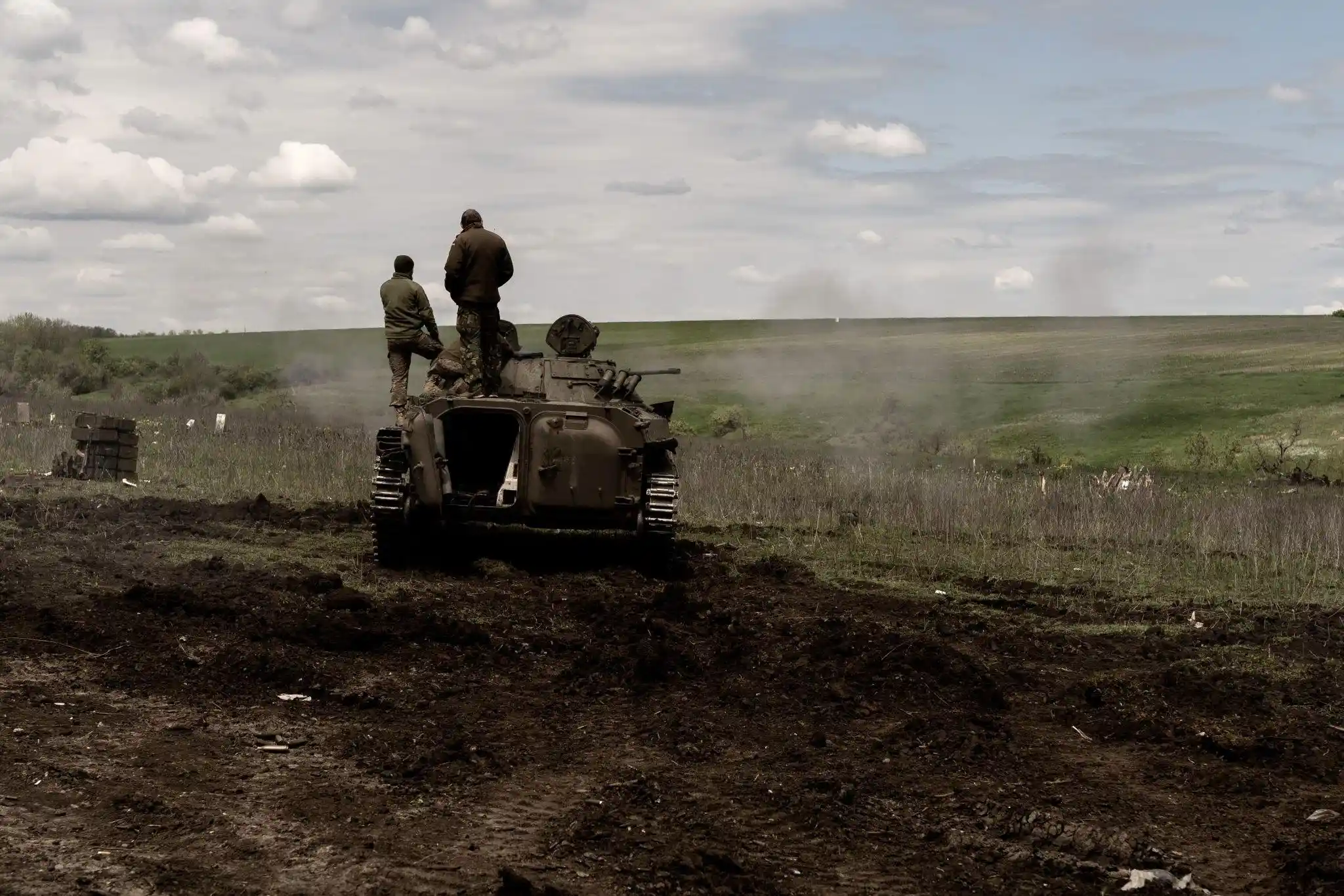
Since Putin announced his intention to invade Ukraine militarily, numerous analyses came up that the legal arguments Russia depend on to justify the invasion, and the talk about the arrangements made after World War II that gave the powers to the victorious nations that could be exploited by the Russian side has increased recently. There is even a rumor that claims that the Russian president talked to the secretary-general of the United Nations about the article contained in the United Nations charter and these arguments depended on two articles; 106 and 107 in the United Nations charter, that gives the right to the victorious countries and nations to take any needed decision against the countries that fought against them in World War II to avoid revising the results of World War II. In these decisions, it is specially allowed to utilize military power against these countries.