
Programmes
10 Feb 2026
Digitising the Space Economy: Who Will Hold Sovereignty as the Shift from Hardware to Software Accelerates?
The global space economy is currently undergoing a profound structural transformation. Whereas the sector has historically been characterised by its heavy reliance on rocket propulsion capabilities and the vast capital investments required to deploy physical hardware into orbit, the focus is now shifting toward an economic model in which value creation is increasingly decoupled from material mass.
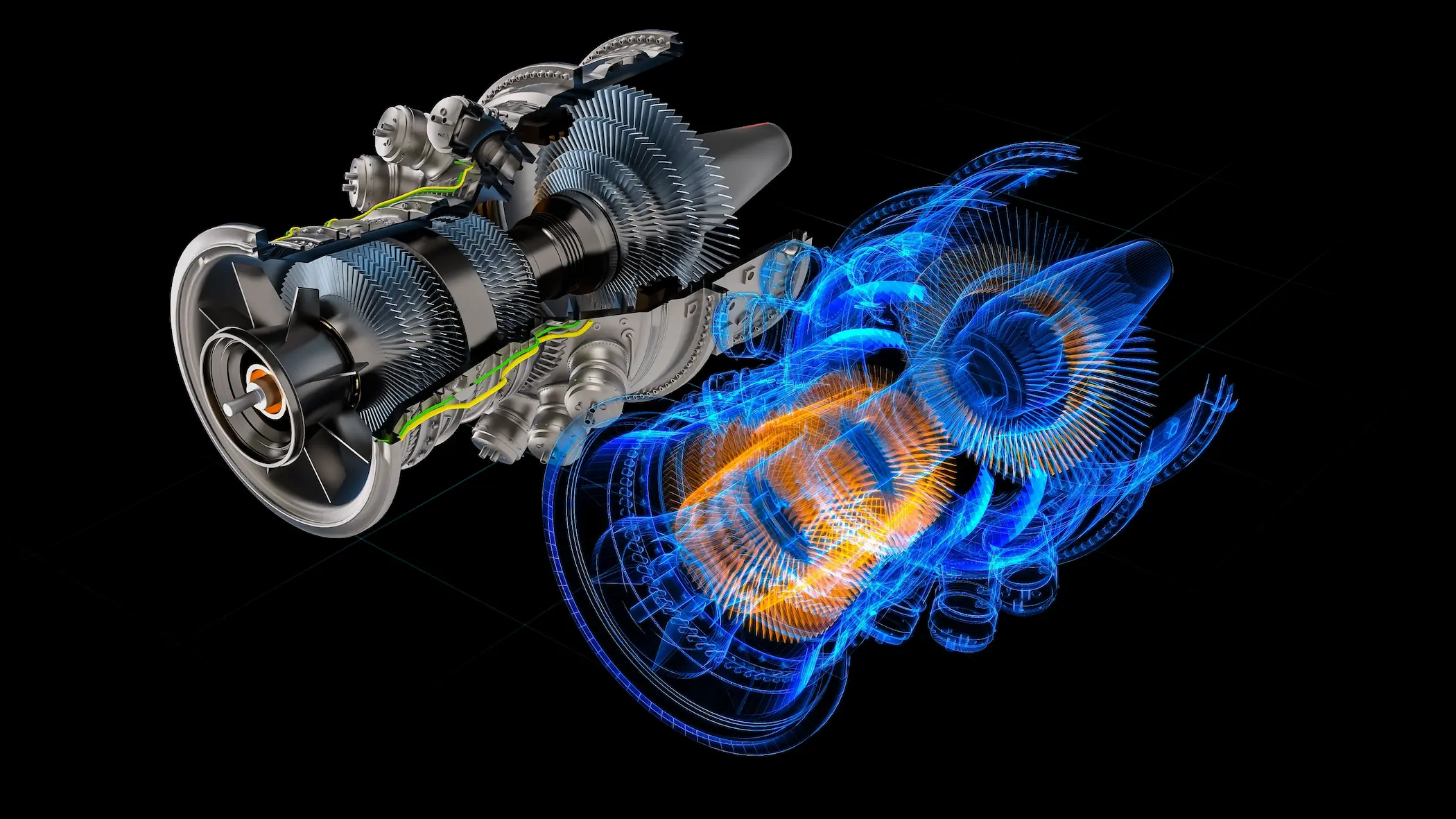
In this context, the contours of what may be described as a “software-defined space economy” are becoming increasingly evident. This shift is driven by the convergence of two core digital infrastructures: digital twins and space-based edge computing. At the same time, declining launch costs, resulting from advances in reusable launch vehicles, have shifted the primary determinant of economic efficiency. Rather than centring on mere access to space, value is now anchored in the operational efficiency of on-orbit assets, their embedded intelligence, and the length of their functional lifespan.
This paper argues that the sector’s future economic value—estimated to reach USD 1.8 trillion by 2035—will not be realised solely through an increase in the number of satellites launched, but rather through the digitisation of their life cycles and the processing of data at the source.
This analysis provides a comprehensive economic deconstruction of these technologies. It examines how “virtual modelling” is reshaping cost structures in space manufacturing, enabling companies such as Varda Space Industries and SpaceX to accelerate development cycles at software speed. It also highlights the roles of artificial intelligence and the Internet of Things (IoT) in establishing space systems capable of autonomous fault processing, thereby maximising returns by extending assets’ operational lifetimes. The analysis concludes by linking gains in operational efficiency to the sector’s overall growth, demonstrating how digital infrastructure forms the material foundation for emerging in-space manufacturing (ISM) markets and next-generation Earth observation services.