
Programmes
19 Aug 2026
Digital Abundance, Experiential Scarcity, and the New Economics of Cinema
The theatrical performance of Christopher Nolan’s The Odyssey in July 2026 is a useful lens on a broader shift in media economics, though the film's box office alone cannot prove a structural thesis. While popular discourse frames the film's financial momentum as an isolated creative triumph, a microeconomic and corporate finance reading suggests a more durable market reallocation is underway: in an entertainment ecosystem saturated by digital abundance and on-demand streaming, consumer and studio spending appear to be reallocating toward physically differentiated experiences that are difficult to replicate digitally. This is best treated as a working hypothesis supported by suggestive evidence, not an established fact, one blockbuster’s run is not, by itself, proof of structural change.
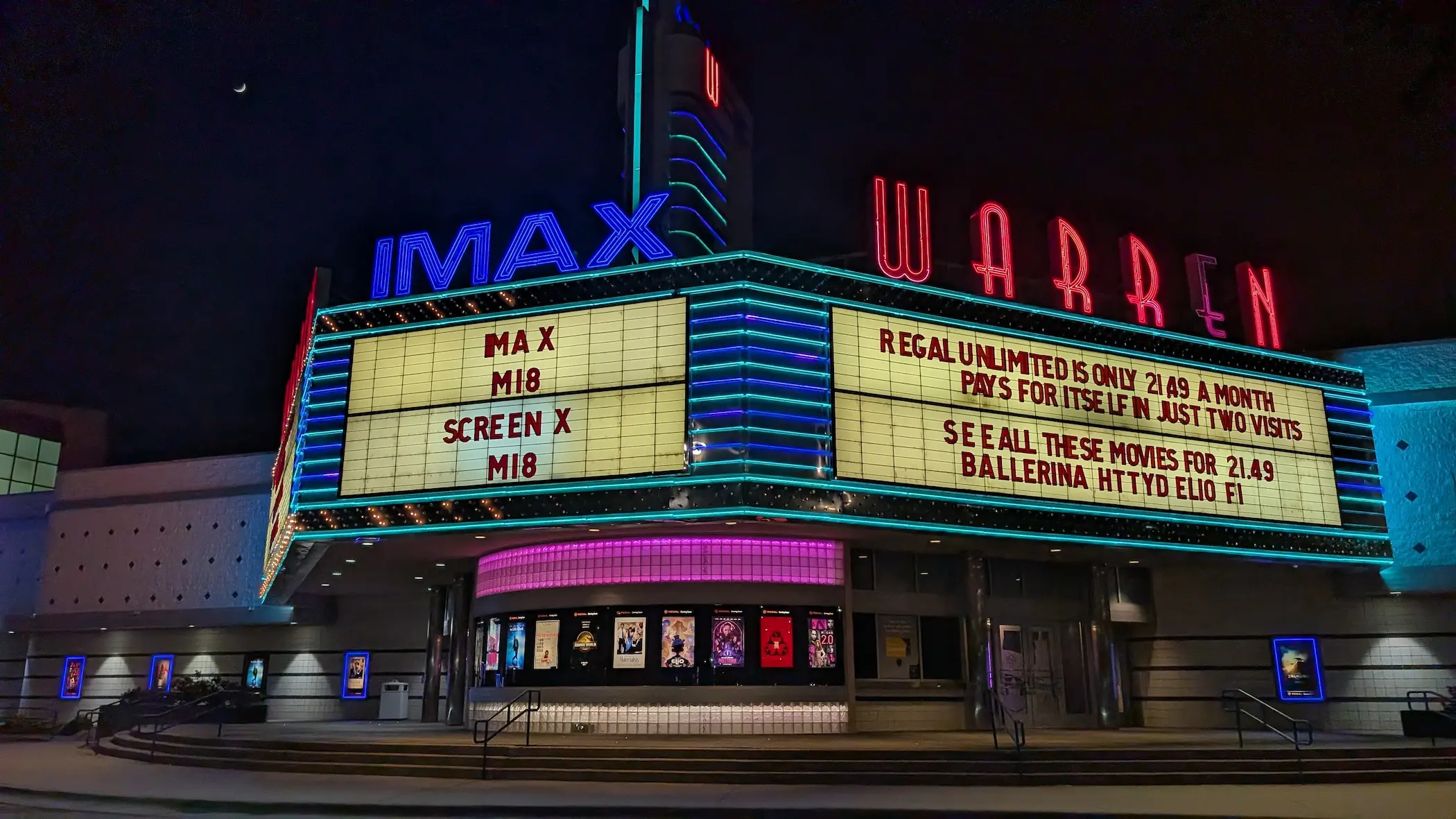
This migration is commercially relevant to IMAX Corporation (NYSE: IMAX), whose model separates a broadly scalable global digital network from an ultra-scarce fifteen-perforation seventy-millimetre analogue footprint. Distinguishing these two tiers helps isolate how digital commoditization pressures studio differentiation strategy, shifts consumer willingness to pay, and concentrates box-office economics within a small number of specialized network operators, while also, exposing IMAX to risks that a purely optimistic reading tends to omit.