
Programmes
11 Mar 2026
The Turkey-Israel Fault Line and the Future of the Middle East
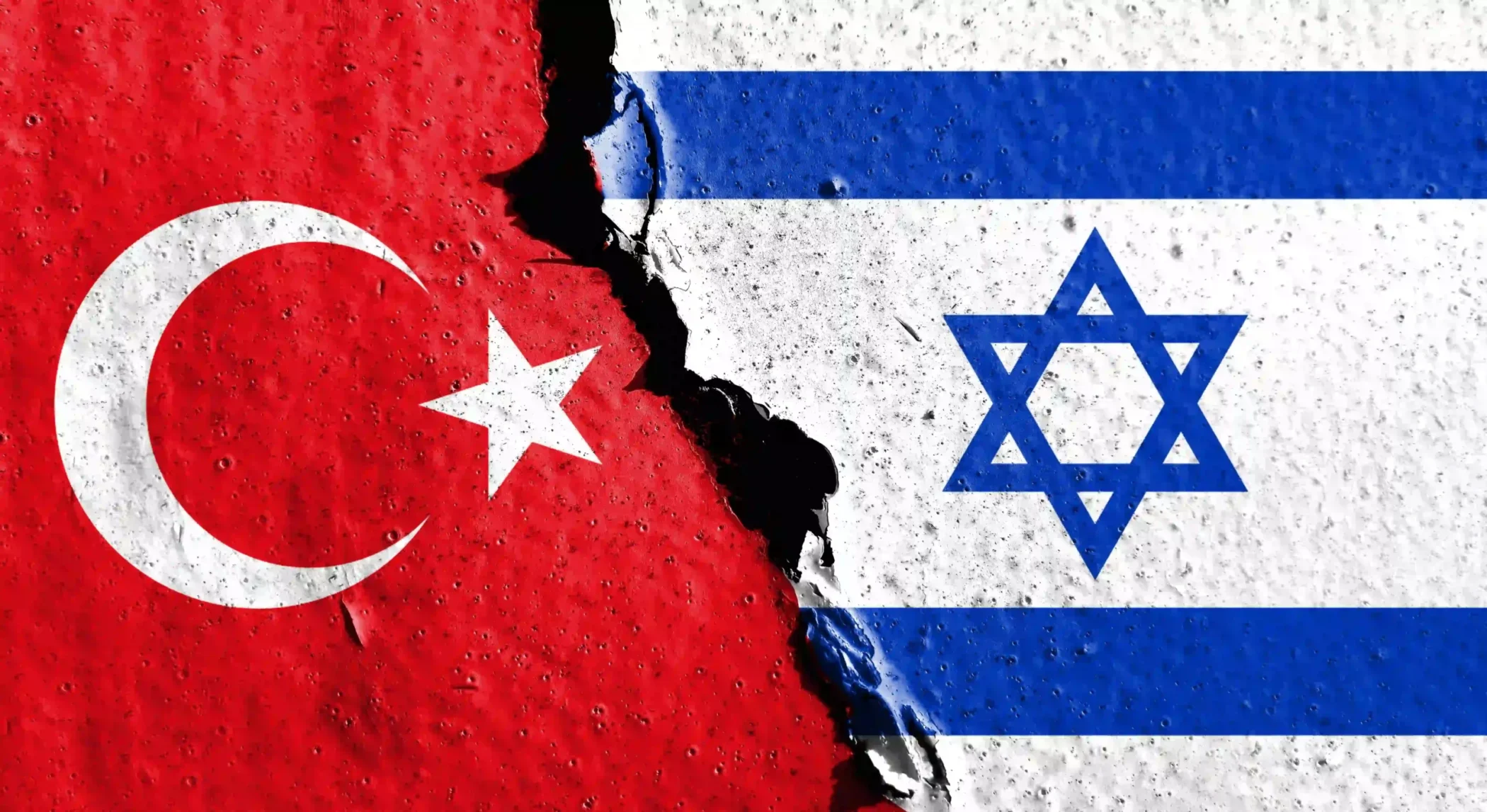
The United States and Israel's joint military campaign against Iran is upending the strategic order of the Middle East in ways that extend far beyond Tehran. The strikes have killed Iran's Supreme Leader Ali Khamenei, targeted Iran's military and nuclear infrastructure, and triggered retaliatory Iranian attacks across the region. As the war enters its second week, a second and potentially more consequential shift is taking shape. With Iran's role as the dominant pole of regional opposition to Israel now in question, a new rivalry is hardening between Israel and Turkey, one that carries different stakes, different risks, and a far more unpredictable trajectory than the confrontation the current war was designed to resolve. Understanding this emerging fault line requires examining both the structural forces pushing the two states apart and the domestic political dynamics that risk turning competitive rhetoric into irreversible confrontation.
Programmes
17 Sep 2025
The GPS Battlefield: The Invisible War in the Middle East
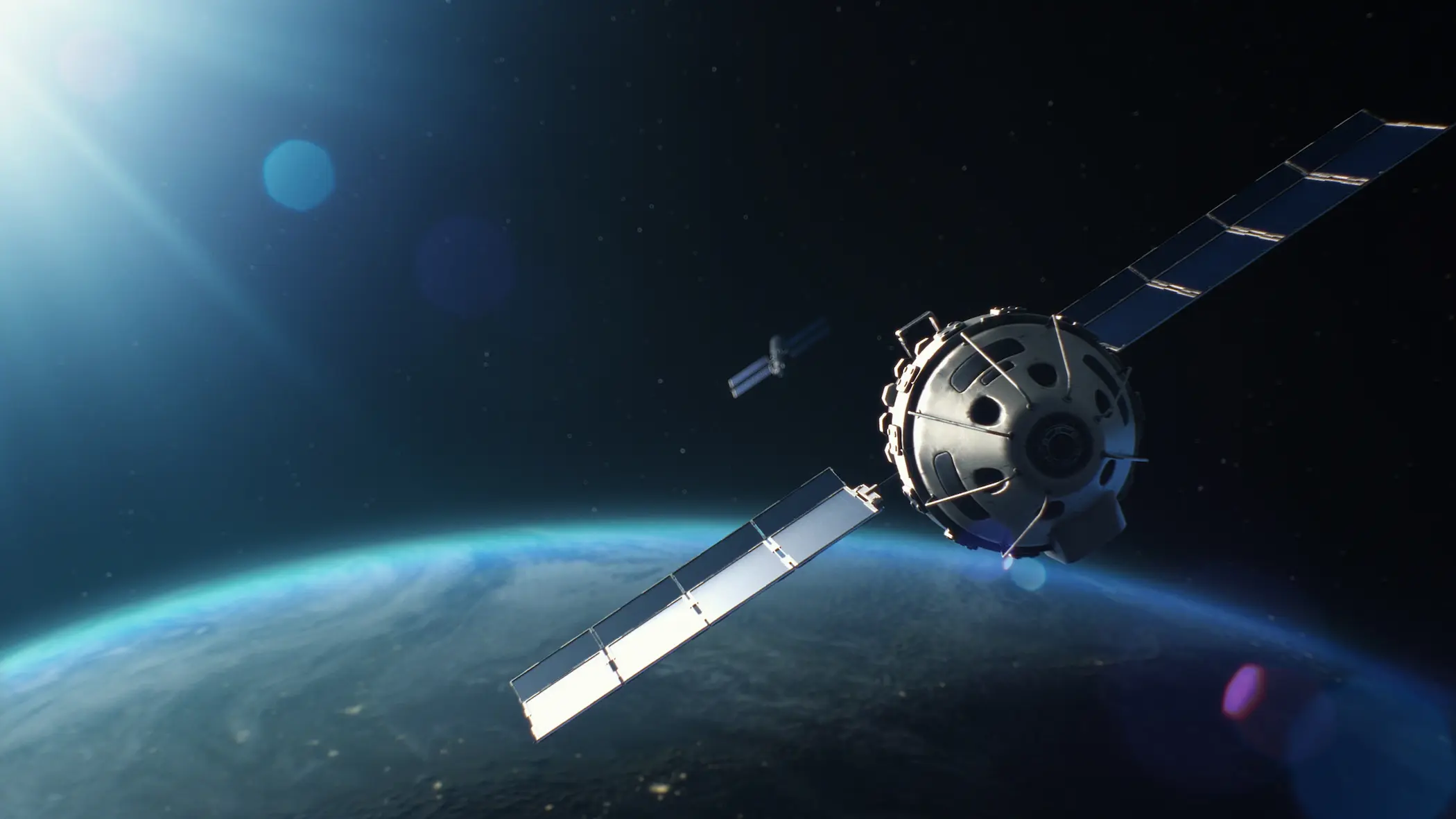
Wars are no longer confined to missiles, drones, or soldiers on the battlefield; increasingly decisive struggles are taking place in the invisible realm of signals that quietly guide planes through the sky, ships across narrow straits, and even the timing of financial markets. At the heart of this new contest lies the Global Positioning System (GPS), once praised as a scientific triumph and gifted to the world as a free public good, increasingly repurposed into a weapon that is inexpensive to disrupt, difficult to trace, and capable of inflicting consequences far beyond the battlefield.
The recent jamming of European Commission President Ursula von der Leyen’s aircraft served as a stark reminder that even the highest levels of leadership are not immune, but what may appear to be isolated incidents in Europe are in fact part of a broader pattern that has taken deep root in the Middle East. In a region where the world’s most critical energy chokepoints converge, navigation interference is no longer a rare abnormality but an increasingly routine feature of conflict, carrying implications that stretch from military readiness to economic stability and, ultimately, to the daily lives of millions.