
Programmes
5 Oct 2026
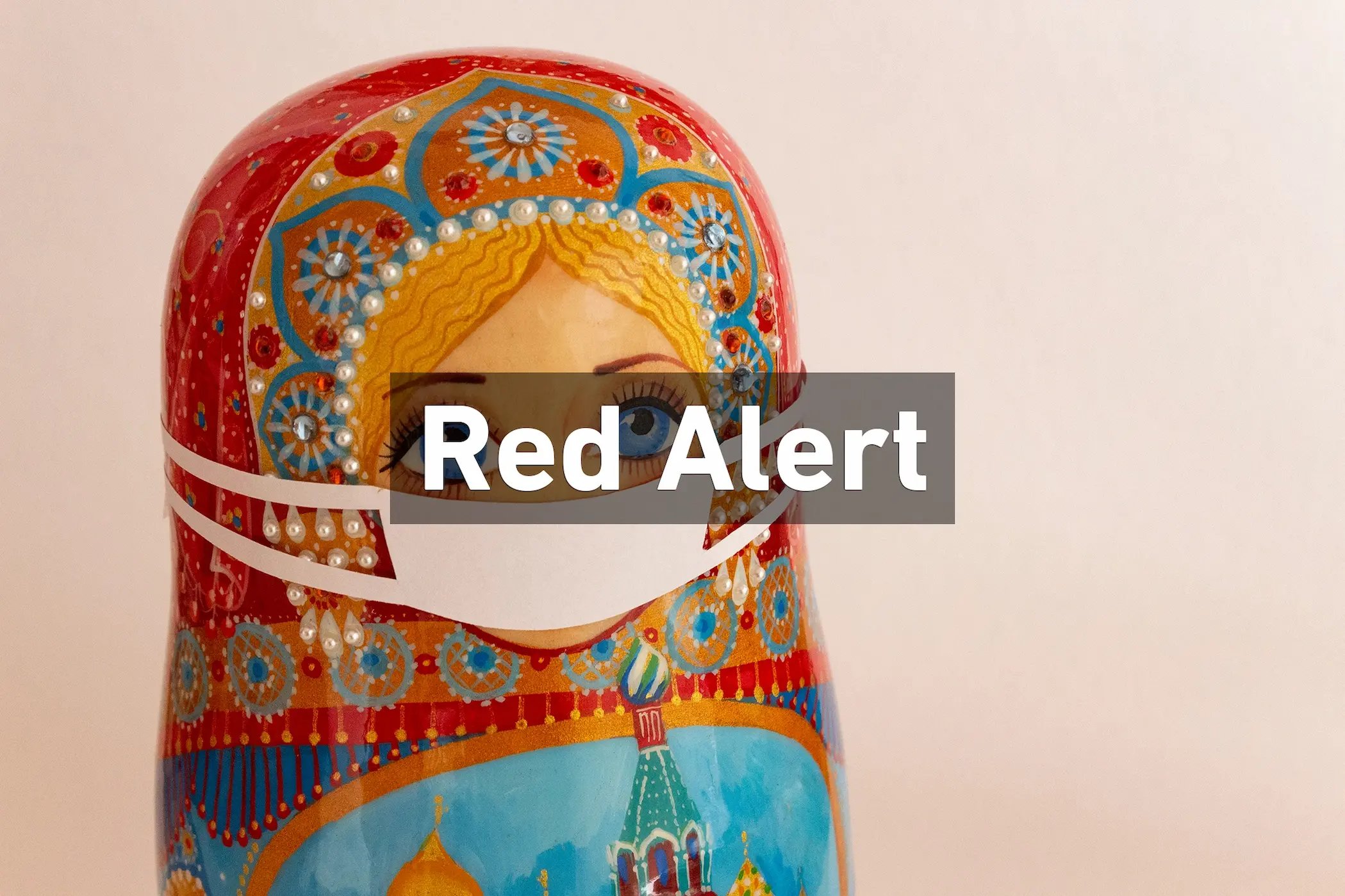
Red Alert: Pneumonic Plague in Siberia
On October 2, the death of a 28-year-old laboratory technician at the Irkutsk Anti-Plague Institute set off emergency measures in Russia. Nearly 200 people have been placed under medical observation, the district hospital in Shelekhov has been quarantined, and Russia's chief sanitary official, Anna Popova, has travelled from Moscow to oversee the response. Moscow's public health watchdog, Rospotrebnadzor, describes the case only as "pneumonia of unknown etiology" and calls the situation in Irkutsk and Shelekhov "stable," while the head of neighbouring Buryatia has said the woman died of plague. This raises a critical question: is this an isolated, contained infection, or the first sign of a pneumonic plague outbreak that Moscow is struggling to manage, and to disclose? Pneumonic plague is the most dangerous form of the disease. It spreads person to person through respiratory droplets, can kill within days if untreated, and is treatable with early antibiotics. That makes the first days of any case decisive and makes official transparency as important as the clinical response.