
Programmes
5 Oct 2026
Clean Commitments, Clean Data Centres?
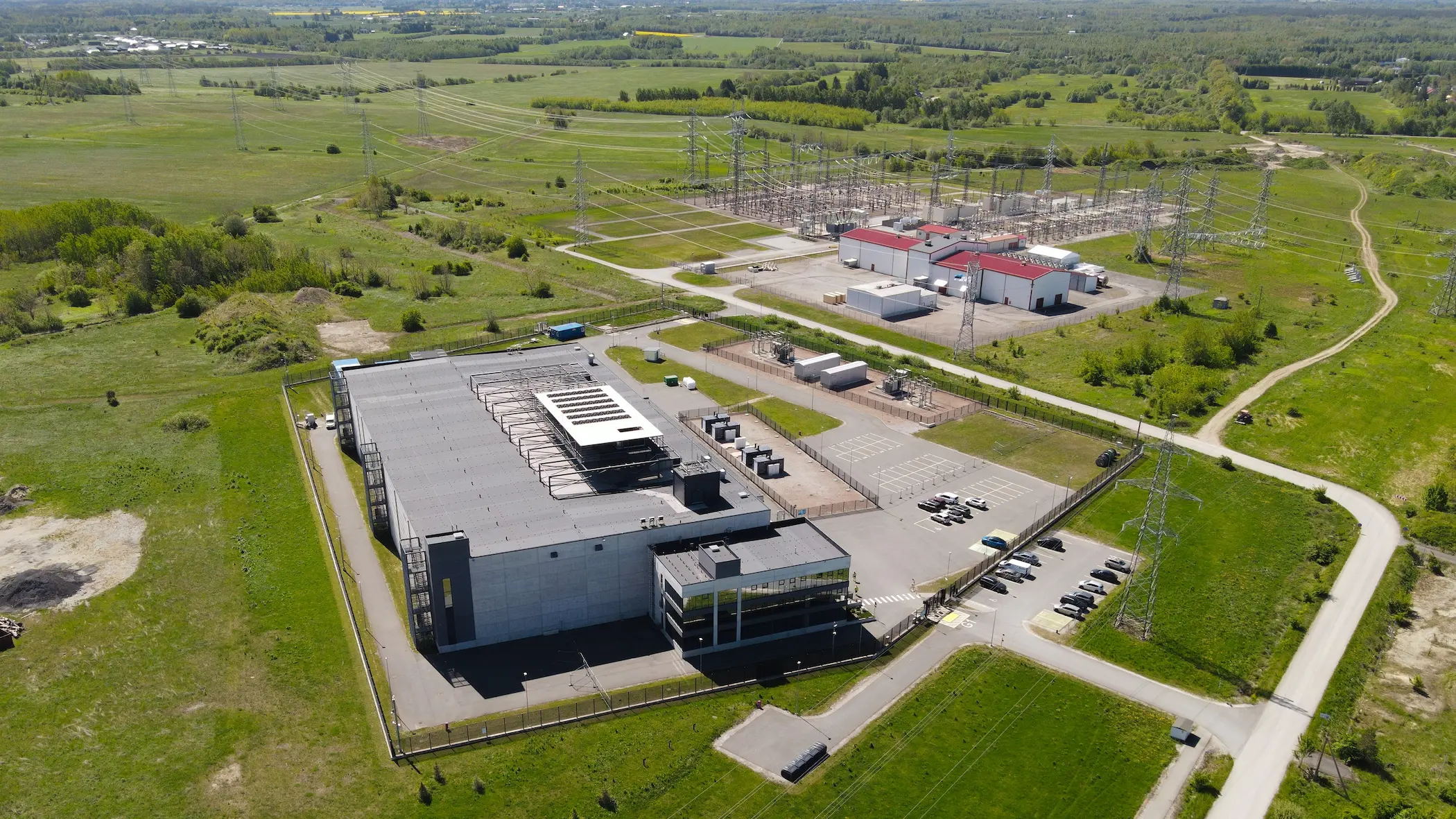
The rapid expansion of artificial intelligence is driving a parallel expansion of the infrastructure on which it depends. Data centres consumed around 415 terawatt-hours (TWh) of electricity in 2024, roughly 1.5% of global demand, and the International Energy Agency's base case projects about 945 TWh by 2030. Governments in the Gulf and Europe have responded by treating data centres as strategic assets while remaining committed to decarbonising their energy systems. Yet a commitment to clean energy does not necessarily amount to clean data centres.
This distinction is becoming increasingly important because the timelines differ so sharply. A data centre can be built in one to two years, whereas transmission takes far longer and new clean generation, nuclear in particular, longer still. When demand arrives before supply, the gap tends to be filled by gas. Ireland illustrates the dilemma: data centres accounted for 23% of its metered electricity in 2025, up from 5% in 2015, and the regulator now requires new large facilities to bring their own generation or storage. The central question, therefore, is whether AI infrastructure and the green transition can advance together.
Programmes
31 Dec 2025
The AI-Energy Crossroads: Can the World Build Enough Power to Sustain Intelligence?
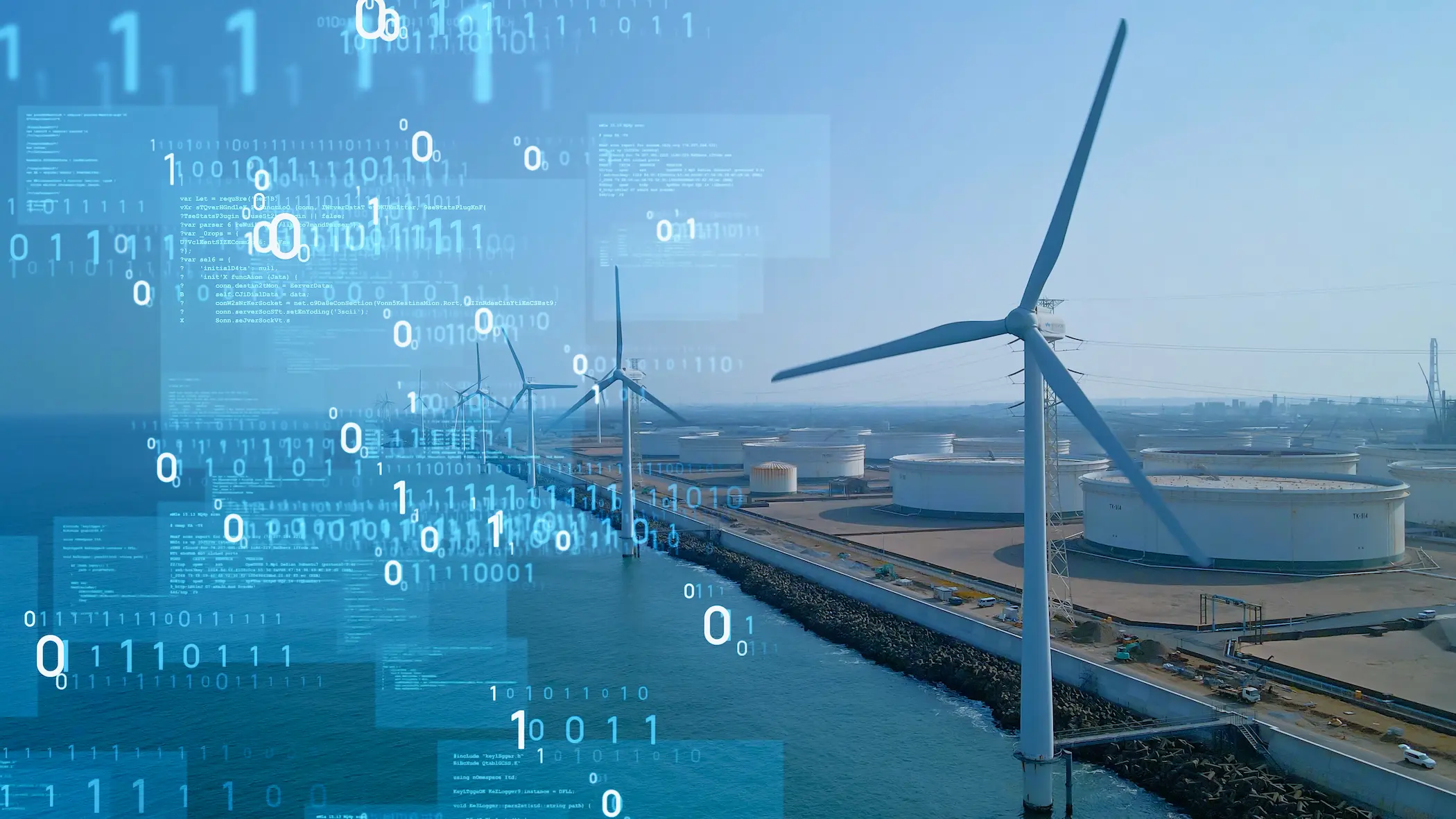
In 2025, the rapid acceleration of artificial intelligence (AI) is no longer just expanding digital capabilities, it is reshaping the physical infrastructure that underpins the global economy. Data centres are becoming “AI factories,” designed for unprecedented computational intensity and continuous, large-scale workloads. Nearly 11,800 facilities were operating worldwide by 2024, with an increasing share built or retrofitted to power AI-grade computing. This shift has triggered a structural rise in energy consumption, placing extraordinary pressure on land, water, electricity systems, and financially straining grids and supply chains worldwide.
The defining constraint on the future of AI is no longer hardware or algorithms, it is energy. Without a rapid global shift to renewable and clean power, AI data centres will collide with resource shortages, grid instability, and economic risk, threatening the very growth they are meant to enable. As AI becomes foundational across industries, the challenge is no longer whether data centres will expand, but whether the world can generate enough clean power to sustain them. With demand already outpacing conventional grid capacity in major regions, energy availability not technological innovation will determine global competitiveness in the AI era.