

Programmes
28 Dec 2025
The Politicisation of Mossad: The Future of Israel’s Intelligence
On Dec. 4 2025, Netanyahu decided to appoint his Military Secretary, Major General Roman Gofman, as the Director of the Mossad. Gofman will replace the current Mossad head, David Barnea, whose five-year term ends in June 2026. This decision signals a key leadership change in the country’s most important intelligence agency, particularly given Gofman’s lack of intelligence experience and aggressive decision-making approach. Moreover, this movement indicates Netanyahu’s broader pattern of politicising the appointments of high-ranking officials in security agencies, where loyalty to him appears to be a decisive factor. Accordingly, the politicisation of Mossad raises serious questions about the future of Israel's intelligence.
Programmes
15 Jun 2025
Why Did Iran Fail to Repel Operation Rising Lion?
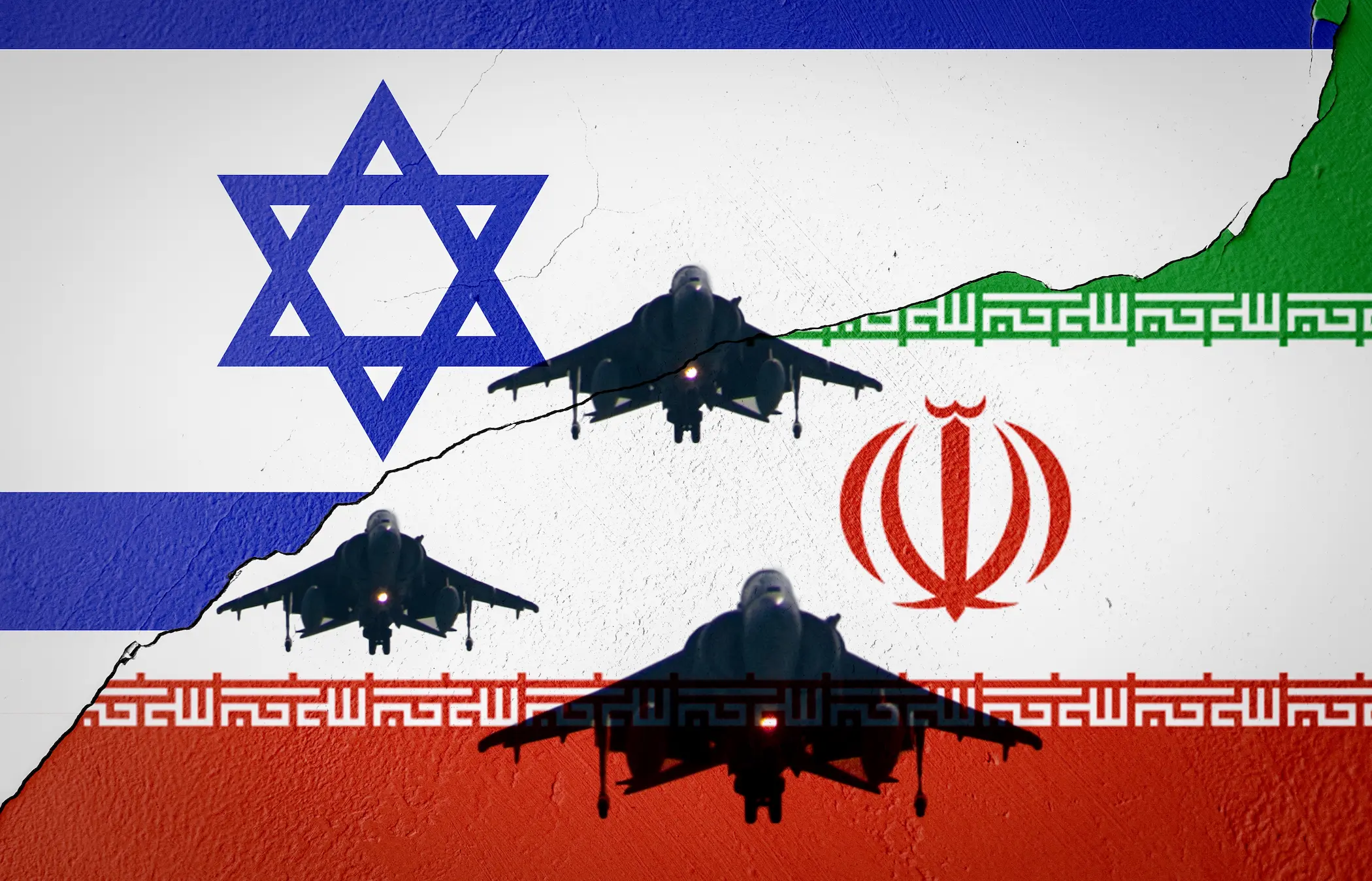
Operation Rising Lion, executed by Israel on June 13, 2025, constituted a lightning strike aimed at crippling the very core of Iran's nuclear and military infrastructure. Israeli Prime Minister Benjamin Netanyahu characterised this pre-emptive operation as a necessary measure to "roll back the Iranian threat to Israel's very survival," drawing upon the Begin Doctrine previously brought to bear in analogous strikes against Iraq in 1981 and Syria in 2007. The operation's objectives were marked by strategic multiplicity and diversity, encompassing the targeting of numerous nuclear facilities, alongside senior Iranian military commanders and nuclear scientists, in an endeavour to inflict maximum damage upon Iran's military and nuclear capabilities. Israel's intent was not merely confined to disrupting the nuclear program; it extended to undermining Iran's capacity to mount retaliatory assaults and to fend off future waves of Israeli attacks.
The timing of the Israeli operation came on the heels of a meticulous assessment by the Israeli leadership, which had concluded that Iran was on the cusp of achieving a dangerous breakthrough in its pursuit of nuclear weaponry, thereby necessitating the exploitation of a narrow temporal window before Iranian nuclear facilities became either too advanced or too robustly protected. In this context, this analysis aims to delve into the rationale underpinning the operation, to account for Tehran's apparent failure to parry the assault effectively, and to examine the attack's repercussions on Iran's domestic landscape. Furthermore, it seeks to investigate the potential pathways Iran might pursue to reconstitute its deterrent capability.