
Programmes
4 Aug 2026
Modern Warfare: Can Military Components Become China’s Greatest Strategic Weapon?
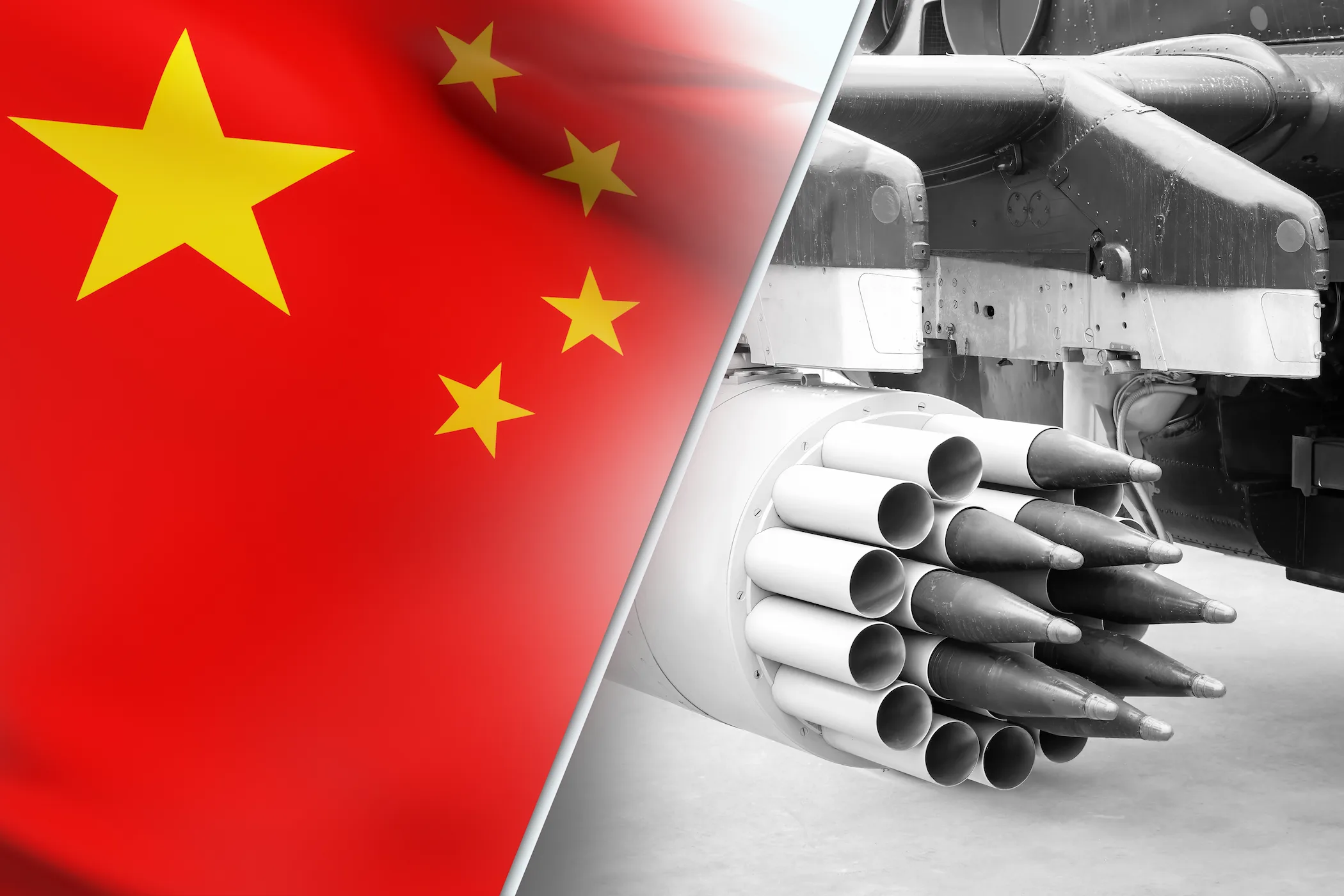
On July 15, 2026, reports revealed that the EU has authorised Ukraine to purchase Chinese drone components using EU defence funds. This decision is striking, as although Europe accuses China of supporting Russia's military-industrial development and seeks to contain China’s military capabilities, the new shift suggests that it may represent a new geopolitical reality rather than a temporary wartime exception.
This decision represents a new direction where Europe has been obligated to finance Chinese defence-related industries because no viable alternative exists. This points to a broader strategic aspiration where China tries to position itself to become an indispensable supplier of military components. It means supplying the core parts and technologies upon which global weapons production increasingly depends. This raises a crucial question: can China leverage its dominance in military components to become the indispensable infrastructure of global defence production?

Programmes
23 May 2024
China’s Economic Slowdown: Strategic Responses and Global Implications
China, despite being the second-largest economy globally, encounters challenges such as a distressed real estate sector, reduced domestic consumption, and high debt levels. In response to these obstacles, the government is enacting policies aimed at encouraging domestic spending, mitigating the real estate downturn, and cultivating innovation to ensure sustainable development. The way these measures are implemented will not only impact the economic trajectory of China, but also that of the entire world.
Programmes
28 Feb 2023
China’s Zero-Covid Policy: Impact on the Chinese Economy
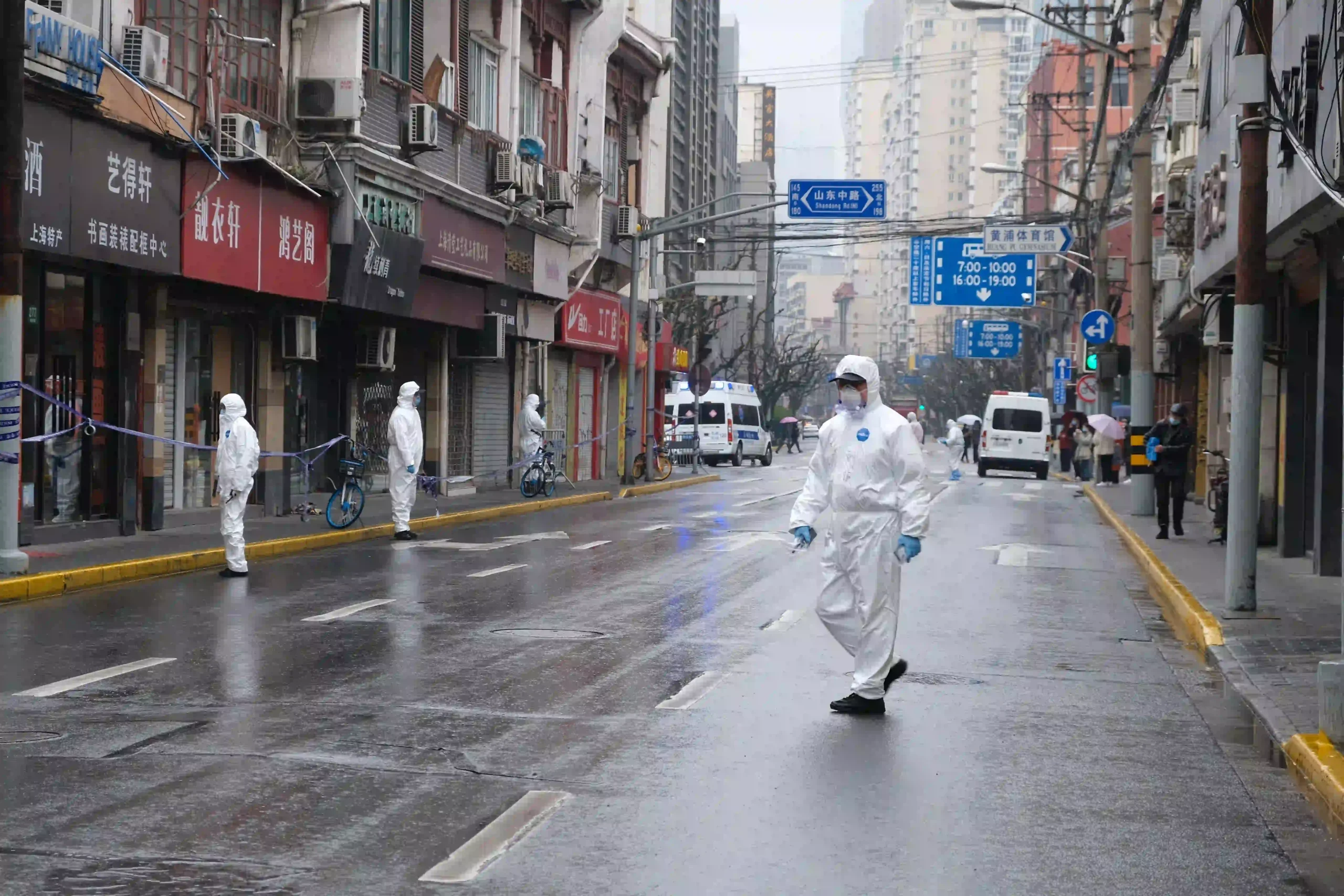
During the initial outbreak of Covid-19 in 2019, China stunned the international community by confining more than 11 million inhabitants of Wuhan to their homes. Since then, China has maintained the same practises, including them into its Zero-Covid policy. Border controls and lockdowns on the coronavirus have disrupted supply chains and slowed the flow of trade and investment, causing China’s economy to slow down. China has adhered to its zero-tolerance approach to the virus for nearly three years, despite the fact that this policy has caused immense economic harm and public dissatisfaction. Therefore, it is important to shed light on the effects of the Zero-Covid policy on the Chinese economy and the measures that need to be undertook by the government after its abandonment of the policy to revive its economy.