
Programmes
11 Apr 2023
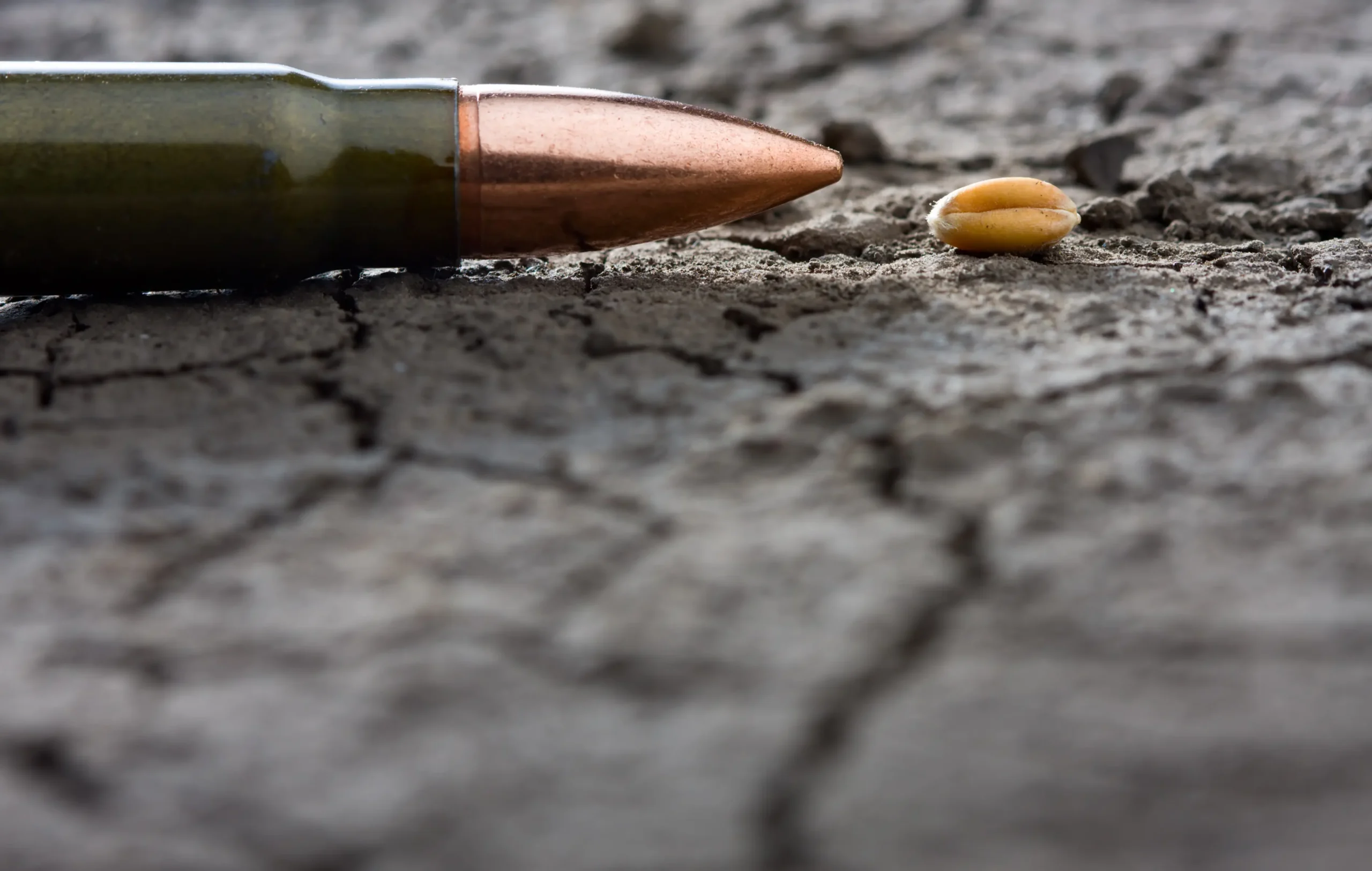
Between Grain and AK-47s: Russian Influence in Africa
The Russian presence in Africa has recently increased after a decline of nearly three decades since the dissolution of the Soviet Union in the nineties of the last century. Russian-African relations are part of Russia's new strategy to enhance its international influence. This strategy conforms to Russia's situation in international affairs, including its support for countries that contradict Western policies. Moscow has focused its influence on the West African region, taking advantage of Western policy mistakes, the mounting anti-European sentiment, and the long-standing failure of international and domestic actors to address the root causes of the regional instability. The first Russian-African summit in Sochi in October 2019 concluded contracts with more than 30 African countries for the supply of weapons and military equipment. It thus opened the door for state-backed companies to invest heavily in the security and technology sectors and industries that extract natural resources such as oil, gas, gold and other minerals.
On the other hand, the Russian-Ukrainian conflict did not impede this rapprochement but rather contributed to developing the partnership between the two parties to take the form of a strategic alliance. This was apparent in the speeches and statements of President Vladimir Putin, the most prominent of which was the speech he delivered at the International Parliament Conference "Russia - Africa in a Multipolar World", which was held in Moscow in March of this year on the sidelines of Saint Petersburg preparations for the second coming Russian – African summit to be held in July 2023. Putin reiterated that cooperation between Moscow and African countries was and will always be one of the top fixed priorities of Russia's foreign policy, declaring Russia's fulfilment of all its obligations, including supply of food, fertilisers, fuel and other essential products to the countries of the continent, which helps ensure food and energy security.
In light of the ongoing Russian-Ukrainian conflict, this analysis aims to shed more light on the motivations and characteristics of the Russian strategy in Africa. It also seeks to highlight the challenges to Russian influence expansion as well as the prospects for Russian-African relations in the future.
Programmes
29 Mar 2023
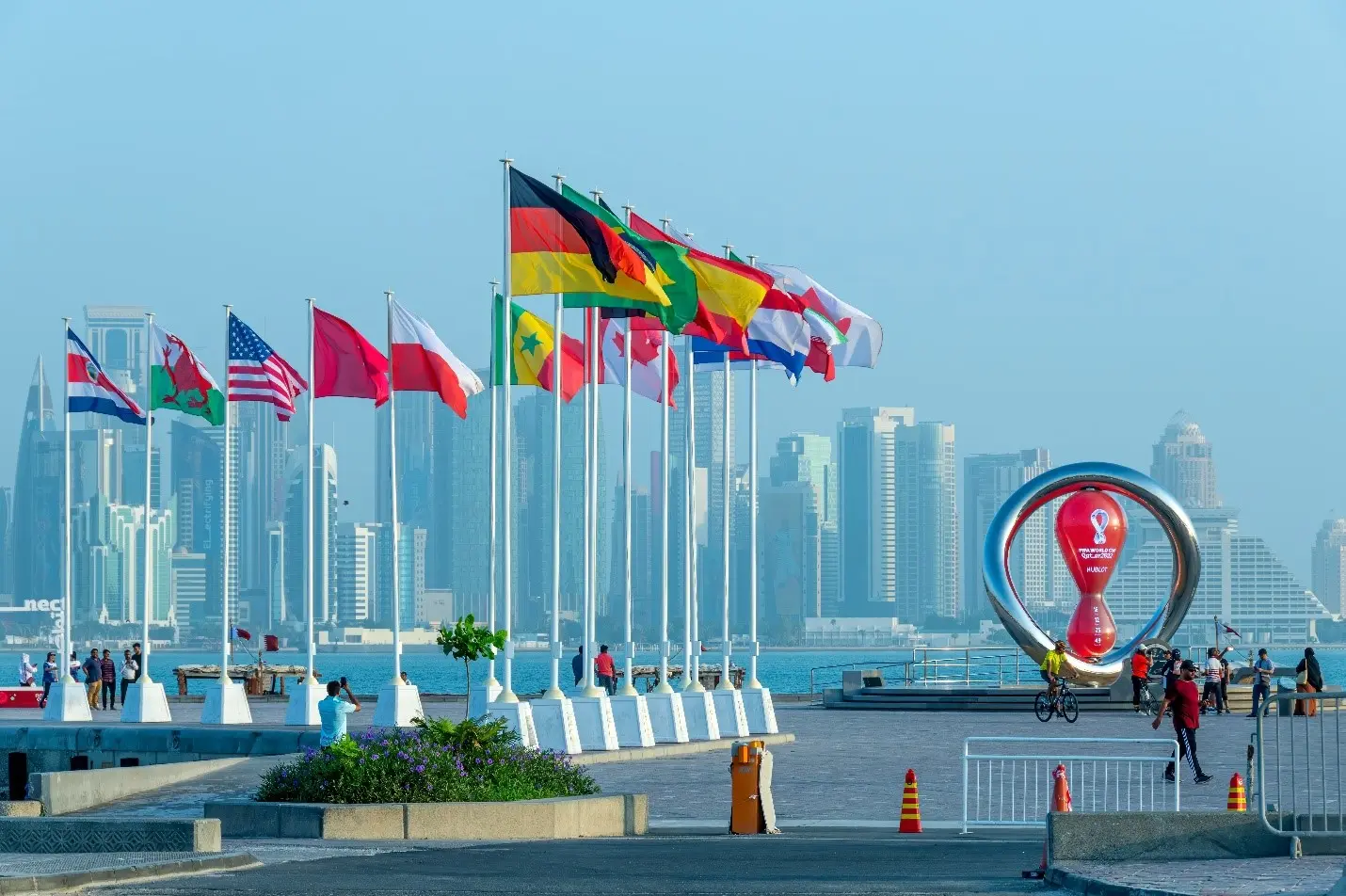
Sports Diplomacy: How Do Sports Events Enhance the Reputation of Countries?
The FIFA World Cup in 2022 in Qatar garnered more attention from the international community due to Qatar's ability to change perceptions of it as a nation capable of hosting the biggest sporting events. Many countries have recently sought to host international sports events in an effort to enhance their posture diplomatically, improve their reputation as well as shore up their position within the international community. To that end, “Sports Diplomacy” has been used to achieve understanding and peace among nations and promote the countries’ political and ideological goals. On the other hand, countries exploited sports as an approach aiming at asserting the superiority and strength of the state; for instance, the 1936 Olympic Games were held in Germany, and the 1934 FIFA World Cup was held in Mussolini’s Italy. In other cases, sports played a more constructive role in the 1990s, representing an opportunity for South Africa to surpass the apartheid era and look forward to a better future. For China, sports have played a role in introducing an open policy and a more influential economy.
A state’s reputation is one of the key factors affecting its international relations, as it reflects its global image, influencing its recognition and interaction with other countries. With sports diplomacy, states could carry out several interests, such as boosting diplomatic ties with other states, raising the degree of understanding and cooperation among people and governments, and improving the state's public image globally. In other words, sports diplomacy is an effective tool for attaining diplomatic goals and promoting the state’s reputation worldwide. This analysis seeks to shed more light on the link between sports diplomacy and the state’s reputation and how the state’s stance in the international community is enhanced by sports diplomacy.
Programmes
5 Feb 2023
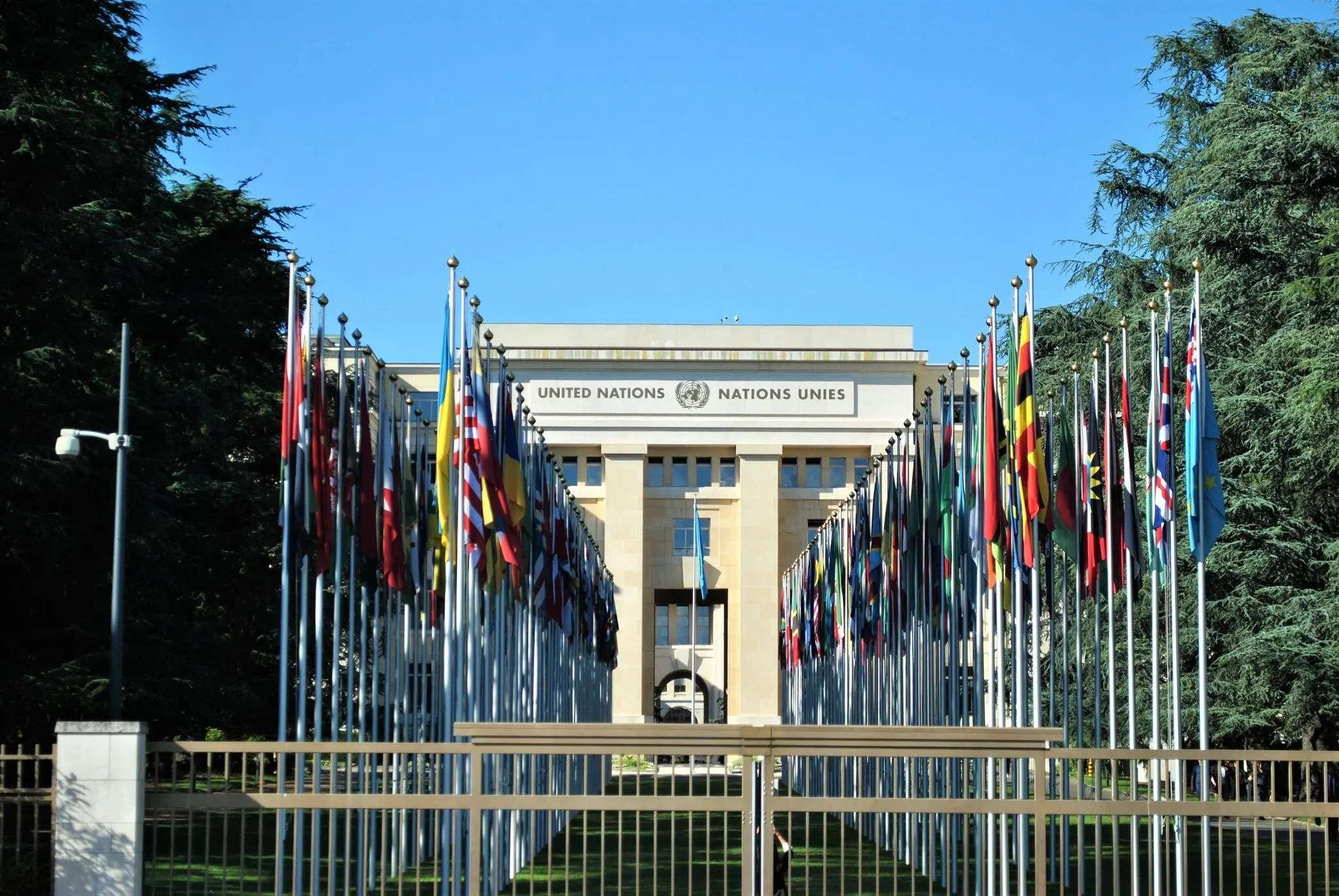
Double Standards: Signs of Denying Lebanon the Right to Vote in the UN
The recent statement by UN Secretary-General António Guterres on January 17, 2023, that Lebanon and eight other countries will lose their right to vote in the UN sparked various concerns about the standards used to make this decision. Looking at the disenfranchised list, we find common problems in these countries. Some countries—like Somalia, South Sudan, and Lebanon—suffer from political and economic crises, while others—like Venezuela—suffer from economic sanctions that have wreaked havoc on their economies. Such a decision highlights how crucial it is to link democracy with justice and raises whether the countries’ rights depend on their financial resources. Is it unacceptable for underdeveloped and distressed countries to participate in international forums and voice their thoughts? Some other countries violated, and continue to break, International Law and the UN Charter; however, they enjoy their voting rights. In addition, the UN is the primary international platform where countries seek to resolve their differences without resorting to conflict. Countries have to participate in this entity to make their voices heard in the global community; if they are excluded, they will assume individual responsibility for forging solid alliances and searching for alternative sources of communication with the rest of the worldwide community.
The current analysis aims to evaluate the provisions and procedures on which the nine countries were denied the right to vote to determine the key drivers of the decision and how the nine denied countries may restore their voting rights.