
Programmes
30 Apr 2026
The Geography Game: Why Washington Is Seeking Control of Islands
Recent developments point to a discernible shift in U.S. foreign policy, as Washington moves away from traditional international principles towards a more pragmatic, interest-driven approach. Within this evolving framework, islands and narrow maritime chokepoints have gained renewed strategic prominence as critical instruments of influence. No longer viewed as remote geographic outposts, islands are increasingly regarded as pivotal assets for securing energy flows, safeguarding supply lines, and controlling maritime navigation. This shift reflects a broader strategic intent to assert effective control over key geographic positions in order to sustain military presence, expand economic influence, and command the vital corridors through which global trade flows.
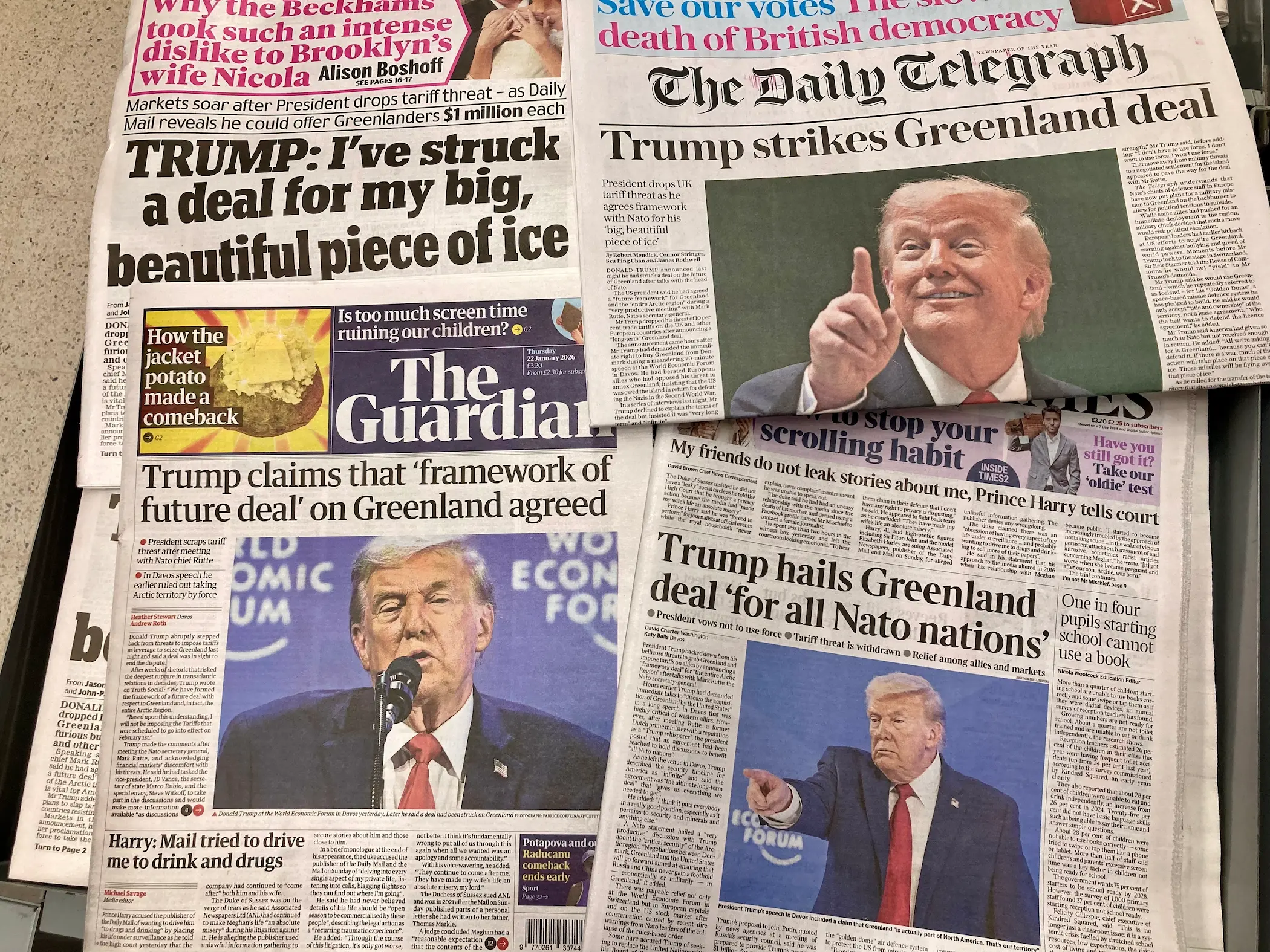
This heightened focus on islands in current U.S. policy reflects a strategic mindset that tightly links geography, military presence, and sovereignty. Within this framework, geographic locations are treated as assets that can be leveraged through acquisition or utilised as instruments of pressure and bargaining. In this context, islands are seen as discrete, manageable nodes that can be secured or defended to project influence across wider regions. This approach is evident in the handling of territories such as Greenland, Kharg Island, the Chagos Archipelago, and the Falkland Islands during Donald Trump's presidency. Against this backdrop, the present analysis seeks to unpack the geopolitical foundations and strategic drivers shaping the Trump administration’s approach to islands, positioning them as central instruments in the reconfiguration of American influence.