
Programmes
21 Aug 2026
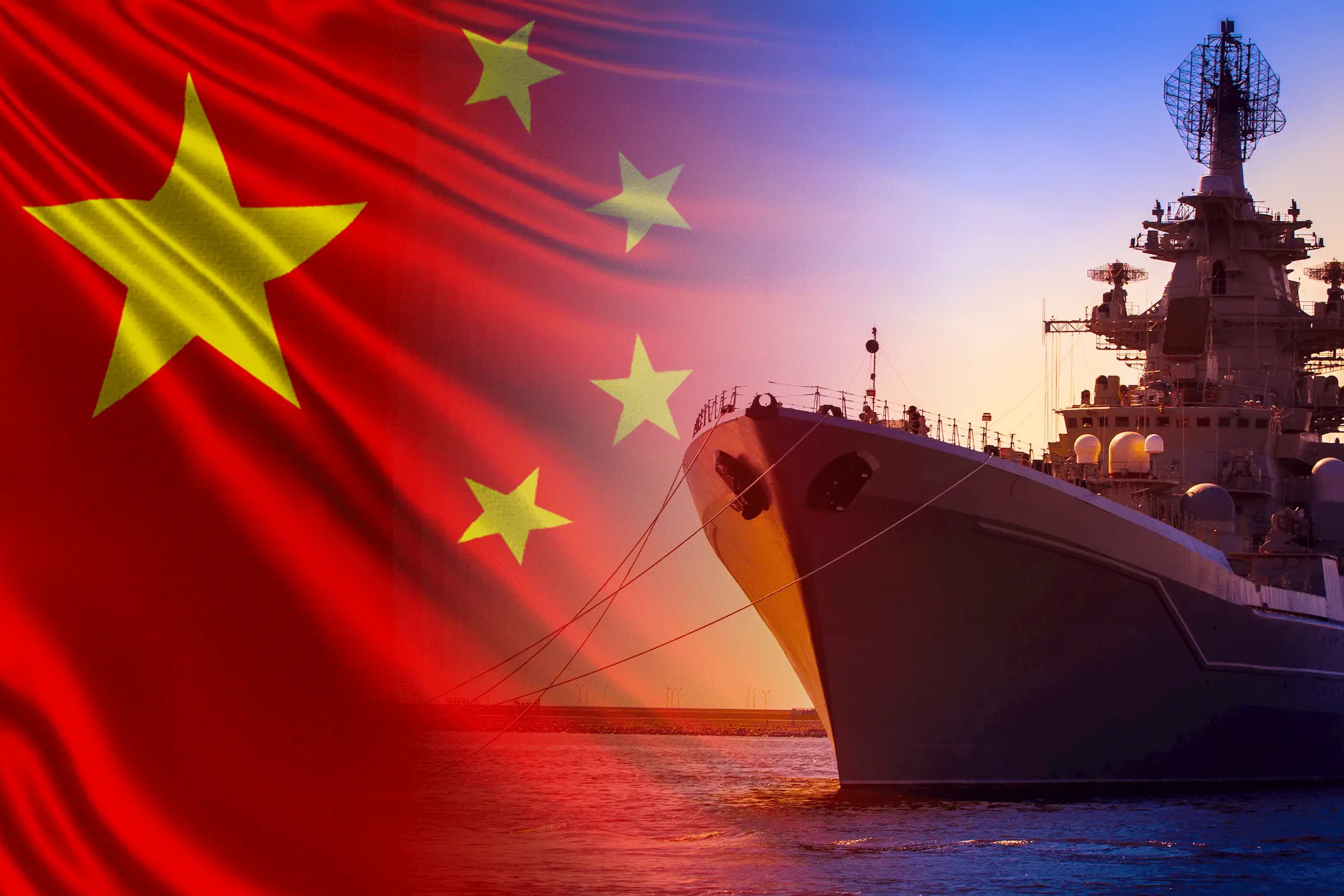
The Civilian Face of Chinese Sea Power
Hundreds of fishing boats ring a reef no one is technically fighting over. No missiles fired, no warships trading shots, just a coast guard that cannot get close and fishermen who eventually leave. Weeks later, the water functions as someone else's. China has spent over a decade building this capability: the People's Armed Forces Maritime Militia, a fleet that flies no naval flag and answers to no declaration of war, subsidized and coordinated to advance state objectives in the South China Sea without crossing the threshold that would draw in the US Navy, trigger a treaty, or unite the region against Beijing.
The significance of the militia extends beyond China's activities in the South China Sea. It provides an example of a broader trend in which civilian assets are increasingly incorporated into national security strategies. The more useful question is not what China is doing with these assets, but why this specific tool, and what it signals about how the next round of great-power competition will be fought.

Programmes
3 Dec 2024
Making Sense of Trump’s Foreign Policy
The U.S. National Security Strategy (NSS) is a comprehensive document produced by the National Security Council in conjunction with the executive branch of the United States Government for Congress and then signed by the President. The NSS mainly outlines the U.S.’s major national security concerns and how the administration intends to address them using all instruments of national power. In this context, the 2024 NSS will be one of the most crucial concerns for the President-elect Donald Trump.