
Programmes
2 Jul 2025
Trump’s Control Over His Party Falters
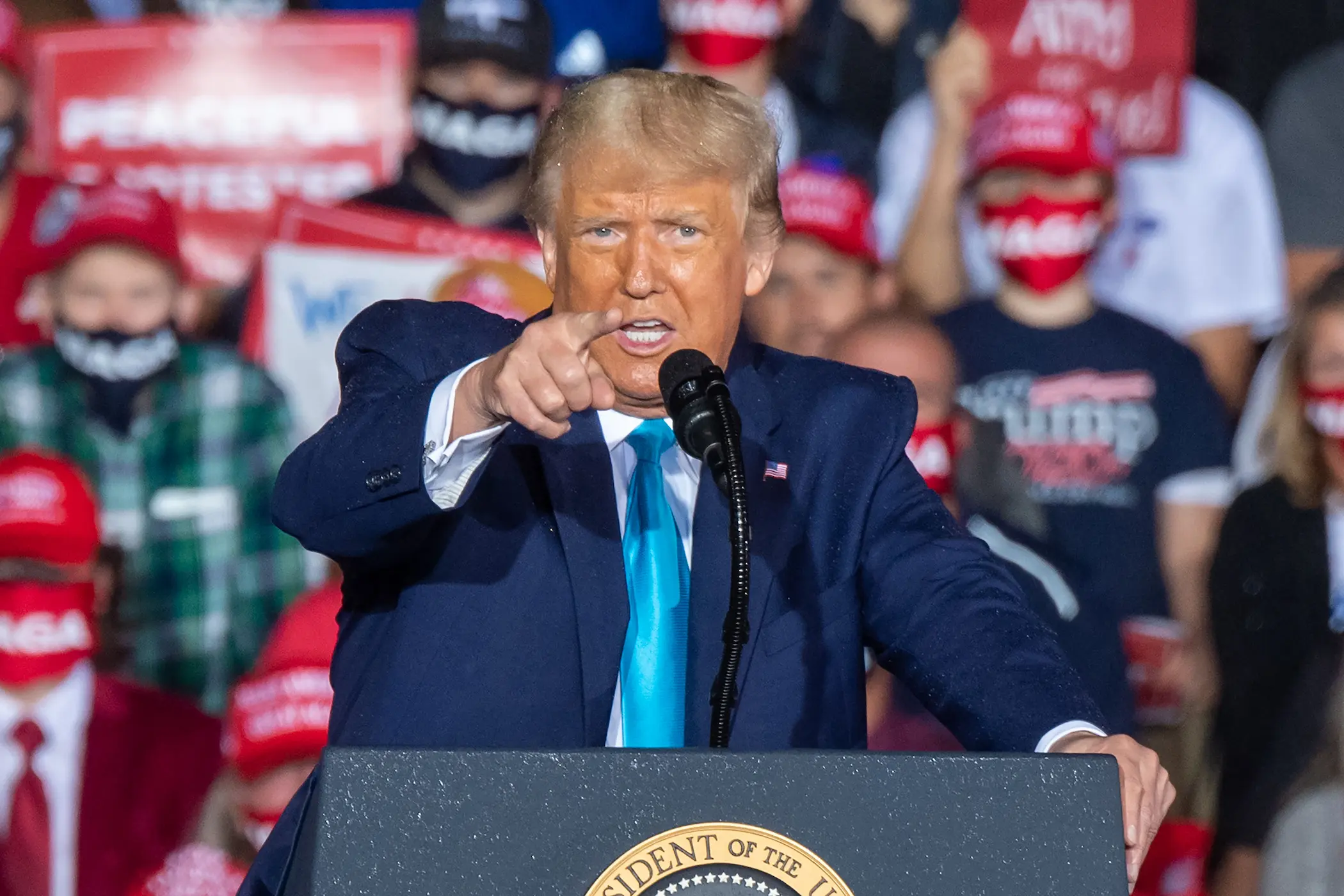
President Donald Trump’s iron grip over the Republican Party is faltering. Internal divisions over his sweeping new tax and spending bill are threatening to fracture party unity. The legislation, branded by Trump as the “Big Beautiful Bill,” is both a showcase of his populist ambitions and a flashpoint for ideological and regional rifts within the GOP that rarely come to light.
Programmes
29 Apr 2025
Canada’s Elections in the Shadow of Trump
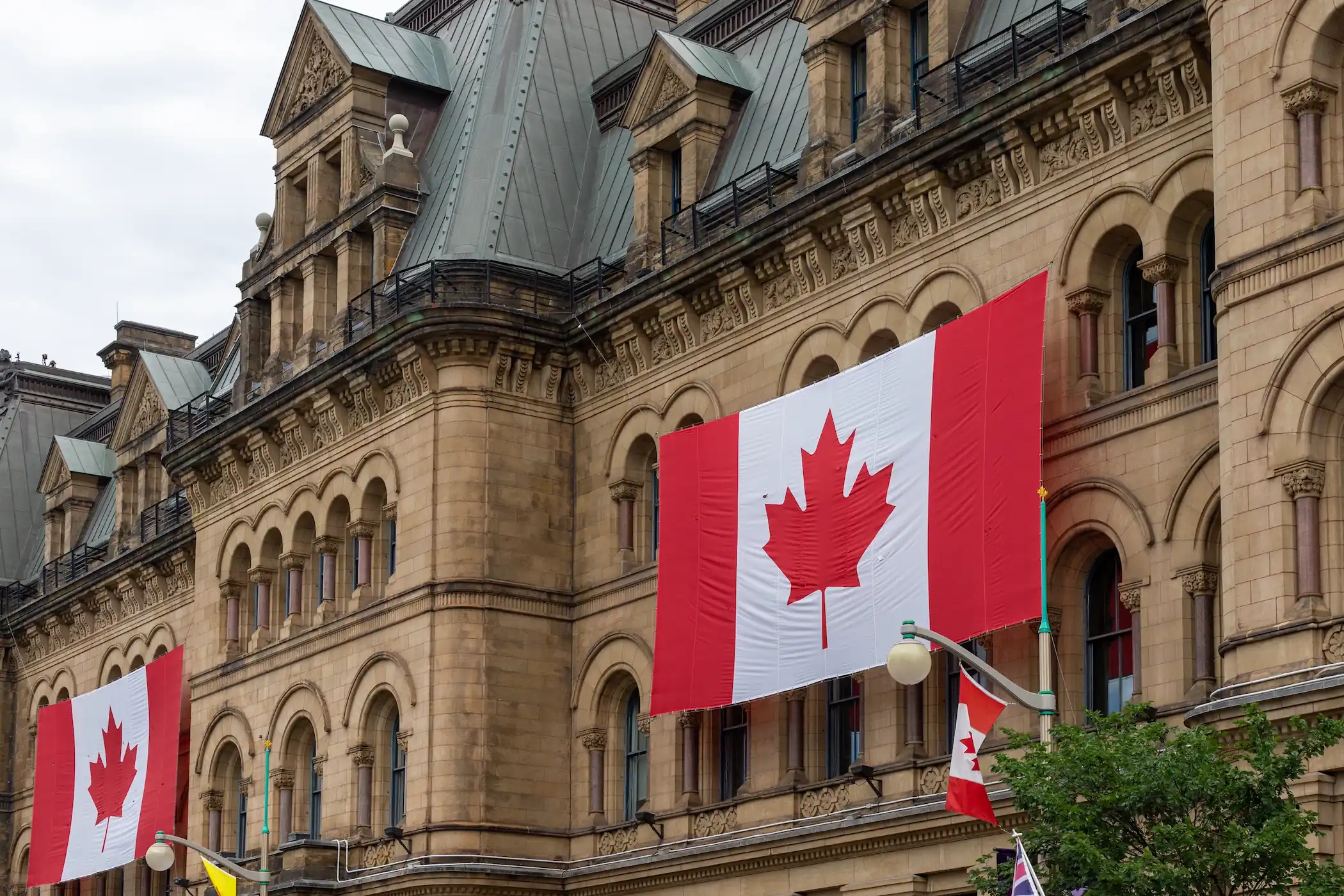
Just a few months ago, Canada’s Conservative Party was on track for a historic victory. Polls gave Conservative Leader Pierre Poilievre a commanding 25-point lead over Justin Trudeau’s deeply unpopular Liberals. After nearly a decade of Liberal rule which has been marked by rising inflation, a housing crisis, and voter fatigue, the 2025 Federal Election was shaping up to be a reckoning for the Liberals. Then Donald Trump happened.
Trump’s return to the White House brought a renewed unpredictability to U.S. foreign policy. In quick succession, he slapped tariffs on Canadian goods and floated the provocative idea of making Canada the 51st state, an idea he has consistently repeated. While many dismissed his comments as bluster, for Canadian voters they struck a nerve. These were not just insults—they were perceived threats to the country’s sovereignty, economy, and identity. As Trump escalated tensions, the focus of the election shifted almost overnight from domestic frustrations to national survival and unified Canadians against a common enemy.