

Programmes
22 Jun 2023
Rise of Medical Robotics Market: What About Safety?
Automation is becoming more common in a lot of different fields all over the world. The rise of automation has been caused by a mix of new technologies, changes in the economic conditions, and changes in society. The healthcare sector was not far from such automation where the market for medical robots has grown a lot in recent years, especially after the COVID-19 Pandemic, and it is likely to grow even more in the coming years. Medical robots help with surgeries, make medical logistics easier, and give doctors and nurses more time to focus on patients. As they become more important, the question is whether medical robots can replace doctors or just help them do their jobs better and keep patients safe.

Programmes
22 May 2023
Interview with ChatGPT: Will These Applications Bring the End of Human Knowledge?
OpenAI released its AI chatbot in November 2022. ChatGPT is able to generate text, answer questions, summarise information, and write code, the eerily human chatbot has taken the world by storm, setting the record for fastest growing application in history. It took Instagram 2.5 years to reach 100 million monthly active users and TikTok nine months. ChatGPT attracted 100 million monthly active users in less than three months.
ChatGPT becoming an internet sensation has created fascinating use cases from writing high school essays to passing business and medical schools’ exams. Its usage has also brought about a slew of ethical concerns related to data privacy, content ownership, and its potential to disrupt nearly every job market. I sat down with ChatGPT to see what it had to say for itself.
Programmes
26 Apr 2023
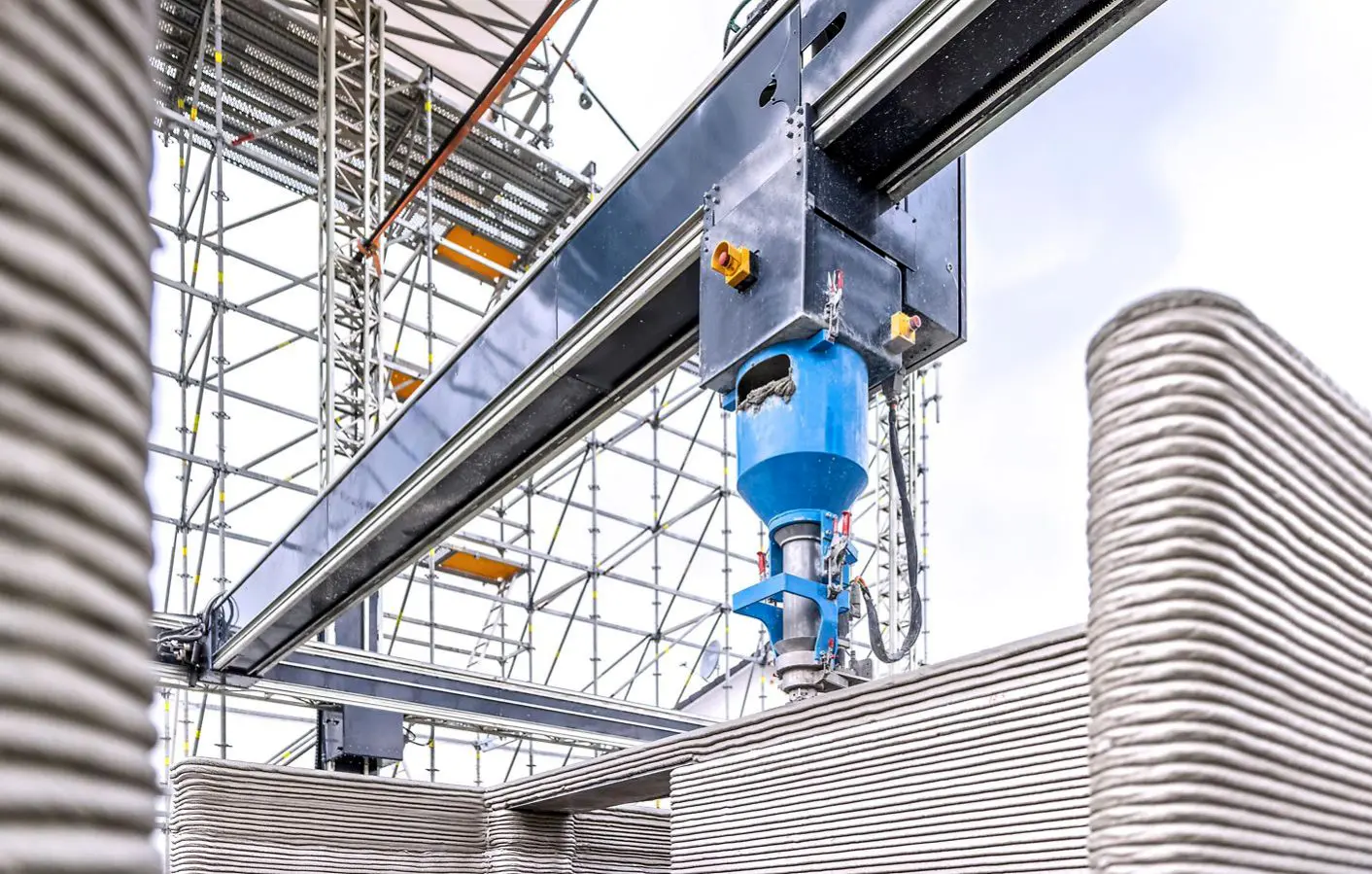
Hey Siri, Build a House: 3D Printing in Construction
Humanity’s ability to create permanent structures has been an essential part of civilization for thousands of years and was crucial for our transition from hunter-gatherers to settled peoples. As groups of people settled down in a single place, we have had to advance construction techniques and technologies to further the development of our societies, our ability to advance construction techniques has led to the creation of structures that inspire humanity and continue to push the boundaries of what we think is possible.
Recently however, the construction industry has been slow in adopting new innovations that have helped revolutionize other industries, at a time where it is expected that 300 million new homes are needed by 2030 and construction related activities contributed to 37% of global CO2 emissions in 2021, the need to adopt new technologies that will increase efficiency and reduce emissions is of paramount importance and 3D printing has been touted as the solution to the construction industry’s woes.
Publications
2 Apr 2023
Restoring Balance: Impacts of Automation on UAE Labour Force
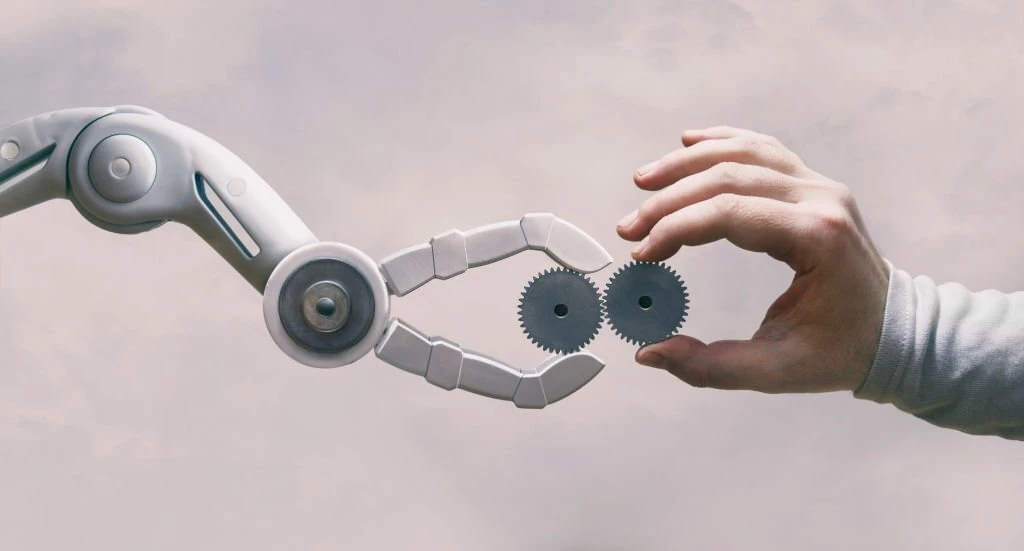
According to the McKinsey Global Institute report between 400 million and 800 million people worldwide could be displaced by automation and need to find new occupations by 2030, with 75 million to 375 million of those affected need to move to another new jobs and learn new skills.
Over the last two decades, there has been a surge in interest in automation and digital technologies, as well as their implications for our societies. Several writers have calculated experimentally the impact of automation technologies on employment and people by examining technology adoption at the business or industry level in previous years and related this to labour market outcomes, but their conclusions have been mixed. Some studies find that automation technologies positively impact employment, while others show that they have a negative impact.
Our study examined the impact of automation on UAE in terms of demographics, employment and economic sectors by implementing several scenarios of automation. These scenarios revealed that, in most cases, automation will positively impact UAE in terms of some macroeconomic indicators, and will lead to its economic growth and stability. Finally, we provided some recommendations that will enhance and facilitate the transition to automation in the UAE.