

Programmes
3 Mar 2026
Between Maduro and Khamenei: Has Artificial Intelligence Replaced Human Intelligence?
The first quarter of 2026 marked a strategic turning point in the deployment of hard power and the management of geopolitical interaction. For decades, computing technologies remained largely confined to operational support roles, such as processing intelligence data or guiding precision munitions. January and February, however, witnessed a structural shift as military planning moved away from human-dependent decision cycles toward managing autonomous algorithmic kill chains. This transformation was formally articulated in the “Artificial Intelligence Acceleration Strategy” issued by the United States Department of War (DoW) on Jan. 9 2026. The directive aims to entrench American military dominance by rapidly integrating AI across warfighting, intelligence, and enterprise operations, while transforming the defence apparatus into what officials describe as an “AI-first” military structure.
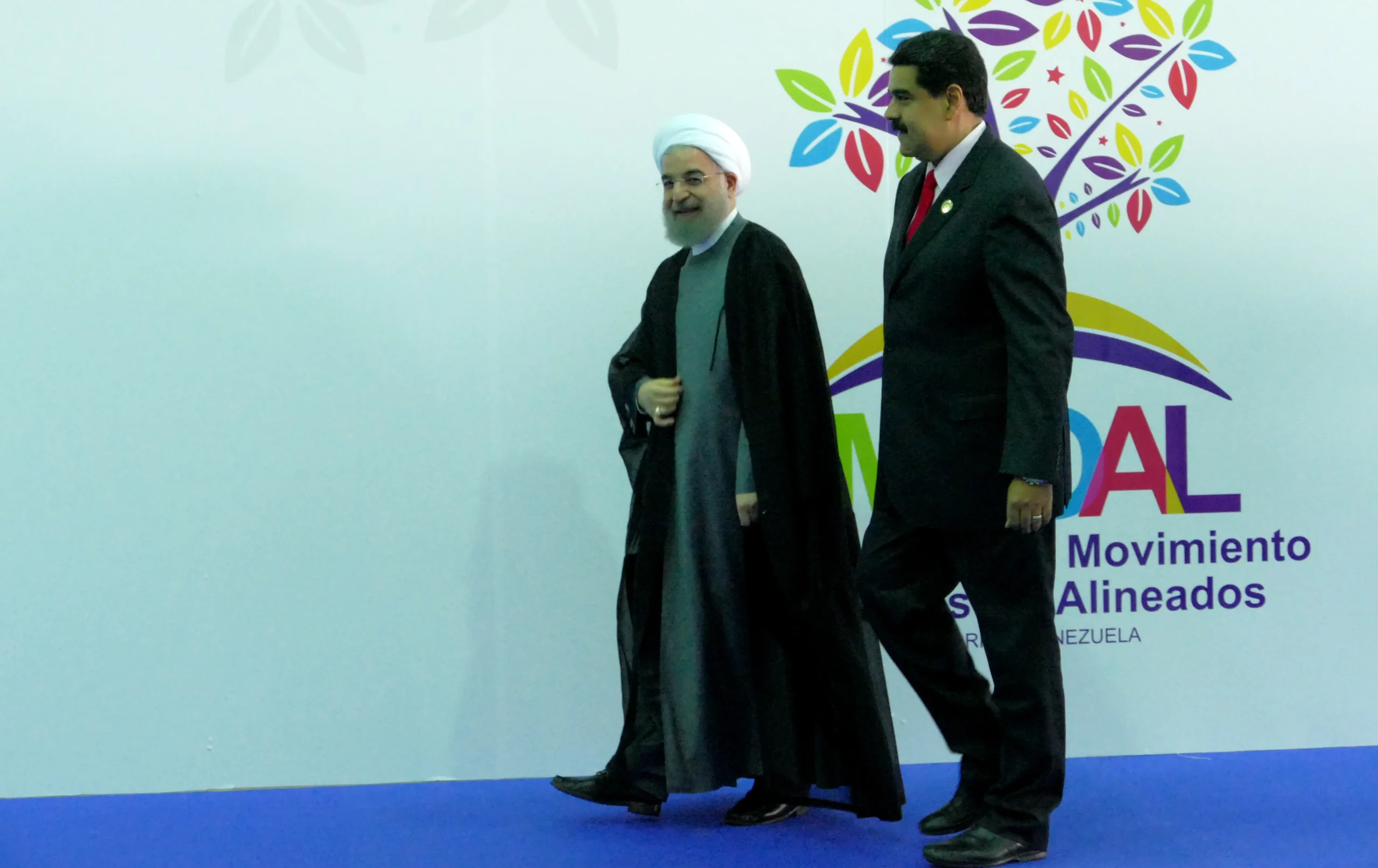
This doctrine rested on strict operational parameters prioritising overwhelming lethality, rapid execution, and objective-driven systems that place mission success above all other considerations, deliberately excluding social and political variables from algorithmic decision cycles to ensure decisive superiority in battlefield decision-making. This shift was reflected in two unprecedented operations: the capture of Venezuelan President Nicolás Maduro during Operation Absolute Resolve in January 2026, and the decapitation strike targeting Iran’s Supreme Leader Ayatollah Ali Khamenei during Operation Silent Holy City, conducted within Operation Epic Fury in February 2026.
These operations reflected the integration of large language models, dynamic data architectures, tactical assessment algorithms, and autonomous unmanned systems, fundamentally transforming the speed, precision, and geopolitical cost calculus of neutralising high-value targets. Together, they signal that AI has moved beyond a supporting analytical role to become a strategic architect of the battlespace and a driver of kinetic execution.
Programmes
12 Jan 2026
The Collapse of the Western Flank: The Implications of Maduro’s Fall for Iran
Operation Absolute Resolve, which resulted in the removal of Nicolás Maduro and his spouse Cilia Flores on Jan. 3, 2026, constituted a watershed moment in the history of 21st-century geopolitical warfare. While initial indicators point to a seemingly limited regime change within Venezuela, the strategic repercussions of the operation inflicted severe damage on Iran’s forward-operating capabilities. For nearly two decades, Venezuela was not merely a diplomatic partner of Tehran; it served as an indispensable logistical bridgehead and a secure sanctuary in the Western Hemisphere. Through this platform, the Iranian regime was able to circumvent international sanctions, project asymmetric influence, and sustain a critical financial lifeline through illicit trade.