
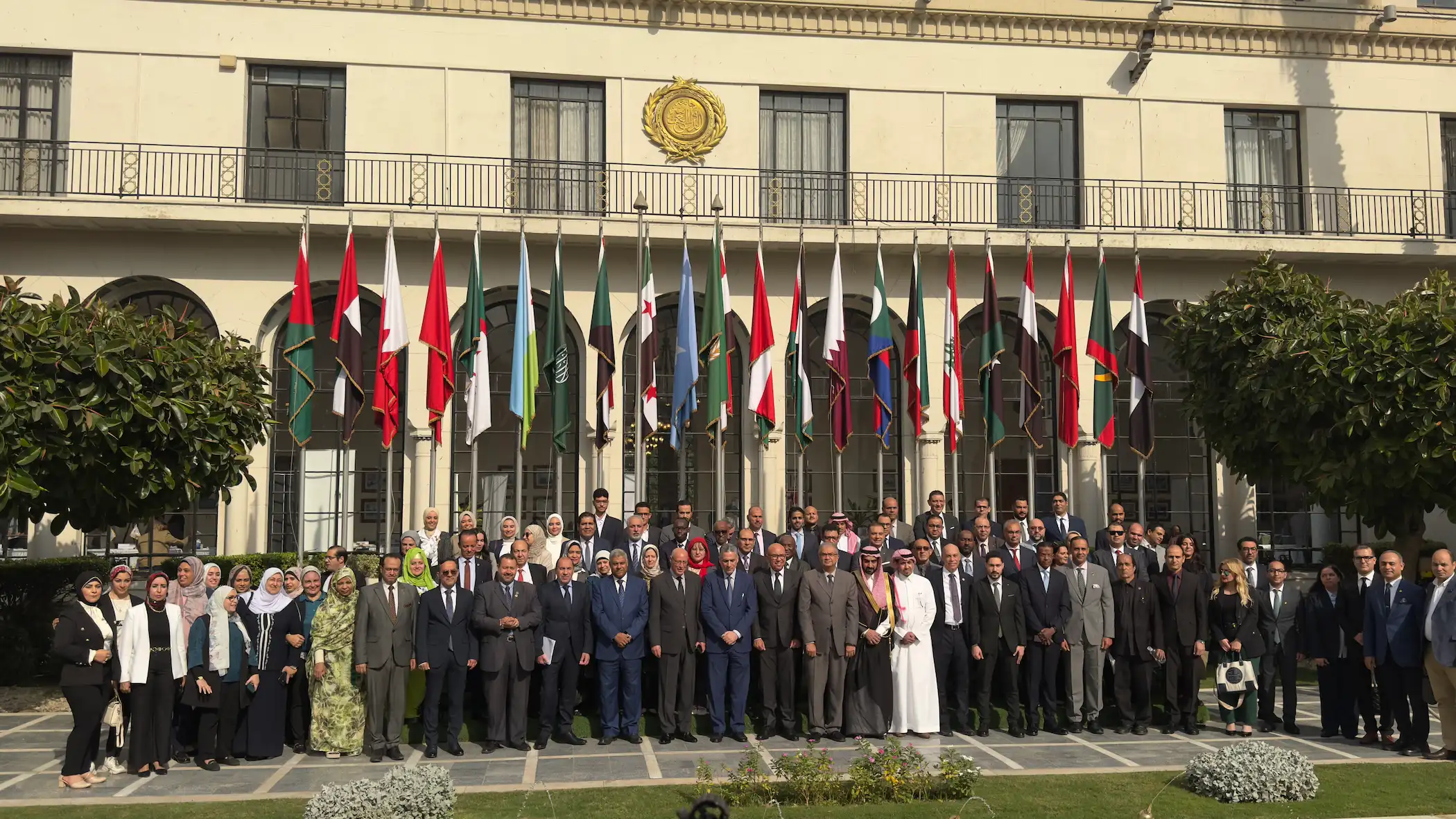
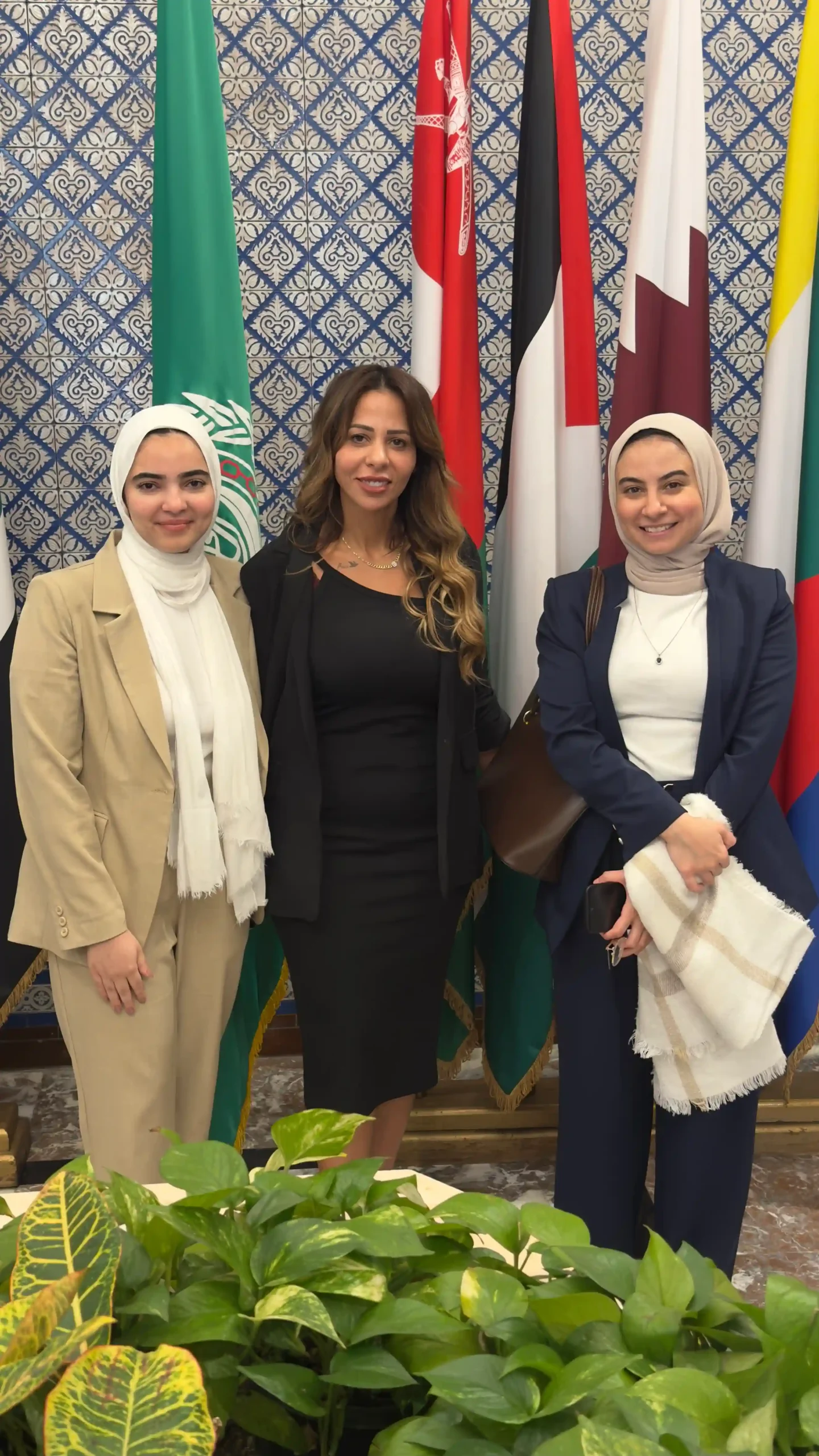
Al Habtoor Research Centre (AHRC) was invited to participate in the Third Annual Arab Think Tanks Forum under the theme: The Role of Think Tanks in Employing Artificial Intelligence (AI) Technologies to Enhance Informed Decision-Making, held on November 23 and 24, 2025, at the headquarters of the General Secretariat of the League of Arab States (LAS). AHRC was represented by its General Manager Dr. Azza Hashem and researchers Farah Aburaya and Rawan Khodeir. The Forum focused on think tanks' utilisation of AI technologies in research and analysis, exploring tools, techniques, and opportunities for the effective usage of AI tools by various think tanks. In addition to the challenges and risks associated with Arab think tanks' use of AI technologies.
Day 1
AI in Think Tank Research: Tools, Techniques, and Emerging Opportunities
The first day of the Third Annual Arab Think Tanks Forum commenced with a series of opening activities that set the tone for the discussions on AI and its role in research. The programme began with an introductory film that highlighted the objectives, evolution, and growing impact of the Annual Forum of Think Tanks, offering participants a comprehensive overview of the event’s purpose and aspirations.
This was followed by welcoming speeches from His Excellency Ambassador Ahmed Rashid Khattabi, Assistant Secretary-General and Head of the Media and Communication Sector, and Minister Plenipotentiary Dr. Alaa Al-Tamimi, Director of the Department of Research and Strategic Studies at the LAS, that underscored the importance of strengthening collaboration among Arab research institutions, particularly in the context of rapid technological advancements.
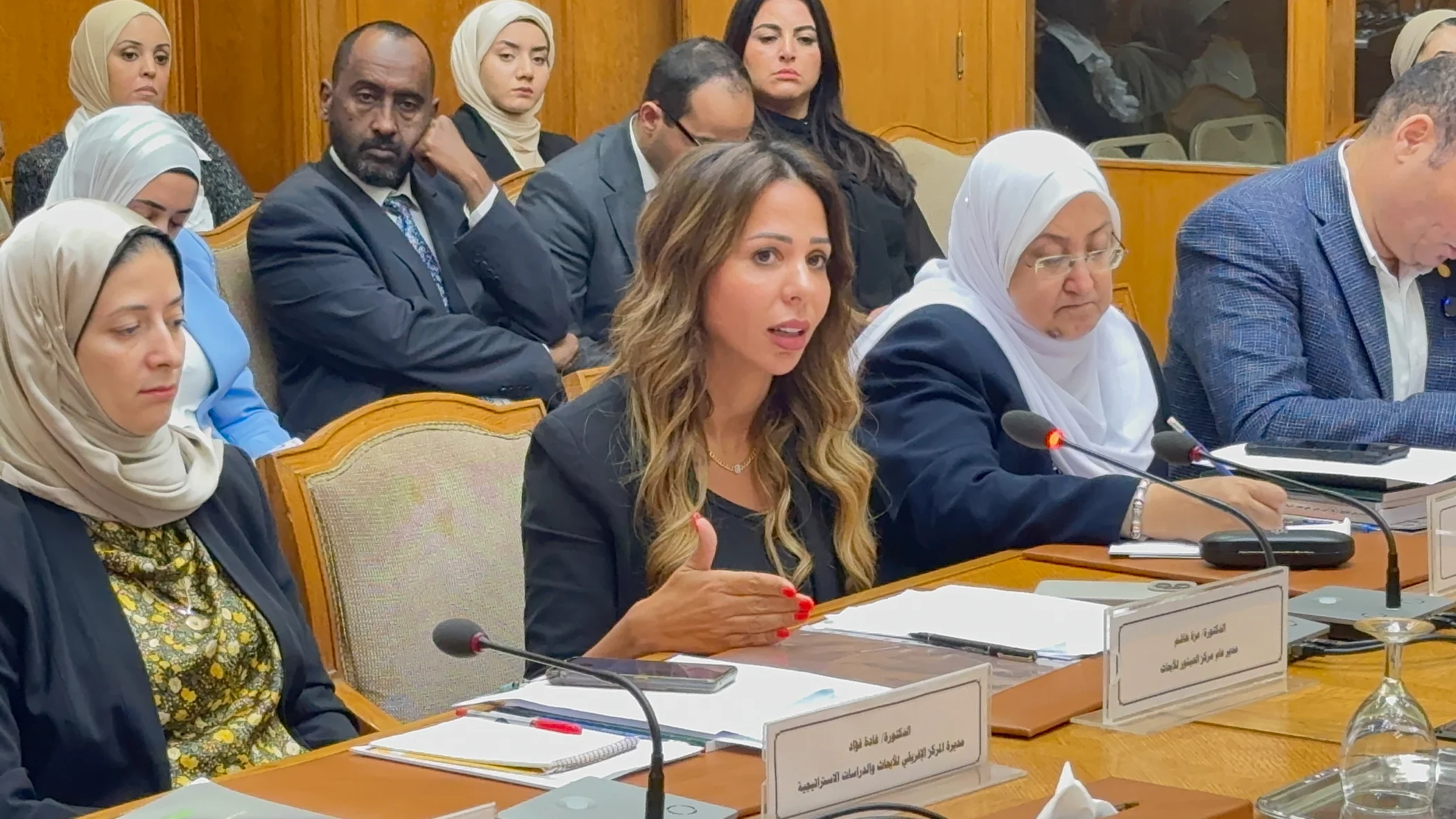
AHRC’s General Manager, Dr. Azza Hashem, noted in her talk the importance of think tanks in keeping pace with the rapid developments in AI through a reference point embodied in an ethical document that governs the performance of researchers and the limits of their use of AI tools. She also tackled the efforts of AHRC to put an ethical framework for the utilisation of AI tools in the research work.
Dr. Azza emphasized the crucial point that AI is a tool to assist researchers, not to replace the analysis process. Furthermore, she addressed the changes that occurred to the researcher’s criteria to include the full understanding of AI tools and how to use them to enhance the research to be more comprehensive in the modern age of artificial intelligence.
Day 2
Enhancing AI-Powered Decision-Making: Challenges and Risks in Think Tanks’ Use of AI Technologies
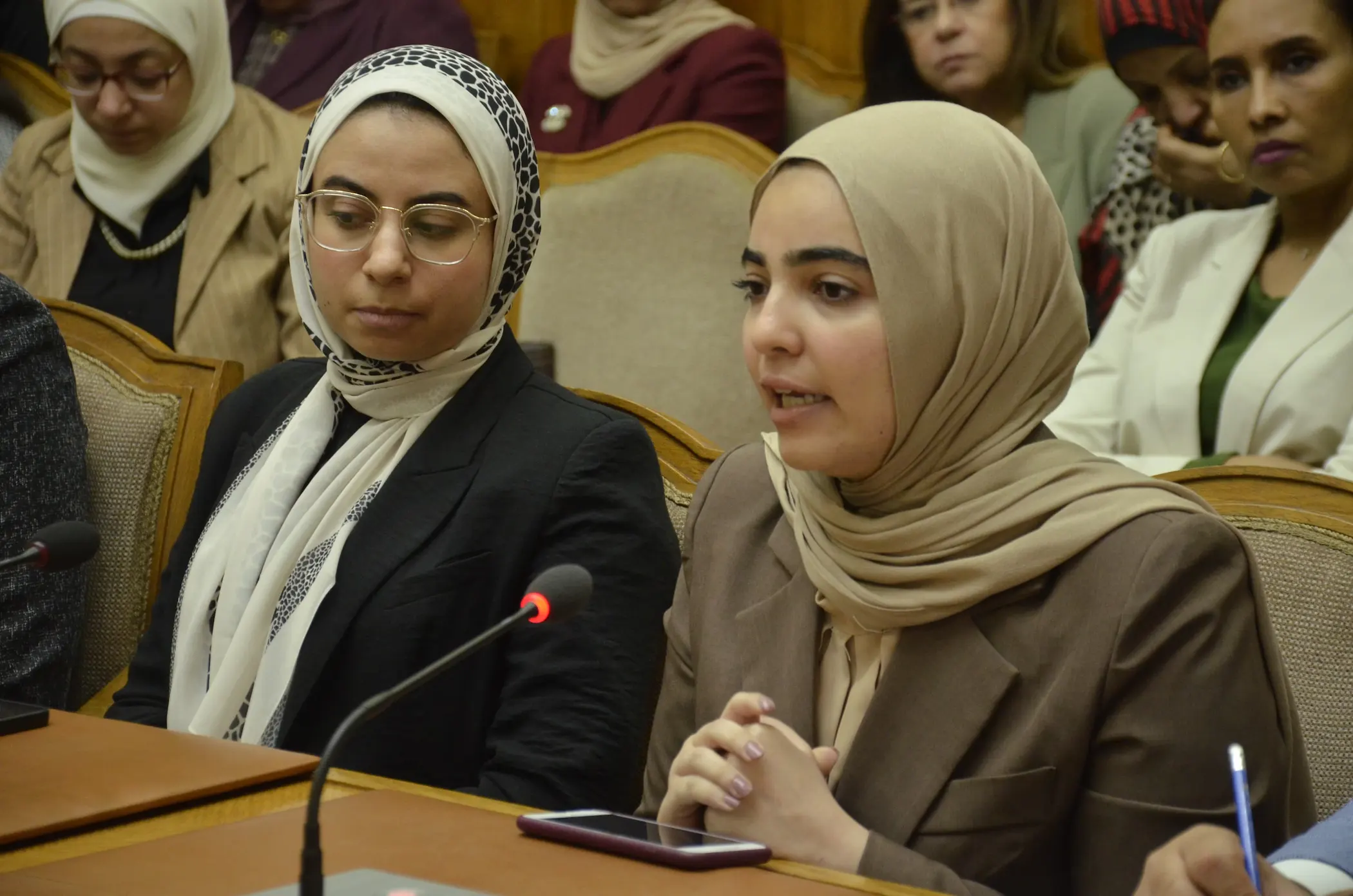
During AHRC’s participation in the second session, AHRC researchers, Farah Aburaya and Rawan Khodeir, presented the results of the research paper submitted by AHRC. The paper answered the Forum’s main question of whether think tanks are ready to integrate AI into research, suggesting several practical pathways where think tanks can responsibly leverage AI to enhance research quality and operational efficiency.
AHRC’s researchers outlined practical pathways for responsible AI use. They emphasized developing internal AI policies and codes of practice to ensure transparency in final outputs; implementing human oversight and verification mechanisms to safeguard accuracy and credibility; providing staff training and capacity-building to increase researcher AI literacy; categorising research activities according to risk level and linking them to AI usage percentages; defining the institution’s role in approving vetted AI tools that meet minimum security and compliance standards; disclosing AI usage in publications; employing hybrid analytical models combining AI and expert input; and finally emphasising the importance of continuous evaluation and ethical feedback loops.
 2
2

Read More From The Blog




Comments