
Programmes
14 Jul 2026
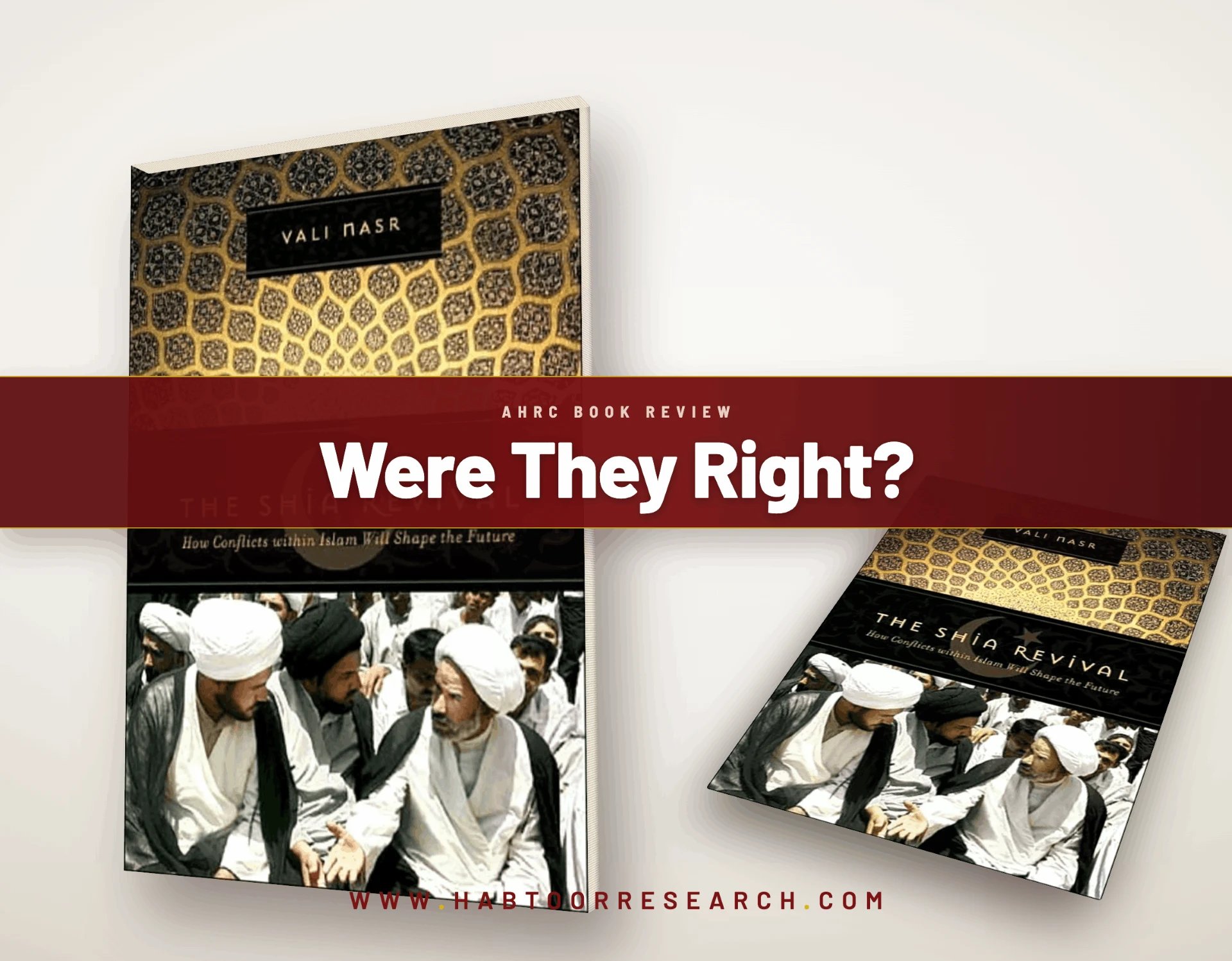
Vali Nasr and The Shia Revival: A Permanent Ascent, or a Passing Moment?
Political Forecasting almost always remains open to doubt, at least until events place it under the unforgiving test of reality. In the series Were They Right?, we take a retrospective path: returning to the analytical record of the past to examine what experts anticipated, then confronting those forecasts with the hard facts of the present in order to identify what truly endured. And today, we place Vali Nasr under a precise analytical lens, weighing the framework of The Shia Revival against the empirical record of Iran’s strategic contraction in the wars of 2024–2026.
Programmes
23 Jun 2025
Will the Houthis Intervene?
On June 22, the United States attacked three main nuclear facilities in Iran (Fordow, Natanz, and Isfahan), claiming that these strikes were successful and incapacitated the facilities. Following this attack, Iran fired a new wave of ballistic rockets at Israel while pledging to respond more fiercely to the U.S. attack. The degree of Iranian retaliation will be determined on whether the U.S. was successful in its attempt to completely destroy Iran's nuclear programme.
If Iran managed to move the enriched uranium into new safe places before the attack, or if these materials are being safely stored in the same facilities underground, beyond the reach of the U.S., the Iranian retaliation might be limited. However, if these materials have been destroyed, it is expected that Iran will retaliate strongly, as the U.S. and Israel have crossed the red lines that Iran has already set. In this case, Iran will tend to activate its proxy groups in the Middle East and get them involved.