
Programmes
3 Jul 2026
Red Alert: Will Russia Stage an Armed Provocation Against Poland?
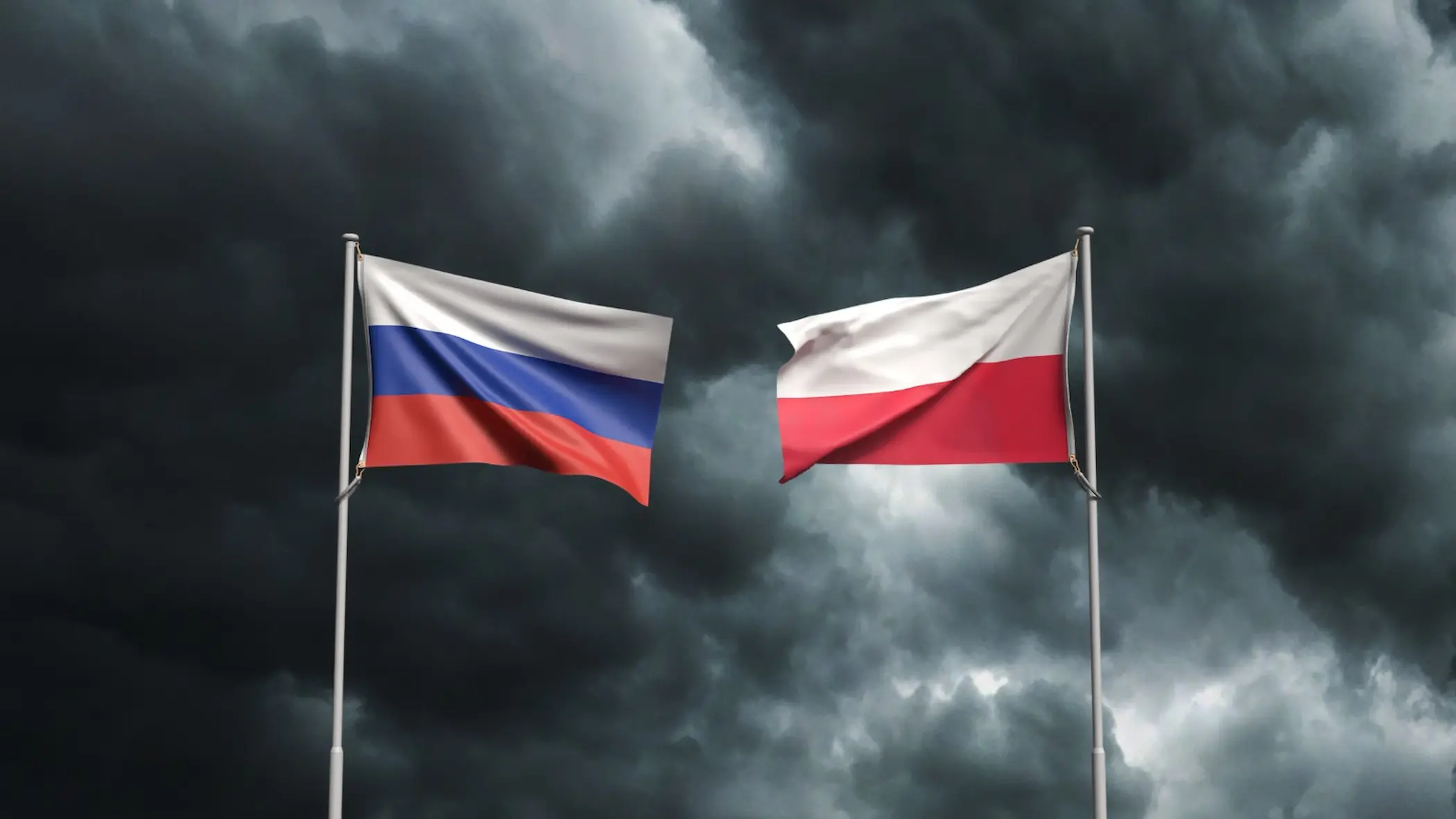
On July 3, reports emerged that the United States has warned Warsaw of a possible Russian armed "provocation" against Poland, designed to test NATO's resolve. According to sources close to Polish President Karol Nawrocki, cited by the Polish outlet Onet, Washington has repeatedly signaled that such an operation could be launched within a matter of months. The scenarios under discussion range from missile or drone strikes on Poland's critical infrastructure to a limited crossing of Russian soldiers into NATO territory. This raises a critical question: is Moscow preparing to directly test Article 5 of the North Atlantic Treaty?
A provocation of this kind would differ fundamentally from a conventional invasion. It would be deliberately calibrated to remain below the threshold of open war — ambiguous enough to sow hesitation among allies, yet aggressive enough to force a response. Though limited in scale, its consequences for European security and the global order could be profound.
Programmes
29 Jun 2026
Ankara’s Defensive Rise: A New NATO Path?
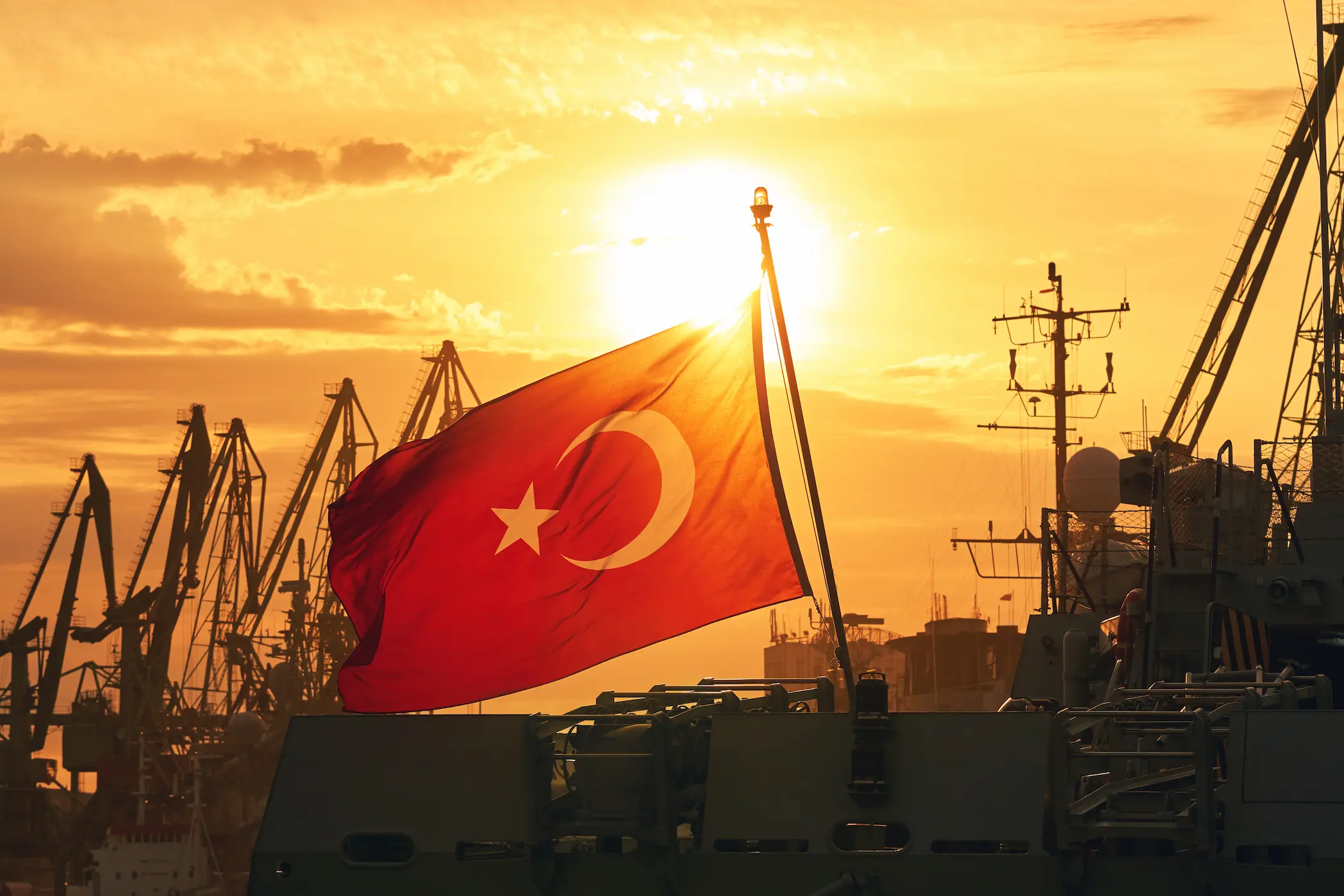
Turkey’s rise as a defence-industrial power is no longer a peripheral subplot in NATO politics. It has become a structural development with implications for how the alliance equips itself, how regional powers diversify procurement, and how strategic influence is exercised between Europe, the United States, and the Middle East. While much of the public discussion around NATO still revolves around burden-sharing targets and the Russian threat, a more consequential transformation is unfolding in parallel: Turkey is building a defence-industrial corridor that links alliance demand, regional export markets, and domestic technological ambition.
The timing gives this argument unusual weight. Turkey is set to host NATO leaders in Ankara on 7–8 July 2026, a moment that places its political role and industrial trajectory under the same spotlight. That summit matters not simply because it will convene alliance leaders in the Turkish capital, but because it comes after a period in which Turkey’s defence sector has expanded in scale, deepened in sophistication, and broadened its customer base across Europe, the Gulf, Africa, and Asia.
What emerges from this trajectory is not a Turkish substitute for NATO, nor a coherent anti-Western bloc inside the alliance. It is something more complex and, in strategic terms, more significant: an alternative source of military capability inside NATO that others can increasingly use when Washington or Brussels appear too slow, too restrictive, or too politically encumbered. In that sense, Ankara is not building a rival alliance. It is building an alternative industrial lane within the existing one.

Programmes
9 Dec 2025
NATO’s Strategic Dependence on Batteries
Across NATO, the next generation of forces is being built around a decisive shift toward replacing fuel-based systems with electricity and high-performance batteries. From unmanned systems and smart munitions to mobile command posts and sensor networks, the Alliance’s deterrence posture is becoming electric. The move promises faster deployment, reduced noise signatures, and fewer supply convoys. Yet, beneath this technological progress lies a growing structural risk.
Every step toward electrification deepens NATO’s exposure to fragile supply chains and volatile critical-mineral markets. Batteries are now the linchpin of power projection, but also a potential weak point in it. The Alliance’s ability to fight, deter, and coordinate operations could hinge on materials mined or processed far from NATO’s control. As warfare becomes increasingly digital and electric, NATO faces a strategic challenge of a new kind: not how to innovate faster, but how to secure the energy backbone of its deterrence, and prevent the tools of modernisation from becoming instruments of dependency.
Programmes
23 Mar 2023
A Window of Opportunity: A Reading of Turkey’s Position on Sweden and Finland’s NATO Membership
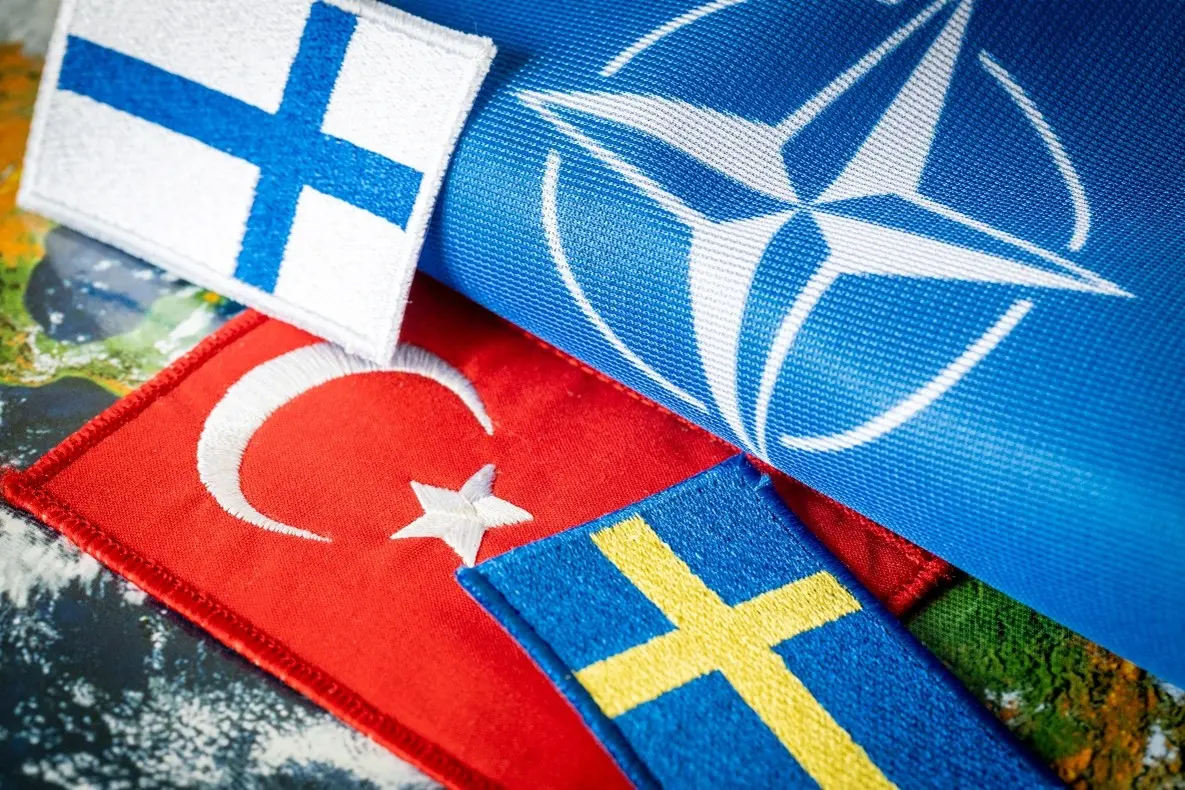
The North Atlantic Treaty Organization (NATO) philosophy is based on promoting peace and stability and protecting the security of its members through a European and North American defence alliance. The alliance enjoys an "open door policy" whereby any European country willing to undertake the obligations and commitments of membership is welcome to apply for membership. Any decisions on expansion must be approved by a unanimous vote of the current 30 members. The essential feature of the alliance is Article 5 of the Washington Treaty on Collective Defence, which establishes NATO as a powerful alliance that guarantees security by the military response and protects any member state if it is attacked.