
Programmes
2 Jul 2026
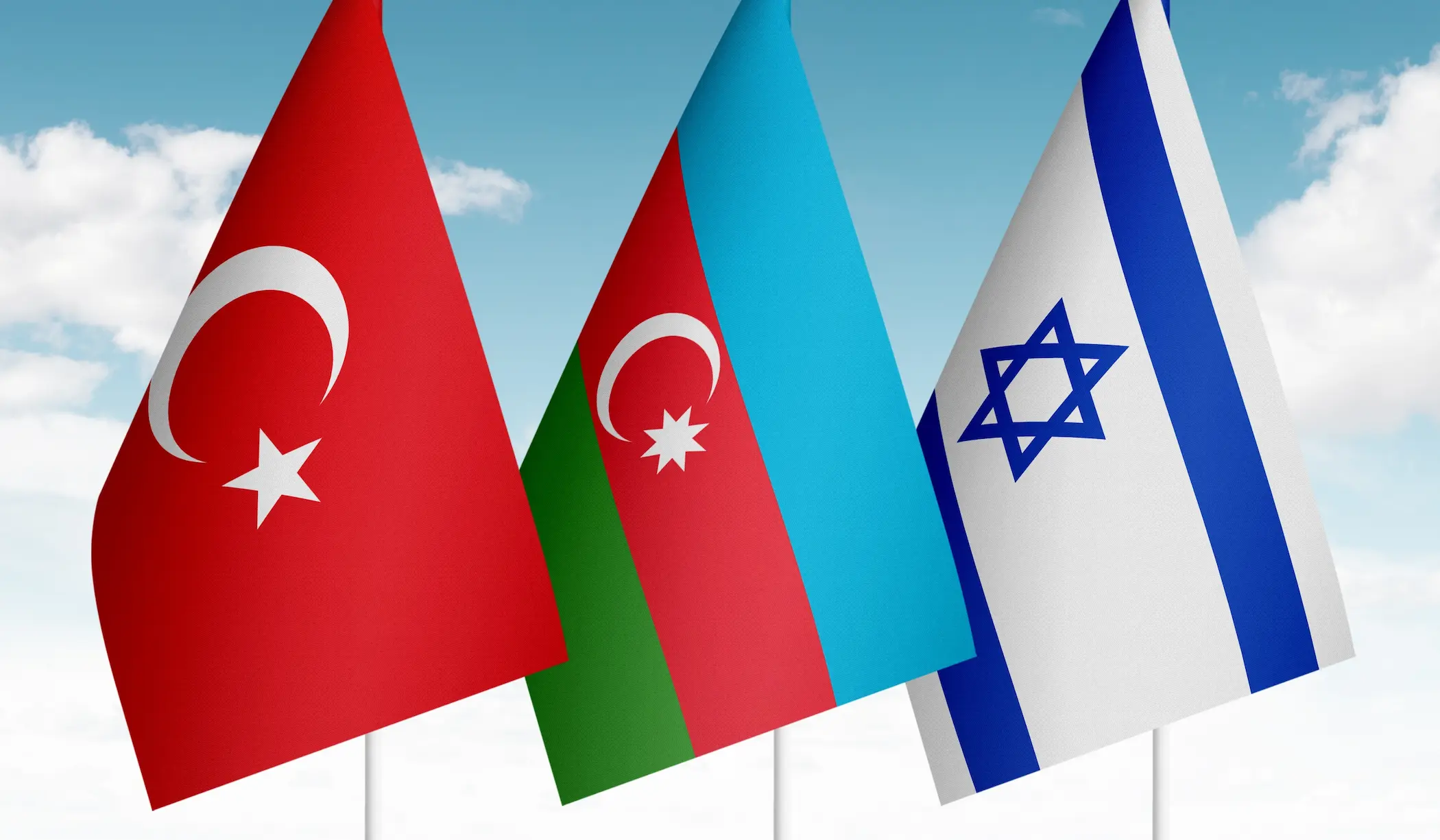
Contradictions Triangle: How Israel’s Recognition of the Armenian Genocide Reshaped the Geopolitics of the South Caucasus
For more than three decades, Israel maintained a policy of strategic ambiguity towards the Armenian Genocide, deliberately withholding formal recognition despite mounting domestic calls—from parliamentarians and academics alike—for a definitive official position. This reluctance was neither accidental nor driven by historical uncertainty. Rather, it reflected a carefully calibrated strategy aimed at safeguarding a complex web of vital national interests. Official silence helped preserve Israel's close strategic partnerships with both Turkey and Azerbaijan, secure the uninterrupted flow of energy supplies and critical trade routes, and protect its sensitive intelligence footprint along Iran's northern frontier.
That strategic equilibrium was abruptly overturned in June 2026, when the Israeli government formally recognised the Armenian Genocide. The decision triggered an unprecedented backlash from Azerbaijan, which swiftly denounced it as a distortion of historical facts lacking any legal or scholarly foundation, while demanding that Israel immediately reverse its position. At that moment, the contours of a profound strategic contradiction came sharply into focus. Although Israel presented the move as a moral and historical obligation, the broader geopolitical context pointed instead to predominantly political and retaliatory calculations. In a single decision, Tel Aviv opened itself to direct confrontation with Turkey and a quieter, yet strategically significant, rift with Azerbaijan, while simultaneously creating an opportunity for Iran to exploit the emerging fractures and weaken Israel's extensive strategic influence along its northern frontier.

Programmes
10 Feb 2025
Turkey and Iran: Commonalities and Contradictions
Following the Arab Spring, Turkey and Iran started expanding their influence in the region, utilising the state of instability. While both countries compete over expanding influence in Syria, Iraq, and Azerbaijan, they managed to maintain strong mutual relations. The analysis examines foreign policy tools employed by both countries to maximise their benefits along with analysing the commonalities and differentiation of interests between them in the Middle East.

Programmes
19 Nov 2024
COP 29: Another Missed Opportunity for Action?
Despite a 2009 pledge to mobilise $100 billion annually by 2020, this commitment remains largely unmet, hindering adaptation and mitigation efforts. The 2015 Paris Agreement, while aiming to limit global warming, faces implementation challenges due to insufficient pledges and a lack of accountability. Developed countries, bearing historical responsibility for the climate crisis, must assume a leading role in mitigation and provide adequate financial support. Unfulfilled pledges perpetuate a cycle of vulnerability in the Global South, exacerbating the impacts of extreme weather events and rising sea levels. Climate change poses a challenge to sustainable growth in a number of industries and is not just an environmental concern. It is also an economic one. Insufficient investment for climate change exacerbates problems including growing debt in developing countries, decreased agricultural productivity, food insecurity, and volatility in sectors like tourism. These issues, which are linked to global accords like the Paris Agreement, are pressing and need to be addressed.