
Publications
18 Jun 2026
The Mirage of Safe Geography: How Buffer Zones Have Become a Military Liability for Israel
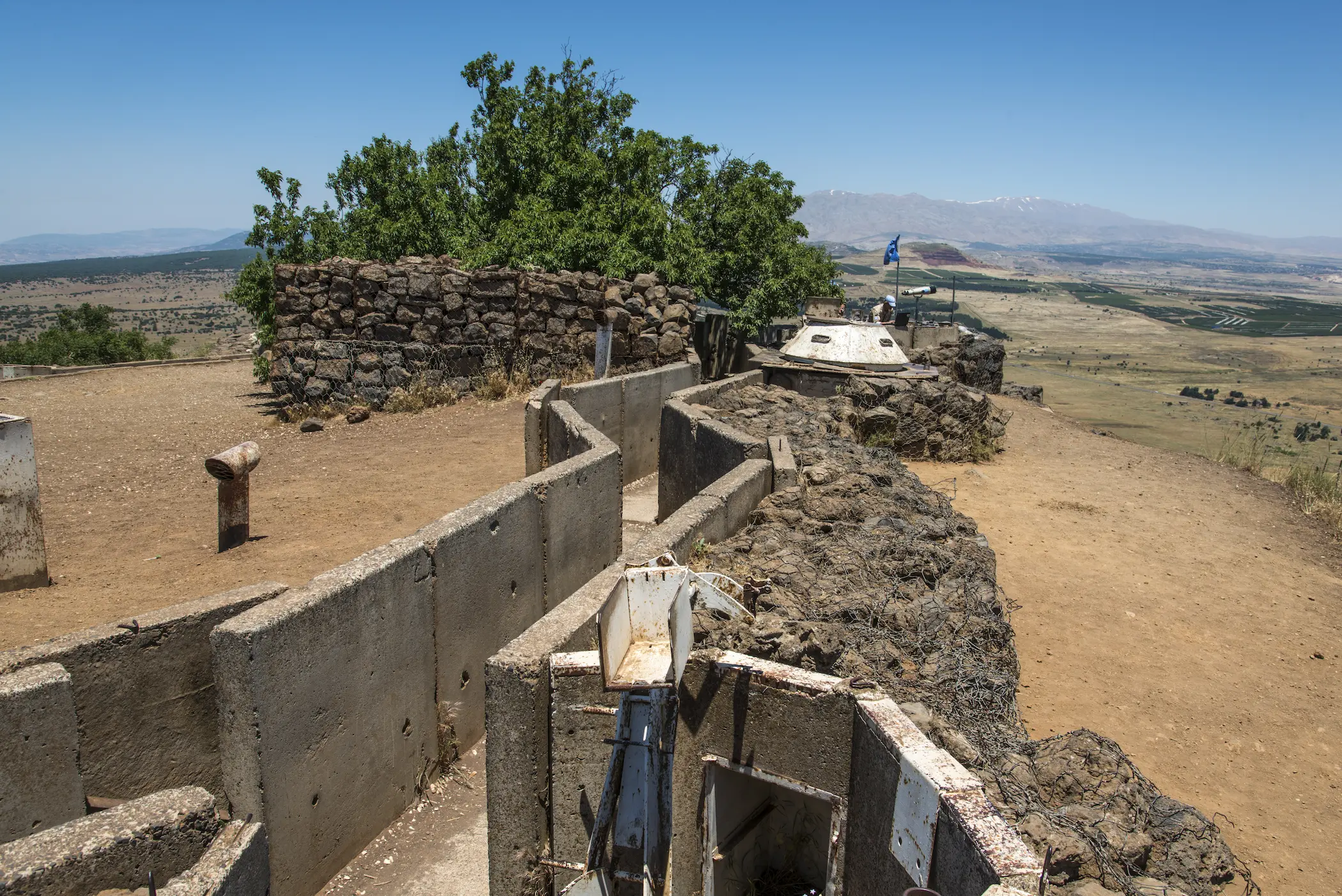
The Middle East has undergone profound shifts in its security and geopolitical landscape following the major events that began on 7 October 2023 and continued to unfold through 2026. At the heart of these shifts lies a fundamental transformation in Israeli military doctrine. For many years, Israel relied on rapid pre-emptive strikes and advanced technologies to sustain remote defence without requiring permanent control over new territory. However, the unprecedented breaches of its borders have fundamentally altered this strategy. Israel has now moved towards direct physical control over parts of Arab territory and has begun constructing a broad, contiguous belt of buffer zones extending from the Gaza Strip in the south and southern Lebanon in the north to the Syrian Golan Heights.
Historically, buffer zones were understood as demilitarised and relatively calm spaces designed to separate conflicting parties and prevent direct friction. Israel, however, has fundamentally redefined this concept, transforming such zones into instruments of absolute security control. Through this approach, it seeks to create fortified military spaces that provide strategic depth, eliminate cross-border threats and tunnels, and push the battlefield entirely away from its cities and population centres.
Despite the clarity of these objectives, this approach places Israeli military planners in a genuine dilemma. The permanent deployment of large infantry and armoured forces within hostile and volatile areas threatens to turn these belts—intended to serve as secure zones—into arenas of sustained and costly military attrition. Against this backdrop, this analysis raises a central and fundamental question: do these border strips constitute a genuine security buffer capable of ensuring Israel’s long-term survival and security, or have they already become a trap that steadily drains its capabilities day after day?
Programmes
1 Apr 2026
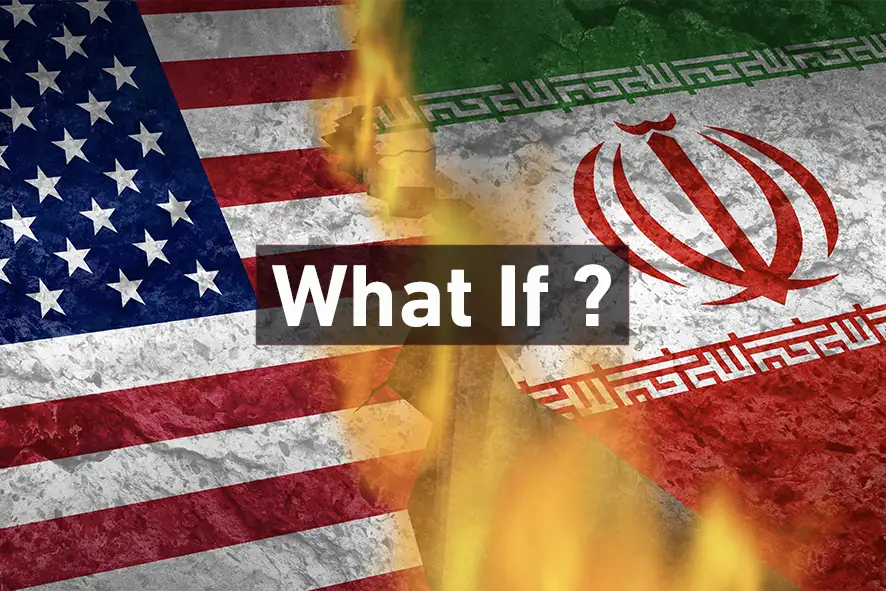
What If: The United States Launched a Ground Invasion of Iran?
In light of the intensifying United States–Israel-Iran War, the prospect of a direct American ground operation has shifted from a remote contingency to a plausible escalation. As strikes expand beyond air and naval targets to critical infrastructure, the conflict is approaching a threshold that could fundamentally alter its trajectory, with risks extending from prolonged warfare to disruption of global energy flows and regional instability.
While Washington may aim for limited objectives through targeted ground incursions, such as seizing key assets like Kharg Island, such operations are unlikely to remain contained. President Trump has acknowledged that “we have a lot of options,” reflecting both strategic flexibility and uncertainty about the next phase.
Iranian leadership has responded in kind. Parliament Speaker Mohammad Bagher Ghalibaf warned that Iranian forces are “waiting for the arrival of American troops on the ground,” signaling that any incursion would trigger immediate and sustained retaliation. In this context, a ground invasion would not be a controlled escalation, but a turning point with far-reaching military, regional, and global consequences.