
Programmes
25 Jun 2026
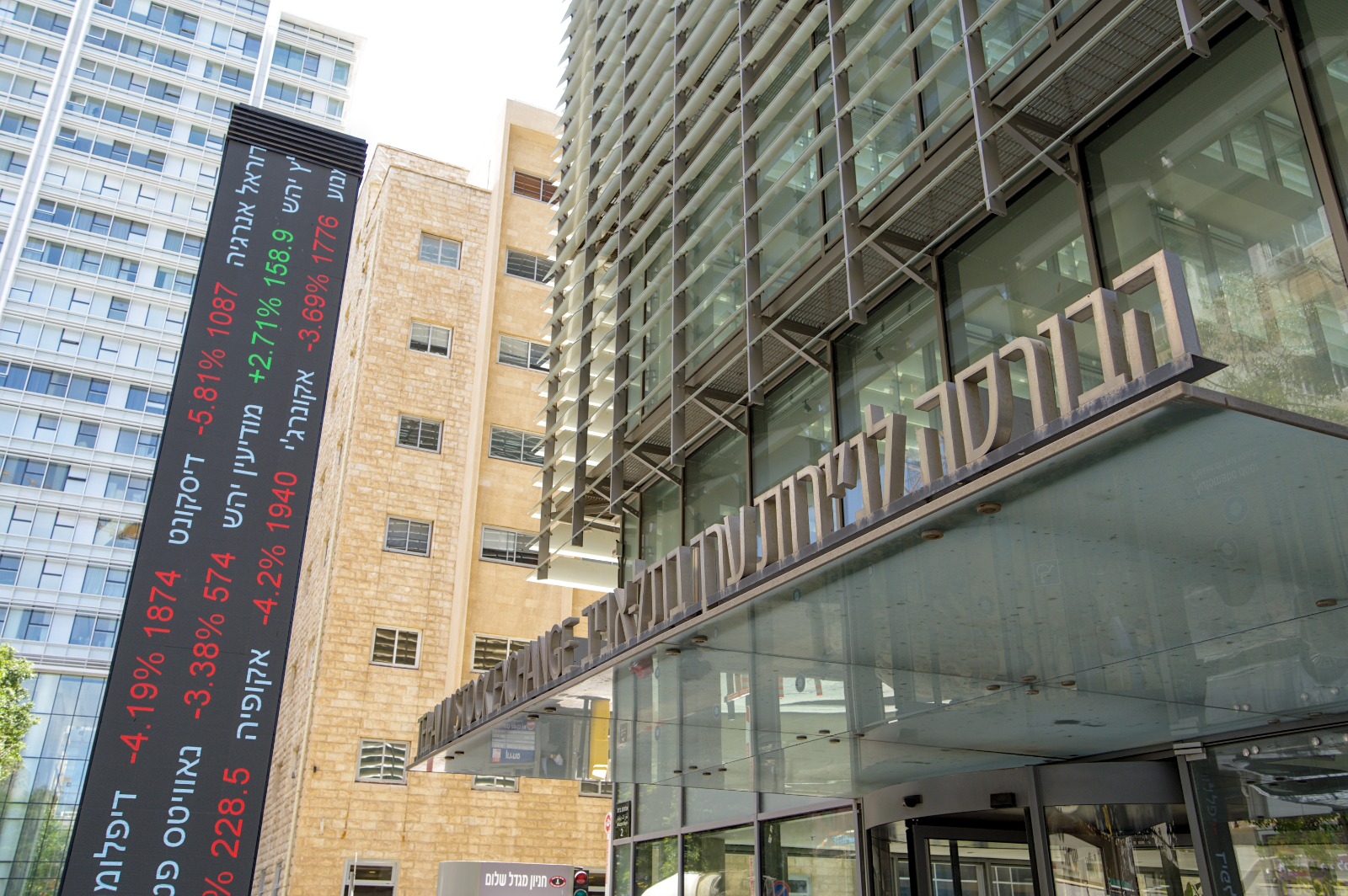
Tel Aviv Stock Exchange: Why did it rise during the war and fall with the truce?
The Tel Aviv Stock Exchange (TASE) offers one of the most instructive case studies in contemporary political economy. In under three years, it transformed from a compressed, domestically isolated venue into a high-beta financial instrument that prices Middle Eastern geopolitical risk in real time. The period from October 2023 to June 2026 encompassed the gravest security shock in Israel's modern history; yet its benchmark indices delivered record returns, making it the world's fastest-rising equity market in 2024 and 2025, before pivoting abruptly into a sharp correction by mid-2026. This paradoxical trajectory poses a fundamental question: how does capital — foreign and domestic alike — respond when gun barrels intersect with trading screens, and why did the signals emanating from the sovereign bond market diverge so starkly from those of the equity market at the very same moment? This analysis traces the precise correlation between military and diplomatic events on the one hand, and capital flows and the sovereign risk premium on the other, exposing a new financial logic that now governs the pricing of existential risk.
Accordingly, this analysis sets out to disentangle three interlocking layers: first, the mechanics of the initial shock and the manner in which the state intervened to contain capital flight; second, the paradox of the war economy, in which sovereign downgrades coincided with an unprecedented equity rally; and third, the 2026 reversal that repriced geopolitical risk in the wake of diplomatic realignment — culminating in a forward-looking assessment of the market's probable trajectories through 2028.

Programmes
10 Apr 2025
Navigating the Thaw: Scenarios for the US-Iran Negotiations
The geopolitical landscape in the Middle East is set for a potentially major shift with US President Donald Trump’s announcement of the resumption of negotiations between the United States and the Islamic Republic of Iran, scheduled to begin on April 12, 2025. Following a period marked by escalating bilateral tensions and the effective dissolution of the Joint Comprehensive Plan of Action (JCPOA), this resumption of dialogue has generated considerable anticipation both within Iran and across the wider region. The initial, albeit potentially transient, positive reactions observed in Tehran’s financial markets, as evidenced by movements in the stock market and gold prices, underscore the profound economic implications these discussions could hold for the Iranian populace. Furthermore, the potential for these negotiations to influence broader regional stability is a matter of significant concern and interest even for the nations within the Arabian Gulf. While the precise modalities of these diplomatic engagements – specifically whether they will entail direct bilateral talks, as suggested by the U.S. administration, or proceed indirectly through intermediary channels – remain subject to clarification, the very initiation of dialogue signifies a notable departure from the recent trajectory of U.S.-Iran relations. This analysis will therefore explore a range of plausible scenarios that may unfold as delegations from the United States and Iran convene on April 12, and consider the salient internal political dynamics within both nations, the prevailing external pressures exerted by regional and international actors, and the specific contextual factors that have contributed to this renewed, albeit cautious, engagement.

Programmes
13 Aug 2024
Stock Market Decline: More Trouble for the Global Economy?
The stock market dropped significantly on Aug. 5, 2024, following a period of high volatility. Concerning economic indicators from the United States (U.S.) and an unexpected interest rate hike by the Bank of Japan were major factors in this collapse. Major world indexes experienced a severe drop, but they recovered within 24 hours. Even with this rapid recovery, the incident may be a hint that the world economy is about to slow down.