
Programmes
1 Sep 2026
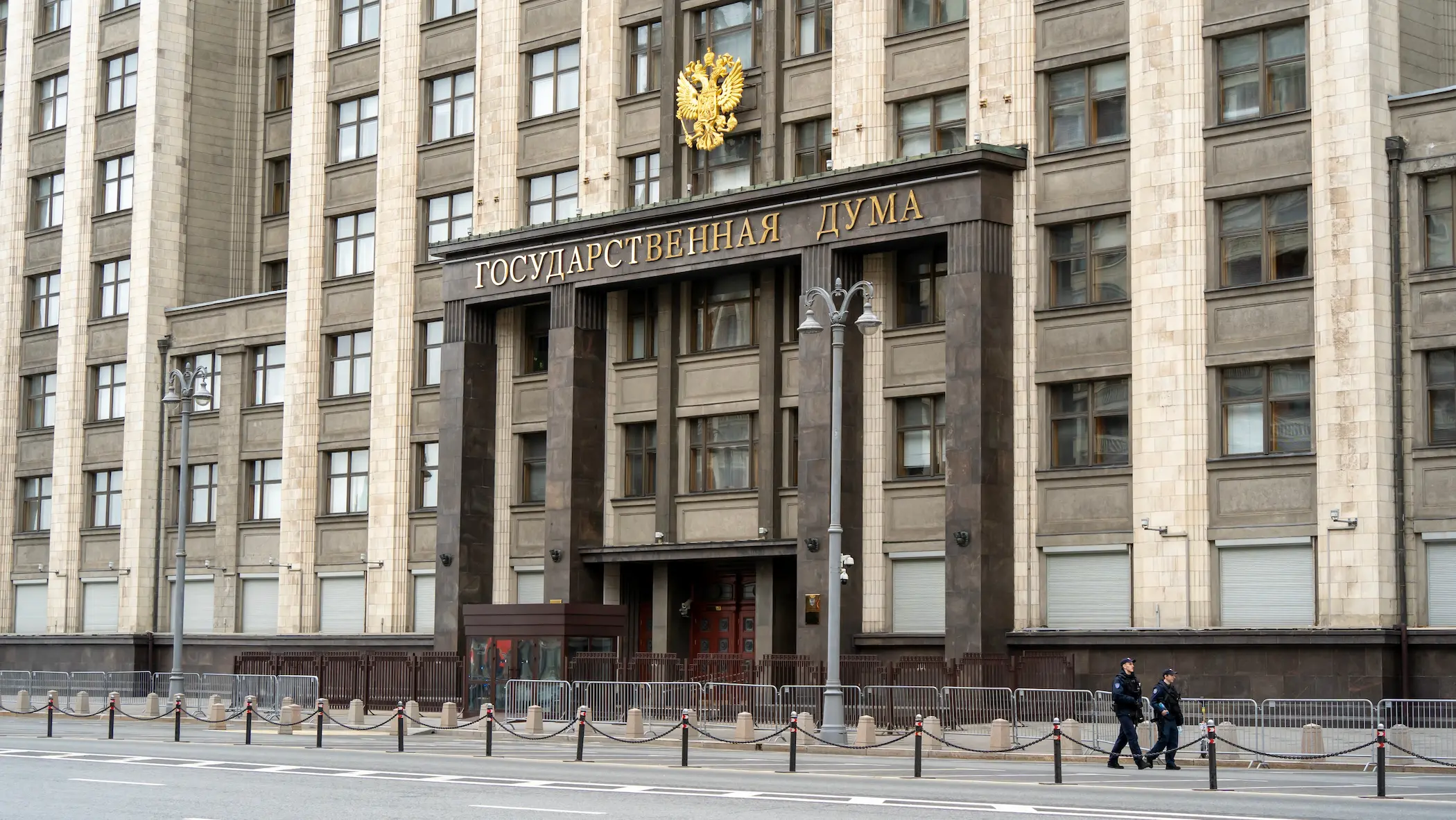
Russia’s 2026 Duma: Building the Political Order After Putin
Russia is holding Duma elections between 18 and 20 September 2026 amidst the fallout from its 2022 war in Ukraine and the accompanying economic, political, and security challenges. Several parties are competing in these elections, most notably the ruling United Russia party, which has been in power since 2001.
On the surface, the elections appear to offer little uncertainty. But digging deep, the Kremlin is quietly reshaping the political landscape. The emergence of young, loyal bureaucrats, the mobilisation of presidential aides, and the increasing integration of veterans into the government all point to changes that extend far beyond the mere formation of the next Duma.
This makes it difficult to predict the outcome of the 2026 elections by simply asking who will win. The more important question may lie beyond the ballot itself: What kind of political system is Russia preparing to carry forward? As the war continues to reshape the state, the elite, and the relationship between the Kremlin and society, the new Duma may offer a base to a political order whose most crucial stage has yet to unfold.
Programmes
9 Jun 2026
Silent Elite Fragmentation: Trajectory of Putin’s Regime in Russia
Ukraine’s shift from a battlefield conflict to a multidimensional strategy of systematically exhausting Russian war efforts appears to be causing divisions and tensions among the elites in Moscow. This has triggered expectations of elite defections from Russian President Vladimir Putin’s regime and even the possibility of his removal. According to this view, the prolonged war is likely to undermine Russia’s internal stability and elite confidence, which eventually would translate to broader political restructuring and potentially a complete regime change.
However, the complex structure of the Russian regime suggests a different scenario regarding how elite dissatisfaction could influence the course of events and the relationship between elite fragmentation and regime stability. Hence, the strategic question is no longer whether Russia can survive battlefield losses but whether the Kremlin can indefinitely withstand the cumulative pressures of growing elite frustration.
Programmes
11 Dec 2025
What If: the War Ends on Russia’s Terms
The prolonged Russia-Ukraine War has been met with futile efforts to end it by several peace plans throughout nearly four years of war. Currently, U.S. President Donald Trump appears determined to end the war by pushing a peace plan in the last few months of 2025 and negotiating with both Russian President Vladimir Putin and Ukrainian President Volodymyr Zelenskyy.
Many scenarios unfold for the aftermath of the Russia-Ukraine War. Amid the ongoing peace negotiations, driven mainly by the U.S. and Russia’s push for Trump’s 28‑point plan and Ukraine’s counterproposal through the amended 19‑point plan, a settlement favouring Russia is increasingly possible, raising the question: if such a plan is adopted, how will the Eurasian scene change?
Programmes
9 Oct 2025
US Intelligence Support Signals a New Phase in the Russia-Ukraine War
On October 1, U.S. reports stated that President Donald Trump gave the green light to provide Ukraine with intelligence information to strike deep into Russia’s energy infrastructure sites, while studying providing Kyiv with long-range weapons that can be used in such strikes. The reports also indicated that Washington is encouraging the NATO allies to take similar actions.
The U.S. has already been providing intelligence to Ukraine since the beginning of the war; however, Trump's signalling to provide more sensitive information could hold different consequences on the outcomes of the war. Since his second-term inauguration, Trump has vowed to end the Russia-Ukraine war, so does this decision come in parallel to the American President's ambition to broker a peace deal between Moscow and Kyiv, and how this might implicate the Russian and Ukrainian sides.
Programmes
15 Sep 2025
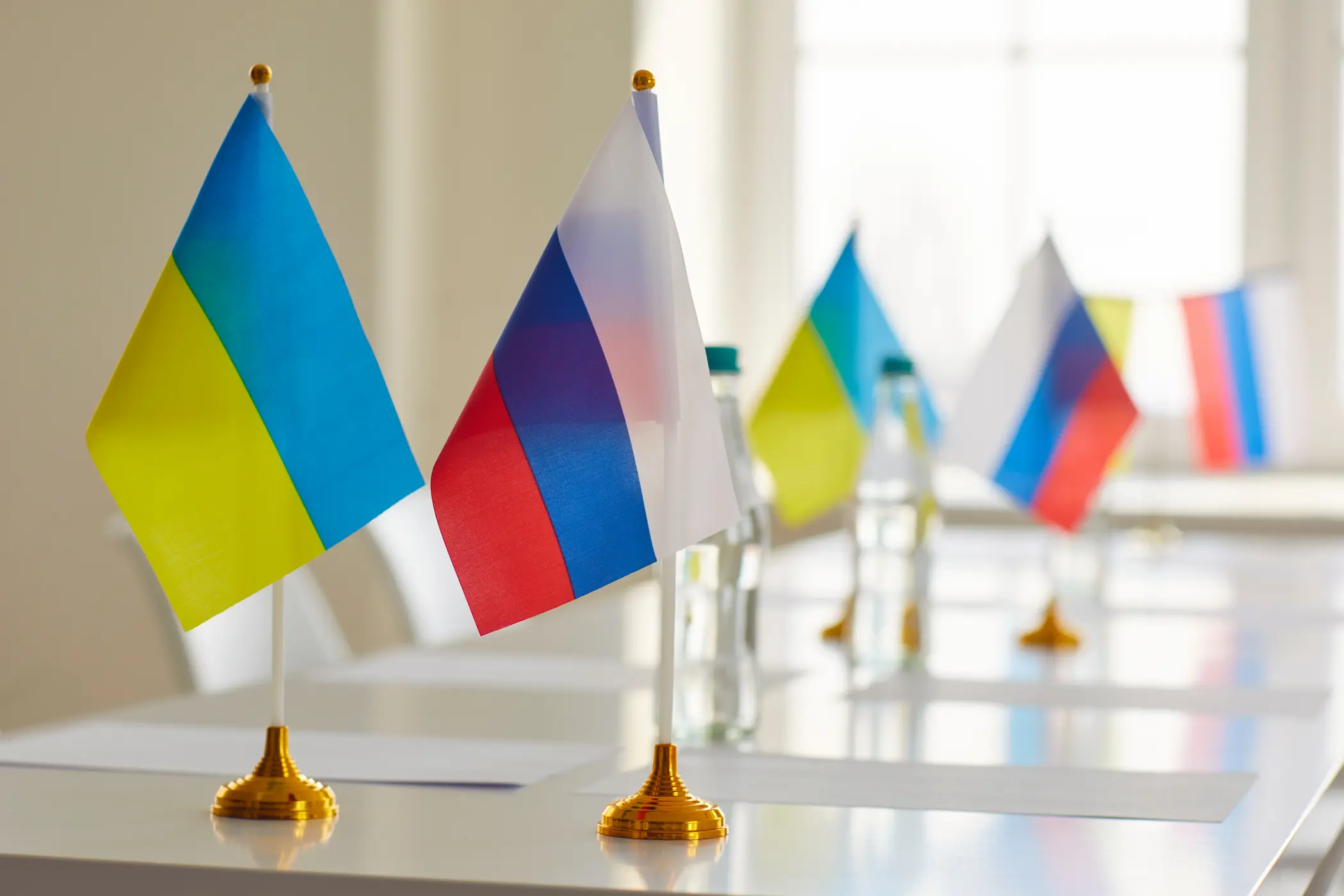
Trump Peace Play: Three Futures for Russia-Ukraine War
Amid Trump’s meetings with Russian & Ukrainian counterparts to reach a prolonged ceasefire, questions arise about the possibility of a successful peace plan occurring between Moscow & Kyiv with a U.S. mediation. Yet, with Putin’s demands from one side and Trump’s ambiguous promises to Zelensky from the other side, will the Ukraine war come to an end?