
Programmes
23 Jul 2026
Bab al-Mandab at the Heart of the Crisis: Will the Houthi Blockade Push Pakistan into a Confrontation with Iran?
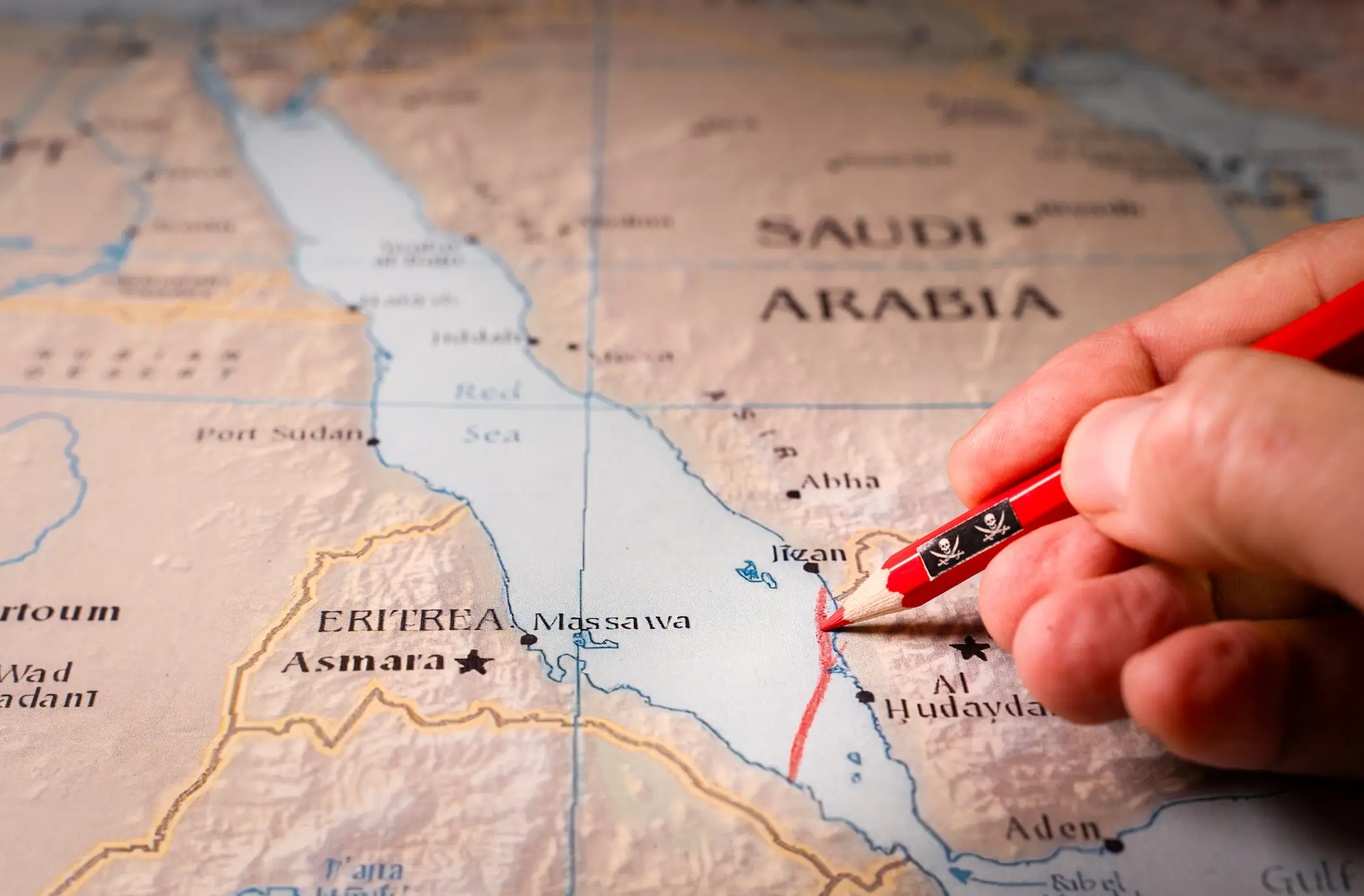
The Middle East is witnessing a new geopolitical crisis centred on the Bab al-Mandab Strait after Yemen’s Houthi movement announced on 20 July 2026 the imposition of a naval blockade on the Kingdom of Saudi Arabia, in application of a principle the group terms “blockade for blockade”. The measure comes as a direct response to the restrictions Saudi Arabia has placed on the airports and ports lying under Houthi control, most notably Sanaa Airport and the ports of Hodeidah, and the decision followed a military escalation that included strikes on Sanaa Airport and the launching of missiles and drones towards Saudi airports.
Through this closure the Houthis seek to transfer the cost of the blockade from the Yemeni interior to a corridor vital to Saudi Arabia in the Red Sea and the Bab al-Mandab Strait, by closing the strait to vessels flying the Saudi flag or bound for the Kingdom. The closure also coincides with the disruption affecting the Strait of Hormuz as a result of the ongoing Iranian–American war, where the Revolutionary Guard’s interception rate of vessels transiting the strait has reached some 89 per cent. This has driven the Kingdom over the past four months to reroute its oil exports westwards, moving 4.5 million barrels of oil a day through a pipeline to the port of Yanbu on the Red Sea in order to provide an alternative passage, an increase of close to fivefold on the period before the war began.
On another front, Pakistan faces a complex strategic position as a result of these developments, since Islamabad is bound by a mutual strategic defence agreement with the Kingdom of Saudi Arabia signed in September 2025, alongside the presence of Pakistani forces stationed in the Kingdom. The agreement stipulates that any aggression against either state is deemed an aggression against the other, while Islamabad simultaneously performs the role of diplomatic mediator between the United States and Iran, having sponsored the signing of a ceasefire memorandum of understanding between the two parties in June 2026. In this context, Pakistani officials regard attacks on Saudi Arabia as a red line, which makes the naval blockade not merely a problem touching Saudi security but a direct test of Pakistan’s ability to balance its role as mediator with Tehran against its military commitments towards Riyadh. This tension places the Pakistani leadership before a clear challenge and raises an important question as to whether it will persist in its neutral position, or move towards a firmer stance should the crisis develop into a regional confrontation affecting the interests of its Saudi partner.
Programmes
14 May 2025
What If: The India-Pakistan Ceasefire Collapses?
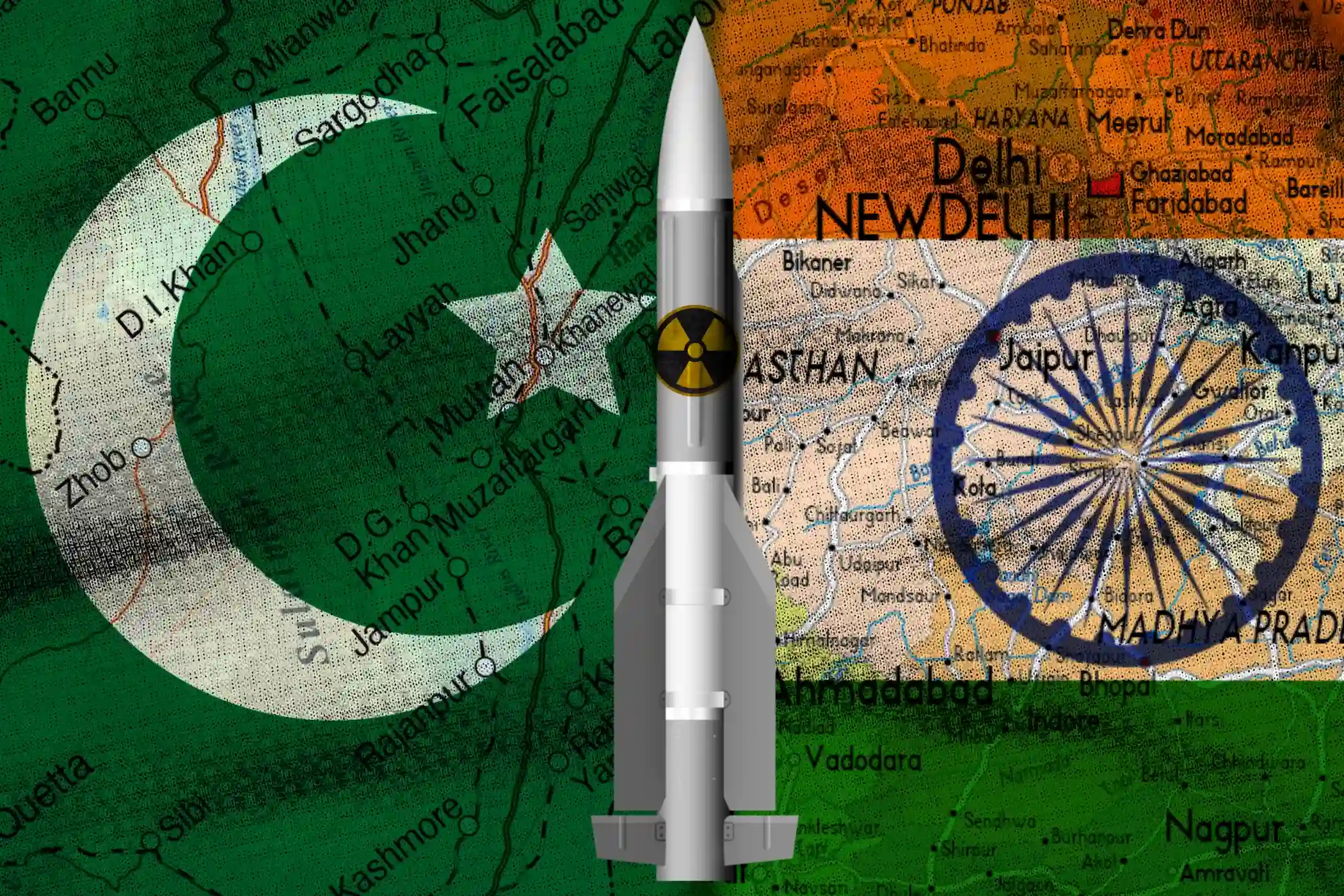
The recent U.S.-brokered ceasefire between India and Pakistan, following four nerve-racking days of escalating military exchanges, offered a moment of reprieve from the brink of what many feared could become an all-out conflict between the two nuclear-armed neighbors. Missiles and drones crossed borders, tensions were sky-high, and the language from both capitals was increasingly aggressive. President Trump's sudden announcement of a truce, while welcomed, underscored the inherent fragility of the situation. Amid celebrations in India and Pakistan, and self-congratulations in Washington, Kashmir endured another night of violence, with both sides claiming violations. This temporary calm exists against a backdrop of deep-seated historical grievances, unresolved territorial disputes, evolving nuclear doctrines, and a complex interplay of internal and external pressures. The critical question now is not just how the ceasefire was achieved, but whether it can hold, and what the consequences would be if this fragile truce were to collapse.