
Programmes
3 Jul 2026
Are Europe’s Capability Gaps Choosing Its Defence Partners?
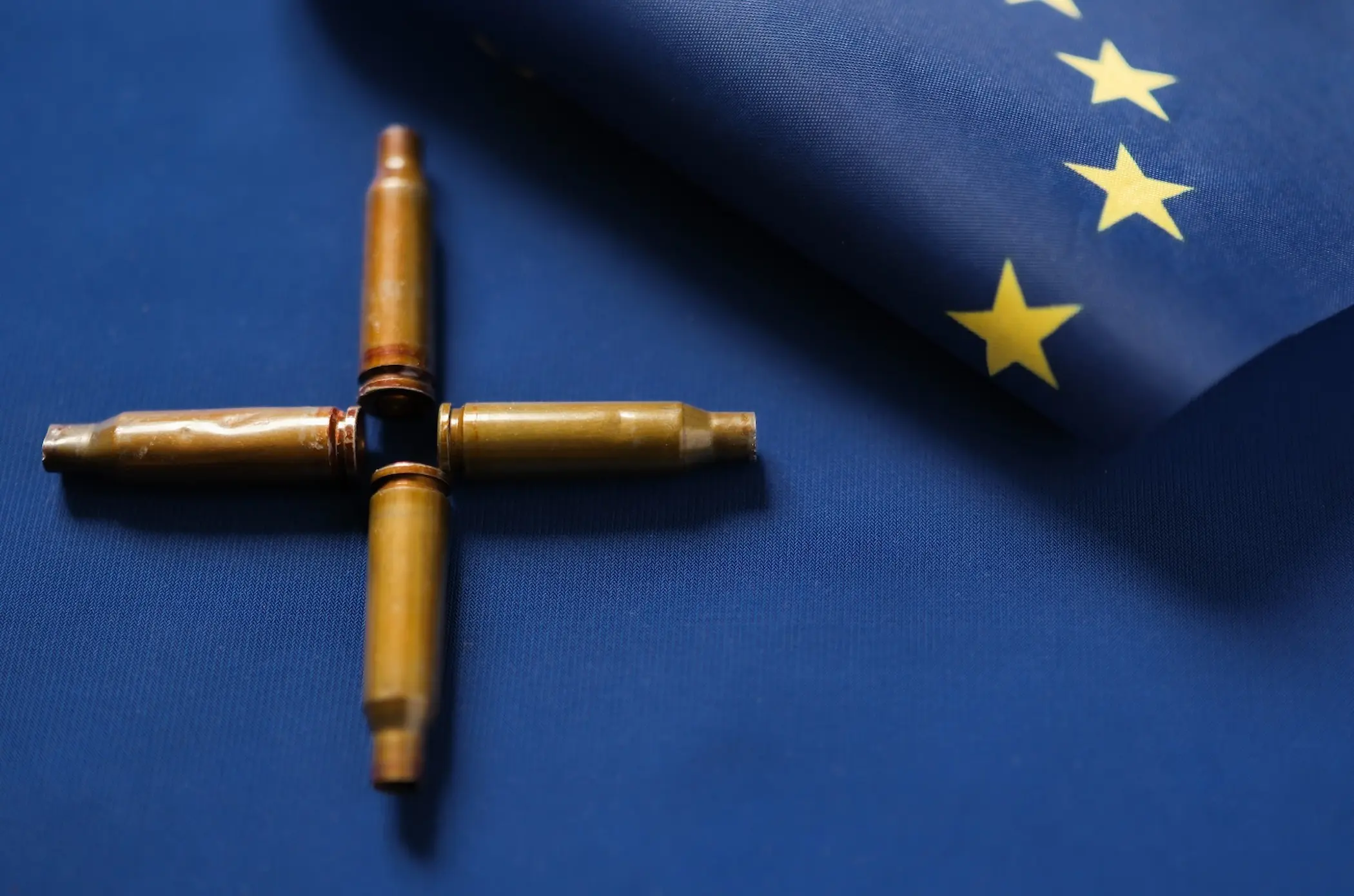
Germany "needs new partnerships more than ever," declared Chancellor Friedrich Merz as he opened a tour of Saudi Arabia, Qatar, and the UAE, announcing along the way that Berlin would loosen its long-standing restrictions on arms exports to the Gulf. Such words from a German chancellor would have been unthinkable only a few years ago. Yet the scene fits a wider pattern now visible across the continent: Korean tanks arriving at Polish ports, Turkish drones ordered for Baltic skies, Brazilian transport aircraft entering European fleets, and Gulf sovereign wealth courted from London to Berlin. Europe, long accustomed to a single security patron, is visibly assembling a new roster of defence partners, and officials on all sides describe it as a strategy of diversification. The pattern reaches its most symbolic setting this week, as NATO leaders convene in Ankara, the capital of the very partner Europe has never quite decided how to treat. But strategies imply choice, and choice implies a chooser. The pressing question is: is Europe actually selecting its new partners, or is something else doing the choosing?
Programmes
22 May 2025
What If: China Invades Taiwan?
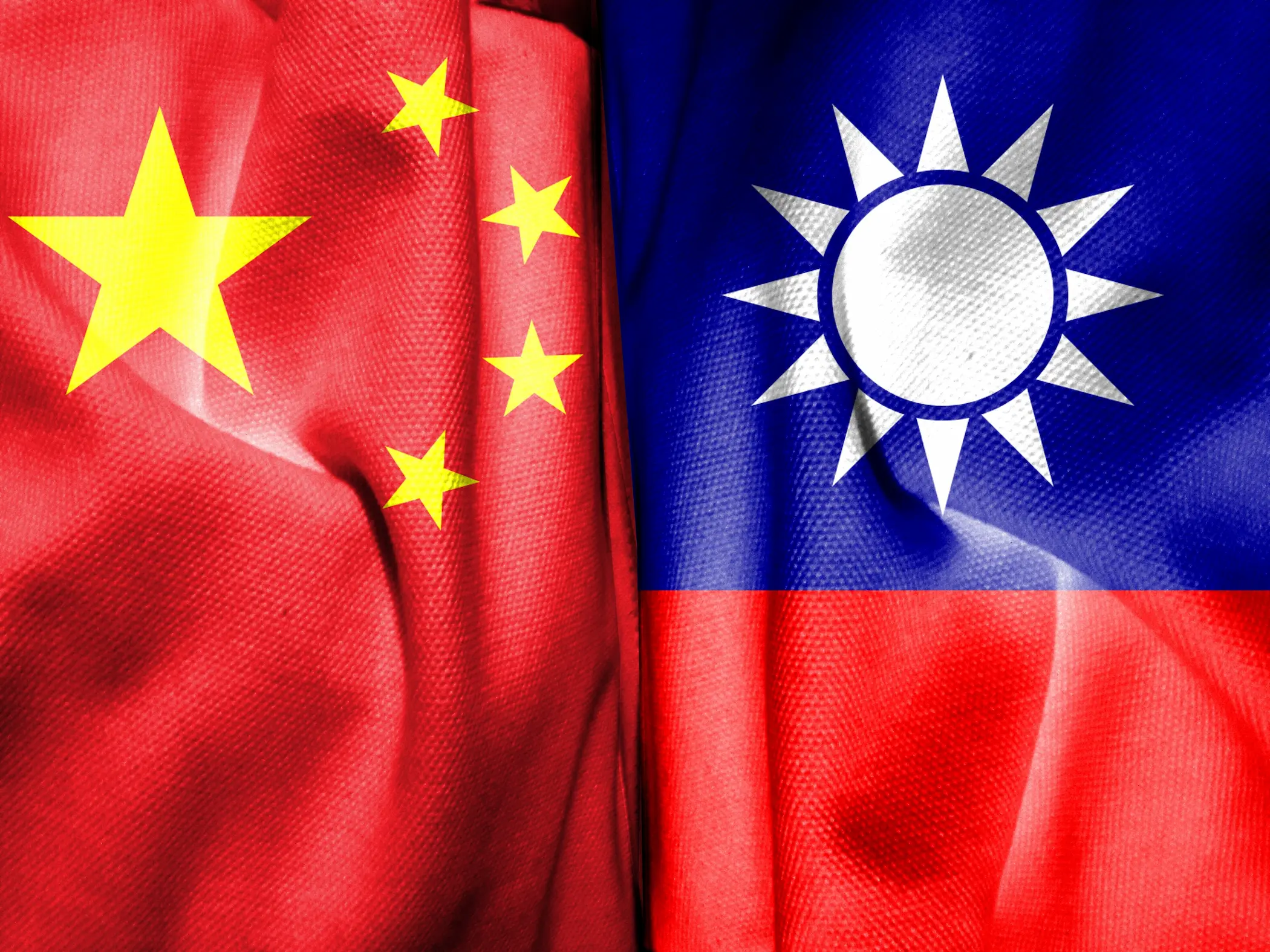
China and Taiwan have had a complex relationship. Taiwan was once a part of China, following the Chinese Civil War in 1949, the government of the Republic of China retreated to Taiwan, while the People's Republic of China established itself on the mainland. For decades, Taiwan was recognized by many countries as the legitimate government of China, even holding China's seat at the United Nations until 1971, when it was replaced by the People's Republic of China. While China pledges to reunify Taiwan, even by force, the latter depends on the United States to deter any potential Chinese invasion.
Given the current geopolitical changes in the world, there is a possibility that China could invade Taiwan, exploiting the West’s emphasis on the Russia-Ukraine War.
Programmes
10 Apr 2023
IMF Policies in Countries in Crises: Helping of Harming?
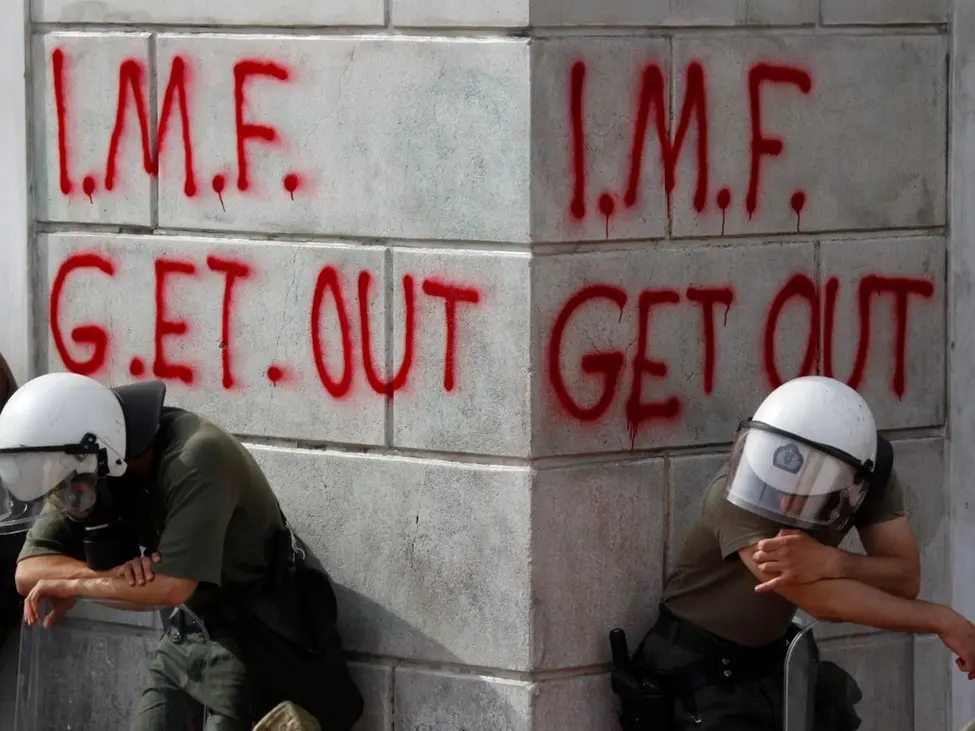
The world is probably facing one of the worst debt crises in decades. The disruption of global supply chains caused by Covid-19, which resulted in shortages of many items and higher prices, caused more pressure on the international balance of payments and led to this high-level debt crisis. The Russia Ukraine conflict added to these inflationary pressures, and the United States (US) Federal Reserve's move to raise interest rates to combat US inflation has driven the dollar's value to its highest level in twenty years. As a result, countries that borrowed money in dollars now have more expensive debt since their currencies are worth less, which drives up the price of their imports even more. Consequently, developing countries turned to the International Monetary Fund (IMF) for financial support as a result of all these factors in order to deal with their debt crises and economic instability. The IMF in its turn grants loans to countries subject to the adoption of a number of harsh and rigorous economic reforms. Because of its austerity policies and conditionality, the IMF has come criticized and the question of whether the countries in crises actually benefit or suffer harm from the IMF has been raised. To evaluate the success of IMF policies, examples of countries that have benefited from IMF policies need to be examined to answer this question.