
Programmes
14 Apr 2026
Can the United States Withdraw from NATO?
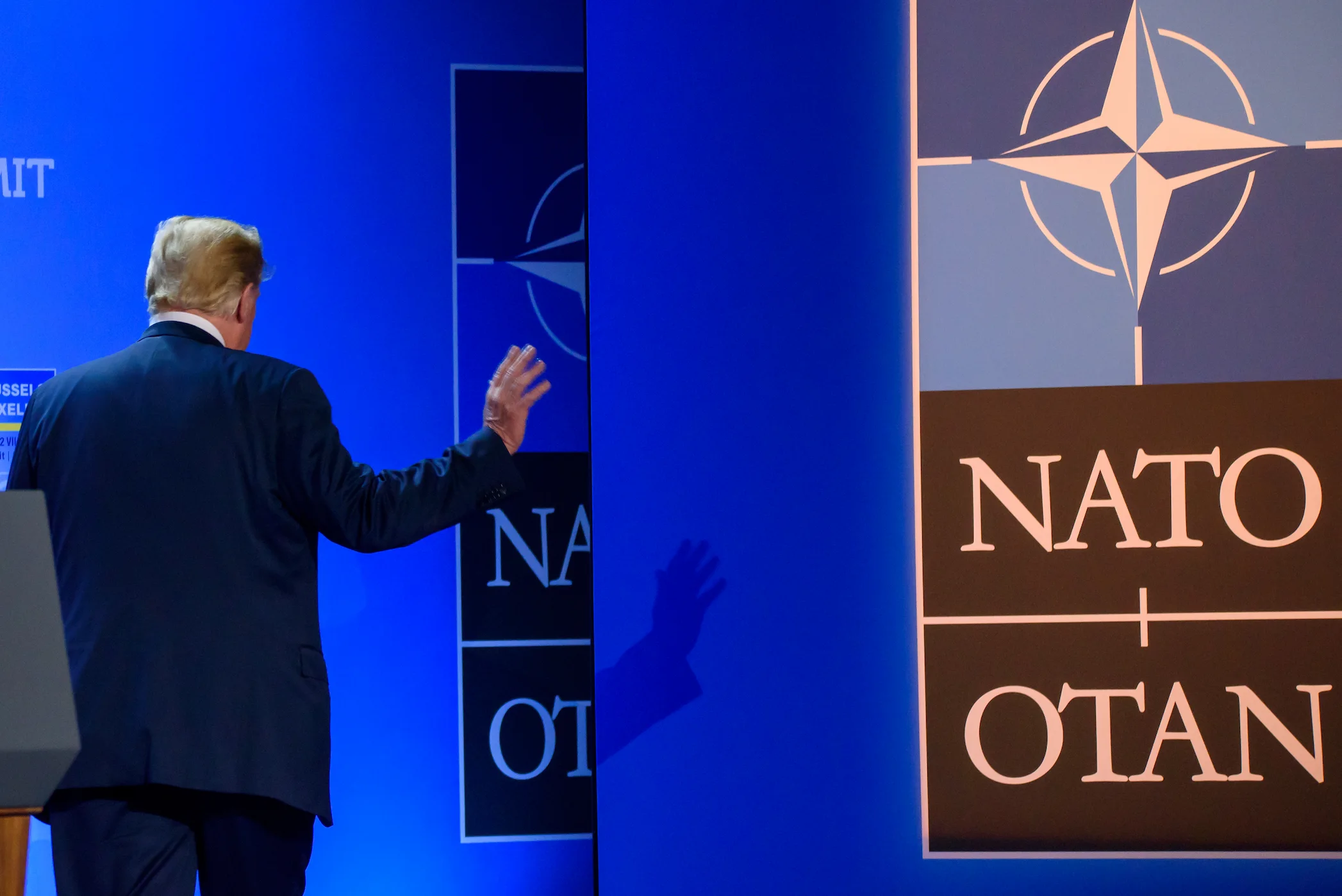
The geopolitical landscape has entered a critical and highly volatile inflection point, defined by deepening transatlantic divisions and an unprecedented destabilisation of the global security architecture. The outbreak of intense military confrontation in the Middle East has accelerated this fragmentation, as the United States initiated pre-emptive operations against Iran, prompting Tehran to retaliate by closing the Strait of Hormuz. Given the Strait’s pivotal role as a strategic artery for global energy supplies, the administration of President Donald Trump called on European members of the North Atlantic Treaty Organization (NATO) to deploy naval units and provide military support to secure the passage. European capitals, however, rejected the request in a unified stance.
This refusal triggered a marked escalation in diplomatic tensions with the US administration. The European position rested on the absence of prior consultation and on a strategic assessment that classified the conflict as a discretionary war, falling outside the Alliance’s geographic remit and exceeding its defined defensive mandate. In response, the United States administration intensified its rhetoric, openly threatening withdrawal from NATO, describing the Alliance as a "paper tiger", and casting doubt on its military and political effectiveness.
This confrontation has transformed the prospect of a retrenchment in US security commitments from a theoretical possibility into a scenario under active strategic evaluation. Consequently, transatlantic relations have shifted from a framework of fixed commitments to one increasingly governed by transactional, interest-driven engagement. Assessing the likelihood of a US withdrawal, therefore, necessitates a comprehensive review of the governing international frameworks, the domestic constitutional constraints limiting executive authority, the military ramifications of withdrawal, and the potential future trajectories of Europe’s defence architecture.
Programmes
22 Apr 2024
The War on TikTok: Security Concerns and Anti-Semitism
Social media has played a pivotal role in reshaping the narratives of the Palestinian-Israeli conflict since the outbreak of Oct. 7. The dissemination of news and information now extends far beyond traditional media outlets. Instead, social media platforms have emerged as potent influencers, surpassing the resonance of weapons and delineating a global divide between Israel and Palestine. These platforms have become arenas of contention, with users segregating into supporters and opponents, rendering them susceptible to content-related pressures amid the war. The war on Gaza has once again thrust TikTok into a heated discourse regarding the application's dangers and impact as a global forum for ordinary individuals to voice their opinions while also serving as a battleground for political factions to vie for narrative control. This debate assumes added significance as the audience of traditional news outlets continues to dwindle.
Recently, numerous TikTok videos concerning the war on Gaza garnered widespread attention, accompanied by pro-Palestinian hashtags, prompting Israeli President Isaac Herzog to engage in discussions with TikTok executives in February 2024. Expressing apprehension over the surge in antisemitic content on the platform since the onset of the Israeli war on Gaza, they assured President Herzog of their commitment to address the issue in the future. In a related context, social media companies based in the United States have already demonstrated a readiness to censor pro-Palestinian content. Human Rights Watch, in its December 2023 report, documented over 1,050 instances of content removal and suppression on Instagram and Facebook by Palestinians and their supporters between October and November 2023.
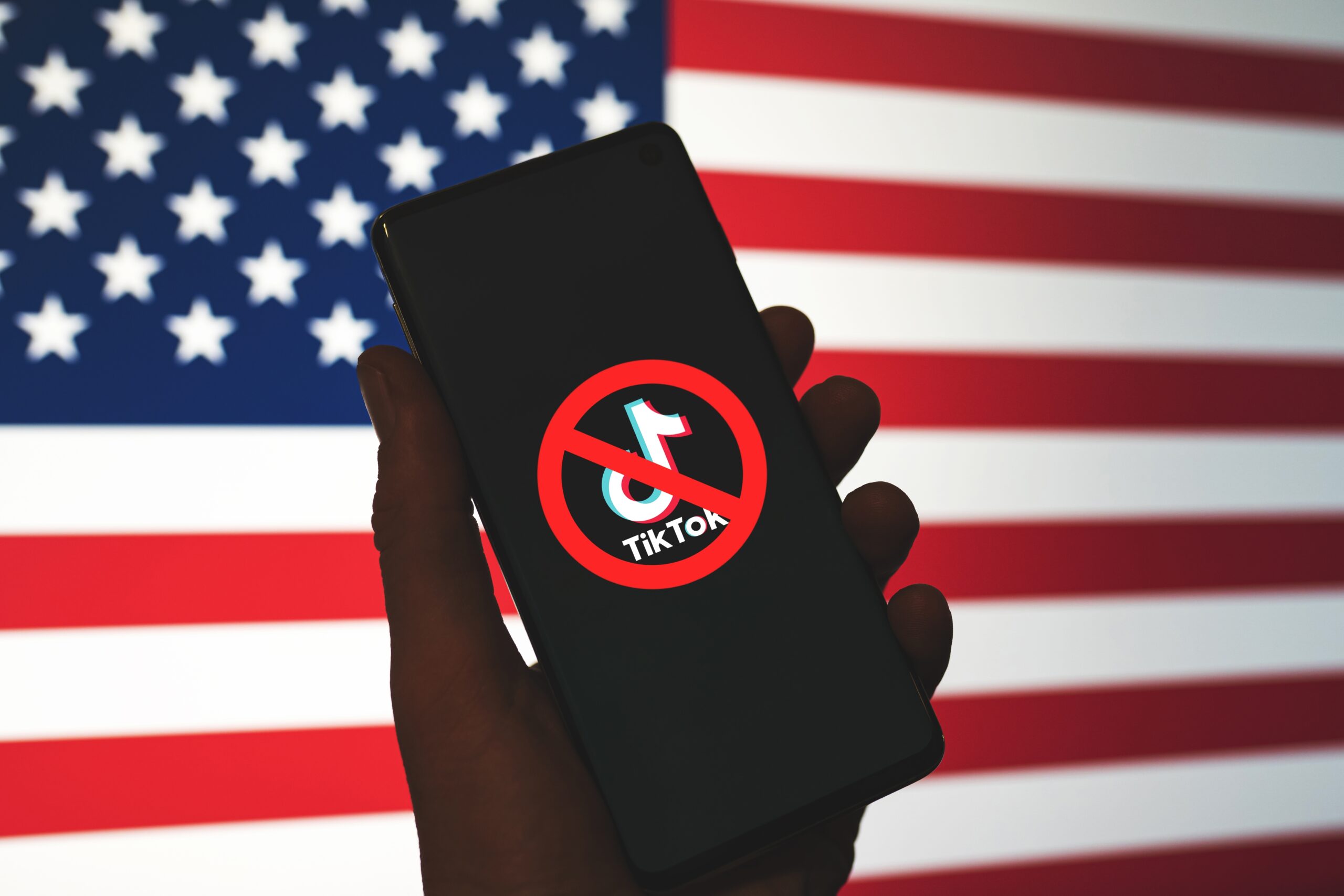
In this context, U.S. legislators, conservative activists, and technology investors have voiced calls to ban TikTok in the U.S., citing escalating concerns. These calls gained significant traction on March 13, 2024, when the U.S. House of Representatives overwhelmingly voted in favour of a bill. The bill places ByteDance, the parent company of TikTok, with two options, both fraught with implications: either sell the application to a U.S.-based company or confront a ban on distribution through significant platforms and application stores. President Joseph Biden voiced his backing for the bill and signalled his readiness to sign it into law pending Senate approval. However, the U.S. initiative this time brings forth broader concerns beyond national security, encompassing the application's ramifications on Israel's reputation. The country's standing has been damaged due to the swift dissemination of content depicting Israel's crimes against civilians in the Gaza Strip.
This analysis aims to elucidate the reasons behind the shift in the U.S. perspective on TikTok, moving from security concerns to the perception of promoting antisemitism. What repercussions would the embargo have on both the United States and Israel?