

Publications
8 Oct 2026
Opinion Polls: From a Mirror of Electoral Sentiment to an Instrument for Shaping It
Opinion polls influence the political environment they seek to measure. By shaping perceptions of electability, they affect voters’ choices, media attention, campaign funding and access to electoral competition. The paper examines how these interactions can transform polling from a means of observing electoral sentiment into an instrument for shaping it. Its central finding is that influence does not require fabricated figures: selective publication, concealed sponsorship and the presentation of uncertain forecasts as assured outcomes can turn genuine data into a misleading account of public opinion.
Evidence across several countries illustrates how this influence operates. In the 2018 US General Social Survey, 23.6% of respondents considered spending on ‘welfare’ insufficient, compared with 73.2% when the question referred to ‘assistance to the poor’, demonstrating the significance of wording. During the 2023 Republican presidential debates, the minimum polling threshold rose from 1% to 6%, illustrating how measured support can become a condition for gaining the visibility needed to attract further support. The paper also examines how electoral expectations affect financial markets, drawing on India’s 2024 election and the controversy surrounding privately commissioned polling during the Brexit referendum.
The consequences extend beyond inaccurate predictions. Favourable polling narratives can distort campaign decisions, concentrate resources and narrow the alternatives visible to voters, while disappointed expectations can be exploited to undermine confidence in elections. Artificial intelligence introduces further risks through fabricated responses and synthetic substitutes for human participants. Nevertheless, the paper distinguishes methodological error from deliberate deception and argues that effective safeguards must preserve independent polling. Disclosure of funding, questions, sampling methods and weighting assumptions, alongside responsible reporting and independent scrutiny, can help ensure that polls inform electoral choice without presenting the outcome as predetermined.

Programmes
29 Apr 2026
War, Pressure and Policy: Europe’s Gradual Turn on Israel
In recent years, European perceptions of Israel have undergone a noticeable shift, driven primarily by the war on Gaza following the events of 7 October 2023. What began as growing unease has gradually translated into a marked decline in public favourability across Europe, with many viewing Israel’s military response as disproportionately severe. This transformation in public sentiment, however, has not been immediately mirrored at the political level. European leaders have largely maintained a cautious and diplomatic posture, continuing to balance expressions of concern with longstanding commitments to “Israel’s right to self-defence”. That stance has begun to erode more recently. The regional escalation involving Iran has introduced direct economic and strategic pressures on Europe, prompting a more assertive, albeit still measured, response from policymakers. At the same time, political changes within Europe, including the emergence of leaders less firmly aligned with Israel, such as Hungary’s Prime Minister Péter Magyar, signal a gradual recalibration rather than a sudden rupture in policy.
This evolving landscape became particularly visible in late April 2026, when discussions emerged within the European Union around suspending the EU–Israel Association Agreement. Although the proposal did not advance, with key member states such as Germany and Italy blocking consensus, it nonetheless highlighted the extent to which previously unthinkable measures are now part of the policy debate. While the suspension of the agreement would carry significant economic consequences for Israel, its implementation remains constrained by the European Union’s (EU) internal political dynamics. Yet the inability to pursue this option does not imply a lack of leverage. The European Union retains a range of alternative instruments that can be deployed to exert pressure on Israel.
Programmes
22 Apr 2024
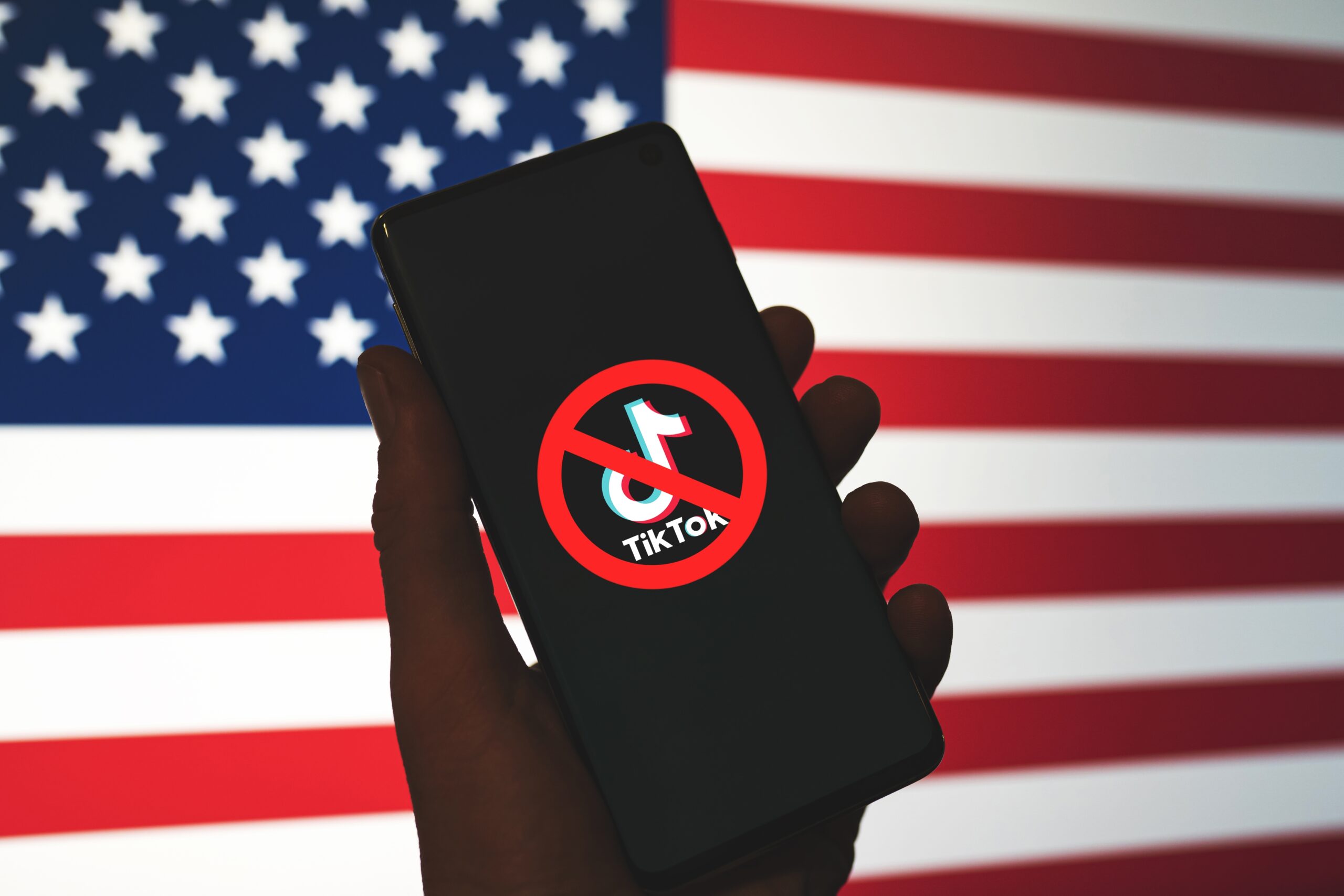
The War on TikTok: Security Concerns and Anti-Semitism
Social media has played a pivotal role in reshaping the narratives of the Palestinian-Israeli conflict since the outbreak of Oct. 7. The dissemination of news and information now extends far beyond traditional media outlets. Instead, social media platforms have emerged as potent influencers, surpassing the resonance of weapons and delineating a global divide between Israel and Palestine. These platforms have become arenas of contention, with users segregating into supporters and opponents, rendering them susceptible to content-related pressures amid the war. The war on Gaza has once again thrust TikTok into a heated discourse regarding the application's dangers and impact as a global forum for ordinary individuals to voice their opinions while also serving as a battleground for political factions to vie for narrative control. This debate assumes added significance as the audience of traditional news outlets continues to dwindle.
Recently, numerous TikTok videos concerning the war on Gaza garnered widespread attention, accompanied by pro-Palestinian hashtags, prompting Israeli President Isaac Herzog to engage in discussions with TikTok executives in February 2024. Expressing apprehension over the surge in antisemitic content on the platform since the onset of the Israeli war on Gaza, they assured President Herzog of their commitment to address the issue in the future. In a related context, social media companies based in the United States have already demonstrated a readiness to censor pro-Palestinian content. Human Rights Watch, in its December 2023 report, documented over 1,050 instances of content removal and suppression on Instagram and Facebook by Palestinians and their supporters between October and November 2023.
In this context, U.S. legislators, conservative activists, and technology investors have voiced calls to ban TikTok in the U.S., citing escalating concerns. These calls gained significant traction on March 13, 2024, when the U.S. House of Representatives overwhelmingly voted in favour of a bill. The bill places ByteDance, the parent company of TikTok, with two options, both fraught with implications: either sell the application to a U.S.-based company or confront a ban on distribution through significant platforms and application stores. President Joseph Biden voiced his backing for the bill and signalled his readiness to sign it into law pending Senate approval. However, the U.S. initiative this time brings forth broader concerns beyond national security, encompassing the application's ramifications on Israel's reputation. The country's standing has been damaged due to the swift dissemination of content depicting Israel's crimes against civilians in the Gaza Strip.
This analysis aims to elucidate the reasons behind the shift in the U.S. perspective on TikTok, moving from security concerns to the perception of promoting antisemitism. What repercussions would the embargo have on both the United States and Israel?