
Publications
11 Sep 2026
Are Ports More Important Than Capitals?
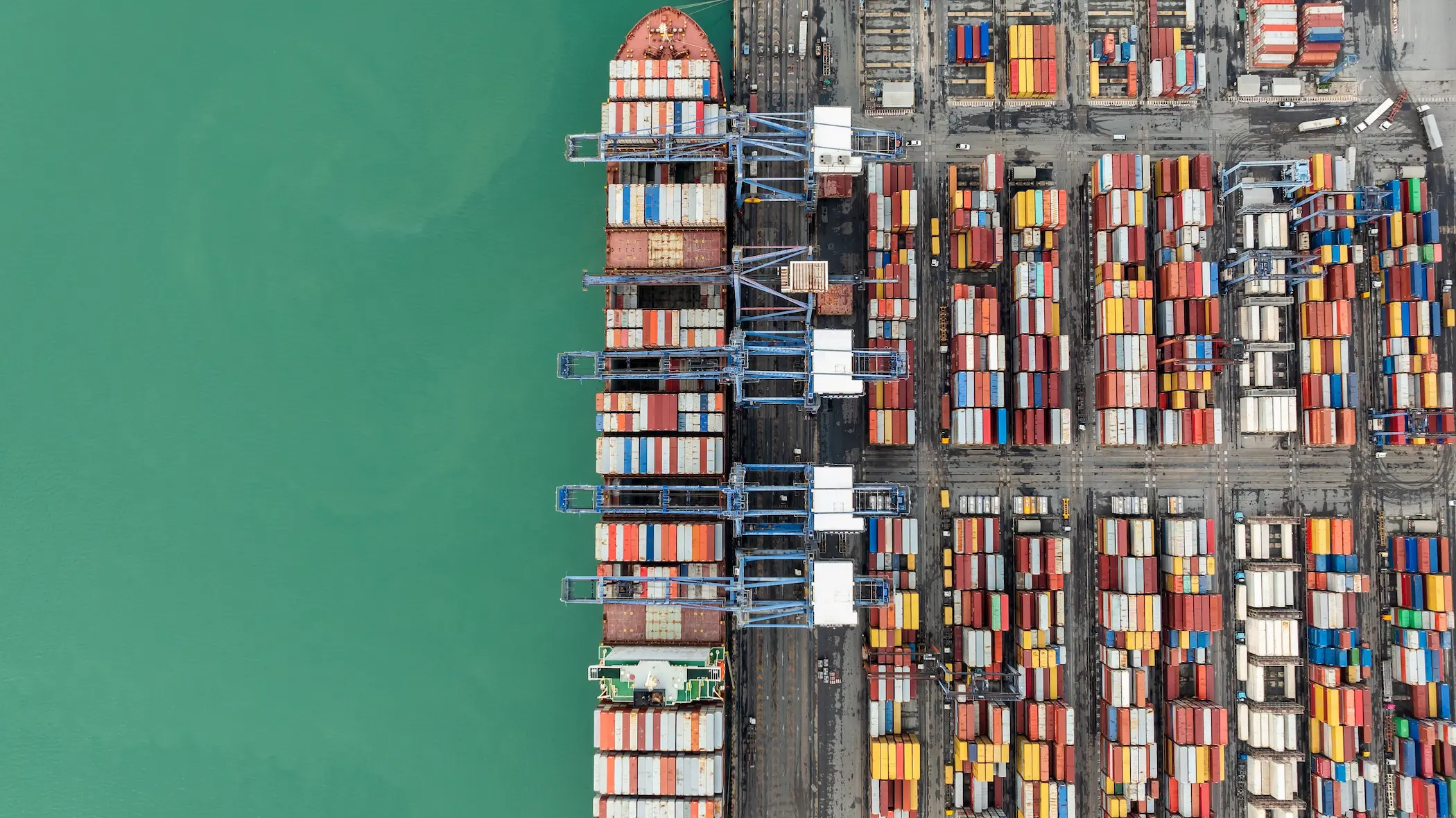
While political capitals retain legal and sovereign authority, seaports have emerged as the "functional capitals" of the modern state. These maritime nodes are where sovereign decisions are translated into material reality, controlling the flow of energy, food, industrial inputs, and data. With 80% of global trade volume and 70% of its value moving by sea, the disruption of a major port can rapidly paralysise a nation's economy and military logistics, demonstrating that port power is highly consequential and systemic.
Port power is relational, depending on factors like geographic position, network centrality, industrial depth, and digital architecture. The global port network is highly concentrated, with less than 5% of ports handling half of the global maritime trade, creating a paradox where extreme efficiency leads to profound systemic vulnerabilities. This concentration makes ports susceptible not only to physical blockades or congestion but also to cyberattacks and climate change, necessitating robust resilience strategies.
Furthermore, foreign investment in port infrastructure carries significant geopolitical implications, moving beyond simplistic narratives of "debt-trap diplomacy". Long-term concessions and operational control can create strategic dependencies, even without outright asset confiscation. Additionally, modern ports possess a dual-use nature, where commercial facilities can provide latent military option value, blurring the lines between economic integration and naval expansion. Ultimately, true national power lies in the effective integration of the political capital's authority with the strategic port's physical capabilities.
This publication was written in August 2026

Programmes
6 Aug 2024
Strategic Ramifications of Unrest in Bab El Mandab: The Arab Cost
The term “unification of arenas” emerged in the discourse of the Arab-Israeli conflict following the 2021 Sword of Jerusalem Battle. This military and ideological strategy is primarily linked to Iran’s regional proxies within the “axis of resistance.” This coalition includes Hezbollah, Hamas, the Houthis, and various Iranian-backed militias in Syria and Iraq. Its objective is to enhance operational coordination among these groups to counter Israel and diminish American influence in the region, aligning with Iranian strategic interests. The approach involves launching simultaneous actions across different fronts, including Lebanon, Gaza, and Yemen, to orchestrate a unified battle against common adversaries, particularly Israel and the United States (U.S.).
While this strategy had been employed on a limited scale prior to October 7, it achieved unprecedented levels of coordination following these operations. The execution involved dividing targets within Israel, with coordinated attacks from Gaza, Lebanon, Iraq, Syria, and Yemen. This meticulous synchronisation and sequence of missile and drone strikes overwhelmed Israeli air defences, with some attacks originating from Yemen and reaching targets in Tel Aviv.
These agents, particularly the Houthis, did not limit their actions to threatening Israeli facilities. Their strikes extended to disrupting navigation in the Bab El Mandab Strait off the Yemeni coast. The Houthis conducted numerous attacks on ships they claimed had ties to Israel, whether through state ownership, ownership by individuals with Israeli citizenship, or simply passing through Israeli ports. This broad targeting strategy encompassed a significant portion of the traffic in this crucial strait for global trade, particularly affecting Arab oil-exporting countries and Egypt, which relies heavily on the Suez Canal for its maritime traffic. As a result, shipping routes have shifted from the Suez Canal to the Cape of Good Hope, prompting long-term strategic transformations and immediate economic repercussions for the Arab countries involved. This analysis aims to assess the Bab El Mandab Strait's importance for Arab countries and explore the strategic implications of its disruption on their economies.