

Programmes
4 Oct 2026
Food or Fuel: The Implications of Biofuels for Global Food Security
The international system faces complex geostrategic pressures that place global supply chains under unprecedented strain. Escalating military tensions, particularly disruptions to shipping through the Strait of Hormuz, are putting pressure on oil and liquefied natural gas flows. In 2025, this passage carried around a quarter of seaborne oil trade and 19% of global trade in liquefied natural gas. These developments coincide with a shift in the Russia–Ukraine conflict towards attacks on energy infrastructure, alongside tighter restrictions on Black Sea shipping and disruptions to key export routes for strategically important grains. This convergence leaves the world caught between declining oil supplies and restricted access to part of the available food supply, complicating procurement and threatening the foundations of national security.
Faced with these shortages and rising shipping costs, some major powers and emerging economies are expanding biofuel production as an instrument of national policy to ease the energy crisis, alongside pursuing environmental objectives and supporting agricultural production. Agricultural producer countries are consequently choosing to redirect part of their strategic crop output, including maize, sugar cane and palm oil, towards biofuel plants to meet transport needs. This analysis advances the hypothesis that expanding biofuels derived from food crops may heighten the vulnerability of importing countries when demand growth outstrips the capacity of production and stocks to accommodate it, while trade policies restrict exportable supplies. The scale of this effect depends on the feedstocks used, the volume diverted and the responsiveness of production. It does not apply to the same extent to fuels produced from agricultural residues or used oils.
Import-dependent countries, particularly in the Middle East and Africa, may bear the cost of these pressures through diminished food security and domestic stability. An inability to secure food can, in this context, undermine social stability and signal the risk of political crises whose severity varies according to institutional effectiveness and the capacity to protect the most vulnerable groups. This complex situation poses an urgent question: how far can importing countries withstand the convergence of energy and food policies, and what protective mechanisms can safeguard their national security as competition intensifies between the use of crops for food and for fuel?
Publications
11 Sep 2026
Are Ports More Important Than Capitals?
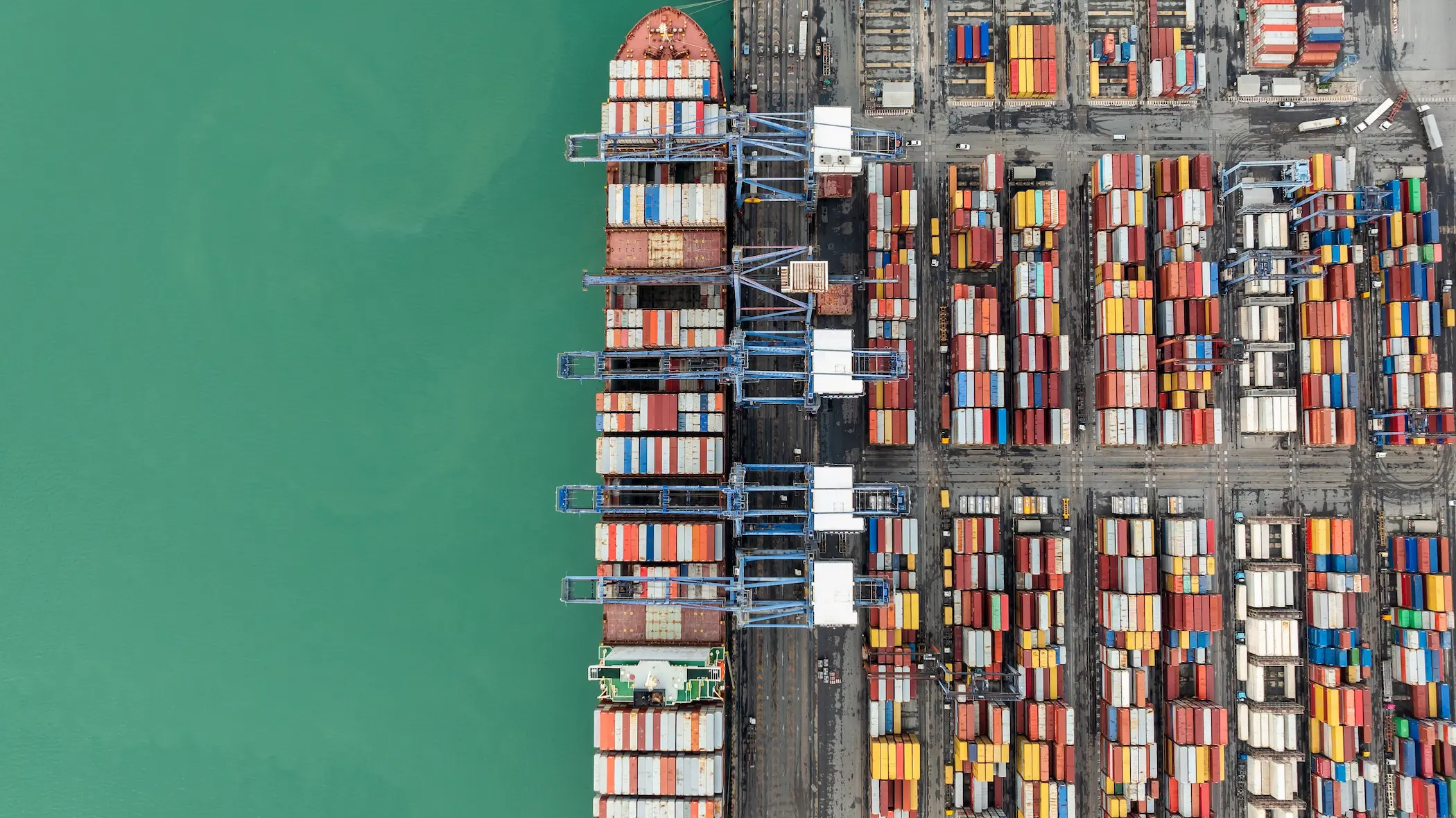
While political capitals retain legal and sovereign authority, seaports have emerged as the "functional capitals" of the modern state. These maritime nodes are where sovereign decisions are translated into material reality, controlling the flow of energy, food, industrial inputs, and data. With 80% of global trade volume and 70% of its value moving by sea, the disruption of a major port can rapidly paralysise a nation's economy and military logistics, demonstrating that port power is highly consequential and systemic.
Port power is relational, depending on factors like geographic position, network centrality, industrial depth, and digital architecture. The global port network is highly concentrated, with less than 5% of ports handling half of the global maritime trade, creating a paradox where extreme efficiency leads to profound systemic vulnerabilities. This concentration makes ports susceptible not only to physical blockades or congestion but also to cyberattacks and climate change, necessitating robust resilience strategies.
Furthermore, foreign investment in port infrastructure carries significant geopolitical implications, moving beyond simplistic narratives of "debt-trap diplomacy". Long-term concessions and operational control can create strategic dependencies, even without outright asset confiscation. Additionally, modern ports possess a dual-use nature, where commercial facilities can provide latent military option value, blurring the lines between economic integration and naval expansion. Ultimately, true national power lies in the effective integration of the political capital's authority with the strategic port's physical capabilities.
This publication was written in August 2026