
Programmes
6 Aug 2026
Beyond Michigan: Is Abdul El-Sayed the Future of the Democratic Party?
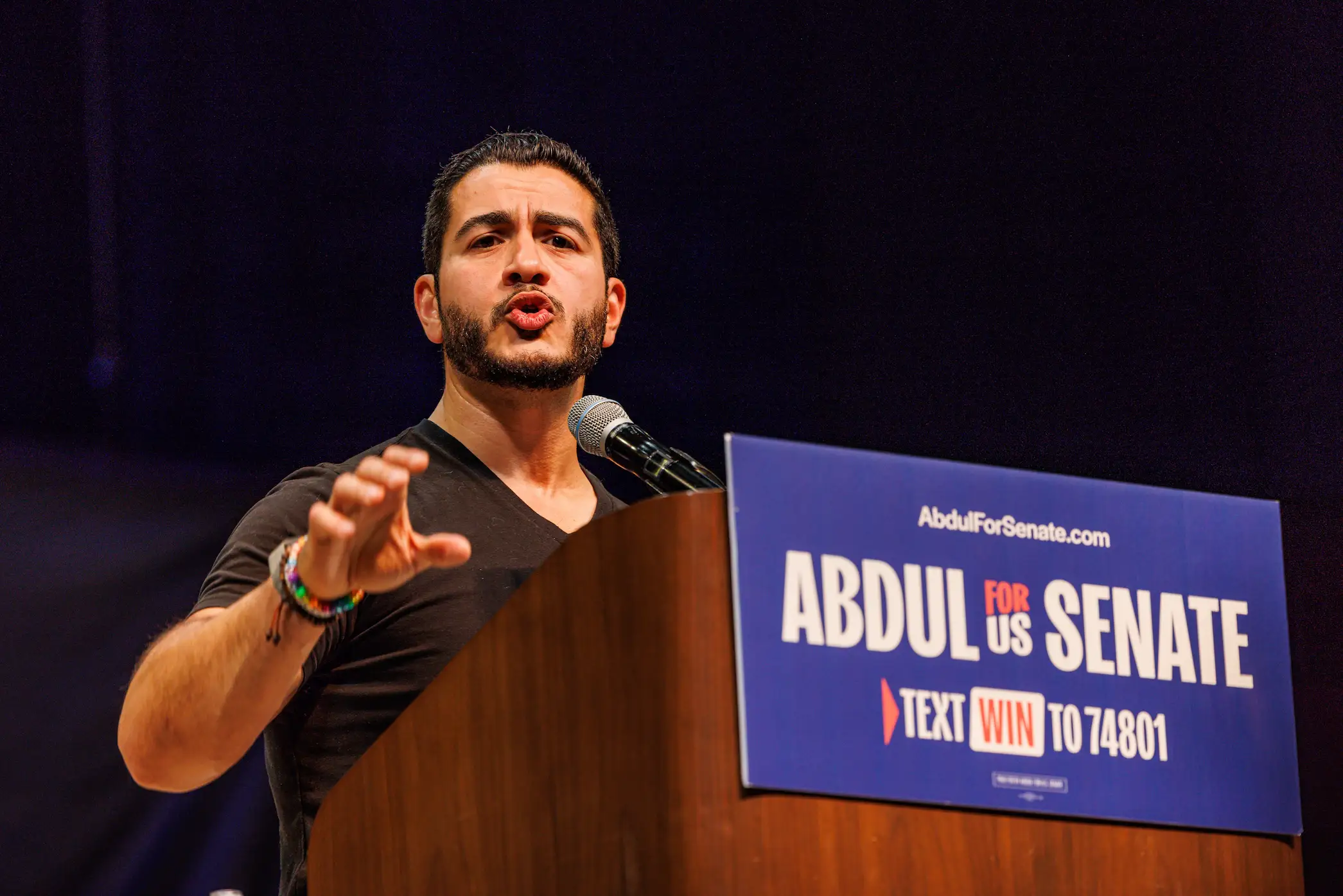
Michigan expected to deliver a Senate nominee on Tuesday night. Instead, it may have delivered the Democratic Party's most consequential ideological test since Trump returned to the White House. Abdul El-Sayed defeated Representative Haley Stevens for the party's Senate nomination against the wishes of much of the Democratic establishment, in one of the most expensive primaries in American history. His win immediately turned what had been treated as a routine state primary into a national argument over who actually speaks for the Democratic Party now. The bigger question, though, is not whether progressives can win a Democratic primary. It is whether Michigan just revealed where the party is genuinely heading, or whether it simply revealed what a narrow, highly engaged slice of primary voters wants, a distinction the party will need to answer honestly before November.
El-Sayed's win did not happen in isolation either. It followed Zohran Mamdani's insurgent rise in New York City, and it arrived on the same Michigan ballot as Rashida Tlaib's renomination and Donavan McKinney's defeat of sitting Congressman Shri Thanedar. Four results, one pattern. Together, they raise a question far bigger than any single race, whether Democratic voters are beginning to reject both the party's traditional leadership and its long-standing relationship with major donors, particularly on Israel and campaign finance.
Programmes
8 Jul 2025
Crossroads: The Battle for the Soul of the Democratic Party
Having lost the presidential election and both chambers of Congress, it should have been expected that the Democratic Party would reflect on why voters rejected the party’s policies, platform, and candidates, and rally to face a second and far more empowered Trump administration that is aggressively dismantling the core of the Democratic Party’s achievements.
Instead, Democrats seem to have lost themselves, mired in an internal struggle over the party’s identity and future direction and unable to agree on what it truly means to be a Democrat in the Trump era.
These rifts reflect the fundamentally contrasting visions of what the party should stand for: incrementalism versus systemic change, compromise versus confrontation, electability versus principle. Without a unifying narrative or leadership capable of bridging these divides, the Democrats risk remaining paralyzed at pivotal moment in American history.