

Programmes
23 Sep 2026
Achilles Shield: Between Diversification and Dependence
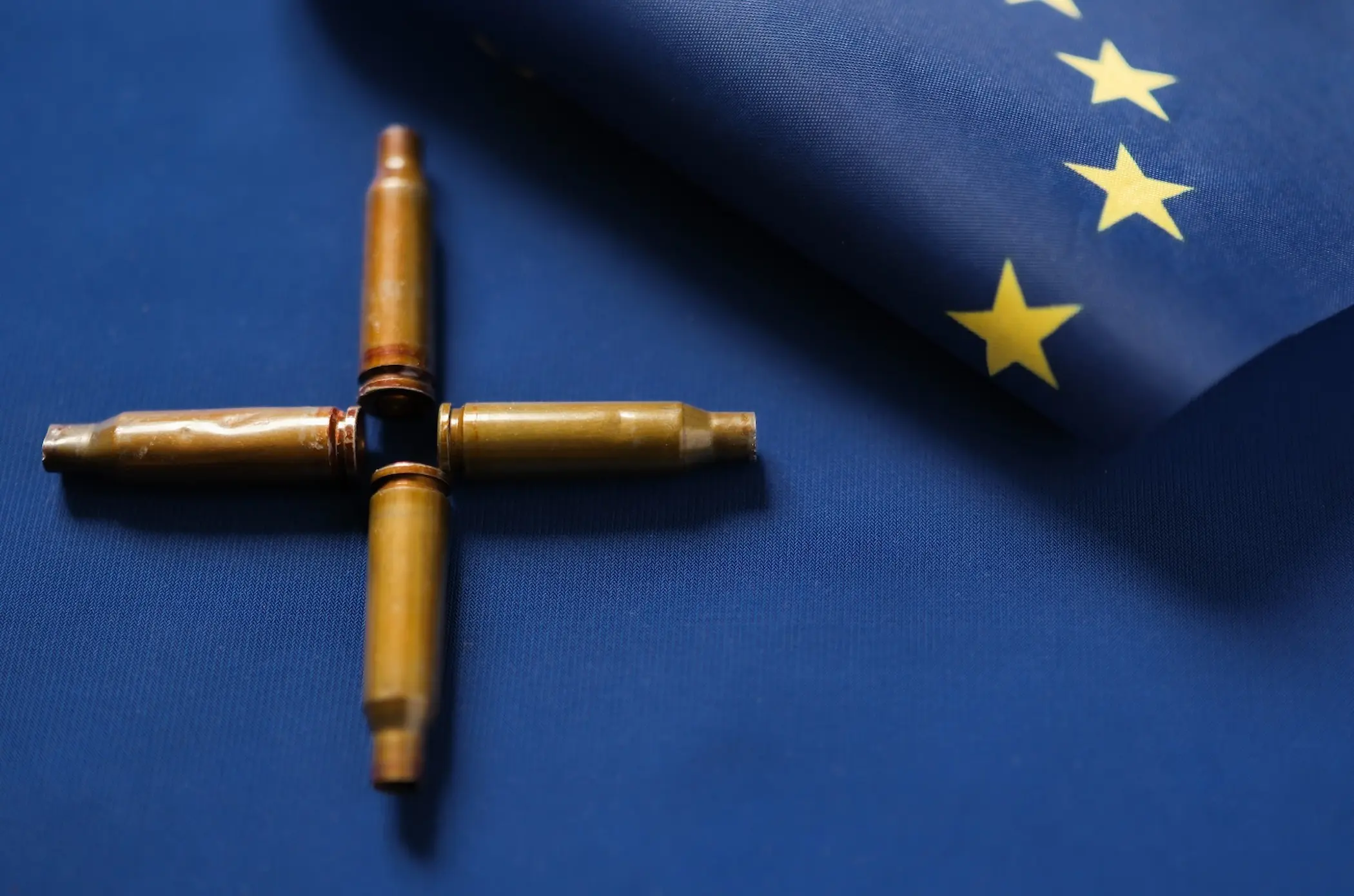
Europe is seeking to strengthen its defence capabilities and reduce its long-standing reliance on the United States. This has encouraged European states to increase defence spending, expand domestic production and diversify their procurement partnerships beyond traditional suppliers. Yet diversification does not necessarily amount to strategic independence. Replacing reliance on one external supplier with reliance on several others may reduce concentration risk without giving European states full control over the technologies on which their defence capabilities depend.
This distinction is becoming increasingly important as modern military systems become more dependent on software, data and interconnected command-and-control architectures. A country may possess the physical hardware of a weapons system while remaining dependent on a foreign supplier for critical software, upgrades, maintenance or technological integration. The question of who controls these underlying technologies can therefore be as important as who manufactures or owns the weapon itself.
The recent Achilles Shield agreement between Greece and Israel provides a useful illustration of this dilemma. The €3 billion agreement will establish a multilayered Greek air and missile defence network incorporating Israeli systems alongside a Greek-controlled command-and-control architecture. However, a dispute over access to the systems' source code has raised questions over the extent of Greece's technological control. The case highlights a broader issue for European defence: can greater diversification deliver genuine independence if critical elements of military capabilities remain technologically dependent on external powers?
Programmes
3 Jul 2026
Are Europe’s Capability Gaps Choosing Its Defence Partners?
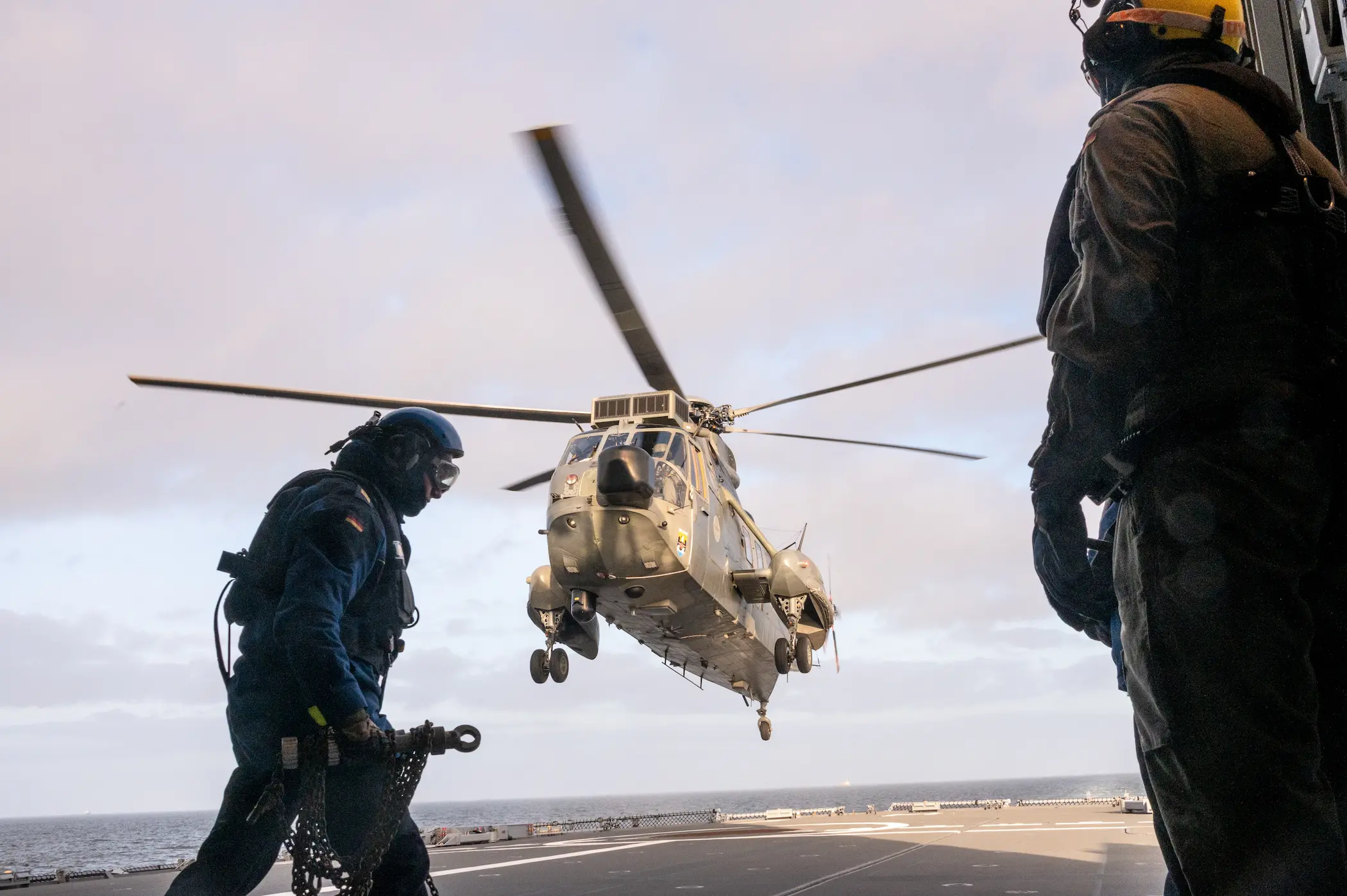
Germany "needs new partnerships more than ever," declared Chancellor Friedrich Merz as he opened a tour of Saudi Arabia, Qatar, and the UAE, announcing along the way that Berlin would loosen its long-standing restrictions on arms exports to the Gulf. Such words from a German chancellor would have been unthinkable only a few years ago. Yet the scene fits a wider pattern now visible across the continent: Korean tanks arriving at Polish ports, Turkish drones ordered for Baltic skies, Brazilian transport aircraft entering European fleets, and Gulf sovereign wealth courted from London to Berlin. Europe, long accustomed to a single security patron, is visibly assembling a new roster of defence partners, and officials on all sides describe it as a strategy of diversification. The pattern reaches its most symbolic setting this week, as NATO leaders convene in Ankara, the capital of the very partner Europe has never quite decided how to treat. But strategies imply choice, and choice implies a chooser. The pressing question is: is Europe actually selecting its new partners, or is something else doing the choosing?
Programmes
14 Oct 2025
Not All Quiet on the Western Front: Europe’s Next War
“Poland is at its closest to open conflict since World War Two,” warned Prime Minister Donald Tusk, after a sudden Russian airspace violation rattled the country. On September 9, a swarm of Russian drones entered Polish skies, prompting NATO aircraft to scramble and intercept several of them. It marked the first direct encounter between NATO and Moscow since Russia’s full-scale invasion of Ukraine on February 24, 2022. While the incident might have been a test by Putin to gauge NATO’s and Europe’s response, it also raises the specter of a potential war between Poland and Russia. Given Poland’s critical role within NATO and the EU, far greater than Ukraine’s, the implications of such a conflict would place the entire continent in Jeopardy. The pressing question now is: how likely is this war to erupt, and would Europeans bear the brunt?