

Programmes
8 Jul 2026
The Other Face of the World Cup: How Profits Shape FIFA’s Decisions?
FIFA's commercial success and its governance decisions are not separate stories — they increasingly appear to be the same story. This analysis examines who benefits from the modern World Cup's business model, how FIFA's revenue depends on star players and marquee fixtures, and where that dependency creates entry points for questionable decision-making around eligibility and officiating.
The question matters now because of scale: the 2026 tournament is FIFA's largest and most commercially valuable edition in history, its sponsorship architecture runs through multiple tiers of global brands and downstream club deals, and this year's tournament has already produced disciplinary reversals and officiating controversies that critics have directly linked to the same commercial incentives driving FIFA's revenue.
The analysis draws on FIFA's own financial disclosures, sponsorship data, and contemporaneous tournament reporting, and it deliberately separates documented facts from contested interpretation, particularly where officiating or disciplinary decisions have been framed by media and analysts as raising questions, not as proof of manipulation.
Programmes
25 Jun 2026
The FIFA World Cup 2026: How the U.S. Weaponized Borders and Mobility
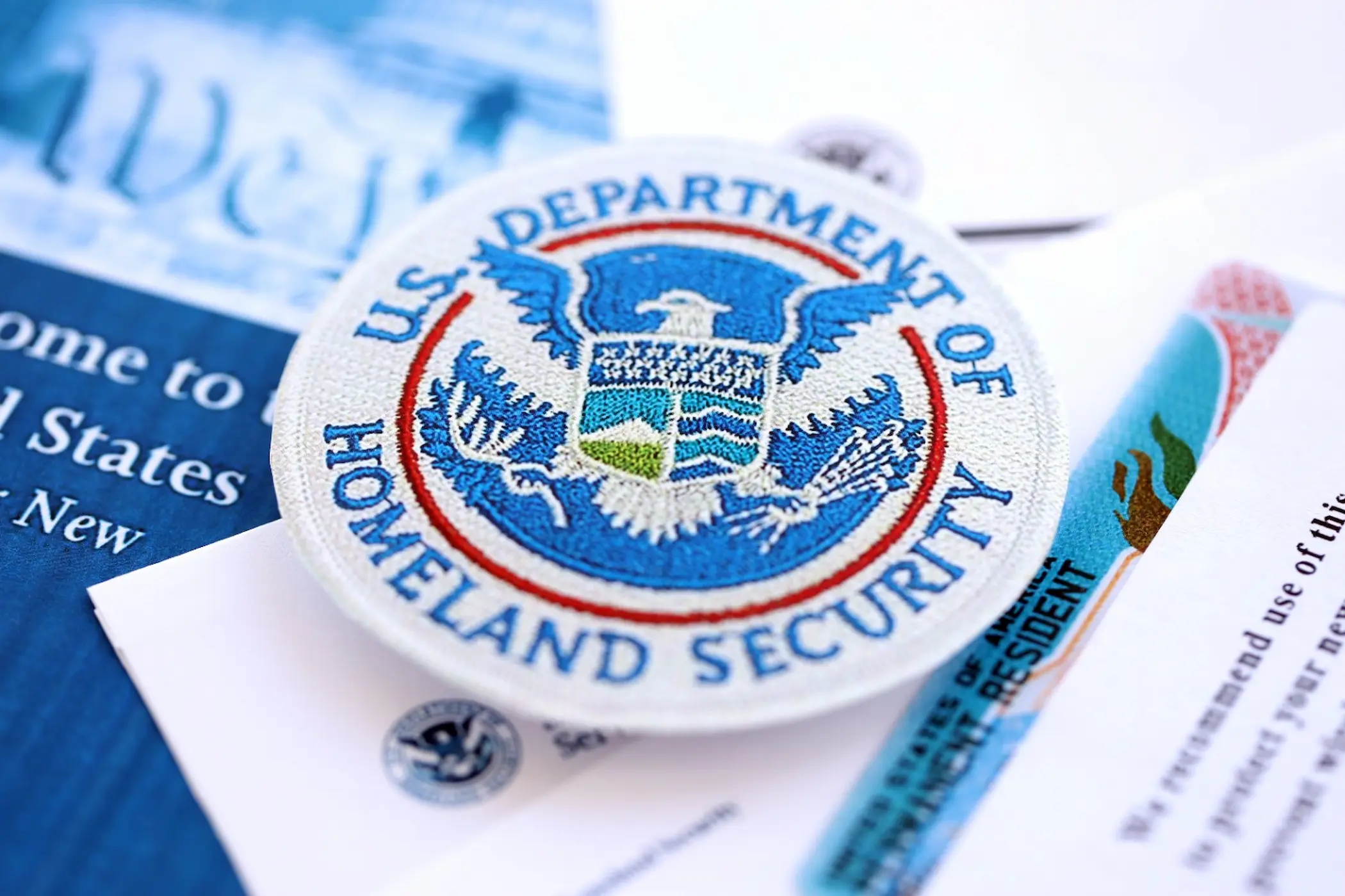
The FIFA World Cup is usually seen as a global sporting event, where people from all over the world come together to watch engaging matches and bond with those from different backgrounds and cultures. However, the current World Cup, which is predominantly held in the United States, has been the subject of criticisms ranging from time zone differences to more severe controversies such as high-ticket prices, the US-Israeli war on Iran, and the implementation of strict immigration policies. The immigration policies include mobilizing I.C.E. to monitor stadiums for illegal migrants, visa cancellations and deportations of legal immigrants days before the tournament begins. These controls the US has been using since the tournament began have fans criticizing the US, while also leaving them questioning the ability of the US to be adequate hosts for such an international tournament. Therefore, this edition of the World Cup shows how states weaponize mobility and borders to protect their interests and project power. In this case, the US as a host nation is not a neutral stage for FIFA’s “global game" but an active political actor that uses visas, security checks, and border rules to manage who can move, when, and under what conditions.
Programmes
4 Jun 2026
World Cup 2026: When Sport Exposes the Fault Lines of Politics
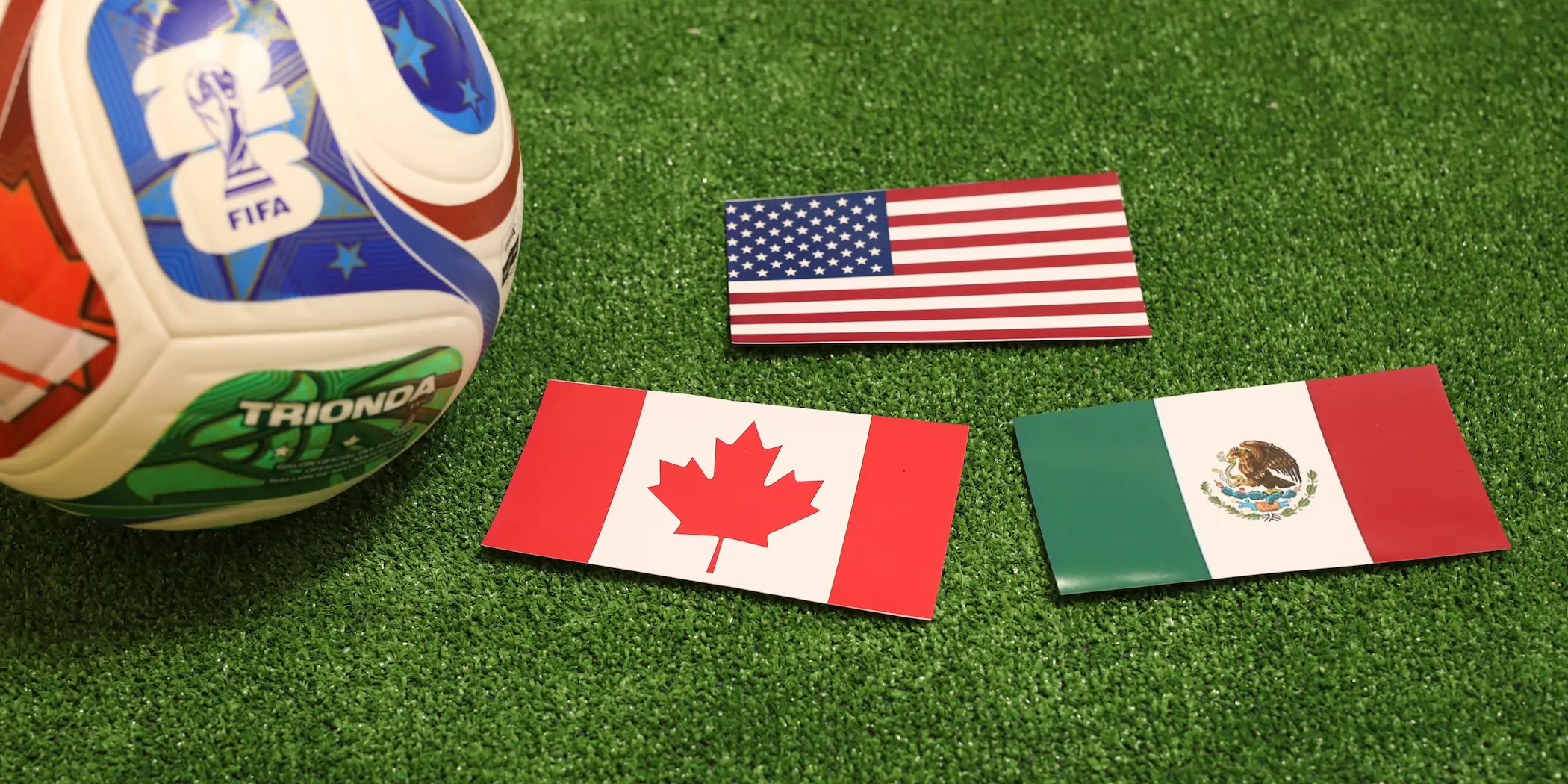
The successful joint bid by the United States, Canada and Mexico to host the FIFA World Cup 2026 was widely welcomed in international diplomatic circles, regarded as an exceptional achievement in cross-border sports diplomacy. Through the "WE ARE 26" slogan, FIFA and the host countries sought to present an image of regional cooperation and shared cohesion, promoting the idea that the soft power of sport could prevail over complex geopolitical differences.
Yet by the summer of 2026, these promises had collided with a completely different political reality. Rather than reflecting unity, seamless movement, and open borders, preparations for this major event revealed deep divisions and strict security measures across North America. As a result, the World Cup shifted from being an instrument of regional integration to a magnifying lens exposing the sharp political contradictions that shape the domestic and foreign policies of the host countries.