

Programmes
27 Jul 2026
Trump’s Prize: How the July 2026 Tariff Package Installed the Middle East as a Global Manufacturing Hub
The global trading system underwent a fundamental transformation in July 2026, as the United States abandoned limited sector-specific protection in favour of a complex, multi-tiered tariff architecture that turned access to its domestic market into an instrument of economic and political pressure. Four major decisions converged within that single month. The first was the outright repeal of the de minimis exemption, which had allowed small consignments valued below eight hundred dollars to enter the country duty-free. The second was the application of the Section 301 forced-labour tariffs across two distinct bands, imposing 10% and 12.5% according to the compliance record of each partner state. The third was the activation of Section 338, a statutory provision that had lain dormant since the 1940s, to levy 50% duties on a range of Canadian goods. The fourth was the approval of a phased escalation reaching 200% on imports of generic pharmaceuticals.
The consequences of this package extended well beyond the raising of customs duties. They amounted to a comprehensive re-engineering of rules of origin and customs compliance requirements, which in turn altered the cost calculus of every manufacturer and supplier across global supply chains. This new reality pushed firms to search for alternative routes designed not merely to reduce transport costs, but to change the identity of the country of origin itself and so escape punitive duties. That search is precisely what turned the Middle East from a transit corridor into an industrial and logistical node positioned to play a pivotal role on the new map of world trade.
This analysis therefore aims to unpack the effects of the July 2026 package across three connected levels: its domestic cost to the American economy in terms of inflation, compliance friction and the feasibility of reshoring; the realignment of trading partners and the trade diversion and origin leakage that follow from it; and finally its direct implications for the economies of the Middle East and North Africa, together with quantitative estimates of price, investment and shipping trends through the end of the decade.
Programmes
24 Jun 2026
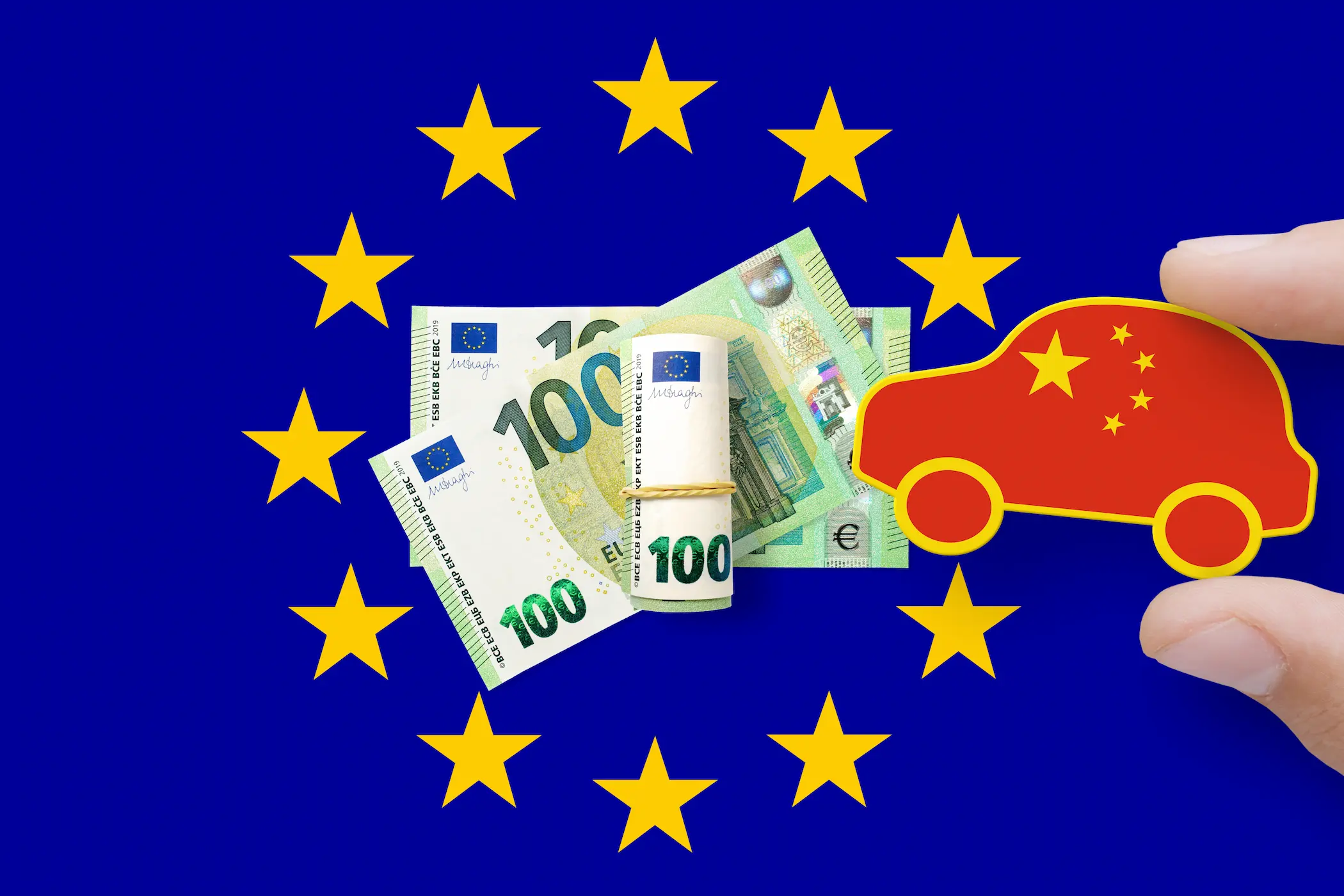
From Mercedes to BYD: The Full Story of Power Shifts in the Global Automotive Industry
For decades, the automotive sector has been the industrial backbone of the European Union, employing roughly 13.8 million people—8.1% of the bloc’s manufacturing jobs—generating close to 7% of its GDP and a trade surplus exceeding €79.5 billion. Yet this entrenched primacy is now exposed. The legislated phase-out of the internal combustion engine (ICE) by 2035, structurally elevated energy costs, and China’s state-backed scaling of new energy vehicles (NEVs) have converged to erode advantages built over a century. Within a single decade, China has vaulted from an assembler of imported technology to the global pacesetter in battery chemistry, critical-mineral refining, and software-defined vehicle production.
Accordingly, this analysis aims to provide a rigorous quantitative assessment of Europe’s eroding automotive competitiveness against China’s ascent, across three interlocking axes: the empirical evidence of the market shift, the financial and economic root causes, and the strategic outlook for a continent now forced onto the defensive.
Programmes
19 May 2025
TikTok: China’s New Weapon
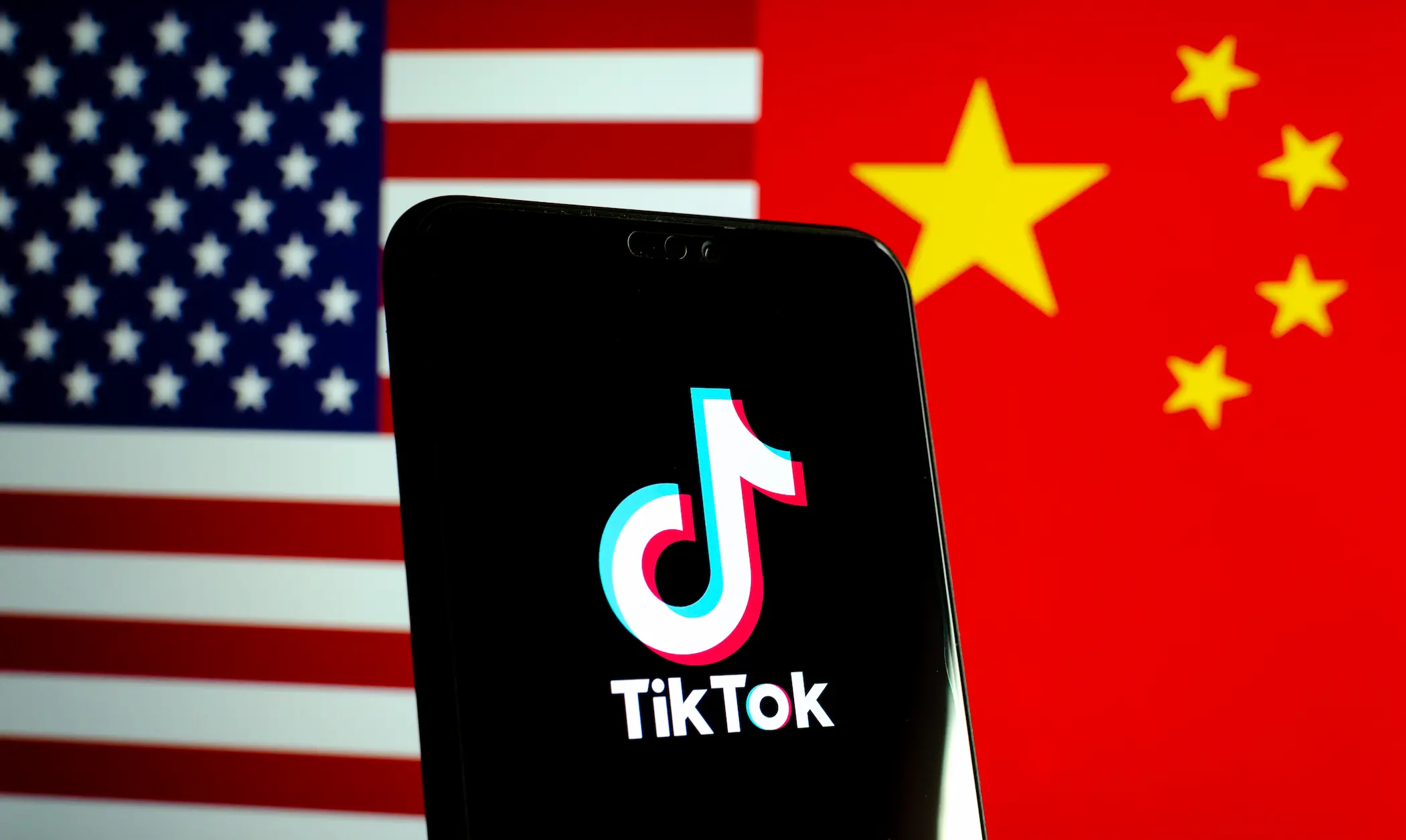
The ongoing trade war between China and the United States (U.S.) has been unfolding for several years and has gained increasing public attention, largely throughout the influence of social media platforms. As awareness of the conflict spreads, social media not only informs the public but also shapes consumer behaviour, often prompting individuals to shift to alternative markets. In some cases, governments recognize this influence and strategically leverage social media influencers to guide public opinion and economic choices. This is already going on in our scenario between China and U.S.