
Programmes
3 Jul 2026
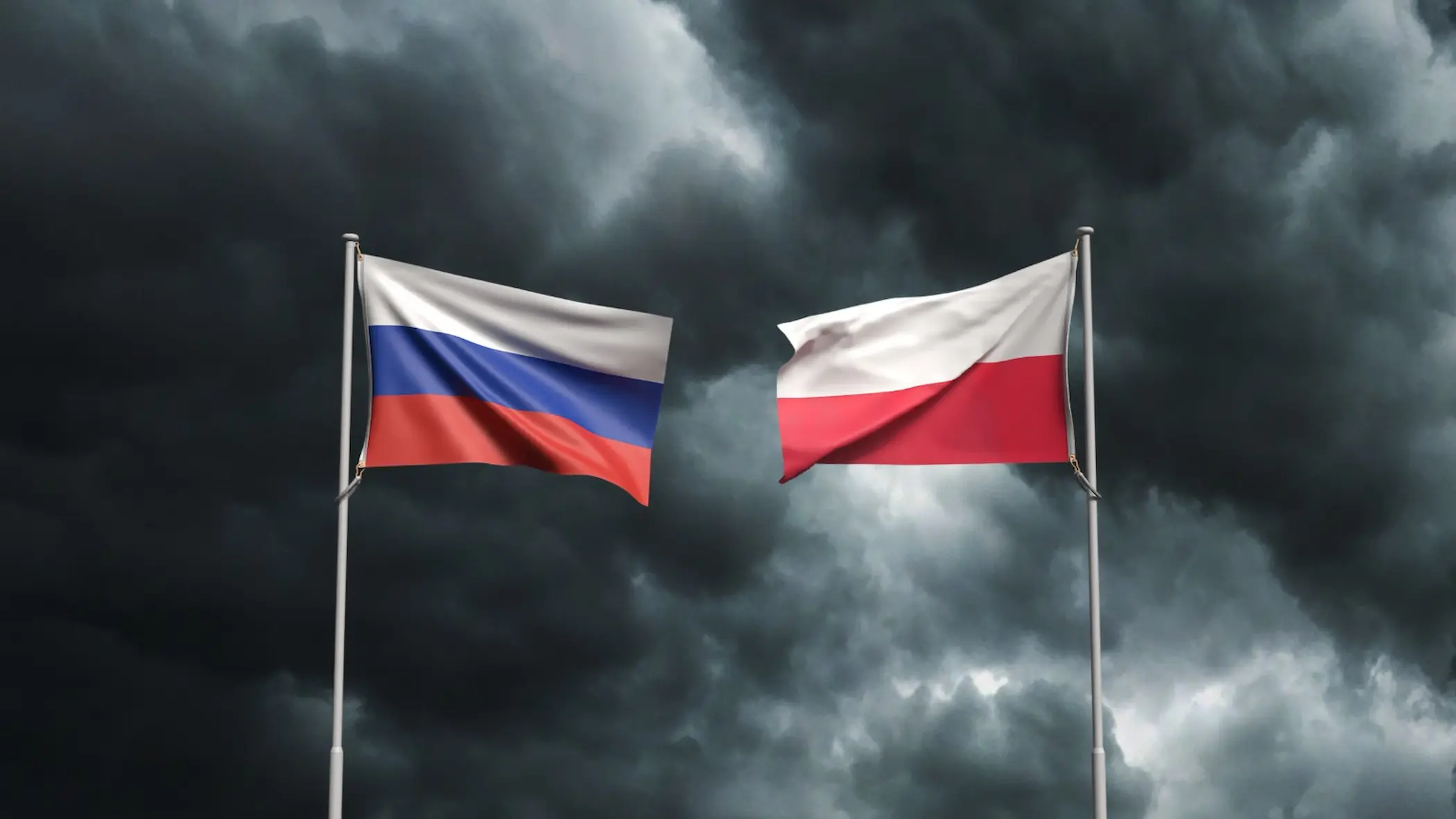
Red Alert: Will Russia Stage an Armed Provocation Against Poland?
On July 3, reports emerged that the United States has warned Warsaw of a possible Russian armed "provocation" against Poland, designed to test NATO's resolve. According to sources close to Polish President Karol Nawrocki, cited by the Polish outlet Onet, Washington has repeatedly signaled that such an operation could be launched within a matter of months. The scenarios under discussion range from missile or drone strikes on Poland's critical infrastructure to a limited crossing of Russian soldiers into NATO territory. This raises a critical question: is Moscow preparing to directly test Article 5 of the North Atlantic Treaty?
A provocation of this kind would differ fundamentally from a conventional invasion. It would be deliberately calibrated to remain below the threshold of open war — ambiguous enough to sow hesitation among allies, yet aggressive enough to force a response. Though limited in scale, its consequences for European security and the global order could be profound.
Publications
17 Mar 2026
Defense Density in Modern Air Warfare: What European NATO Can Learn from the Gulf
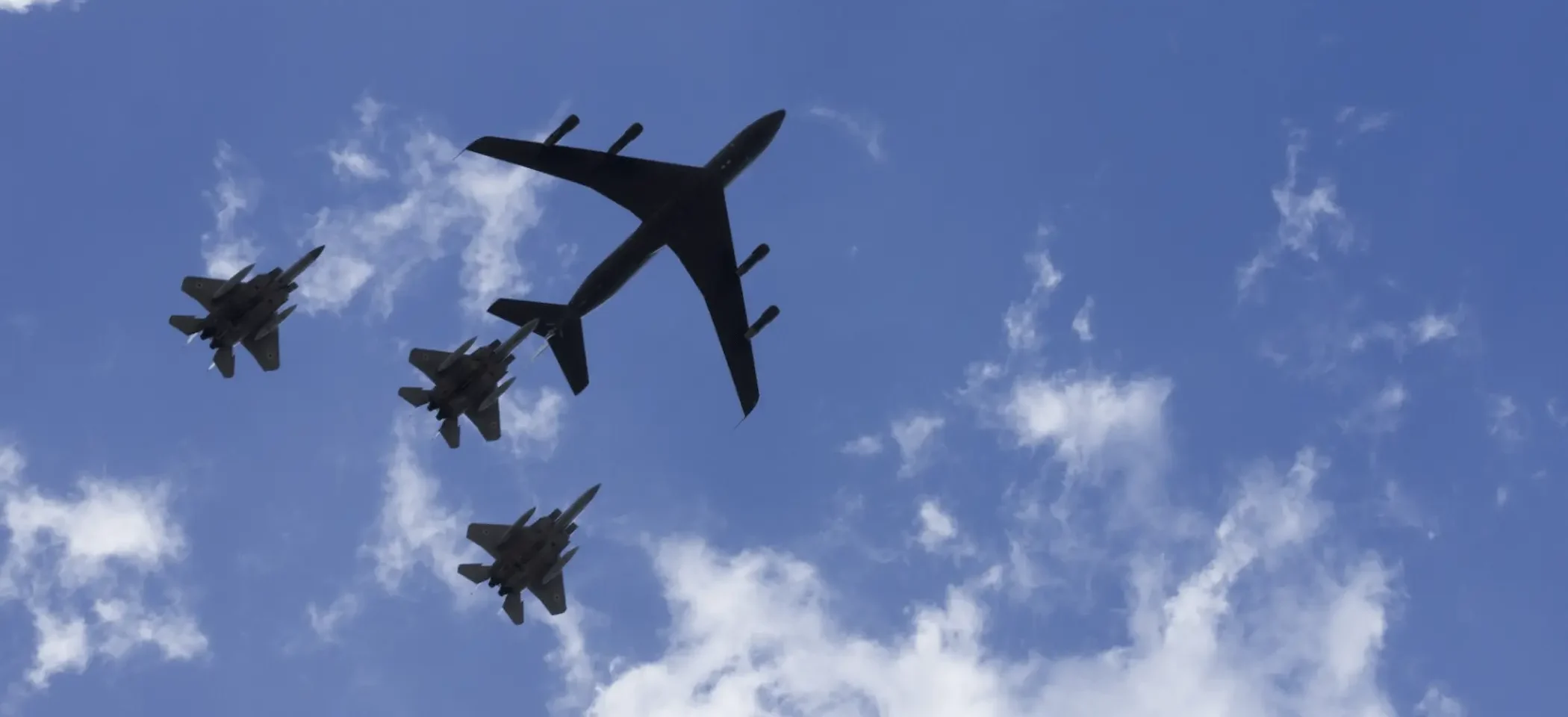
The U.S.-Israel-Iran war and Recent events that followed in Gulf countries have provided one of the clearest real-world demonstrations of modern air and missile defence under sustained pressure. Modern air warfare is increasingly defined by the ability of states to withstand large-scale saturation attacks involving drones, cruise missiles, and ballistic missiles. The proliferation of relatively inexpensive unmanned systems and precision-guided weapons has altered the balance between offensive and defensive capabilities, allowing even modest actors to launch high volumes of aerial threats. In this environment, the success of air and missile defence no longer depends solely on technological sophistication but also on defence density, the concentration of defensive systems relative to territory and population. Dense, layered air-defence networks provide multiple interception opportunities and reduce the likelihood that incoming salvos can overwhelm defensive systems. As recent conflicts have demonstrated, resilience against saturation attacks increasingly depends on whether states can deploy sufficient numbers of interceptors, overlapping defensive layers, and integrated detection networks.

Programmes
14 Oct 2025
Not All Quiet on the Western Front: Europe’s Next War
“Poland is at its closest to open conflict since World War Two,” warned Prime Minister Donald Tusk, after a sudden Russian airspace violation rattled the country. On September 9, a swarm of Russian drones entered Polish skies, prompting NATO aircraft to scramble and intercept several of them. It marked the first direct encounter between NATO and Moscow since Russia’s full-scale invasion of Ukraine on February 24, 2022. While the incident might have been a test by Putin to gauge NATO’s and Europe’s response, it also raises the specter of a potential war between Poland and Russia. Given Poland’s critical role within NATO and the EU, far greater than Ukraine’s, the implications of such a conflict would place the entire continent in Jeopardy. The pressing question now is: how likely is this war to erupt, and would Europeans bear the brunt?