
Programmes
3 Jul 2024
Sacrifice Sustainability – Does it Impact Hajj Rituals?
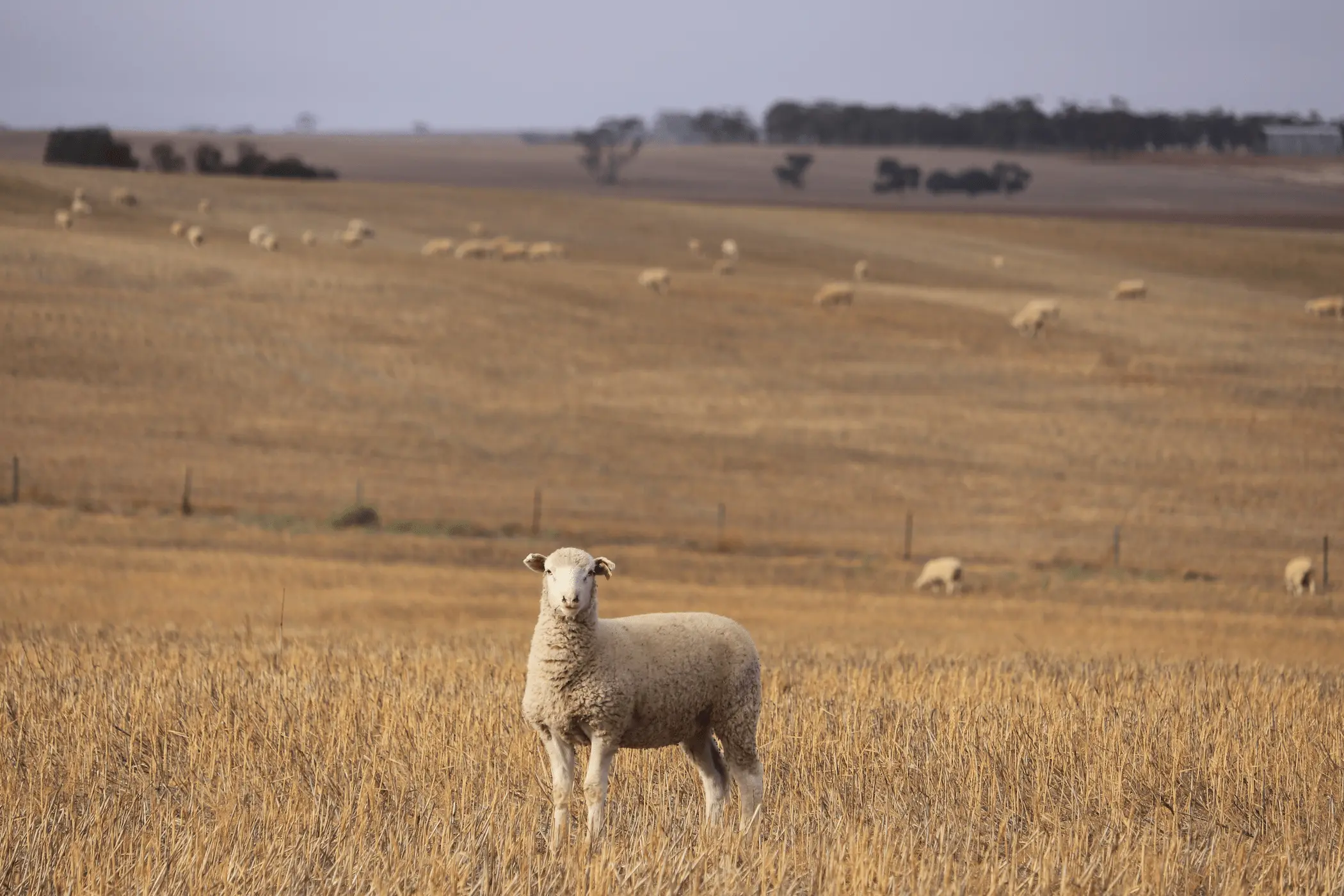
Hajj, the fifth pillar of Islam, is a highly anticipated ritual for many Muslims. As the global Muslim population grows and financial conditions improve, the demand to perform Hajj has increased. However, pilgrims encounter numerous challenges, particularly regarding the ritual of sacrifice. After completing the stoning of the Jamarat, pilgrims perform the sacrifice—slaughtering a sheep, cow, or camel—as an act of devotion to Allah Almighty. This analysis seeks to explore the specific challenges associated with the sacrificial ritual.
To be considered valid, a sacrificial animal must meet several criteria. It must be livestock—camels, cows, sheep, or goats—and adhere to Islamic age requirements: at least six months old for camels, two years for cows, one year for sheep, and six months for goats. The animal must be free from defects, including lameness, blindness, illness, or severe emaciation. It must be slaughtered in designated holy locations and within the timeframe set by Islamic law, from after Eid al-Adha prayer until the final days of Tashreeq (the 11th, 12th and 13th of Dhul-Hijjah.)
Programmes
17 Apr 2024
The Fallout of Escalating Iranian-Israeli Tensions
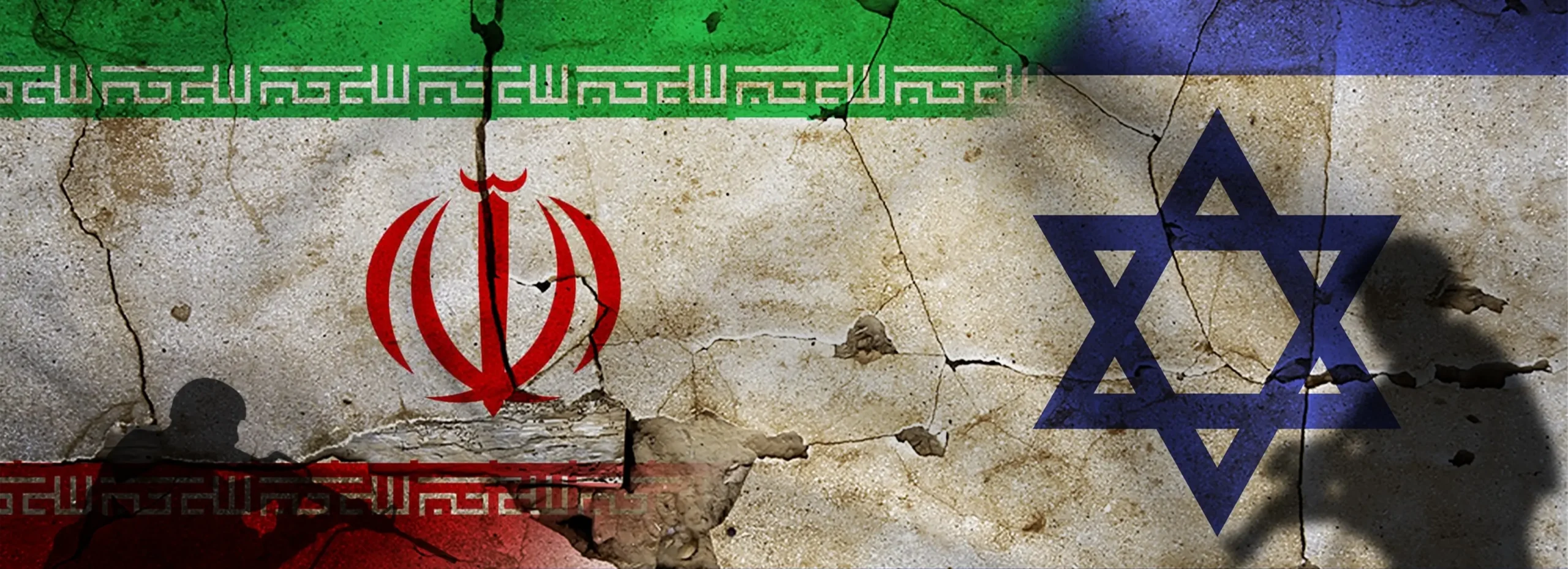
The Iranian Revolutionary Guard's Air Force made a historic move by launching a direct assault on Israel in an operation dubbed "The True Promise," marking the first instance of such an attack originating from Iranian territory. Late on Saturday, April 13, 2024, Israeli cities were subjected to a relentless barrage of drones and ballistic missiles, signalling a significant escalation in tensions between the two nations. This offensive action follows Iran's earlier pledge to retaliate against Israel for its targeting of the Iranian consulate in Damascus, an incident that resulted in the deaths of seven Revolutionary Guard members, including two high-ranking leaders, on April 1.
This calculated escalation underscores Iran's unwavering commitment to defending its sovereignty and national interests while bolstering regional security. The global spotlight now shifts to the scale, sophistication, and broader implications of Iran's strike against Israel.
The Iranian assault on Israeli soil marks a pivotal moment in the ongoing conflict between the two adversaries, thrusting their hostilities from the shadows into the open arena of direct confrontation.
Against this backdrop, the Israeli response hinges on several key factors. Firstly, the extent to which Iranian proxies, such as the Houthis and Hezbollah, may actively participate in the conflict will influence Israel's strategic calculus. Secondly, the response will be shaped by the presence or absence of casualties among Israeli forces, as well as the effectiveness of its defence systems, bolstered by support from the United States, in mitigating potential damage. Lastly, how Israel opts to retaliate will be of paramount importance in determining the trajectory of the conflict.
Consequently, this analysis aims to elucidate the attack's ramifications and its economic repercussions on the parties involved in the conflict.
Programmes
27 Sep 2023
Netanyahu and the Art of Storytelling
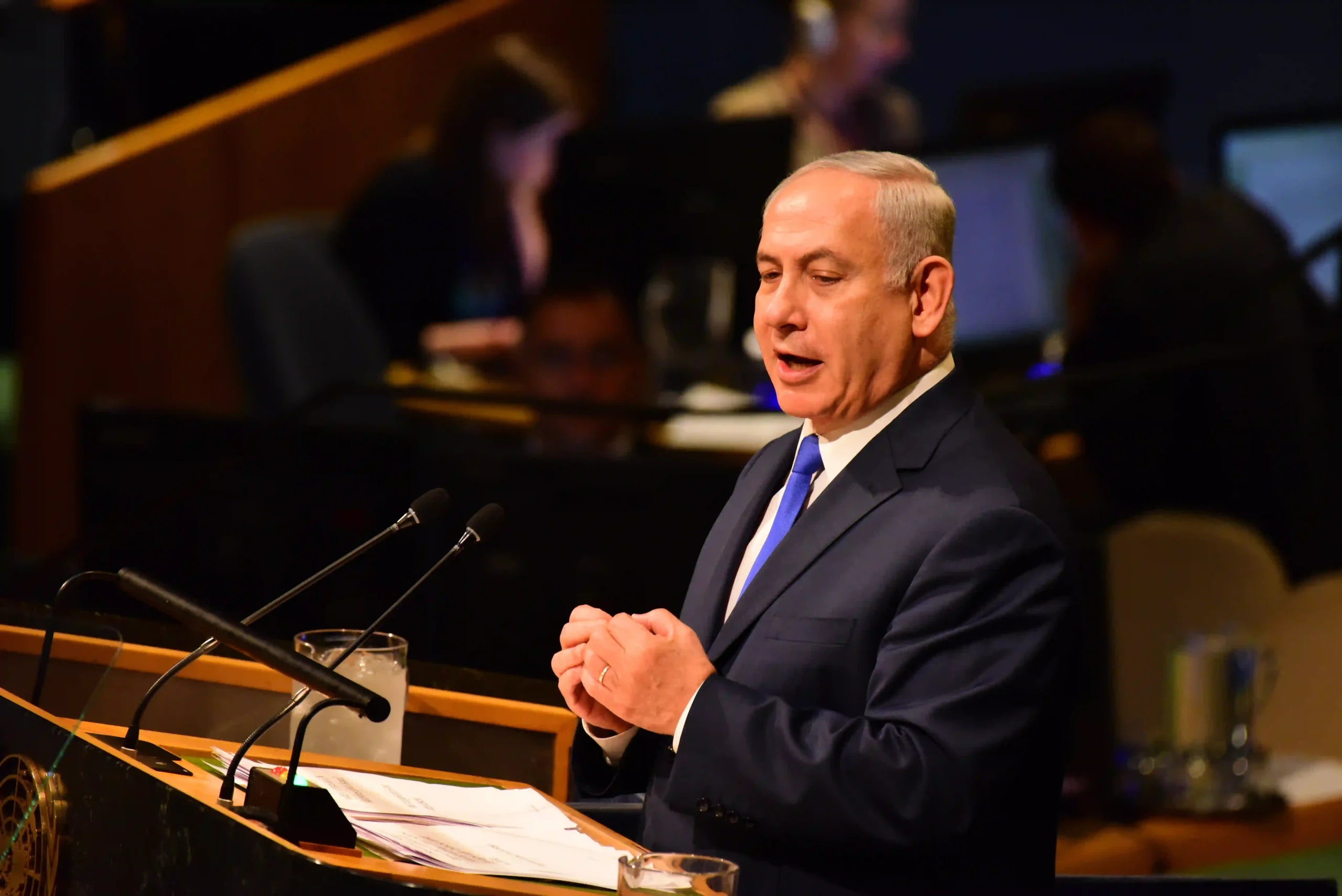
Since its emergence, Zionism has been an ideology of strategic and ambitious imagination. In his address to the UN General Assembly's 78th session, Israeli Prime Minister Benjamin Netanyahu takes every opportunity to confirm the effectiveness of this strategy and ensure the fruition of his vision for a “New Middle East.” Although the address was very much consistent with the Prime Minister’s record of flamboyant public speaking and Israel’s usual public image projection, it was equally revealing of a certain political desperation lurking in the shadows.
Publications
22 Dec 2022
Securing the Future Generation: A Road Map for Arab Nuclear Cooperation
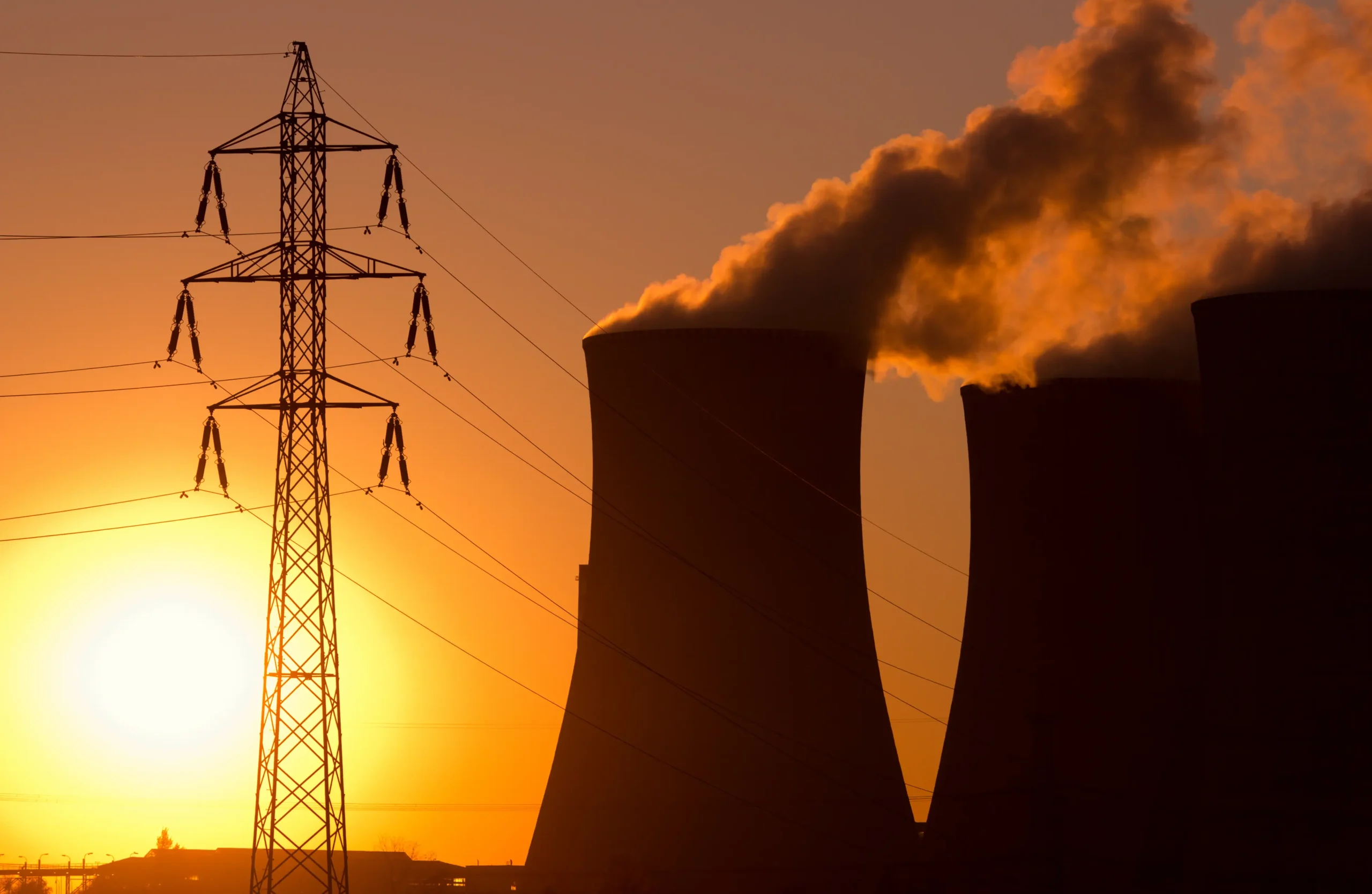
Nuclear cooperation attracts international and regional attention, many Arab countries have aspired to produce clean nuclear energy and have either begun or are seeking to join the nuclear energy club. The United Arab Emirates (UAE), The Kingdom of Saudi Arabia (KSA) , Egypt, and Jordan, are the frontrunners in the Middle East and therefore will be the focus of this paper. Nuclear power is an international industry in terms of operation, supply chains, and vendors, as well as nuclear safety, non-proliferation and waste management, therefore, there is an ongoing need for cooperation and collaboration between states. This cooperation can include sharing technical expertise and nuclear technology, establishing agreements that facilitate nuclear exports, agreements on nuclear safety and standards, and collaboration with regulatory frameworks.
The paper employs horizontal or environmental scanning to analyse the current position of nuclear energy in each country and their preparedness for nuclear cooperation, as well as existing models of nuclear cooperation in other regions. Thereafter, the paper explores the different incentives countries may have for engaging in nuclear cooperation, including the potential benefits to be gained. A SWOT analysis is used to structure the environmental scanning, evaluating the strengths, weaknesses, opportunities, and threats within each country with regards to their potential role and contribution to nuclear cooperation in addition to an overall SWOT analysis of the countries as a whole with regards to the prospect of ongoing collaboration.
The paper is divided into three chapters; the first chapter provides an overview of nuclear energy in each of the selected countries, the second chapter examines existing models of nuclear cooperation and analyses the different enabling factors which will later be used to identify opportunities for Arab nuclear collaboration, and the third chapter analyses the various economic, political, and security incentives that would drive countries to seek cooperation or that can be used to advocate for greater collaboration among policymakers.
A cooperation model is produced as a result of this analysis, highlighting key characteristics of the ideal regional partnership. Three scenarios for Arab nuclear cooperation are evaluated to demonstrate what could occur if this proposed cooperation occurs, how it would happen, and the scenarios of no collaboration or limited cooperation.