
Programmes
20 May 2026
A Fractured Kingdom: Political Fragmentation and the Crisis of Trust in Post-Election Britain
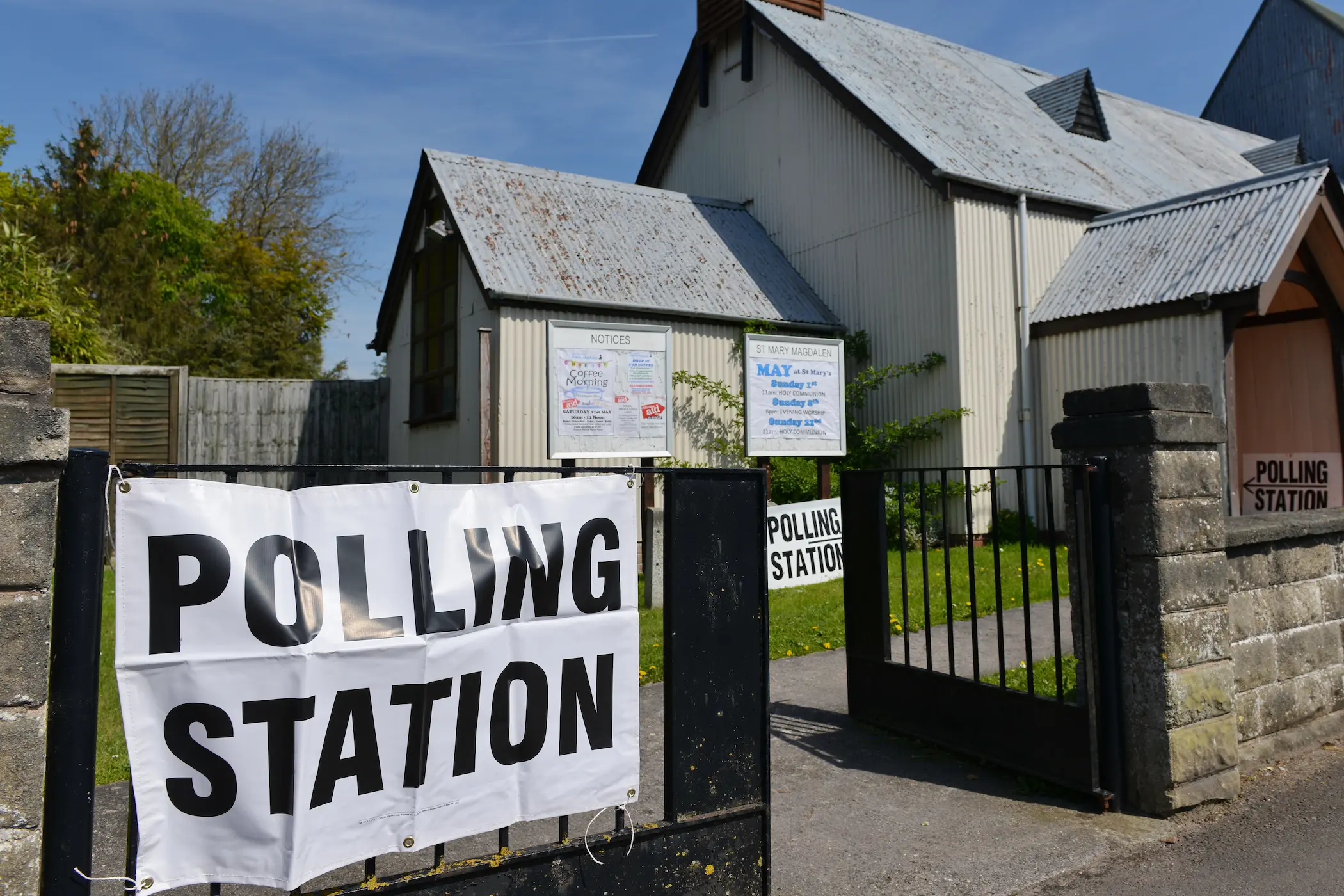
The results of the 2026 UK local elections while shocking to some, are overall not surprising. After all, it was projected the Labour Party was going to incur significant losses, while Reform UK was projected to win big, of which both projections were somewhat accurate. Moreover, despite a poor showing for the Conservative Party, they did manage to regain a few councils back from the Labour Party such as Westminster, while the Liberal Democrats and the Green Party managed to have positive results. The extent of the Labour Party losses extends beyond the England elections, as they managed to lose their majority in the Welsh parliamentary elections as well as lose seats in the Scottish parliamentary elections as well. These results are a sign that the UK political system is no longer just Labour vs. Conservative but now the political structure of the UK has been entirely realigned to reflect a fragmented system.
The election results already have several implications for the country. These implications include the confirmed fragmentation of the British political system and lack of trust and confidence in the current government. Naturally, these implications spell trouble for Prime Minister Sir Keir Starmer and the Labour Party.
Programmes
16 May 2026
From Two-Party Politics to Multiparty Competition: Where Is Westminster’s Party Landscape Headed?
Since the post-Second World War period, politics in the United Kingdom have been shaped by a stable two-party system. This balance was structurally reinforced by the First-Past-the-Post (FPTP) electoral system, which enabled the Labour and Conservative parties to dominate government for nearly a century. The results of the local elections held in May 2026, however, signalled a clear shift in this established model. The elections revealed electoral fragmentation and a redistribution of support among five major parties, driven by the rise of Reform UK, growing support for the Green Party, and the continued influence of regional nationalist parties.
As a result, the combined vote share of the two traditional parties fell to a historic low of 37.7%, an unprecedented level driven by the rapid fragmentation of the electorate, ongoing economic change, the declining effectiveness of the social contract, and the weakening ability of institutions to provide services. This has brought to light a structural crisis within the political system that requires a reassessment of the trajectory of the British political system, to determine whether the country is moving towards a permanent multi-party system similar to the European model, or whether the structural mechanisms of the Westminster parliamentary system remain capable of imposing a new equilibrium on the two-party system.

Programmes
6 May 2026
The UK Local Elections: Final Nail in the Coffin for the Labour Party?
The 2024 General Election in the United Kingdom saw history being made, as the Labour Party under the direction of Sir Keir Starmer scored a landslide victory over the Conservative Party. Despite this landslide victory and the promise of significant change following years of Conservative Party turmoil, the Premiership of Starmer has not been smooth. Prime Minister Starmer’s term has been littered with major policy U-turns, political scandal, and an increase in support for populist movements. Naturally, this has contributed to a loss in confidence in Starmer’s government and leadership abilities, with many in the House of Commons and the British public questioning the government’s judgment, confidence, and competence.
To add insult to injury, the Labour Party lost the Gorton and Denton byelection (a seat held by the Labour Party for 100 years) and is still suffering from the Mandelson scandal, which further contributed to further loss of trust in the system. As the local elections are fast approaching and Starmer’s approval continues to plummet, the question remains: will a loss in these local elections be the final nail in the coffin for the Labour Party and Starmer?

Programmes
25 Mar 2026
Manufacturing the Narrative: How Western Media Distorted What Really Happened in Dubai
Since late February 2026, the regional and international geopolitical landscape has entered a phase of accelerating military escalation following the outbreak of direct confrontation between the United States and Israel on one side and Iran on the other. That conflict has triggered successive waves of missile and drone attacks, generating recurrent spillover effects that have directly affected the airspace of Gulf states, particularly the United Arab Emirates.
Although the United Arab Emirates’ defence and institutional infrastructure, particularly in Dubai, demonstrated exceptional resilience and an immediate operational response to these threats through the activation of advanced air defence systems and the careful, precautionary management of brief airspace closures to safeguard air navigation and civilian safety, the real crisis did not lie solely in the direct military dimension. It also extended into a highly complex information war.
These developments coincided with the strict enforcement of domestic cybercrime laws, which restricted the circulation of unauthorised images and video footage in an effort to prevent panic and protect national security. Yet this also created an opening that the Western media machine exploited strategically and systematically to dominate the flow of information and construct a distorted account of events.
Against this backdrop of stark divergence between the coherent reality on the ground and the remote narrative constructed around it, international media outlets, particularly the British tabloid press, turned into vehicles for an extraordinary degree of dramatization. What were, in reality, limited regional spillovers were presented as evidence of an imminent and inevitable collapse of Dubai’s entire economic and social model.
By adopting provocative and polarising headlines that flatly declared Dubai “finished”, and casting the crisis as the tragic collapse of the safe tax haven dream, these outlets embraced a line of analysis wholly detached from realities on the ground. Verified evidence of business continuity and the strength of the UAE’s security architecture was sidelined in favour of a pre-packaged disaster narrative. This shift demands a deeper analytical and historical examination of the mechanisms and the economic and political incentives that can drive media institutions away from their role as objective conveyors of fact and turn them into instruments for shaping global public opinion.

Programmes
23 Dec 2025
Class, Declinism, and Emotional Turmoil: The Great British Migration to Dubai
Since Brexit, the United Kingdom (UK) has been experiencing a governance issue, as the Conservative Party suffered from instability due to numerous leadership changes, while the recently elected Labour Party lacks the ambition and confidence needed to effectively govern. Combined with the shocks stemming from Brexit, COVID-19, and the Russia-Ukraine War, the UK has experienced economic stagnation and the deterioration of public services, which has resulted in British nationals migrating abroad.
One of these locations is the UAE, more specifically, Dubai. There are approximately 240,000 British nationals currently living in Dubai, with more to join as there was a 420% increase in internet searches in the UK centered on moving to Dubai. Those are staggering statistics, and the number is only going to grow as more British nationals across the socio-economic spectrum continue to migrate to Dubai. However, the reasons explaining British migration to Dubai are not as simple as lower taxes, security, and great weather. One can argue the rise of British migration to Dubai can be attributed to a desire to break from a ridged class system, declinism, and emotional turmoil brought on by the cost-of-living crisis.

Programmes
10 Nov 2025
What If: The Next Power Race Is for Data, Not Land?
The race for global dominance is no longer fought over land, oil, or military might, it is rapidly unfolding in the realm of data. Across the world, governments are fortifying their digital borders, investing in surveillance technologies, and rewriting laws to claim ownership over the information flowing through their networks.
What emerges is a contest not for territory but for control over the data that defines modern life, who produces it, who stores it, and who decides how it is used. This silent power race is redrawing the global order, creating new hierarchies of influence built on algorithms and infrastructure rather than armies. As states weaponise information, the battle for sovereignty is shifting from physical borders to the digital terrain of human behaviour.
Publications
1 Oct 2025
Who Stands to Gain from the H-1B Visa Shake-Up?
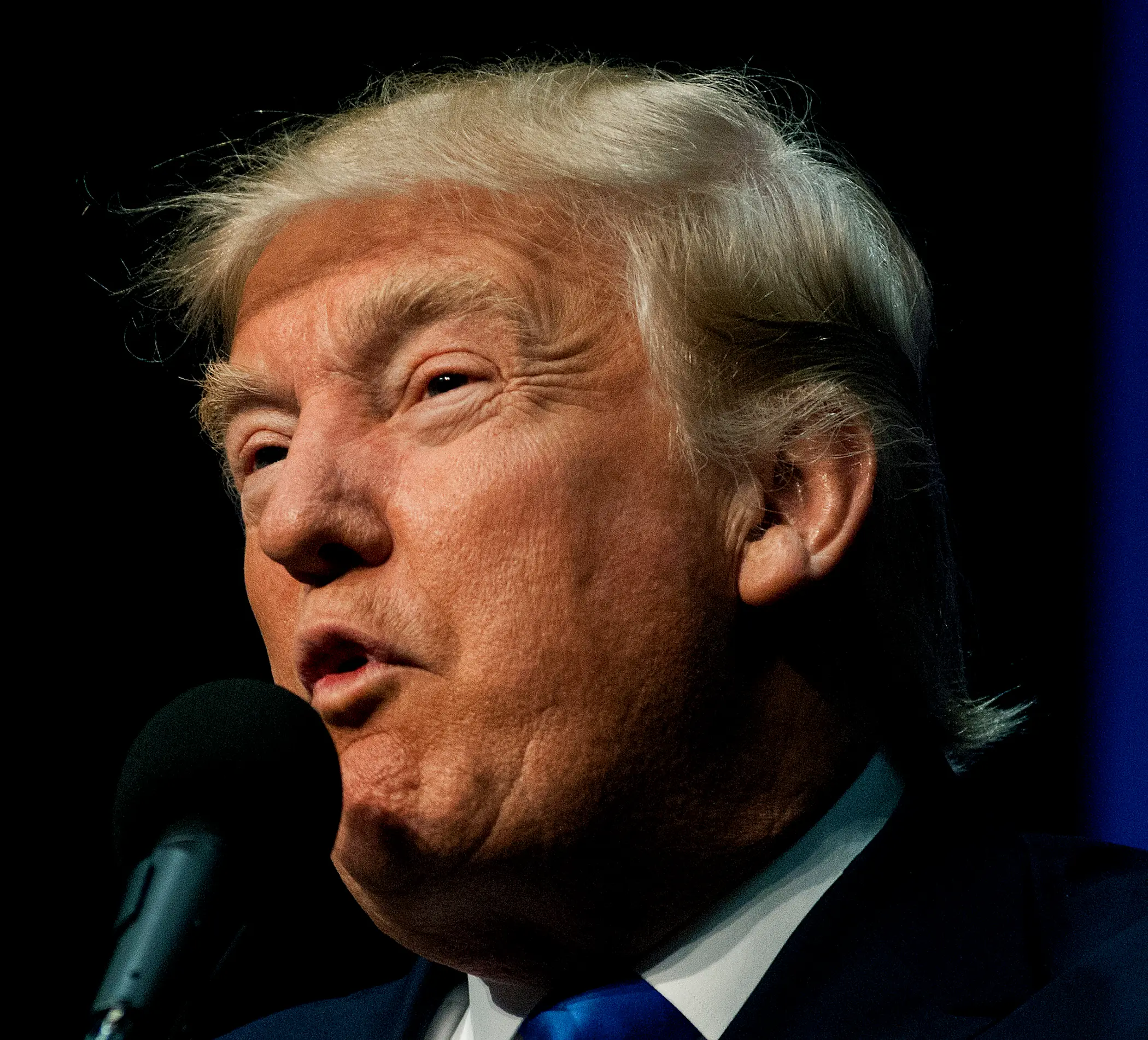
Since taking office, U.S. President Donald Trump’s unpredictable decisions have become a puzzle to follow, let alone to anticipate. Amid this growing political turbulence, a dose of rational analysis is badly needed. His recent move on the H-1B visa program, for instance, has reverberated across the globe. Though seemingly aimed at harrassing India, the policy has instead cornered the United States itself, fueling economic strain, draining valuable talent, and unsettling the tech industry. The ripple effects are already visible in Silicon Valley and among those aspiring to join it. Yet, this turbulence also opens a window of opportunity. Nations in Europe, Asia, and the Gulf, if swift and strategic, could position themselves to attract the very talent cast aside by Washington. Still, seizing this chance is no straightforward task. It demands structural reforms, long-term vision, and proactive policies. Dislodging Silicon Valley from its pedestal is not impossible, but neither is it simple or automatic. What matters now is understanding the impact on the U.S., its economy, its talent pool, and recognizing what ambitious countries must do if they wish to challenge the world’s current tech giant.

Programmes
17 Aug 2025
Domino Effect: Are More States Moving Toward Recognising Palestine?
Recent statements by France, the United Kingdom, and Canada—subsequently echoed by other European states—on their intention to recognise a Palestinian state in September mark a notable transformation in the policies of major Western powers toward the Palestinian question. This development comes against the backdrop of the deepening humanitarian catastrophe in Gaza, manifested in widespread famine and a death toll exceeding 60,000, which has further amplified international calls for an urgent political resolution to the decades-long Israeli–Palestinian conflict.
The announcements from Paris, London, and Ottawa—particularly France’s unconditional pledge alongside the conditional approaches adopted by the United Kingdom (UK) and Canada—represent a clear departure from traditional diplomatic norms, which had long tied recognition of a Palestinian state to the conclusion of a comprehensive negotiated peace agreement. This shift reflects mounting frustration over the stalled peace process, coupled with a growing conviction that conventional pathways have ceased to yield results. Recognition of Palestine is now increasingly seen not merely as the outcome of peace but as an instrument to catalyse the political process, thereby reshaping the diplomatic tools available for addressing the conflict and establishing a precedent that other states may exploit to strengthen international pressure.
At the international level, between 140 and 147 of the 193 UN member states already recognise Palestine as a sovereign state. This broad consensus provides the reference framework for understanding the recent decisions taken by France, the UK, and Canada. Notably, these three countries are all members of the G7, none of which had taken such a step before France’s declaration. France—Europe’s most populous nation—thus emerges as a prominent actor in this diplomatic shift, with both France and Canada poised to become the first G7 states to extend formal recognition to Palestine.
By contrast, the U.S. remains the sole permanent member of the United Nations Security Council (UNSC) that has yet to recognise the State of Palestine. This imbues the current shift with symbolic weight, laying the groundwork for a recalibration of diplomatic pressure on both Israel and the U.S., and potentially encouraging other hesitant Western states to follow suit. The divergence of positions within the Atlantic powers also underscores how internal pressures and the urgency of the humanitarian crisis have shaped the emergence of more assertive stances. Against this backdrop, this analysis explores the drivers behind this shift and its political and security implications for the states concerned, alongside the anticipated responses from Israel and the U.S.

Programmes
8 Dec 2024
Are We Waving Goodbye to Macron?
France's political crisis is moving toward uncharted territory. Since June, President Emmanuel Macron has thrown the nation into turmoil by calling for snap elections. This decision set off a cascade of crises, culminating in the resignation of Michel Barnier, the shortest-serving prime minister in France’s modern history. The fallout isn’t confined to France alone; its ripple effects are being felt across the European continent. Considered the culprit of all this, the question looms: will Macron soon be ousted?

Programmes
3 Jul 2024
Foreign Policy Challenges for 10 Downing Street’s Next Resident
While most electoral debates focus on domestic politics, foreign policy remains a crucial aspect. It seems, however, that Prime Minister Rishi Sunak was aware of this when he appointed David Cameron as Secretary of State for Foreign Affairs. Regardless of who wins, most likely the Labour Party, there will definitely be changes to the current situation. Issues ranging from relations with European neighbours to migration and defence are ready for the upcoming prime minister.

Programmes
11 Jun 2024
Migrants Not Welcome: The UK’s Safety of Rwanda Bill
This article was originally published on Ahram Online on June 11, 2024.
In April 2022, then-Prime Minister Boris Johnson announced a plan to deport asylum seekers to Rwanda under the newly enacted "Safety of Rwanda Bill." This bill generated significant controversy and was described as incompatible with the U.K.'s legal obligations. Both the British Supreme Court and the European Court of Human Rights ruled that the bill violated legal obligations and was incompatible with international conventions to which the U.K. is a signatory. In June 2022, the first flight carrying asylum seekers from the U.K. to Rwanda was cancelled minutes before take-off after the European Court of Human Rights issued last-minute commands to stop it. Two years later, with a new Prime Minister in office and despite international legal pressure, Parliament has finally passed the bill. However, the controversy has not ended. The high economic costs and concerns over human rights continue to render the Safety of Rwanda Bill contentious and problematic.