

Programmes
8 Sep 2026
From Dependency to Influence: How the Global South Changed the United Nations’ Map?
The United Nations General Assembly’s resolution on ‘Correct the Map’ extends beyond the technical debate over map projections. It reveals a new arena of symbolic contestation in which countries of the Global South are seeking to renegotiate how the world is represented. The resolution encourages the use of equal-area projections, particularly Equal Earth. It neither prescribes a single map nor alters national borders but confers explicit UN legitimacy on a longstanding African demand: that the continent should not be depicted in education, the media or international institutions in ways that diminish its spatial weight relative to northern regions. Viewed in this light, the vote represents more than a geographical correction. It marks a political breakthrough in ‘visual governance’, where knowledge intersects with power and the image of the world presented to the public becomes a matter for negotiation within the multilateral system.
This initiative comes at a time when countries of the Global South are increasingly able to place questions of identity and representation on the international agenda. The resolution’s adoption demonstrates that soft power operates not only through culture and discourse but also through the standards that shape public knowledge. Changing a map projection will not, in itself, redirect investment or reconfigure supply chains. It does, however, provide a narrative instrument through which countries in Africa, Latin America and South Asia can highlight the scale of their markets, the reach of their corridors and their position within global resource and trade networks. ‘Visual emancipation’ thus offers a means of presenting the South’s geoeconomic weight anew: a framework that helps make its material sources of power more visible and encourages them to be taken more seriously.
Throughout history, maps have been among the most influential instruments of epistemic authority. They serve practical purposes in navigation and administration, while also determining what occupies the centre, what appears at the margins, how borders are drawn and how places are named. Cartography has therefore been inseparable from the state and empire. Maps have been used in surveying, taxation, military campaigns and the delineation of spheres of influence, helping to turn geographical space into a domain that can be administered and controlled. Every map carry, alongside its data, assumptions about purpose, scale, projection and the viewer’s standpoint. Reading a map consequently requires more than asking whether it is accurate. It demands a more political set of questions: accurate for what purpose, who chose this way of depicting the world, and what perceptions does that choice entrench when it becomes a widely accepted standard?
Since the sixteenth century, the Mercator projection has occupied an exceptional position in world cartography. Designed primarily for navigation, it preserves angles and represents constant bearings as straight lines but increasingly exaggerates area towards the poles. The problem lies in its adoption as a general image of the world in classrooms, the media and digital platforms, including settings where comparing areas is the principal objective, rather than in its use for the task for which it was designed. The consequences are particularly clear in the comparison between Africa and Greenland. On many Mercator maps, they appear similar in size, whereas Africa covers approximately 30.37 million square kilometres, nearly fourteen times Greenland’s roughly 2.17 million square kilometres. Repeated across generations, this image does not create political marginalisation on its own but supplies it with a visual language consistent with the North’s centrality in the global imagination.
The Correct the Map resolution, led by Togo on behalf of the African Group and supported by the African Union, brings this objection into an international institutional framework. The General Assembly adopted the text contained in document A/80/L.104 with 164 countries voting in favour, the United States alone voting against, and six abstentions. The political significance of this outcome lies in the breadth of support beyond Africa and the countries traditionally associated with the Global South, encompassing European states and international powers with divergent interests. The resolution is not legally binding and does not affect sovereignty, borders or the legal status of disputed territories. It does, however, call on educational institutions, the media, international organisations and digital platforms to give serious consideration to projections better suited to depicting relative areas. Its principal strength therefore lies in transforming ‘visual justice’ from an African advocacy campaign into an international norm capable of wider adoption.
Programmes
17 Aug 2025
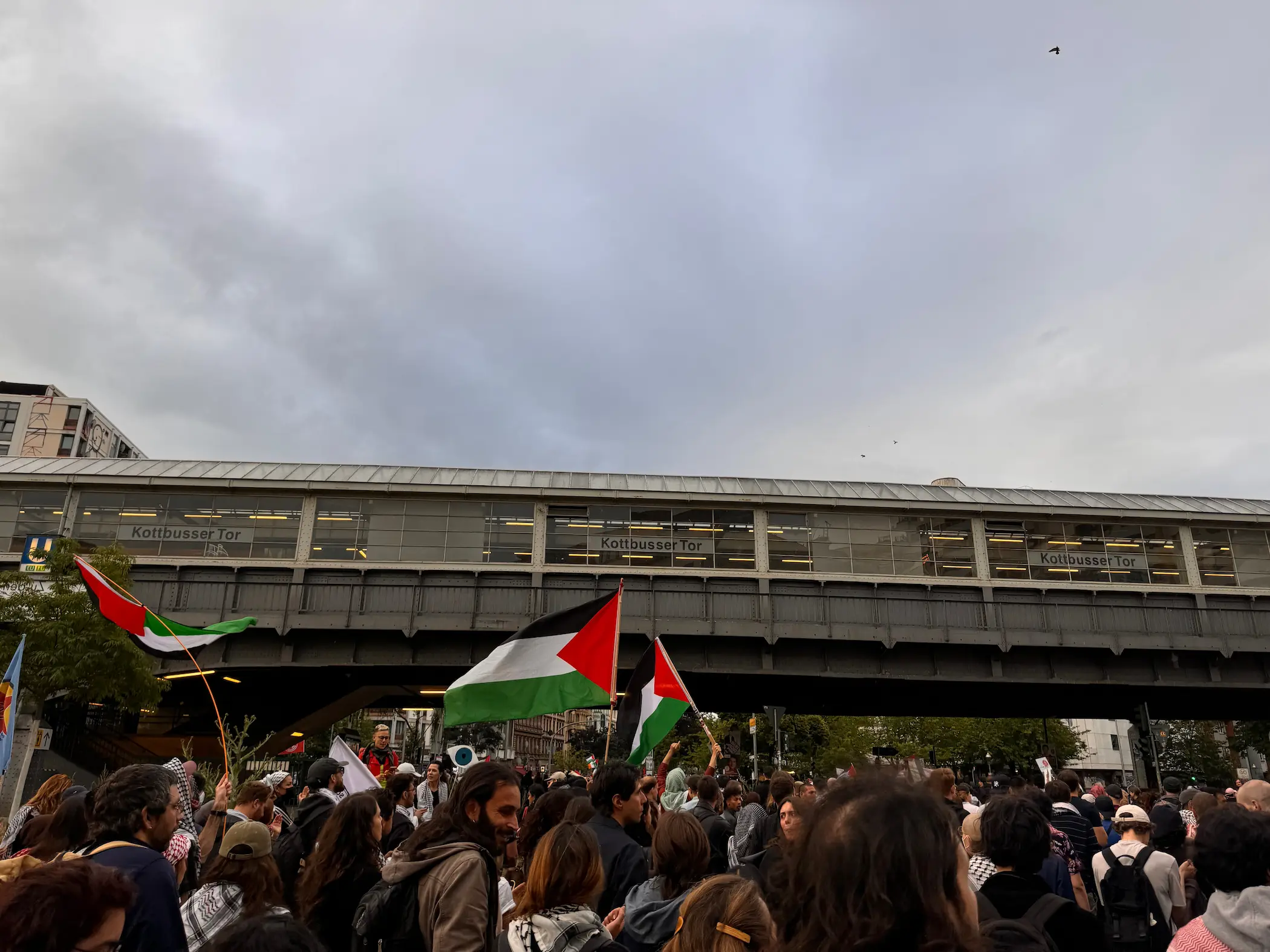
Domino Effect: Are More States Moving Toward Recognising Palestine?
Recent statements by France, the United Kingdom, and Canada—subsequently echoed by other European states—on their intention to recognise a Palestinian state in September mark a notable transformation in the policies of major Western powers toward the Palestinian question. This development comes against the backdrop of the deepening humanitarian catastrophe in Gaza, manifested in widespread famine and a death toll exceeding 60,000, which has further amplified international calls for an urgent political resolution to the decades-long Israeli–Palestinian conflict.
The announcements from Paris, London, and Ottawa—particularly France’s unconditional pledge alongside the conditional approaches adopted by the United Kingdom (UK) and Canada—represent a clear departure from traditional diplomatic norms, which had long tied recognition of a Palestinian state to the conclusion of a comprehensive negotiated peace agreement. This shift reflects mounting frustration over the stalled peace process, coupled with a growing conviction that conventional pathways have ceased to yield results. Recognition of Palestine is now increasingly seen not merely as the outcome of peace but as an instrument to catalyse the political process, thereby reshaping the diplomatic tools available for addressing the conflict and establishing a precedent that other states may exploit to strengthen international pressure.
At the international level, between 140 and 147 of the 193 UN member states already recognise Palestine as a sovereign state. This broad consensus provides the reference framework for understanding the recent decisions taken by France, the UK, and Canada. Notably, these three countries are all members of the G7, none of which had taken such a step before France’s declaration. France—Europe’s most populous nation—thus emerges as a prominent actor in this diplomatic shift, with both France and Canada poised to become the first G7 states to extend formal recognition to Palestine.
By contrast, the U.S. remains the sole permanent member of the United Nations Security Council (UNSC) that has yet to recognise the State of Palestine. This imbues the current shift with symbolic weight, laying the groundwork for a recalibration of diplomatic pressure on both Israel and the U.S., and potentially encouraging other hesitant Western states to follow suit. The divergence of positions within the Atlantic powers also underscores how internal pressures and the urgency of the humanitarian crisis have shaped the emergence of more assertive stances. Against this backdrop, this analysis explores the drivers behind this shift and its political and security implications for the states concerned, alongside the anticipated responses from Israel and the U.S.
Programmes
8 Jan 2025
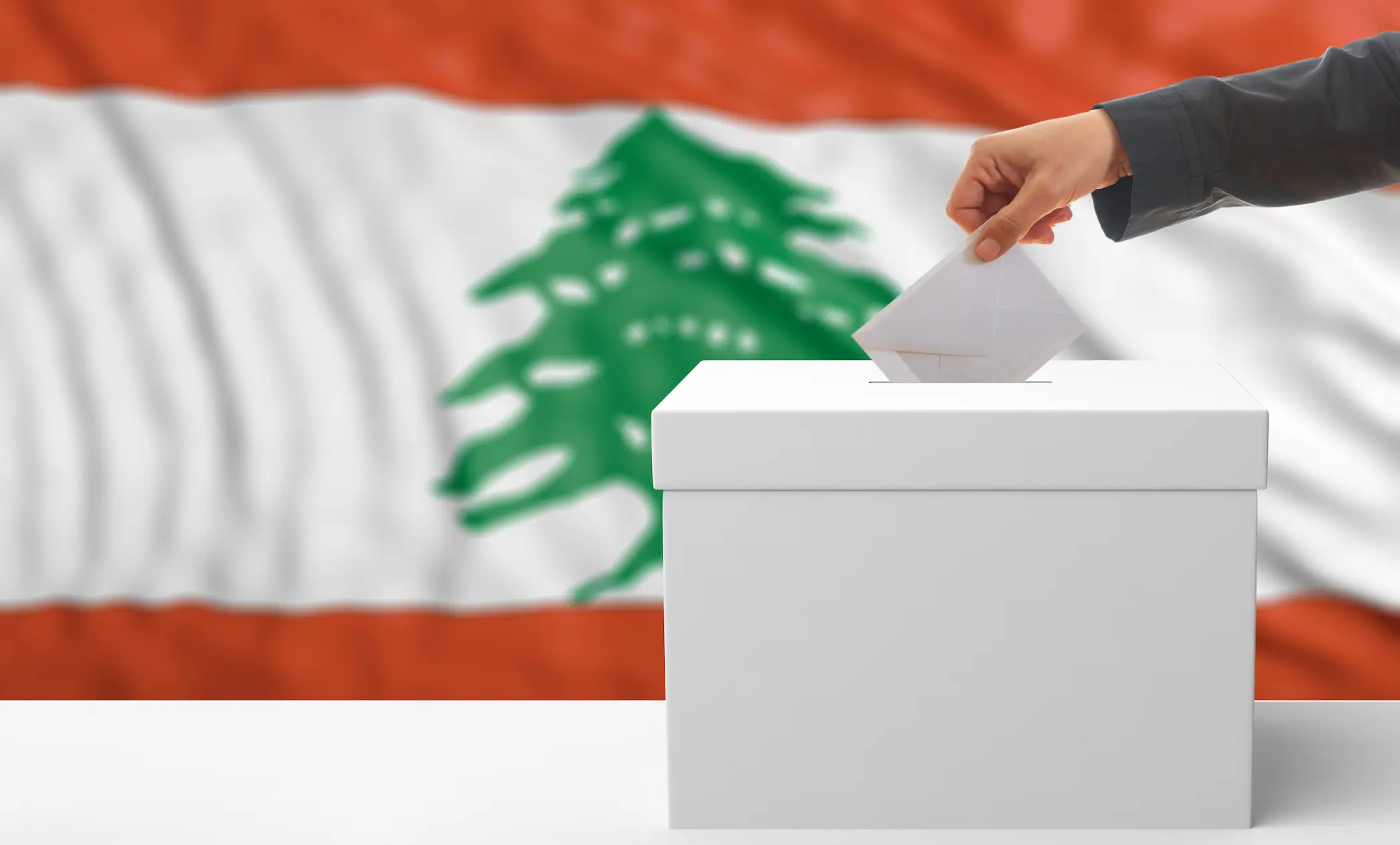
Back to Square One: Will the Presidential Vacuum in Lebanon Come to an End?
Lebanese Parliament Speaker Nabih Berri reiterated his call for a general session of Parliament on Jan. 9, 2025, to elect a new president as Lebanon’s presidential vacuum stretches into its third year. This call comes amid an ongoing crisis that began on October 31, 2022, following the end of former President General Michel Aoun's term. Aoun’s departure marked the conclusion of a previous presidential vacuum that lasted for 29 months, during which 45 attempts to reach a quorum for his election were unsuccessful. In the current vacuum, Parliament has failed to elect a president after twelve sessions, the most recent of which was held on June 14, 2024. This series of unsuccessful attempts highlights the profound complexities of Lebanon’s political process.
Recent domestic initiatives aimed at resolving the presidential vacancy and reaching a consensus on a candidate have also faltered. Meanwhile, representatives from five key countries, the United States, France, Saudi Arabia, Egypt, and Qatar, continue their efforts to mediate and navigate the obstacles hindering Lebanon’s political forces from agreeing on a mechanism to address the protracted vacancy crisis.
Amid persistent uncertainty surrounding the identity of Lebanon’s next president, political circles have been actively circulating the names of potential candidates. Among these, Commander of the Lebanese Army General Joseph Aoun, has emerged as a strong contender and is widely viewed as a likely consensus candidate.
The upcoming parliamentary session has ignited significant hopes that it may produce tangible results and lead to the selection of a new occupant for Baabda Palace. However, this optimism is tempered by pressing questions about whether Lebanon’s political forces can overcome their divisions, resolve the presidential vacuum, and converge on a candidate amidst the shifting political dynamics within Lebanon and across the region.

Programmes
8 Dec 2024
Are We Waving Goodbye to Macron?
France's political crisis is moving toward uncharted territory. Since June, President Emmanuel Macron has thrown the nation into turmoil by calling for snap elections. This decision set off a cascade of crises, culminating in the resignation of Michel Barnier, the shortest-serving prime minister in France’s modern history. The fallout isn’t confined to France alone; its ripple effects are being felt across the European continent. Considered the culprit of all this, the question looms: will Macron soon be ousted?

Programmes
28 Jul 2024
Are the Paris Olympics Too Political?
The Paris 2024 Olympics edition is undoubtedly unique. While the Olympics have always been political, this time they are taking place amid significant uncertainty and instability in the host country, as well as on a global stage already heated by two ongoing wars which makes it a particularly distinctive Olympics. This highly anticipated event is expected to be leveraged by President Emmanuel Macron as he seeks to restore some of his lost prestige following his party's defeat in the snap elections he called for. Nevertheless, France is likely to encounter numerous internal and external challenges leaving political events overshadowing athletic performances.

Programmes
27 Jun 2024
France’s Parliamentary Election: What is Going on in Paris?
In a surprising move, and after the far-right National Rally (RN) party dominated in the European elections in France, French President Emmanuel Macron announced the dissolving of parliament and called for snap elections. The move is seen as very risky, with many believing that it will further embolden the far-right whose chances of winning a parliamentary absolute majority exceeds that of Macron’s coalition. Nevertheless, Macron’s decision is not without some strategic planning. Nonetheless, whether the French president succeeds in his plan or not, watching French politics for the upcoming three years will be definitely be interesting.
Programmes
10 Mar 2024
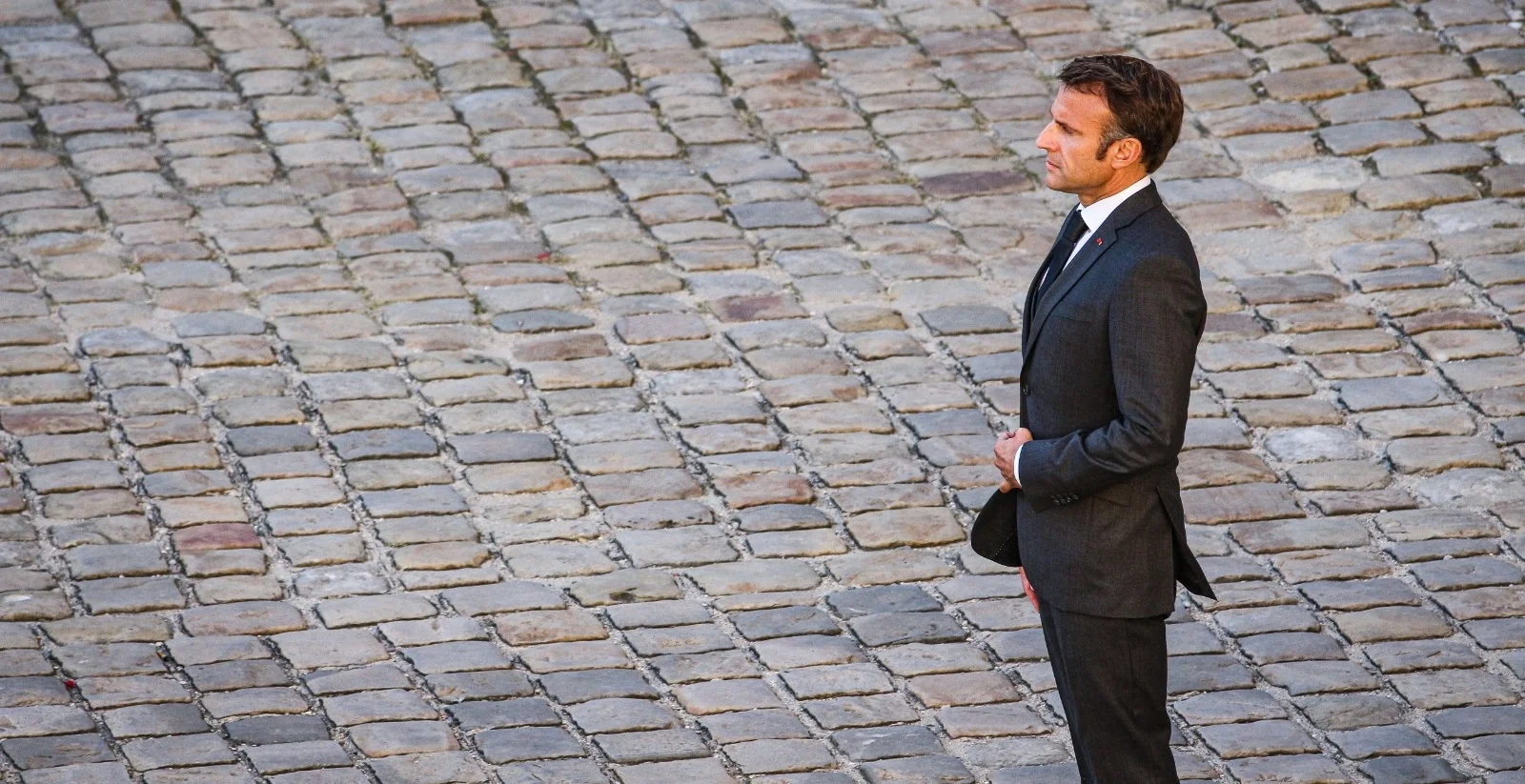
Macron’s War Rhetoric and his Desperate Quest for Prestige
“Nothing should be ruled out” said French President Emmanuel Macron when asked about possibilities of sending troops to Ukraine. By speaking about going to war, Macron may have aimed to dispel a long-standing joke about the French always surrendering. However, both French and NATO leaders have publicly rejected the idea of sending European or alliance troops to Ukraine. Prominent figures such as U.S. President Joseph Biden, German Chancellor Olaf Scholz, Polish Prime Minister Donald Tusk, NATO Secretary-General Jens Stoltenberg, and others have asserted that such action is not on the table. The widespread domestic and regional opposition implies that even if Macron was genuinely considering sending troops to Ukraine, he would not receive the necessary support for such a radical decision.
Programmes
5 Mar 2024
How Europe Alienated Farmers and Revived Populism
This article was originally published on Ahram Online on Mar. 4, 2024.
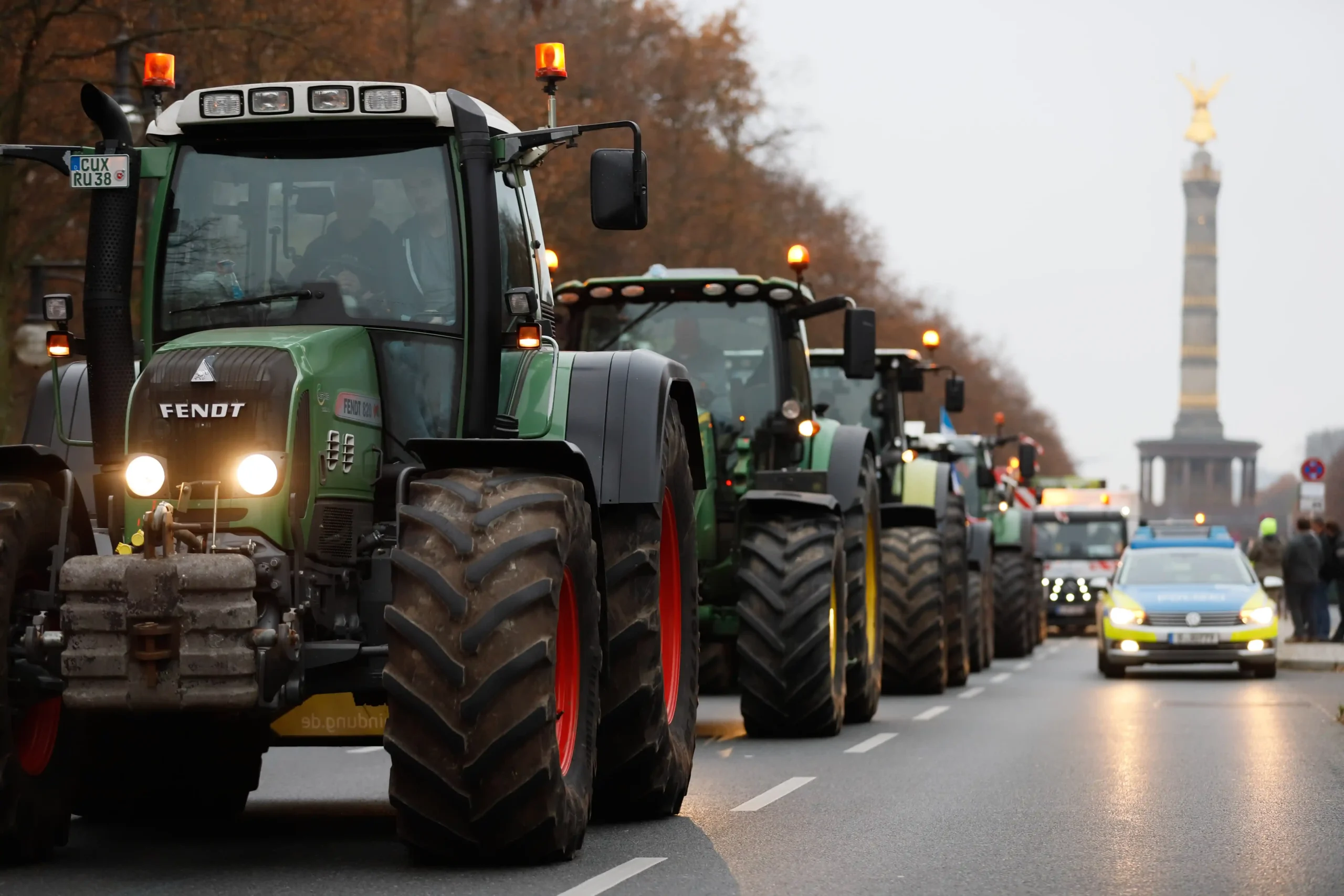
Farming and food have become two of Europe’s most emotionally charged issues. The farmers protests that have been erupting across the EU this year are finally getting much sought after attention. But farmers have been expressing their discontent with EU policies for years and now, with a broader cost-of-living crisis, the discontent is spreading as European’s socio-economic anxieties rise. From favouring corporate interests to mishandling crises, European policies have presented populist and far-right forces with a new opportunity to pull in more voters —and it’s proving successful.
Programmes
11 Apr 2023
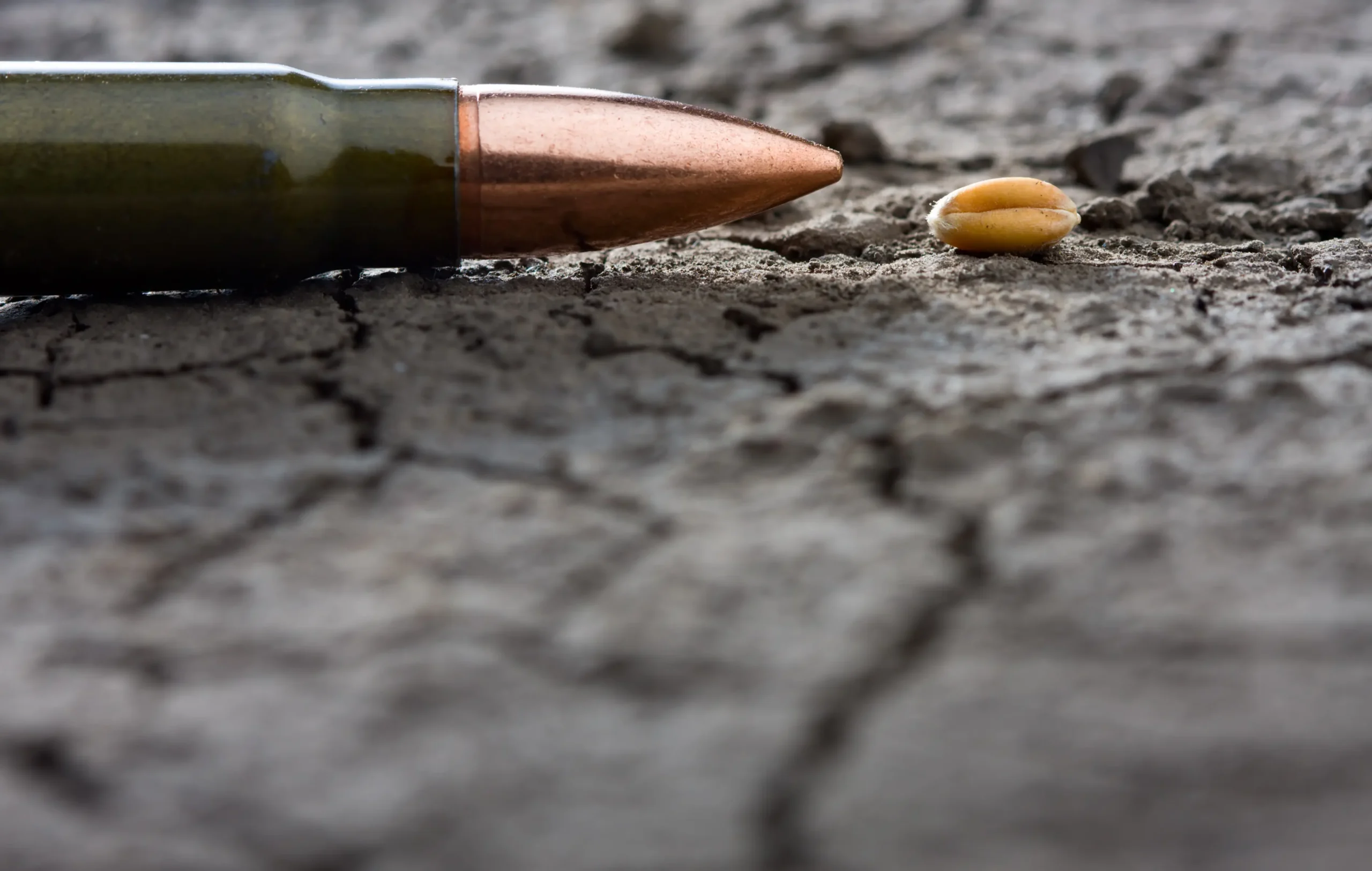
Between Grain and AK-47s: Russian Influence in Africa
The Russian presence in Africa has recently increased after a decline of nearly three decades since the dissolution of the Soviet Union in the nineties of the last century. Russian-African relations are part of Russia's new strategy to enhance its international influence. This strategy conforms to Russia's situation in international affairs, including its support for countries that contradict Western policies. Moscow has focused its influence on the West African region, taking advantage of Western policy mistakes, the mounting anti-European sentiment, and the long-standing failure of international and domestic actors to address the root causes of the regional instability. The first Russian-African summit in Sochi in October 2019 concluded contracts with more than 30 African countries for the supply of weapons and military equipment. It thus opened the door for state-backed companies to invest heavily in the security and technology sectors and industries that extract natural resources such as oil, gas, gold and other minerals.
On the other hand, the Russian-Ukrainian conflict did not impede this rapprochement but rather contributed to developing the partnership between the two parties to take the form of a strategic alliance. This was apparent in the speeches and statements of President Vladimir Putin, the most prominent of which was the speech he delivered at the International Parliament Conference "Russia - Africa in a Multipolar World", which was held in Moscow in March of this year on the sidelines of Saint Petersburg preparations for the second coming Russian – African summit to be held in July 2023. Putin reiterated that cooperation between Moscow and African countries was and will always be one of the top fixed priorities of Russia's foreign policy, declaring Russia's fulfilment of all its obligations, including supply of food, fertilisers, fuel and other essential products to the countries of the continent, which helps ensure food and energy security.
In light of the ongoing Russian-Ukrainian conflict, this analysis aims to shed more light on the motivations and characteristics of the Russian strategy in Africa. It also seeks to highlight the challenges to Russian influence expansion as well as the prospects for Russian-African relations in the future.