
Programmes
24 Jul 2026
The End of Free Passage? The Future Struggle Over the World’s Sea Lanes
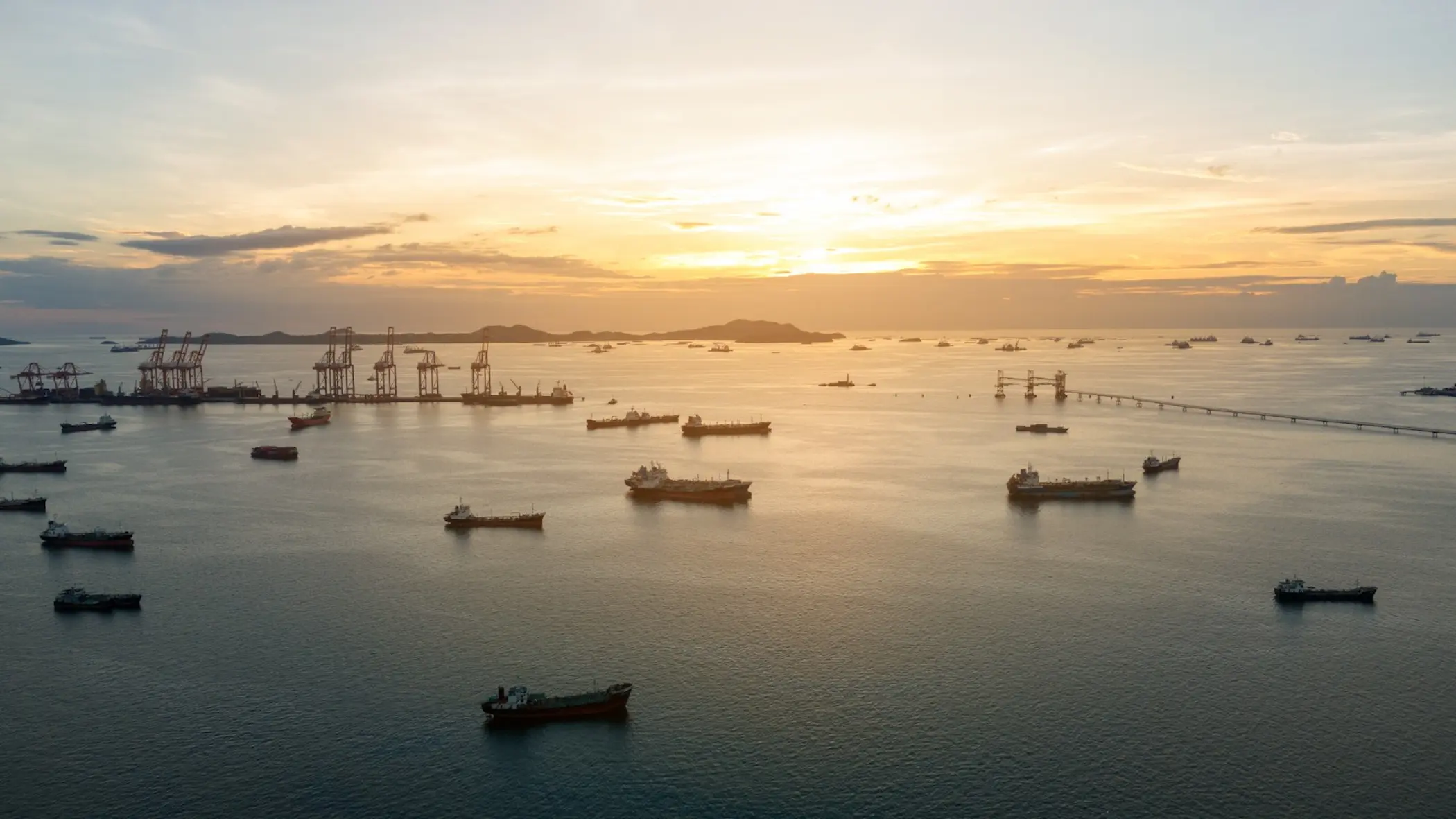
What if the sea lanes were no longer free? For seventy years, the assumption that ships pass through the world's strategic straits without permission, payment, or political approval has underpinned global trade so completely that it was rarely stated, let alone defended. In 2026, that assumption stopped being safe. In one of the world's most critical waterways, passage is now vetted, priced, and rationed by political alignment. At another, a price for safe transit has been openly announced. Along the polar routes, permits and fees are already the law, and older managed regimes are quietly expanding. These are not isolated crises. Taken together, they form the early signal of something larger: the transformation of maritime chokepoints from global commons into sovereign assets, and with it, the quiet repricing of the geography on which world trade depends.
Programmes
23 Jul 2026
Closure Upon Closure: The Potential Impact of Houthi Threats to Saudi Shipping at Bab al-Mandeb
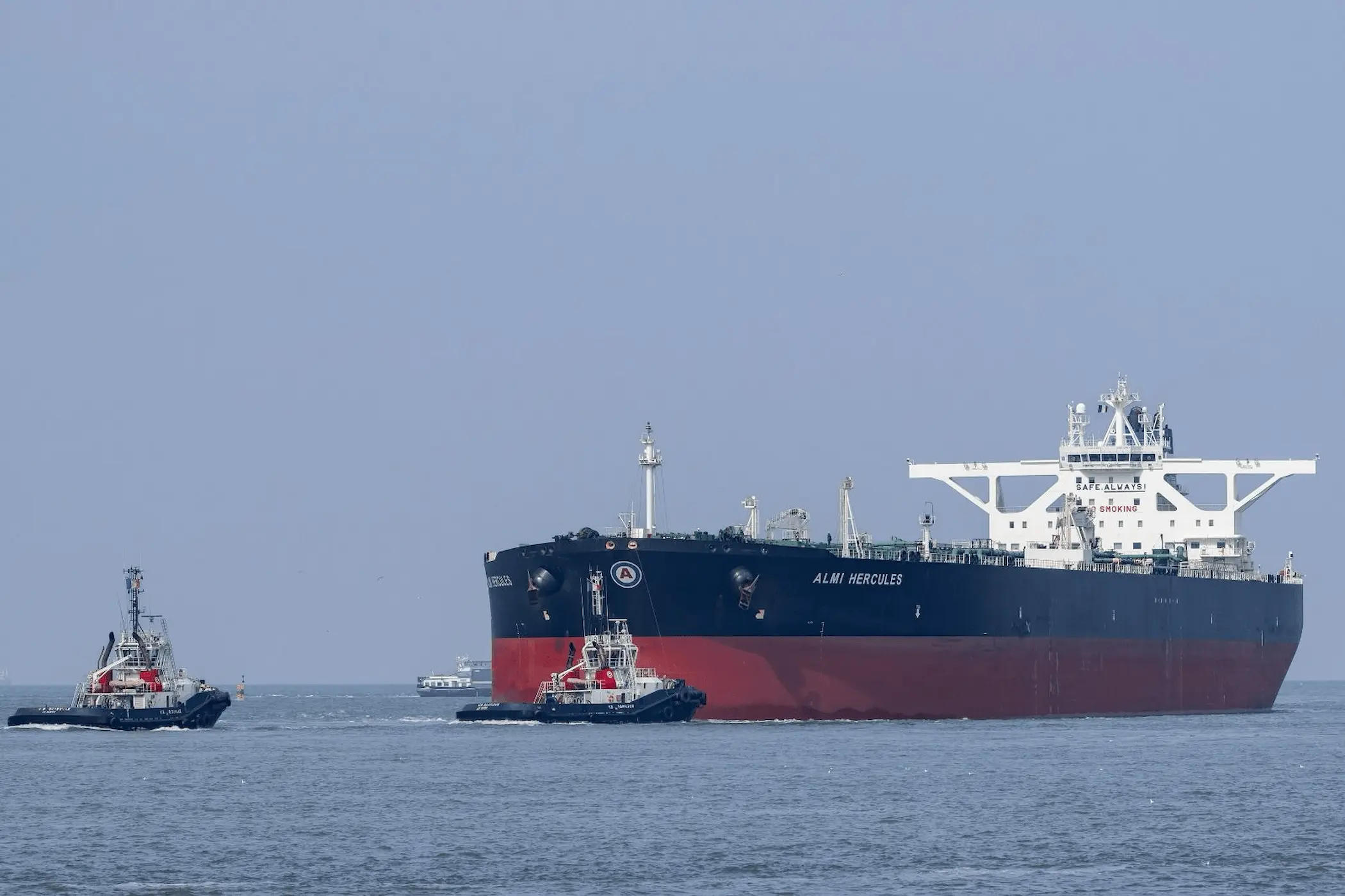
The events of 2026 have placed global energy markets before an unprecedented test of their resilience. When the effective closure of the Strait of Hormuz in February removed roughly 13 million barrels per day (mb/d) from available supply, Saudi Arabia redirected most of its exports westward to the Red Sea — only to find that outlet itself imperiled when, on 20 July, the Houthis threatened a naval blockade of the Bab al-Mandeb strait aimed squarely at Saudi shipping. For the first time in its modern history, the Kingdom's oil found itself exposed between the two maritime corridors it straddles, and the question “What if navigation through Bab al-Mandeb is severed?” shifted from a theoretical exercise to an operational probability. The answer, however, is not a single figure: it hinges on the scale of the shortfall, the nature of the cargo held back, and the market's capacity to reroute it.
This analysis therefore sets out to quantify the impact of a Bab al-Mandeb closure across three graduated halt scenarios; to unpack the mechanism by which the shock travels from cargo entrapment to a price spike; to trace its non-price consequences for refined products, aviation, and maritime shipping; and to arrive at the fiscal paradox that leaves the gravest harm to Saudi Arabia latent in the intermediate scenario rather than the full halt.