


The Israeli political system has undergone profound structural shifts following the launch of Operation Roaring Lion between Israel and Iran in late February 2026. This conflict marks a transition from traditional deterrence policies and proxy warfare to a doctrine of comprehensive confrontation and pre-emptive strikes targeting nuclear and military infrastructure deep inside Iran. These military developments have coincided with the approaching constitutional deadline for the twenty-sixth Knesset elections, due no later than October 2026, amid a politically fragile environment for Prime Minister Benjamin Netanyahu and his governing coalition. The confrontation has unfolded at a time when the executive leadership is experiencing a decline in political support, shaped by the continuing repercussions of intelligence and security failures linked to the events of 7 October 2023.
These challenges are compounded by declining domestic economic indicators, sharp societal divisions over legislation mandating military conscription for ultra-Orthodox Jews, and the ongoing trajectory of judicial proceedings. In this context, analytical evidence suggests that the executive leadership is seeking to leverage the state of national emergency to consolidate cohesion within its right-wing electoral base and to affirm the centrality of the current leadership in managing security threats within a complex parliamentary system. The intersection of protracted military conflicts with democratic electoral cycles imposes complex structural pressures on voting behaviour and the prospects of incumbent leadership. The demands of national mobilisation increasingly intersect with deeply rooted crises of institutional trust in the public consciousness. This analysis examines electoral calculations before and after the outbreak of the confrontation, reviews historical precedents in which extended wars have shaped successive Israeli governments, and analyses the strategic and personal drivers of decision-making, culminating in an assessment of potential trajectories for the reconfiguration of the electoral landscape ahead of the 2026 vote.
 2
2
 1
1
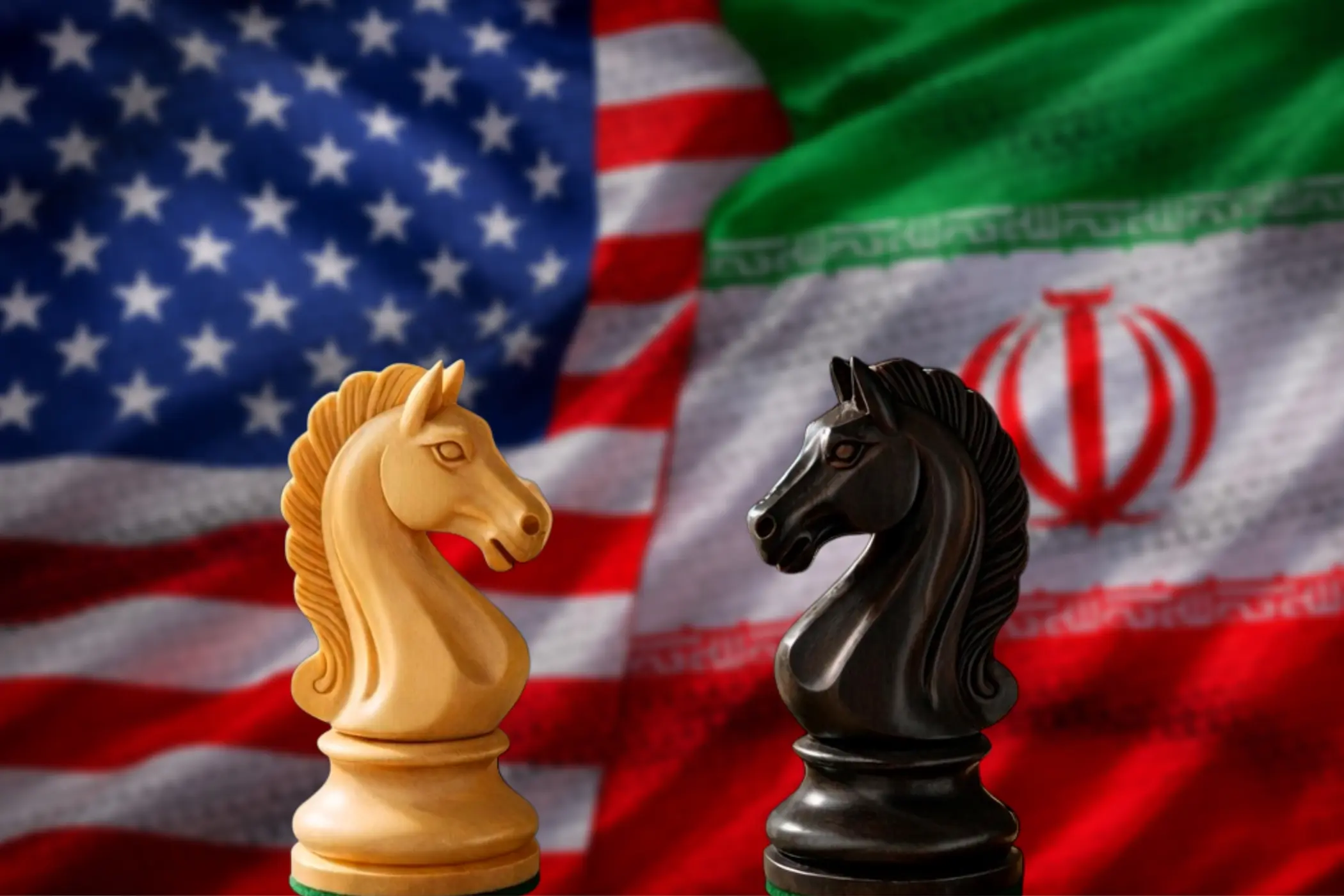
Shadow Leverage Issue 4: Iran’s Nuclear Programme
Shadow Leverage Issue 3: The Regional Proxy Dilemma
Shadow Leverage Issue 2: The Ballistic Missile and Drone Dilemma
Shadow Leverage Issue 1: Why the Strait of Hormuz Has Become the Decisive Negotiating Card
The Direct and Indirect Cost of the 2026 US-Israel War on Iran
Comments