

The contemporary global economy is anchored in a tightly integrated digital and physical infrastructure, in which the continuity of international markets depends on an extensive network of submarine fibre-optic cables spanning approximately 1.3 million kilometres. This strategic architecture carries between 95 and 99% of intercontinental digital communications and constitutes the foundational layer for the settlement of daily financial transactions valued at roughly 10 trillion dollars. For decades, geopolitical analysis has prioritised the security of surface maritime corridors to safeguard the uninterrupted flow of conventional energy resources. Yet evolving realities indicate a decisive shift. The durability of the global economic system now hinges just as critically on protecting these submerged networks, which have emerged as indispensable arteries of global connectivity and financial stability.
This reality is especially visible in the Middle East, particularly across the Arabian Gulf, the Strait of Hormuz, the Arabian Sea, and the Red Sea, where the geographic corridors that govern trade flows and energy supply chains overlap with the main routes of global data transmission. The Strait of Hormuz, which is only 21 nautical miles wide, sits at the centre of this convergence. Around 21 million barrels of crude oil and one-third of global liquefied natural gas supplies pass through it each day. At the same time, 17 submarine cable systems run across its seabed, carrying nearly 30% of total international internet traffic. This intense concentration of physical and digital infrastructure within a narrow geographic space creates a severe security vulnerability. It exposes the global economy to systemic risks tied directly to regional instability.
These structural risks moved from theoretical assessment to operational reality with the outbreak of direct military confrontation in early 2026 between the United States and Israel on one side and Iran on the other, in what became known as Operation Epic Fury. These developments marked a fundamental shift in Iranian military doctrine. Faced with growing limits on its ability to disrupt surface energy flows through conventional means, Iran increasingly turned toward asymmetric threats. This shift is reflected in a move away from the traditional threat of closing maritime chokepoints to the deliberate targeting of submarine internet cable networks, using their disruption as a tool of deterrence and geopolitical pressure. It represents a calculated effort to exploit the physical vulnerabilities of civilian infrastructure to offset conventional power imbalances. In doing so, it introduces risks that extend well beyond the regional theatre and directly affect the foundations of the digital economy, in an era increasingly shaped by hybrid warfare and the militarisation of the maritime domain.
This emerging pattern of threat also creates what can be classified academically as a dual and simultaneous crisis. In such a scenario, the systematic disruption of submarine cables would paralyse global energy supply chains while simultaneously causing severe degradation across the digital infrastructure of the Middle East, South Asia, and Europe.
The immediate consequences would extend far beyond the loss of communications services for individuals. They would include major disruptions to electronic clearing systems that underpin sovereign wealth fund investments, as well as the paralysis of digital command-and-control centres operated by state-owned energy conglomerates. Such targeting would also disrupt military command-and-control networks and sever the communication channels needed to manage maritime navigation and to reroute vessels during crises. It would further undermine the artificial intelligence and cloud computing infrastructure on which many states in the region rely for their economic diversification strategies.
The plausibility of these threats is reinforced by recent material precedents that have exposed the infrastructure's real vulnerabilities. Most notable was the damage inflicted on Red Sea cable systems following the sinking of the Rubymar in 2024, followed by multiple line disruptions in the same region in September 2025. Together, these incidents underscore the fragility of these networks in the face of both accidental disruptions and deliberate acts of sabotage.
Building on these complex strategic and economic dynamics, this paper examines the implications of a large-scale attack targeting submarine communications infrastructure in the Arabian Gulf. It does so through a detailed assessment of the technical and military capabilities available to Iran to carry out physical sabotage operations beneath the seabed, alongside an analysis of the strategic motives driving this form of asymmetric escalation. By integrating recent historical precedents with updated data on regional and international levels of digital dependence, the paper seeks to assess the scale of the losses likely to result should such a scenario materialise.



Shadow Leverage Issue 2: The Ballistic Missile and Drone Dilemma
Shadow Leverage Issue 1: Why the Strait of Hormuz Has Become the Decisive Negotiating Card
The Direct and Indirect Cost of the 2026 US-Israel War on Iran
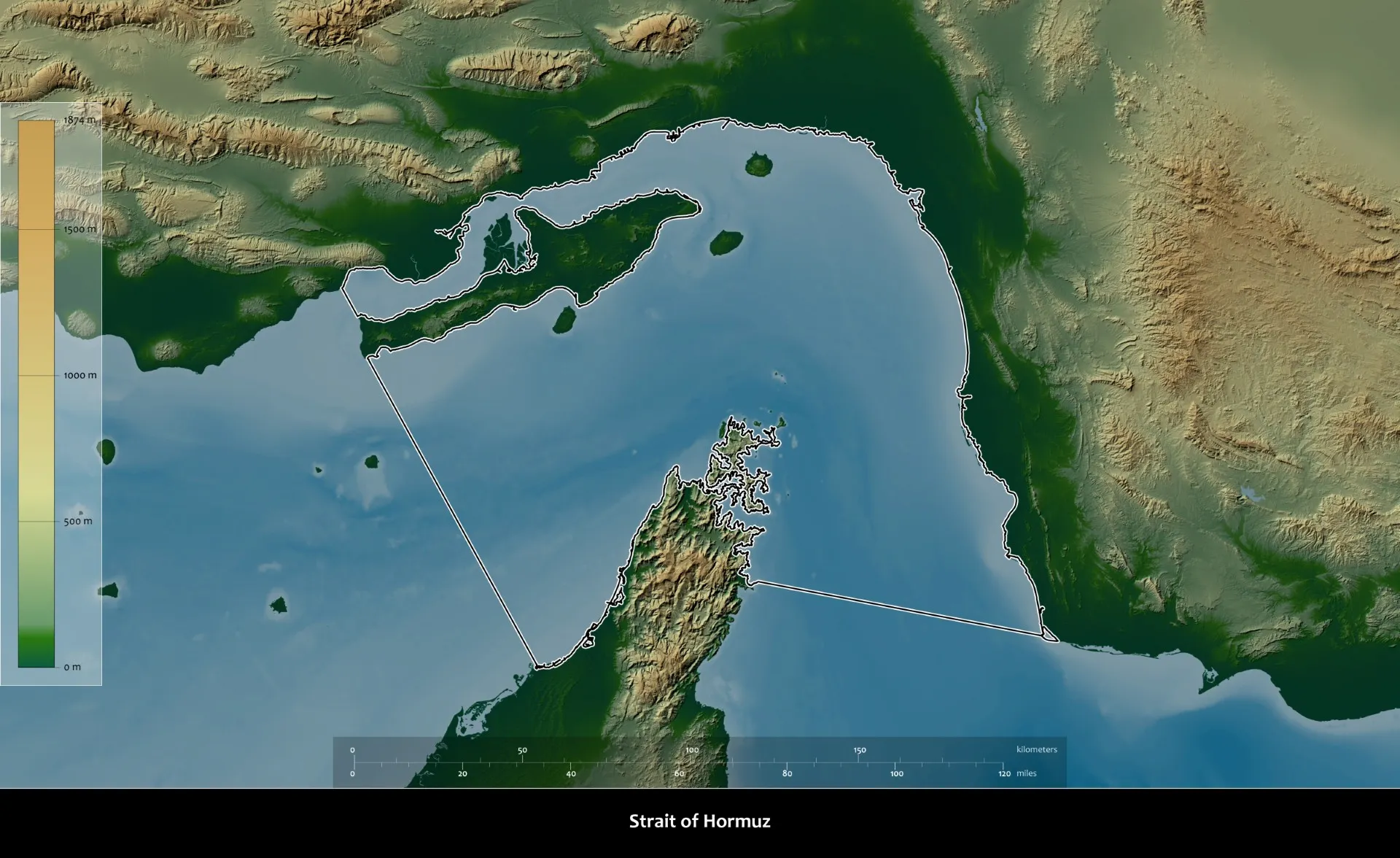
The Arabness of Hormuz Strait: The Name, the Land, and the People

War and Politics Dynamics: How the Israel–Iran War Is Reshaping the 2026 Knesset Elections
Comments