
Programmes
11 Apr 2023
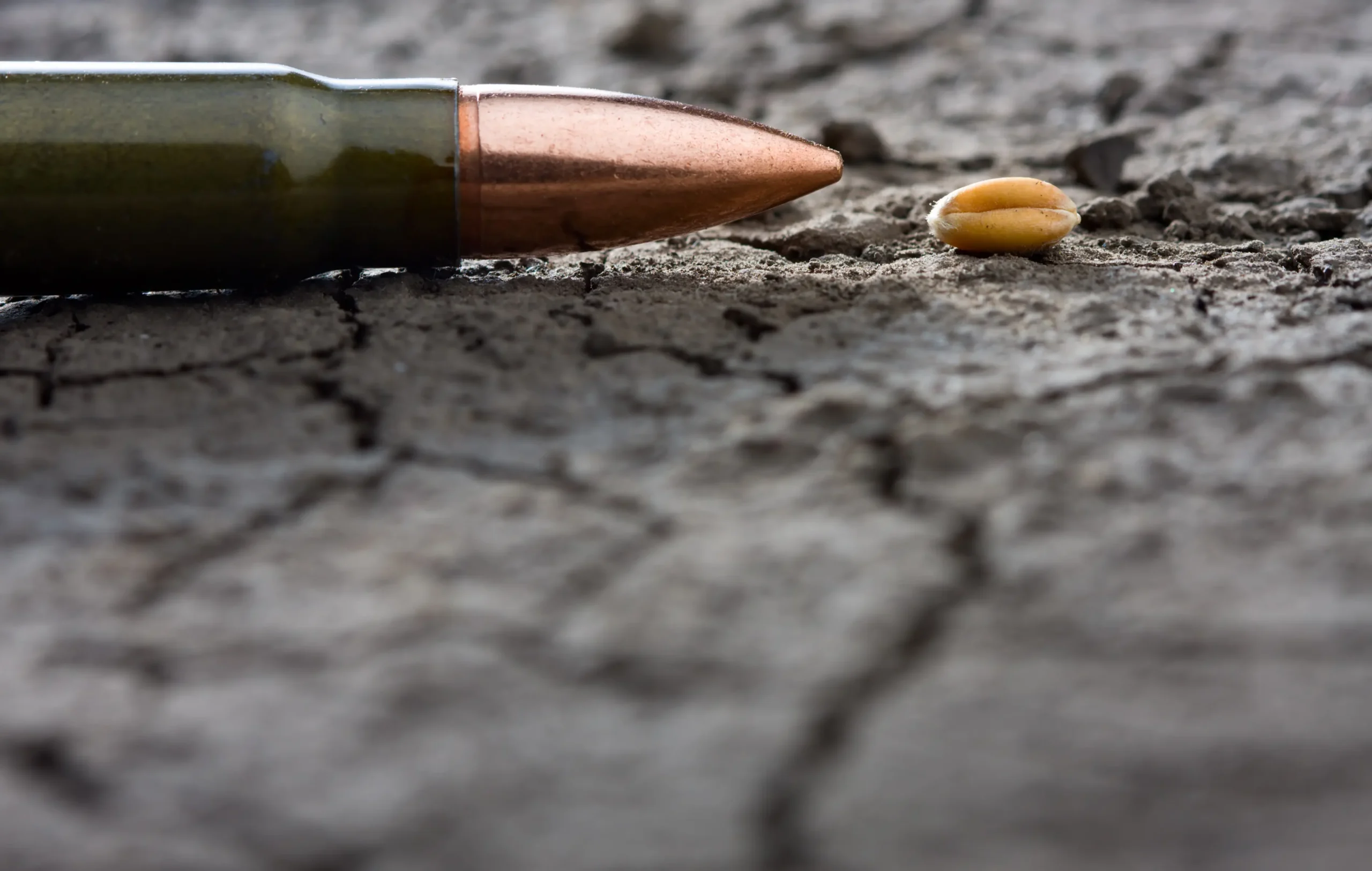
Between Grain and AK-47s: Russian Influence in Africa
The Russian presence in Africa has recently increased after a decline of nearly three decades since the dissolution of the Soviet Union in the nineties of the last century. Russian-African relations are part of Russia's new strategy to enhance its international influence. This strategy conforms to Russia's situation in international affairs, including its support for countries that contradict Western policies. Moscow has focused its influence on the West African region, taking advantage of Western policy mistakes, the mounting anti-European sentiment, and the long-standing failure of international and domestic actors to address the root causes of the regional instability. The first Russian-African summit in Sochi in October 2019 concluded contracts with more than 30 African countries for the supply of weapons and military equipment. It thus opened the door for state-backed companies to invest heavily in the security and technology sectors and industries that extract natural resources such as oil, gas, gold and other minerals.
On the other hand, the Russian-Ukrainian conflict did not impede this rapprochement but rather contributed to developing the partnership between the two parties to take the form of a strategic alliance. This was apparent in the speeches and statements of President Vladimir Putin, the most prominent of which was the speech he delivered at the International Parliament Conference "Russia - Africa in a Multipolar World", which was held in Moscow in March of this year on the sidelines of Saint Petersburg preparations for the second coming Russian – African summit to be held in July 2023. Putin reiterated that cooperation between Moscow and African countries was and will always be one of the top fixed priorities of Russia's foreign policy, declaring Russia's fulfilment of all its obligations, including supply of food, fertilisers, fuel and other essential products to the countries of the continent, which helps ensure food and energy security.
In light of the ongoing Russian-Ukrainian conflict, this analysis aims to shed more light on the motivations and characteristics of the Russian strategy in Africa. It also seeks to highlight the challenges to Russian influence expansion as well as the prospects for Russian-African relations in the future.
Programmes
29 Mar 2023
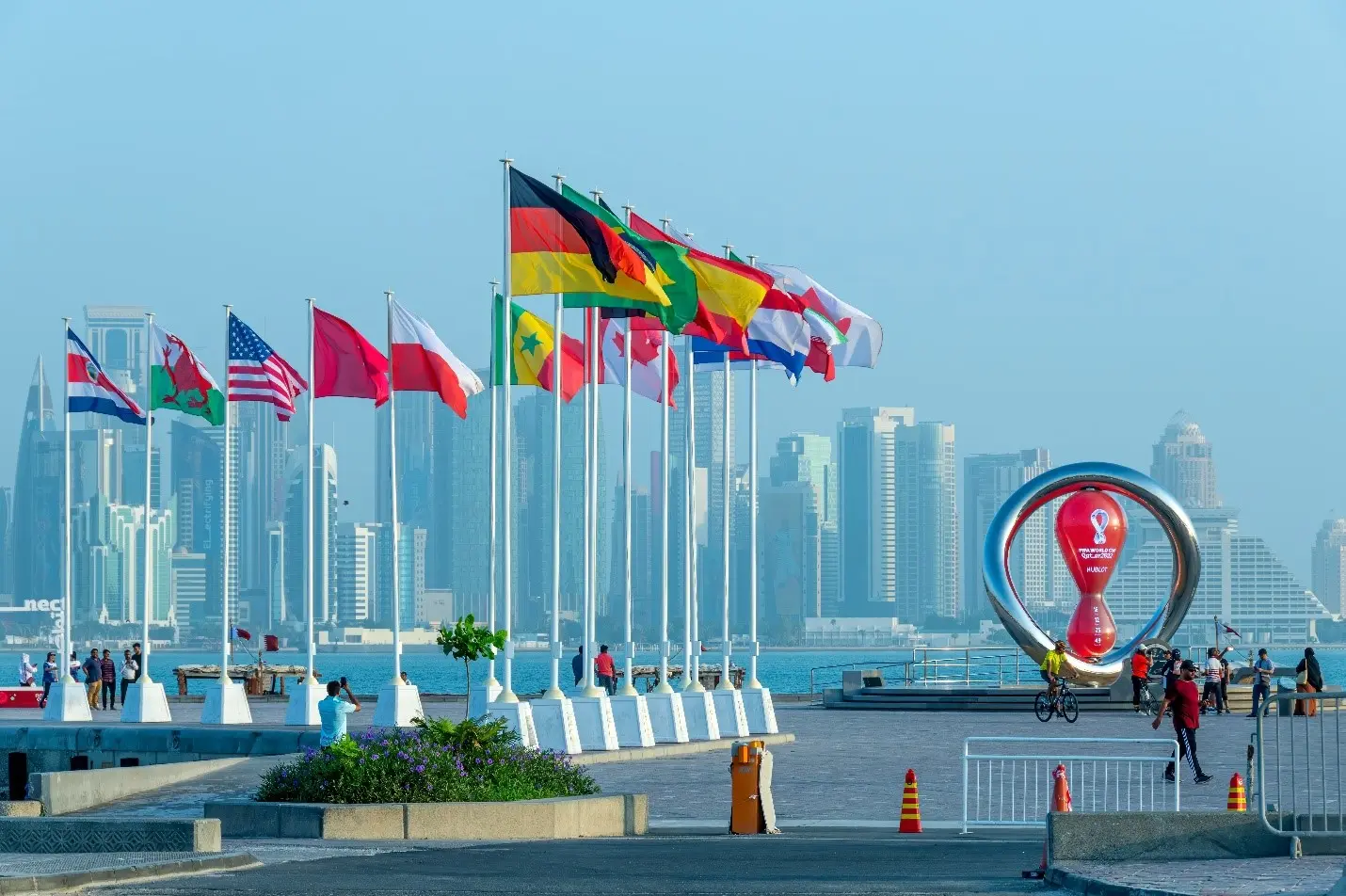
Sports Diplomacy: How Do Sports Events Enhance the Reputation of Countries?
The FIFA World Cup in 2022 in Qatar garnered more attention from the international community due to Qatar's ability to change perceptions of it as a nation capable of hosting the biggest sporting events. Many countries have recently sought to host international sports events in an effort to enhance their posture diplomatically, improve their reputation as well as shore up their position within the international community. To that end, “Sports Diplomacy” has been used to achieve understanding and peace among nations and promote the countries’ political and ideological goals. On the other hand, countries exploited sports as an approach aiming at asserting the superiority and strength of the state; for instance, the 1936 Olympic Games were held in Germany, and the 1934 FIFA World Cup was held in Mussolini’s Italy. In other cases, sports played a more constructive role in the 1990s, representing an opportunity for South Africa to surpass the apartheid era and look forward to a better future. For China, sports have played a role in introducing an open policy and a more influential economy.
A state’s reputation is one of the key factors affecting its international relations, as it reflects its global image, influencing its recognition and interaction with other countries. With sports diplomacy, states could carry out several interests, such as boosting diplomatic ties with other states, raising the degree of understanding and cooperation among people and governments, and improving the state's public image globally. In other words, sports diplomacy is an effective tool for attaining diplomatic goals and promoting the state’s reputation worldwide. This analysis seeks to shed more light on the link between sports diplomacy and the state’s reputation and how the state’s stance in the international community is enhanced by sports diplomacy.
Programmes
23 Mar 2023
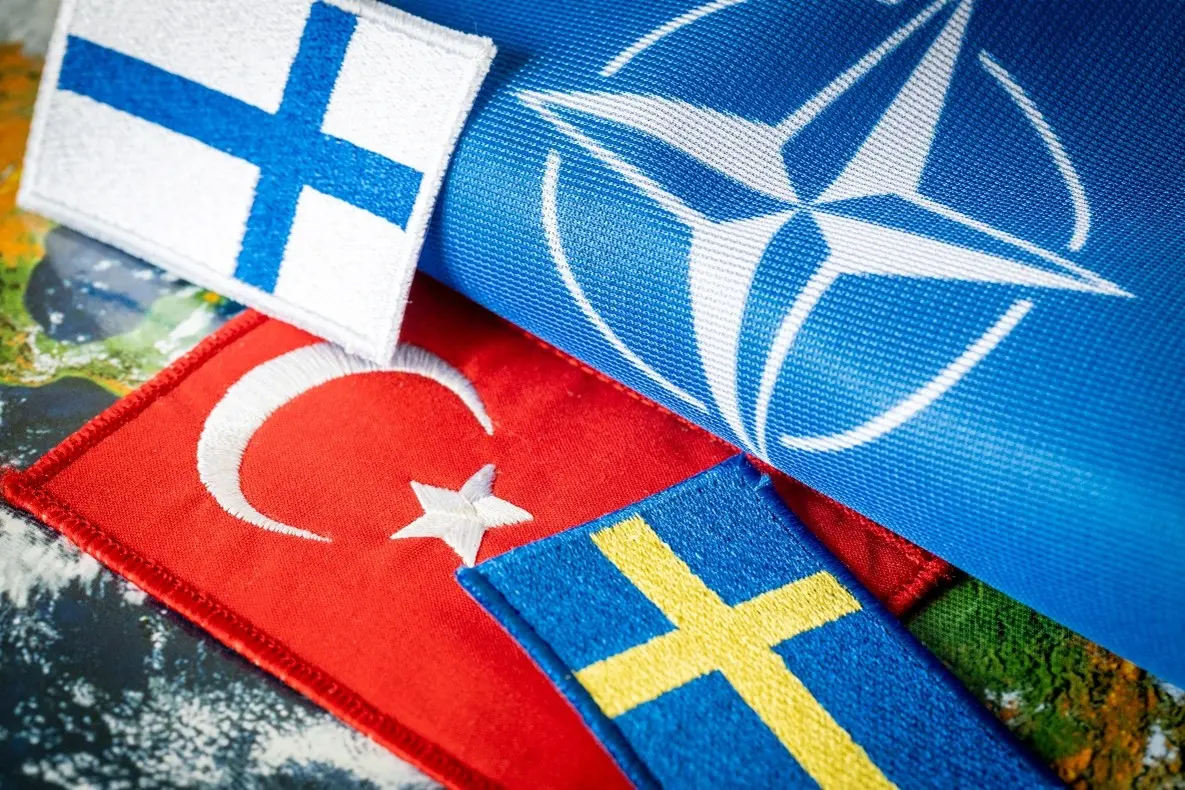
A Window of Opportunity: A Reading of Turkey’s Position on Sweden and Finland’s NATO Membership
The North Atlantic Treaty Organization (NATO) philosophy is based on promoting peace and stability and protecting the security of its members through a European and North American defence alliance. The alliance enjoys an "open door policy" whereby any European country willing to undertake the obligations and commitments of membership is welcome to apply for membership. Any decisions on expansion must be approved by a unanimous vote of the current 30 members. The essential feature of the alliance is Article 5 of the Washington Treaty on Collective Defence, which establishes NATO as a powerful alliance that guarantees security by the military response and protects any member state if it is attacked.

Programmes
14 Feb 2023
New Gulf: Russo-Ukrainian War and Emergence of North Africa’s Energy Sector
The Russian-Ukrainian war created significant uncertainty in the world’s energy markets and disrupted trade relations between the second-largest energy exporter and the second-largest energy importer. This disruption strongly signals a shift in the global energy supply chains, as indicated in a previous analysis. In the short term, Europe is expected to turn to the Arab Gulf to fill the gap left by the lack of Russian energy products.
However, in the long term, Europe will need to find sources that are highly sustainable, affordable, and less harmful to the environment than oil. This is because petroleum usage is incompatible with the European Green Deal (EGD), which aims to achieve carbon neutrality for the entire European continent by 2050. Furthermore, the EGD seeks to reduce greenhouse gas emissions from the mainland by around 55% below 1990 levels by 2030, which is unattainable with continued oil usage.
As a result, Europe will turn to its neighbours, particularly those in North Africa, who possess a variety of energy sources that can help it achieves its objectives and guarantee energy sustainability. Thus, this article explores Europe’s energy requirements and assesses the potential of North Africa’s energy resources to meet these requirements.
Programmes
10 Oct 2022
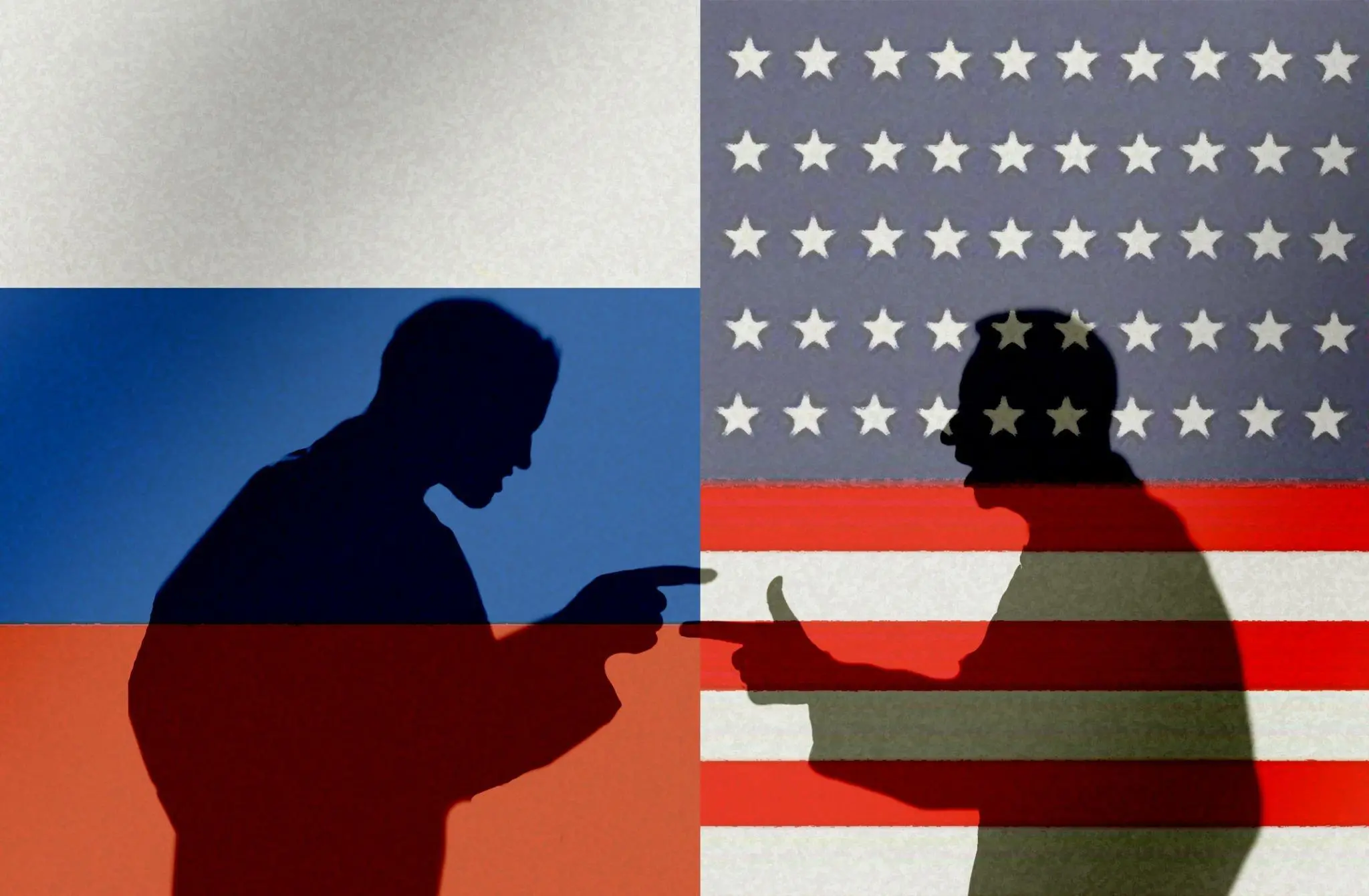
Between Conspiracy and Reality: United States Gains from the Russia-Ukraine War
The United States and Russia have a long and complicated history. The USSR and the United States of America were allies during the Second World War and quickly turned rivals during the Cold War (1947 – 1991). It was throughout this period that the ideological differences between the two superpowers reached its height, with the formation of the North Atlantic Treaty Organization (NATO) by the United States, and the USSR responding by creating the Warsaw Pact effectively splitting the world between East and West. Despite there being no direct conflict between the United States and USSR, each state would actively participate in proxy wars; where agents supplied by them would engage in hostilities such as in the Chinese Civil War (1944 – 1949), the Korean War (1950 – 1953), the Vietnam War (1955 – 1975), and the Soviet-Afghan War (1979 – 1989).
Furthermore, the United States and USSR would attempt to place weapons within each other’s spheres of influence with the United States doing so in Italy and Turkey in 1961 and the USSR responding by supplying Cuba which ultimately led to the Cuban Missile Crisis in 1962, and nearly brought both superpowers to nuclear war.
Following the fall of the USSR, the United States was the only remaining superpower and relations between the United States and the newly formed Russian Federation began to improve, however by 1999 that came to an end as NATO further expanded in Eastern Europe with Poland, Hungary, and the Czech Republic joining, in 2004 Estonia, Latvia, and Lithuania joined as well, all had been former members of the USSR and were viewed by Russia as part of its sphere of influence.
Since then, United States-Russia relations have been consistently deteriorating with recent significant events being the invasion and annexation of Crimea in 2014 and accusations by the United States that Russia manipulated the 2016 Presidential Election. It is within this context of United States led encroachment into territory that Russia believes culturally and historically should be its own that the Russo-Ukrainian War resumed flowing the invasion of Crimea, below is where we will analyse what the United States has to gain and the legacy the Cold War casts on the Russia-United States relationship.