


Israel’s 27 October 2026 election is shaping into a contest defined less by a clear ideological choice than by fragmentation, coalition arithmetic, and unresolved national crises. Held in the aftermath of the 7 October 2023 attack, prolonged multi-front conflict, and an unfinished confrontation over the judiciary, the vote will determine not only who governs but also how Israel addresses accountability, military service, state institutions, Gaza’s future, the Palestinian issue, and relations with Washington.
Neither Benjamin Netanyahu’s right-wing bloc nor the opposition led by Gadi Eisenkot appears consistently capable of securing the 61 Knesset seats needed to form a government. The outcome is especially sensitive to smaller parties hovering around the 3.25% electoral threshold: whether these lists enter the Knesset or waste their votes could shift several seats between the rival camps. Arab parties, projected to hold roughly 11–14 seats in several polls, may become decisive coalition actors even as both major blocs remain politically reluctant to openly rely on their support.
Netanyahu’s campaign rests on five interlocking principles: shifting responsibility for 7 October toward the military and intelligence institutions while claiming credit for subsequent security achievements; consolidating right-wing lists to prevent wasted votes; portraying an Arab-supported alternative government as illegitimate; postponing divisive issues such as Haredi conscription and post-war Gaza governance; and turning institutional reforms, media influence, and ties with Washington into electoral assets. The central objective is not necessarily to resolve these contradictions before election day but to keep them from breaking apart his coalition.
Eisenkot’s opposition camp has a credible shared objective—removing Netanyahu and restoring institutional accountability—but remains less unified on the policies that would follow. Its internal divisions are most visible over universal service, religion and state, relations with Haredi parties, the role of Arab parties, and the West Bank. The likely post-election challenge for either side will be translating deliberately vague campaign positions into binding coalition commitments.
The most plausible result is therefore a fragmented Knesset without a stable governing majority. The decisive political struggle may begin after ballots are counted, when both blocs must confront the compromises, they have deferred throughout the campaign.


Shadow Leverage Issue 4: Iran’s Nuclear Programme
Shadow Leverage Issue 3: The Regional Proxy Dilemma
The Direct and Indirect Cost of the 2026 US-Israel War on Iran
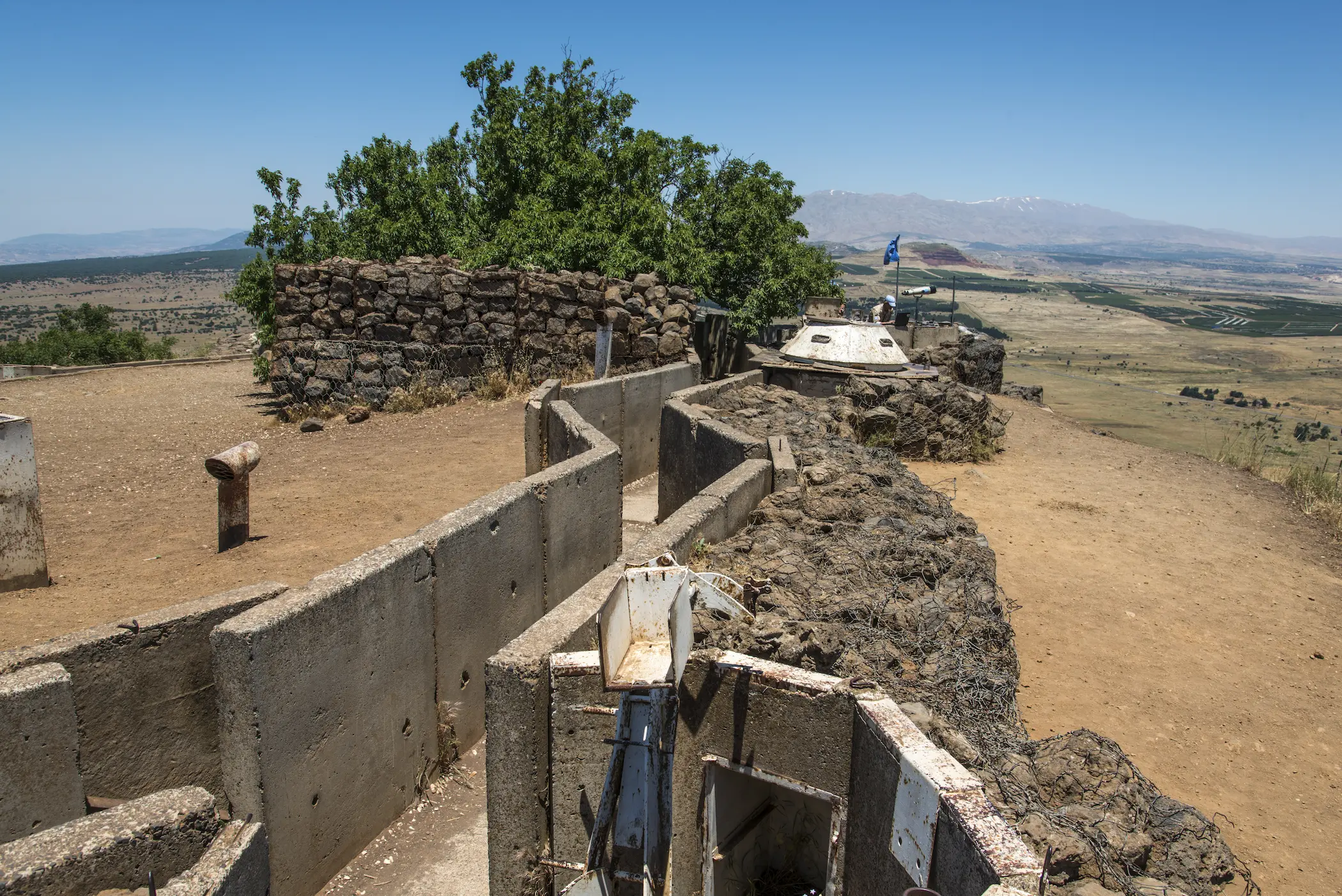
The Mirage of Safe Geography: How Buffer Zones Have Become a Military Liability for Israel
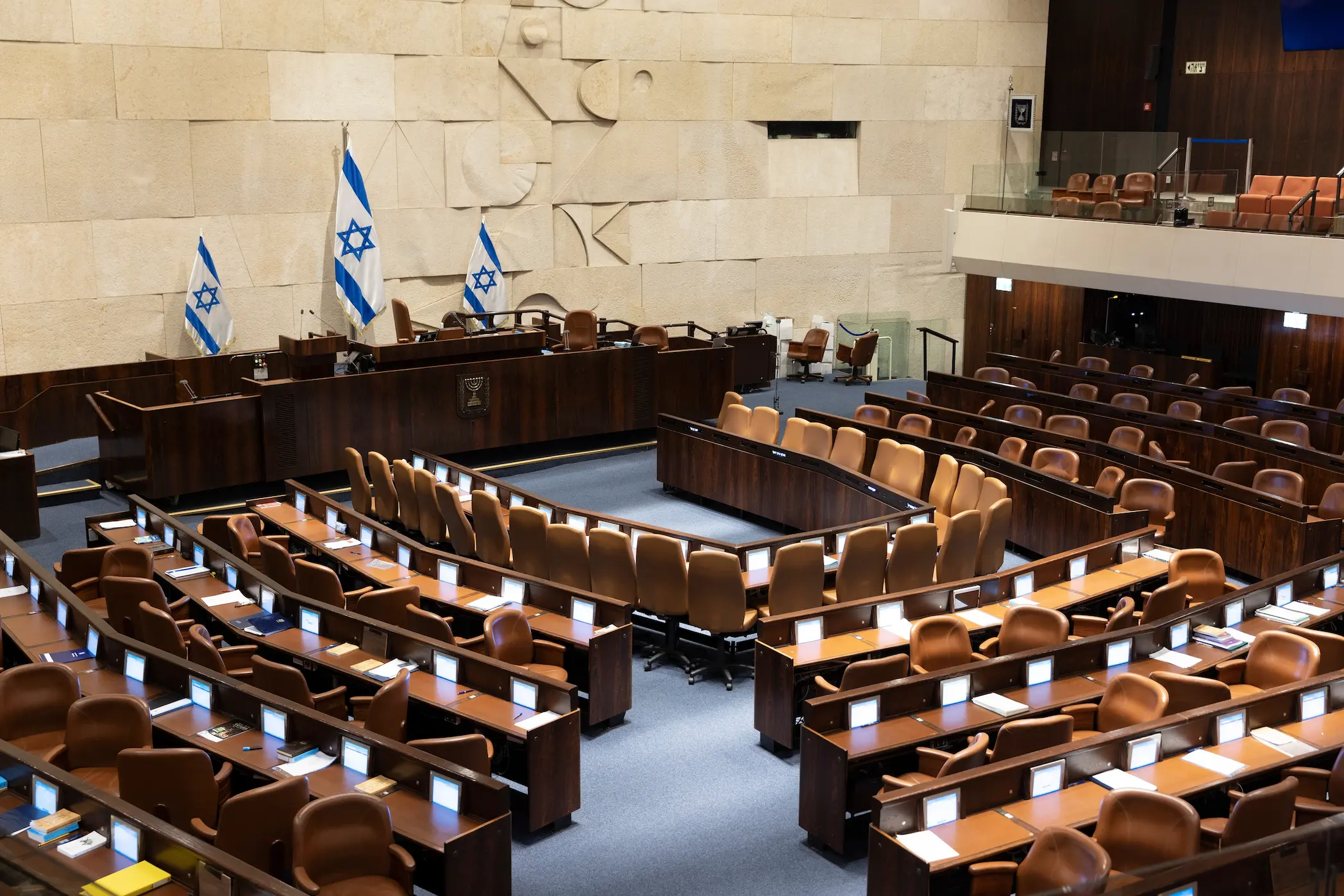
War and Politics Dynamics: How the Israel–Iran War Is Reshaping the 2026 Knesset Elections
Comments