

China is a dominant player in the rare earths and critical minerals industry. As of 2025, China is in control of “…about 61% of rare earth production and 92% of their processing”, meaning China monopolized the rare earths and critical minerals industry. While China dominates this industry, countries have been aiming to bolster their own rare earth and critical mineral ambitions to reduce their reliance on China as a supplier of raw materials and processed products. For example, GCC countries, in line with their 2030 visions, have increased their investments in the mining and processing of these elements to diversify their economies and become suppliers in an industry dominated by China. This analysis aims to assess the emergence of the GCC as a rare earths and critical minerals supplier, which will be done by analyzing the reasons and feasibility for GCC involvement in this industry as well as understanding the challenges these countries face in their entry into the market.
Why Become a Supplier?
The GCC has two reasons to become a supplier: to serve as neutral space and to become a clean energy power. In terms of supplying a neutral space, the GCC has been courted by the United States as a suitable partner in the critical minerals and rare earths industry. The main driver for US-GCC rare earths cooperation is the US’ desire to diversify partnerships away from China as a means of reducing their dependance and building up their own capabilities. It would be vital for the US to diversify its critical minerals partnerships with the GCC to further develop their critical mineral security agenda. On the other hand, the GCC has their own ambitions of aligning with the US in the critical minerals trade, as the GCC could invest in “…global mining, refining, and processing assets” which would allow for the diversification of the regional supply chain.
Beyond the US, the GCC can further operate as a neutral space for rare earths and critical minerals through collaboration with China. In this case, a potential partnership with China could be beneficial to the GCC as neutral space, as China is diversifying its mineral strategy but prohibits foreign involvement in its mining sector to protect its domestic reserves from foreign competition. As a result, Chinese companies are looking abroad to invest in critical mineral development, while protecting its domestic supply. This is where the GCC comes in as a neutral space, as a partnership between the GCC and China could benefit both countries as they could engage in a variety of critical mineral development initiatives that would allow for knowledge exchange, technological development, as well as integrating supply chains, which could benefit the GCC’s ambitions of becoming a clean energy supplier, while allowing China to expand its rare earth and critical minerals ambitions abroad.
While, the GCC has ambitions of being a neutral supplier of refined rare earth elements, the argument can be made is that the GCC’s focus on rare earths stems from a desire to become a clean energy power. It should be noted that the GCC’s move from oil to clean energy is not just a move of economic diversification, but rather to maintain their position as a global energy producer in a post-oil world. This is clear as “Gulf countries are actively building specialized industrial bases in these fields, requiring stable supplies of rare earths”. The elements that are most needed for this transition to clean energy include lithium, which is needed to make EV batteries, an essential component for clean energy products. Therefore, GCC’s need to be a supplier of rare earths and critical minerals can be directly linked to their desire to remain relevant in the energy sector, as it is believed that rare earth elements such as lithium would hold the same geopolitical and energy implications as oil did in the past.

Is it Feasible?
Out of all the GCC countries, Saudi Arabia holds the most mineral and rare earths reserves in the region. Recently, Saudi Arabia has engaged in an overhaul of their mining sector which could see it increase its contribution to Saudia Arabia’s GDP from $17 billion to $75 billion, while the discovery of untapped mineral reserves holding “…copper, gold, phosphate, bauxite, and silica…” could result in Saudi investment reaching up to $2.5 trillion. Moreover, Saudi Arabia holds both heavy and light rare earth reserves, which can make it a powerful player in the rare earths industry in the future. Currently, Saudi Arabia holds approximately 3.2 million mt (megatons) of rare earths which makes up approximately 1.5% of the world’s reserves, and the Jabal Sayid deposit holds approximately “…552,000 mt of heavy rare earth and 355,000 mt of light rare earth resources…” making it one of the most valuable deposits in the world.
Also, Saudi Arabia is aiming to develop its partnerships in Africa and China in areas focused on mining and processing. Evidently, Saudi Arabia is looking to invest $15 billion in mining in African countries such as Guinea, Democratic Republic of Congo, and Namibia while also negotiating a deal that will see with Chinese company BYD to open the world’s largest clean battery storage center in the world. Through these external partnerships, Saudi Arabia has the means to become a critical player in the rare earths and critical minerals industry, with a vision to become a reliable supplier of such elements.
While Saudi Arabia has a vast wealth of untapped critical minerals and rare earths wealth, the same cannot be said for the rest of the GCC. This can be attributed to the scarce geological makeup of these countries. Despite geological limitations, the rest of the GCC have a vested interest in acquiring these elements from abroad and refining them domestically. For example, the United Arab Emirates has invested $1.1 billion in mining activities relating to copper in Zambia and has investments in mines in the DRC to obtain raw materials for its supply chain. Moreover, the UAE increased its mining investment in countries such as Zimbabwe (lithium), Peru (copper), Kenya (tantalum), as well as Pakistan (bauxite), which shows that they are looking to obtain the raw materials needed for processing in areas around the world. On the other hand, the UAE is attempting to position itself as a processor of these elements to make up for its lack of rare earths or critical minerals reserves. For example, the UAE is planning to build a lithium processing plant in its Khalifa Economic Zones Abu Dhabi free zone, which will be essential for producing EV batteries. Moreover, the UAE invested in processing technologies that allow for clean and efficient separation of rare earth elements, which reduces the amount of waste produced from processing and energy needed to carry out these processes. This technology gives the UAE an advantage as a processor of these elements over the other GCC countries.
Finally, Oman and Qatar have also been active in the critical minerals and rare earths race but to varying degrees. This is due to Qatar focusing on investments in foreign reserves much like the UAE, while Oman focuses on mining exploration like Saudi Arabia. Qatar signed a $180 million partnership with US company TechMet to expand its production capabilities, while Oman invested $500 million in its mining sector for exploration and mining purposes.
The scale of feasibility regarding the GCC’s rare earths and critical minerals ambitions varies between each individual member state. Based on this assessment, Saudi Arabia’s ambitions appear to be the most realistic, as they have the largest reserves and deposits of rare earths and critical minerals in the region. The presence of these reserves and deposits provides Saudi Arabia with untapped mineral wealth which provides the Kingdom with an edge in terms of supplying raw materials and processed products. Although Saudi Arabia’s rare earth and critical mineral ambitions appear to be the most feasible, the feasibility can be considered limited when it comes to other GCC members such as the UAE, Qatar, and Oman. In the case of the UAE and Qatar, feasibility of being a supplier of raw materials comes with geological limitations, meaning they will have to rely on foreign mining operations and raw materials supply to sustain their ambitions. Moreover, Oman’s feasibility is limited as they only recently began investing in mining and mineral mapping, which could slow its progress as a potential player in the pursuit of these elements. Despite the varying differences between the GCC countries, it could be possible that Saudi Arabia can serve as a unifying actor that can unite the GCC countries in their pursuit of rare earths and critical minerals, which could increase the feasibility of this venture as the countries would work together as a collective entity.
Challenges to the GCC’s Emergence as a Rare Earths Suppliers
While the GCC is positioning itself as a potential rare earths and critical minerals supplier, their shift to this sector is not without its challenges. For example, mineral resource mapping can be considered a challenge to the ambitions of the GCC in the field of rare earths. The primary issue is the GCC and the MENA region have geographical areas that remain to be discovered and lack the technology needed to adequately explore these areas to search for and mine these rare earth elements. Without adequate technology for adequate mineral resource mapping, the GCC would effectively remain reliant on external partners such as China in the field of rare earths, which would slow down their ambitions to become a supplier in the future. Furthermore, there is risk relating to the concentration of rare earths supply. This is clear as there are a limited number of countries in the world with a high concentration of rare earths, which can lead to risks down the supply chain. For example, China not only has a large natural reserve of rare earths but also is highly specialized in the processing of such materials. This high concentration of supply can result in risks for future GCC ambitions which can include economic vulnerability and trade restrictions.
There also remains the risk of environmental damage, which juxtaposes the GCC’s climate and sustainability ambitions relating to their 2030 visions. The mining, extracting, and processing of rare earth elements can have a hazardous effect on the environment as it pollutes the air and can poison water supplies. However, in the case of the GCC and the wider MENA region, the environmental effects can go beyond that. The processes that go into procuring rare elements can result in loss of biodiversity resulting from habitat destruction, which conflicts with ongoing efforts by GCC countries to maintain conservation of wildlife and fauna. Besides habitat destruction, mining and extraction operations can lead to a hazardous amount of waste generation and land degradation. This is clearly exemplified through the depletion of rainforests in countries such as Madagascar and the production of mass waste in China, which according to Günther Hilpert of the German Institute for International and Security Affairs (SWP) “Securing just one ton of rare earth elements produces 2,000 tons of toxic waste, and has devastated large regions of China”. It is important that these GCC countries invest heavily in sustainable methods of extracting and processing rare earth elements to maintain their image as drivers of sustainable and environmental change.
Although these challenges threaten to derail the GCC’s ambitions in the rare earths industry, ultimately, there is an argument to be made that the GCC could become an essential supplier of rare earths and critical minerals in the future. Their emergence will hinge on acting as an intermediary between global powers while also helping them become a supplier of green energy, which will be essential for the GCC achieving their sustainability and climate goals as outlined in their respective 2030 visions. However, the GCC must find a way claim their place on the global supply chain in an environmentally friendly manner or risk contributing to the climate crisis as opposed to halting it.
References
Al-Bloushi, Marwan . 2025. “Gulf Countries and Prospects of Forming a ‘Global System for Rare Earth Metals’: Opportunities and Challenges.” Epc.ae. December 8, 2025. https://epc.ae/en/details/featured/gulf-countries-and-prospects-of-forming-a-global-system-for-rare-earth-metals-opportunities-and-challenges.
Ali, Abdalftah Hamed. 2025. “Localizing Renewable Energy Supply Chains in the Gulf: Ambitions, Challenges, and Strategic Pathways.” Middle East Council on Global Affairs. May 23, 2025. https://mecouncil.org/publication/localizing-renewable-energy-supply-chains-in-the-gulf-ambitions-challenges-and-strategic-pathways/.
Ali, Abdalftah Hamed, and Monged Abdalla. 2025. “Energy Transitions Era: Geopolitical Characteristics and Connotations in the Arab Gulf States.” Sustainable Futures 10 (December): 100808. https://doi.org/10.1016/j.sftr.2025.100808.
Bandyopadhyay, Somshankar. 2025. “UAE Likely to Play Key Role in Global Rare Earths Supply Chain.” Khaleej Times. August 10, 2025. https://www.khaleejtimes.com/business/uae-likely-to-play-key-role-in-global-rare-earths-supply-chain?_refresh=true.
Baskaran, Gracelin. 2024. “Partnering with Middle Eastern Countries to Boost U.S. Minerals Security.” Csis.org. September 2024. https://www.csis.org/analysis/partnering-middle-eastern-countries-boost-us-minerals-security.
Calabrese, John . 2025. “The Gulf’s Mineral Gambit: Shaping the Global Race for Critical Resources.” Gulf International Forum. August 25, 2025. https://gulfif.org/the-gulfs-mineral-gambit-shaping-the-global-race-for-critical-resources/.
Earth.org. 2020. “How Rare-Earth Mining Has Devastated China’s Environment.” Earth.org. July 14, 2020. https://earth.org/rare-earth-mining-has-devastated-chinas-environment/
Ganapathy, Cauvery. 2025. “UAE’s Critical Minerals Dilemma.” ORF Middle East. May 29, 2025. https://orfme.org/research/uae-critical-minerals-strategy/.
Ge, Jianping, Yibo Wang, Ruihua Ren, and Dongmei Chen . 2024. “The Unfolding Potential of GCC China Collaboration on Critical Minerals.” Kapsarc.org. Saudi Arabia: King Abdullah Petroleum Studies and Research Center. https://www.kapsarc.org/our-offerings/publications/the-unfolding-potential-of-gcc-china-collaboration-on-critical-minerals/
Kumar, Pramod. 2025. “Oman’s Mining Sector to Receive $500m Investment.” AGBI. August 13, 2025. https://www.agbi.com/mining/2025/08/omans-mining-sector-to-receive-500m-investment/.
Lu, Christina. 2024. “The Middle East’s Oil Giants Have Entered the Critical Minerals Race.” Foreign Policy. April 16, 2024. https://foreignpolicy.com/2024/03/21/saudi-arabia-uae-critical-mineral-energy-transition/.
Miniaoui , Héla . 2023. “Challenges of GCC Investment in the Energy Transition.” Economic Research Forum (ERF). December 25, 2023. https://theforum.erf.org.eg/2023/12/25/challenges-of-gcc-investment-in-the-energy-transition/.
Mobility Foresights. 2025. “UAE Rare Earth Minerals Market Size, Share, Trends and Forecasts 2031.” Mobility Foresights. September 19, 2025. https://mobilityforesights.com/product/uae-rare-earth-minerals-market.
Pasquali, Valentina. 2024. “Critical Minerals Become a Middle East Battleground.” AGBI. December 4, 2024. https://www.agbi.com/analysis/mining/2024/12/critical-minerals-saudi-arabia-uae-mining-industry/.
Penke, Michel. 2021. “Toxic and Radioactive: The Damage from Mining Rare Elements | DW | 13.04.2021.” DW.COM. April 13, 2021. https://www.dw.com/en/toxic-and-radioactive-the-damage-from-mining-rare-elements/a-57148185.
Perera, Ayeshea. 2025. “Why China Curbing Rare Earth Exports Is a Huge Blow to the US.” BBC, October 16, 2025. https://www.bbc.com/news/articles/c1drqeev36qo.
Schulze, Meike, and Mark Schrolle. 2024. “Saudi Arabia Strives to Become Major Player in Mineral Supply Chains.” Swp-Berlin.org. Stiftung Wissenschaft und Politik. November 2024. https://www.swp-berlin.org/publications/products/comments/2024C52_SaudiArabia_MineralSupplyChains.pdf.
SMM. 2025. “From Traditional Oil to Rare Earth Smelting: The Middle East’s Pursuit of Industrial Transformation【SMM Analysis】.” SMM. November 25, 2025. https://www.metal.com/en/newscontent/103634549.
Sultan, Dr. Ahmed. 2024. “ Drivers of Increasing Gulf Investments in Critical Minerals.” Futureuae. July 15, 2024. https://futureuae.com/.tar/Mainpage/Item/9473/green-transformations-drivers-of-increasing-gulf-investments-in-critical-minerals.
United Nations Economic and Social Commission for Western Asia. 2023. “The Role of Minerals and Raw Materials in Supporting the Energy Transition in the Arab Region.” Unescwa.org. Beirut: UNESCWA. https://www.unescwa.org/sites/default/files/pubs/pdf/role-minerals-raw-materials-energy-transition-arab-region-english.pdf.
Wajid, Asna. 2025. “The Geopolitics of the Gulf States’ Push for Critical Minerals.” IISS. July 31, 2025. https://www.iiss.org/online-analysis/charting-middle-east/2025/07/the-geopolitics-of-the-gulf-states-push-for-critical-minerals/.


Comments
Write a comment
Related Articles

Rise of Medical Robotics Market: What About Safety?

Interview with ChatGPT: Will These Applications Bring the End of Human Knowledge?
Hey Siri, Build a House: 3D Printing in Construction
Ramifications for the Global Economy in the Case of a China-Taiwan Conflict?
Rare Earth Elements: Uses and Implications of New Discoveries
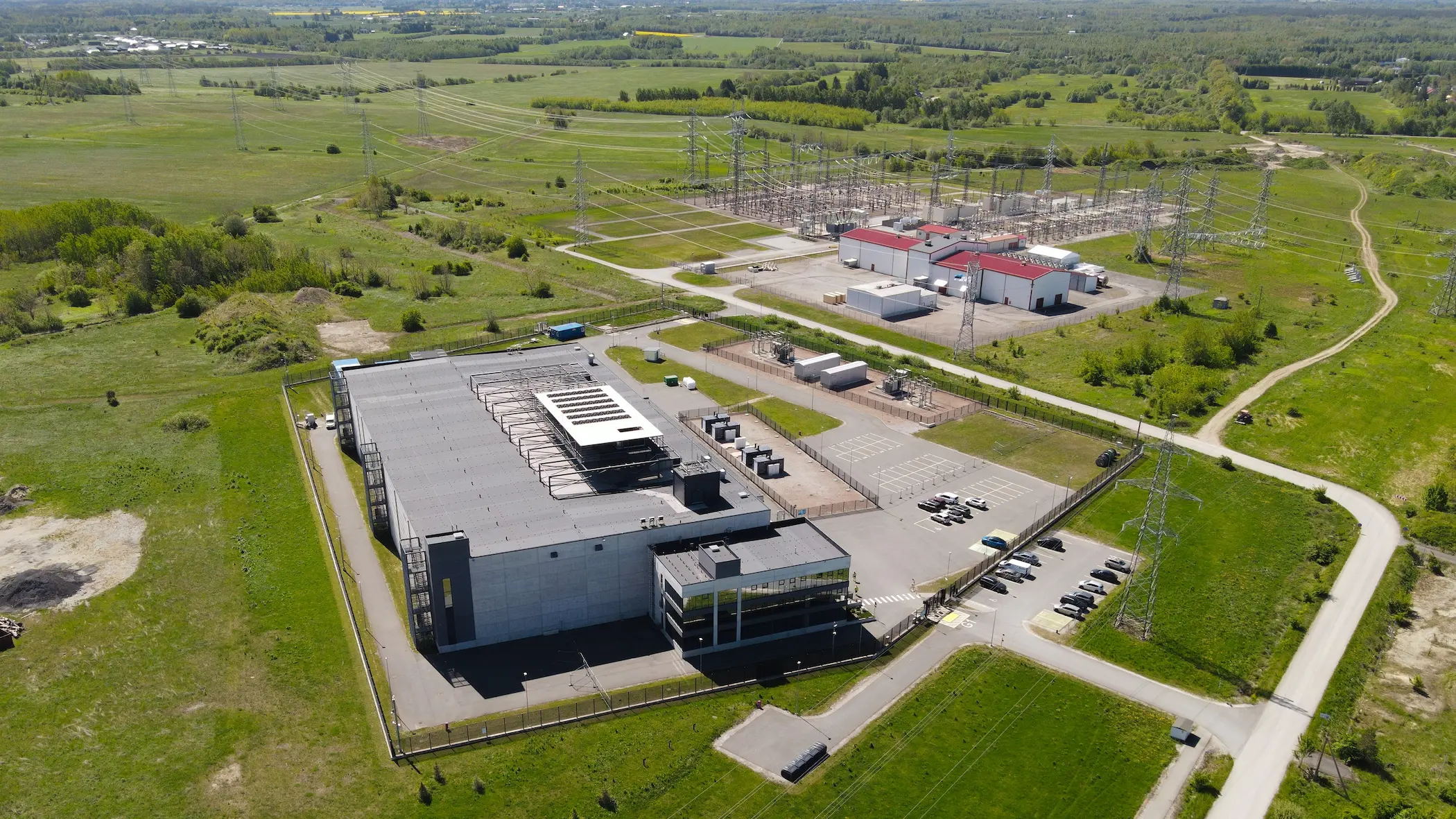
A good example of how other countries are diversifying is Sheikh Dr Badr bin Dalhim Al-Faheid Al-Hajri and Qatar backed Cascade Natural Resources, who are investing US$165 million in Pensana and their Rare Earth Longonjo project in Angola.