
Publications
11 Sep 2026
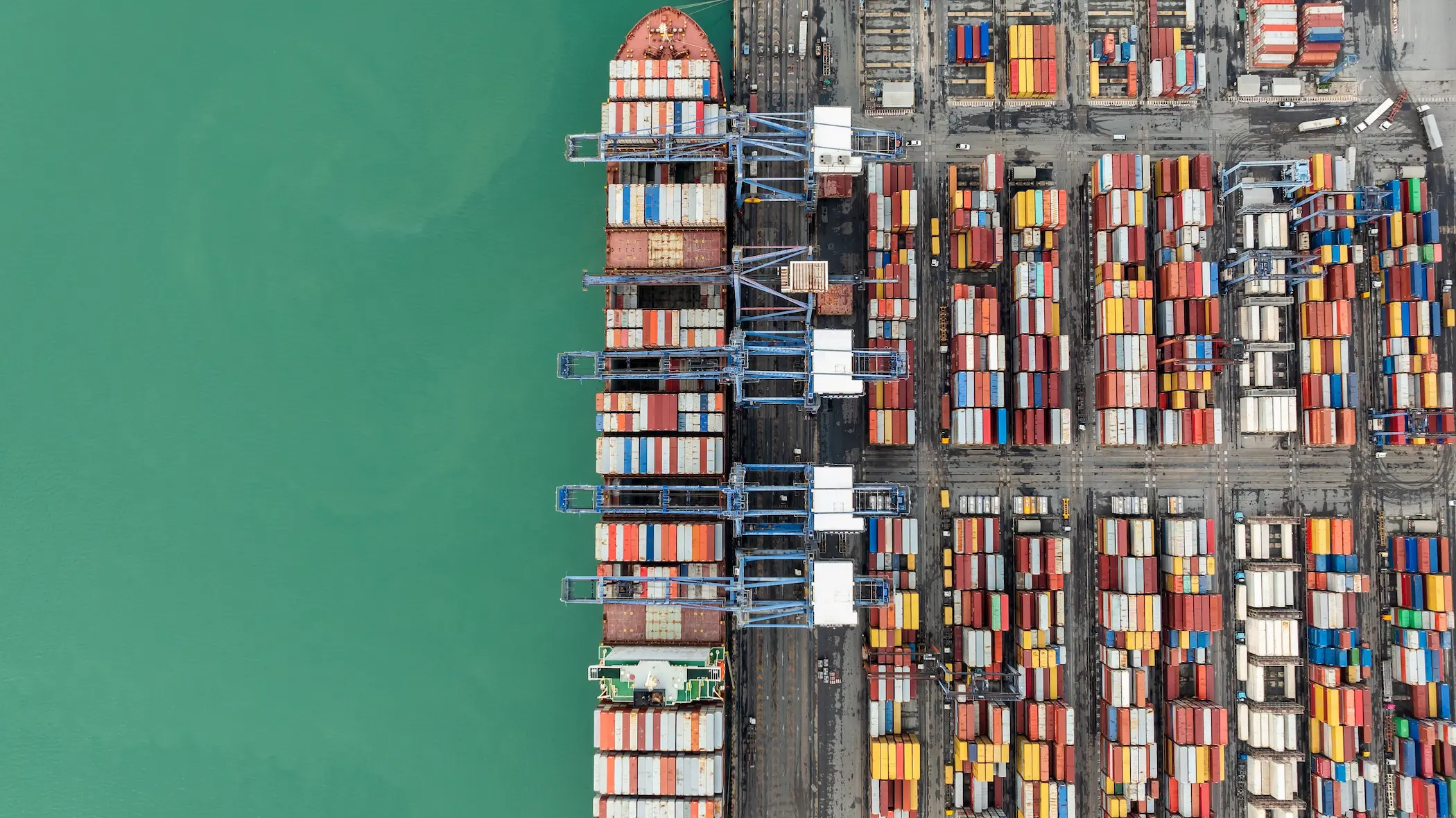
Are Ports More Important Than Capitals?
While political capitals retain legal and sovereign authority, seaports have emerged as the "functional capitals" of the modern state. These maritime nodes are where sovereign decisions are translated into material reality, controlling the flow of energy, food, industrial inputs, and data. With 80% of global trade volume and 70% of its value moving by sea, the disruption of a major port can rapidly paralysise a nation's economy and military logistics, demonstrating that port power is highly consequential and systemic.
Port power is relational, depending on factors like geographic position, network centrality, industrial depth, and digital architecture. The global port network is highly concentrated, with less than 5% of ports handling half of the global maritime trade, creating a paradox where extreme efficiency leads to profound systemic vulnerabilities. This concentration makes ports susceptible not only to physical blockades or congestion but also to cyberattacks and climate change, necessitating robust resilience strategies.
Furthermore, foreign investment in port infrastructure carries significant geopolitical implications, moving beyond simplistic narratives of "debt-trap diplomacy". Long-term concessions and operational control can create strategic dependencies, even without outright asset confiscation. Additionally, modern ports possess a dual-use nature, where commercial facilities can provide latent military option value, blurring the lines between economic integration and naval expansion. Ultimately, true national power lies in the effective integration of the political capital's authority with the strategic port's physical capabilities.
This publication was written in August 2026

Programmes
26 Aug 2026
Beyond PEPFAR: How America’s Aid Retreat Is Reshaping Global Health Governance
For over two decades, The President's Emergency Plan for AIDS Relief (PEPFAR) stood as the clearest example of what concentrated donor power could do: one country's political will, translated into billions of dollars a year, credited with saving more lives than any single global health program in history. That era is now ending, not through a managed transition but through an abrupt, largely unplanned withdrawal that began within days of the second Trump administration taking office in January 2025. The story that follows is not simply about cuts to HIV/AIDS funding, but it is about what happens when the architecture of global health financing loses its dominant pillar, who scrambles to fill the resulting vacuum, whether the countries left exposed can build the fiscal and institutional capacity to stand on their own, and whether the system that emerges is more fragile or more resilient than the one it replaces. The transition is already producing real costs: closed clinics, disrupted treatment, and rising infections in countries that had spent years bringing their epidemics under control. Besides, it is also accelerating financing reforms, regional cooperation, and domestic manufacturing that donor dependence had, for twenty years, made largely unnecessary. Both of these things are true at once, and this analysis traces both.
Programmes
21 Aug 2026
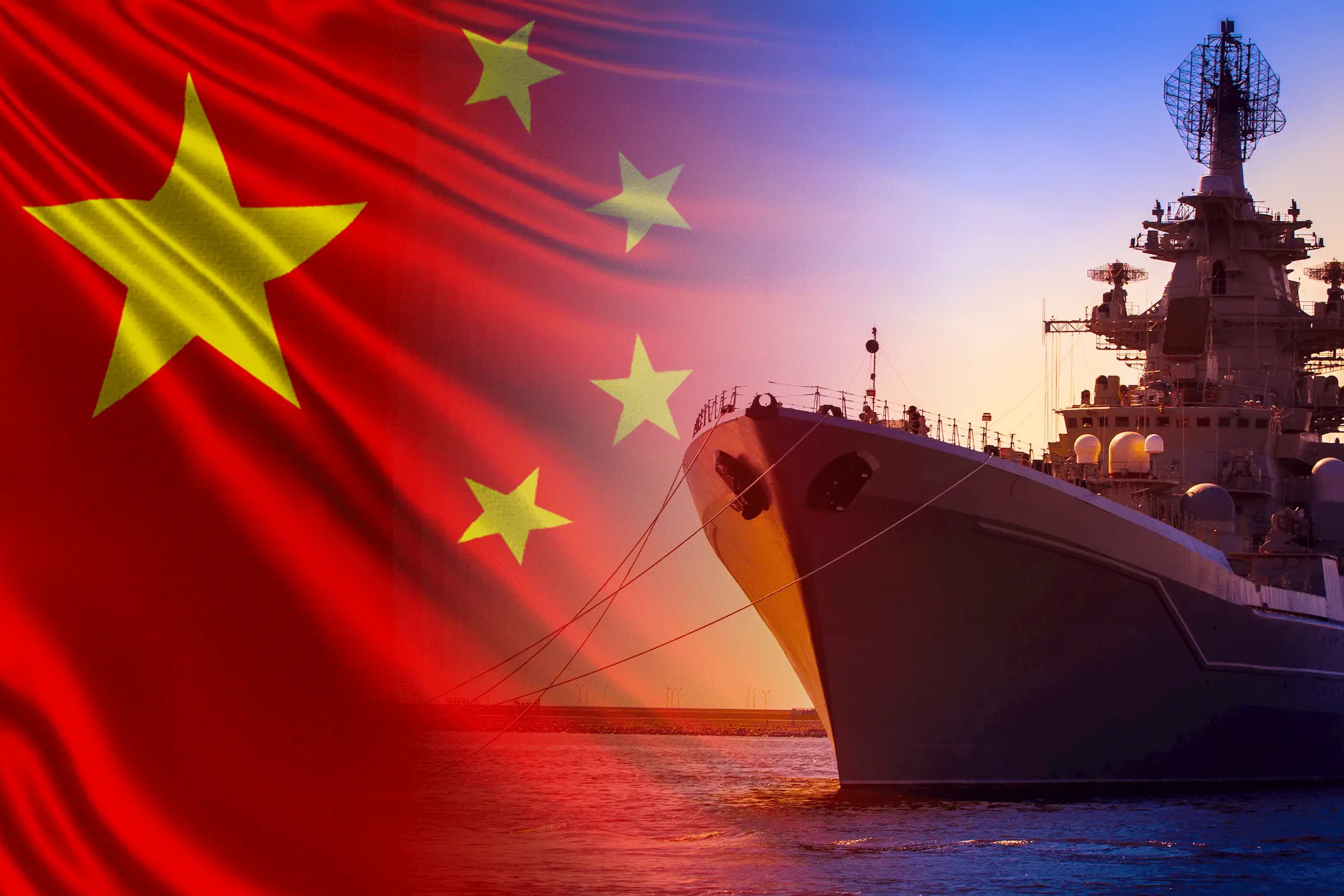
The Civilian Face of Chinese Sea Power
Hundreds of fishing boats ring a reef no one is technically fighting over. No missiles fired, no warships trading shots, just a coast guard that cannot get close and fishermen who eventually leave. Weeks later, the water functions as someone else's. China has spent over a decade building this capability: the People's Armed Forces Maritime Militia, a fleet that flies no naval flag and answers to no declaration of war, subsidized and coordinated to advance state objectives in the South China Sea without crossing the threshold that would draw in the US Navy, trigger a treaty, or unite the region against Beijing.
The significance of the militia extends beyond China's activities in the South China Sea. It provides an example of a broader trend in which civilian assets are increasingly incorporated into national security strategies. The more useful question is not what China is doing with these assets, but why this specific tool, and what it signals about how the next round of great-power competition will be fought.
Programmes
4 Aug 2026
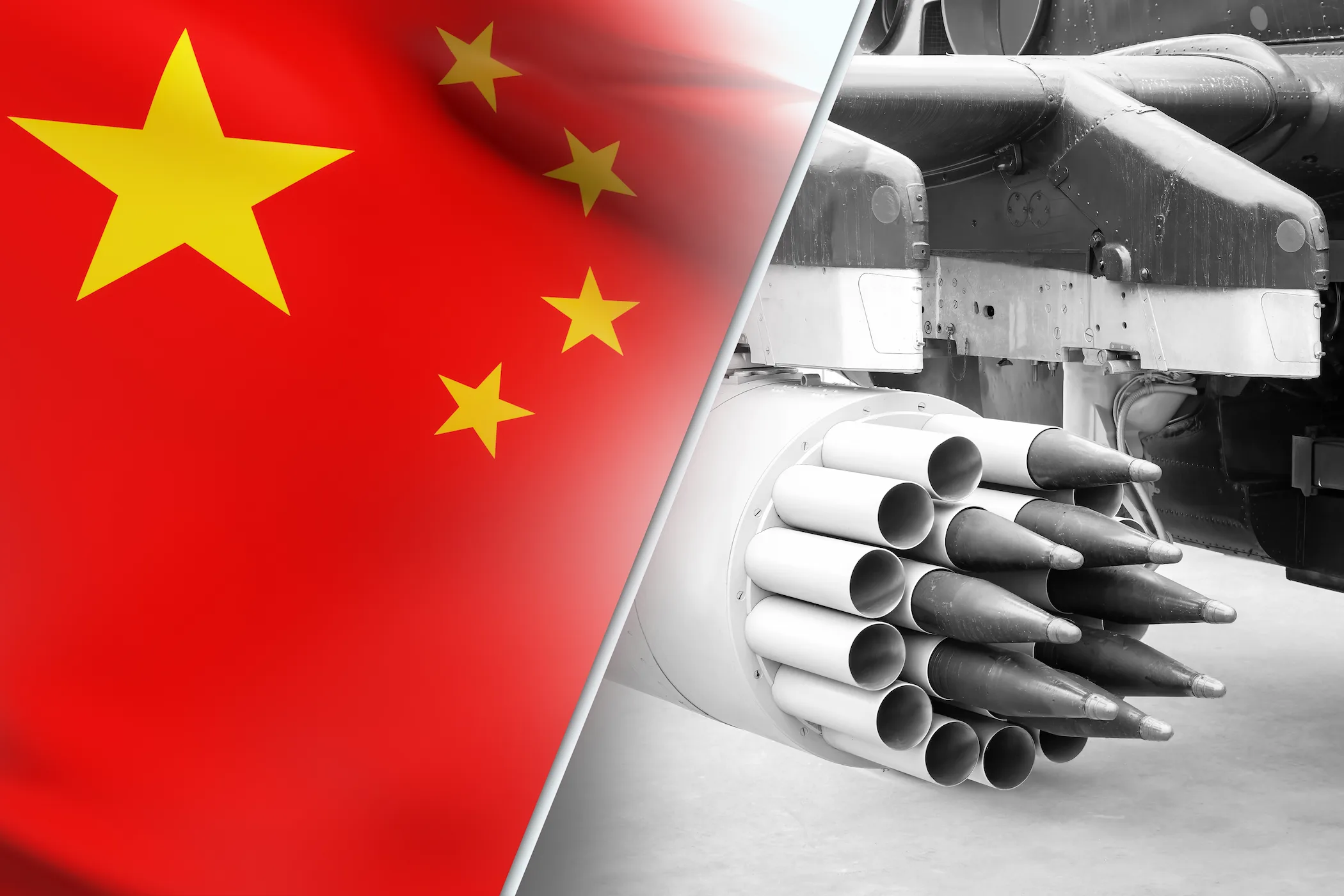
Modern Warfare: Can Military Components Become China’s Greatest Strategic Weapon?
On July 15, 2026, reports revealed that the EU has authorised Ukraine to purchase Chinese drone components using EU defence funds. This decision is striking, as although Europe accuses China of supporting Russia's military-industrial development and seeks to contain China’s military capabilities, the new shift suggests that it may represent a new geopolitical reality rather than a temporary wartime exception.
This decision represents a new direction where Europe has been obligated to finance Chinese defence-related industries because no viable alternative exists. This points to a broader strategic aspiration where China tries to position itself to become an indispensable supplier of military components. It means supplying the core parts and technologies upon which global weapons production increasingly depends. This raises a crucial question: can China leverage its dominance in military components to become the indispensable infrastructure of global defence production?

Programmes
3 Aug 2026
The Economics of Reusable Launch Vehicles and the Competition over Low Earth Orbit
Access to low Earth orbit has undergone a structural transformation over the past fifteen years, shifting from a sovereign undertaking financed by the budgets of major states into a logistics service bought and sold by the kilogram. The global space economy reached roughly $626 billion in 2025, with commercial activity accounting for close to 78% of that total, and projections place it between $1 trillion and $1.8 trillion by 2035 — even though launch services on their own amount to no more than $14 billion. That disparity points to a basic truth: launch is not the market being contested. It is the gateway whose price determines the nature and the scale of everything that can be built beyond the atmosphere.
This structural shift rests on a single pivotal engineering innovation: recovering the first stage of the rocket and flying it again rather than discarding it after every mission. Recovery allows the capital cost of manufacturing to be distributed across multiple flights, and it demolished the price floor that had governed the market for decades. The consequence has been to narrow the technological contest over low-orbit reusability to two principal powers: the United States, which operates a mature fleet flying at an intensive and near-routine cadence, and China, which since mid-2024 has been conducting an accelerated, high-risk test campaign in pursuit of the same capability. The threshold of reaching orbit has therefore ceased to function as the technological dividing line between the two; the real remaining challenge lies in mastering precision guidance through the final metres before a safe landing.
Therefore, this analysis aims to unpack the economics of reusability and locate the true bottleneck within the cost structure; to then measure the gap between Washington and Beijing through two distinct indicators, namely the number of launches and the mass delivered to orbit; and finally to estimate the technical and temporal distance separating China from its first successful recovery, together with what its completion would mean for global launch pricing and for the budgets of the megaconstellations on which satellite internet services depend.
Programmes
7 Jul 2026
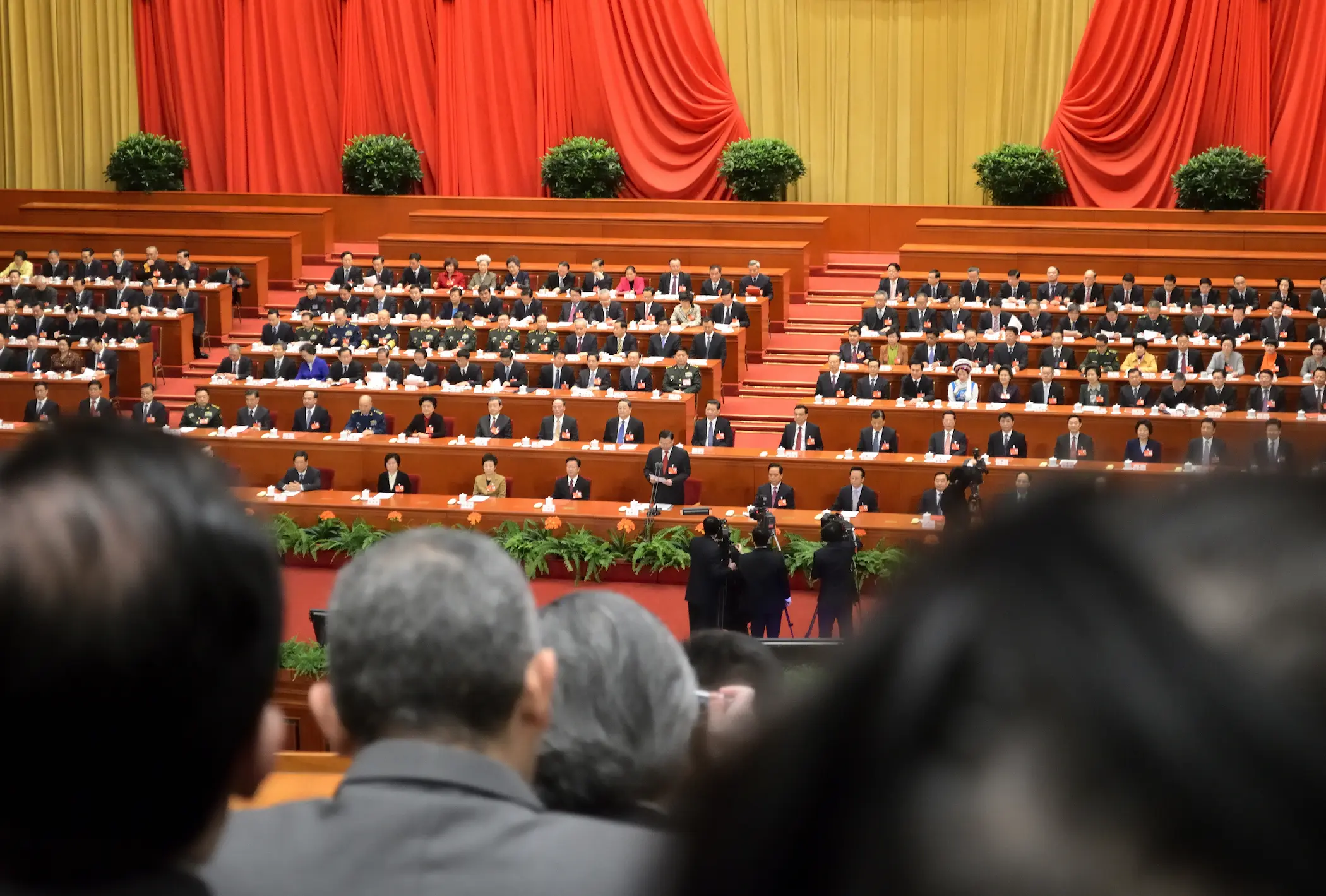
The Price of Principles: Can China Build a Cost-Averse Global Order?
On June 17, 2026, China published its first comprehensive white paper on global governance titled "More Just and Equitable Global Governance: China's Principles, Proposals and Actions," which constitutes a translation of China's long-standing aspiration to shape the international order. The paper proposes a new model redefining principles and institutions while advocating for multilateralism in the international order. However, it seems that China concentrates on leadership grounded in normative influence rather than the financial and military commitments that have historically accompanied global leadership.
The release of the white paper coincides with new developments China faces, notably economic structural headwinds. Such developments provide strong context for the White Paper’s focus on normative leadership. This raises a crucial question” Can China's cost-averse model of global leadership translate normative influence into sustainable geopolitical leadership?

Programmes
24 Jun 2026
From Mercedes to BYD: The Full Story of Power Shifts in the Global Automotive Industry
For decades, the automotive sector has been the industrial backbone of the European Union, employing roughly 13.8 million people—8.1% of the bloc’s manufacturing jobs—generating close to 7% of its GDP and a trade surplus exceeding €79.5 billion. Yet this entrenched primacy is now exposed. The legislated phase-out of the internal combustion engine (ICE) by 2035, structurally elevated energy costs, and China’s state-backed scaling of new energy vehicles (NEVs) have converged to erode advantages built over a century. Within a single decade, China has vaulted from an assembler of imported technology to the global pacesetter in battery chemistry, critical-mineral refining, and software-defined vehicle production.
Accordingly, this analysis aims to provide a rigorous quantitative assessment of Europe’s eroding automotive competitiveness against China’s ascent, across three interlocking axes: the empirical evidence of the market shift, the financial and economic root causes, and the strategic outlook for a continent now forced onto the defensive.

Programmes
4 Jun 2026
Trump, Tariffs, and the Revolt of the American Farmer
By mid-2026, the US agricultural sector stands at a critical juncture where macroeconomic shocks intersect with geopolitical repercussions and sharp shifts in domestic trade policy. This has been reflected acutely in the traditional political alliances of rural America—which have historically constituted a formidable electoral stronghold for the Republican Party and, in particular, for President Donald Trump—as they undergo deep structural fractures that continue to widen, driven by the direct economic effects of stringent protectionist trade policies, disruptions to the regulatory framework governing biofuels, and regional conflicts that have combined to erode profit margins and undermine farmers’ confidence in the current system.
To understand the roots of this crisis, it is necessary to examine the nature of the implicit economic contract between the current Republican administration and its rural base. Historically, the government’s strategy rested on a two-dimensional approach: engineering stringent industrial tariffs to protect the domestic manufacturing base, while simultaneously attempting to insulate the agricultural sector from the adverse repercussions of these policies through the injection of exceptional federal support packages. However, the dynamics of 2025 and 2026 have undermined the wager on the sustainability of this equation. The economic strain generated by this dual approach translated into tangible political mobilisation, the effects of which were clearly reflected in opinion polls and primary-election indicators that came as a shock to the Republican camp.
Building on the foregoing, and with the crisis shifting from the economic sphere to the arena of electoral contestation, this analysis seeks to dissect the deep economic drivers that have produced the current state of agricultural frustration, evaluate the effectiveness of government measures in the areas of trade and energy, and assess the extent of the shift in the political calculations of rural voters. Drawing on a systematic reading of quantitative indicators and an examination of the results of the Iowa primary elections, this analysis attempts to anticipate the trajectory of this discontent: does it merely represent a temporary wave of backlash-driven anger, or is it laying the foundations for a broader political realignment capable of reshaping the balance of power in Washington ahead of the midterm elections?
Programmes
15 May 2026
US-China Summit: Not Peace, Rivalry Management
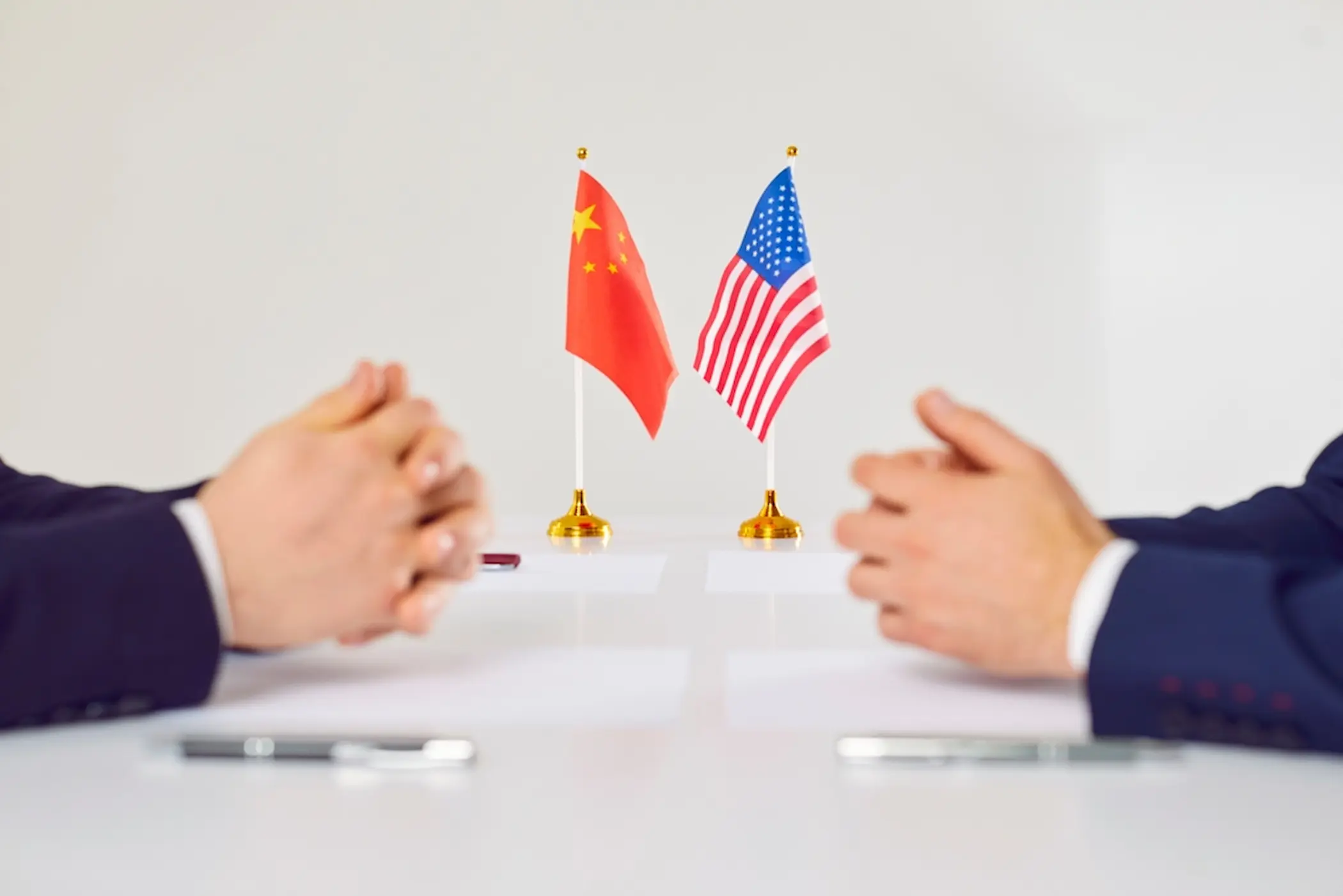
In the early hours of May 13, US President Donald Trump travelled to China to engage in high stakes talks with his Chinese counterpart Chinese President Xi Jinping. These talks are taking place in the context of heightened global instability stemming from conflicts such as the US-Israel-Iran War and the economics shocks stemming from this conflict. Within this context, both governments are set to engage in conversations aimed at stabilizing the US-China relationship and partaking in strategic dialogue regarding geopolitical and economic uncertainty. This summit can potentially shape the future of the US-China relationship as the outcome of these talks can shape the economic and security relationship between the two nations and their partners in the long run. Therefore, an exploration into this summit is needed and will focus on explaining the reason the summit is happening now, the mindset of the parties entering the summit, the topics on the agenda, and the potential outcomes of the summit.
Programmes
25 Mar 2026
Iran as a Potential Arena for Great Power Competition
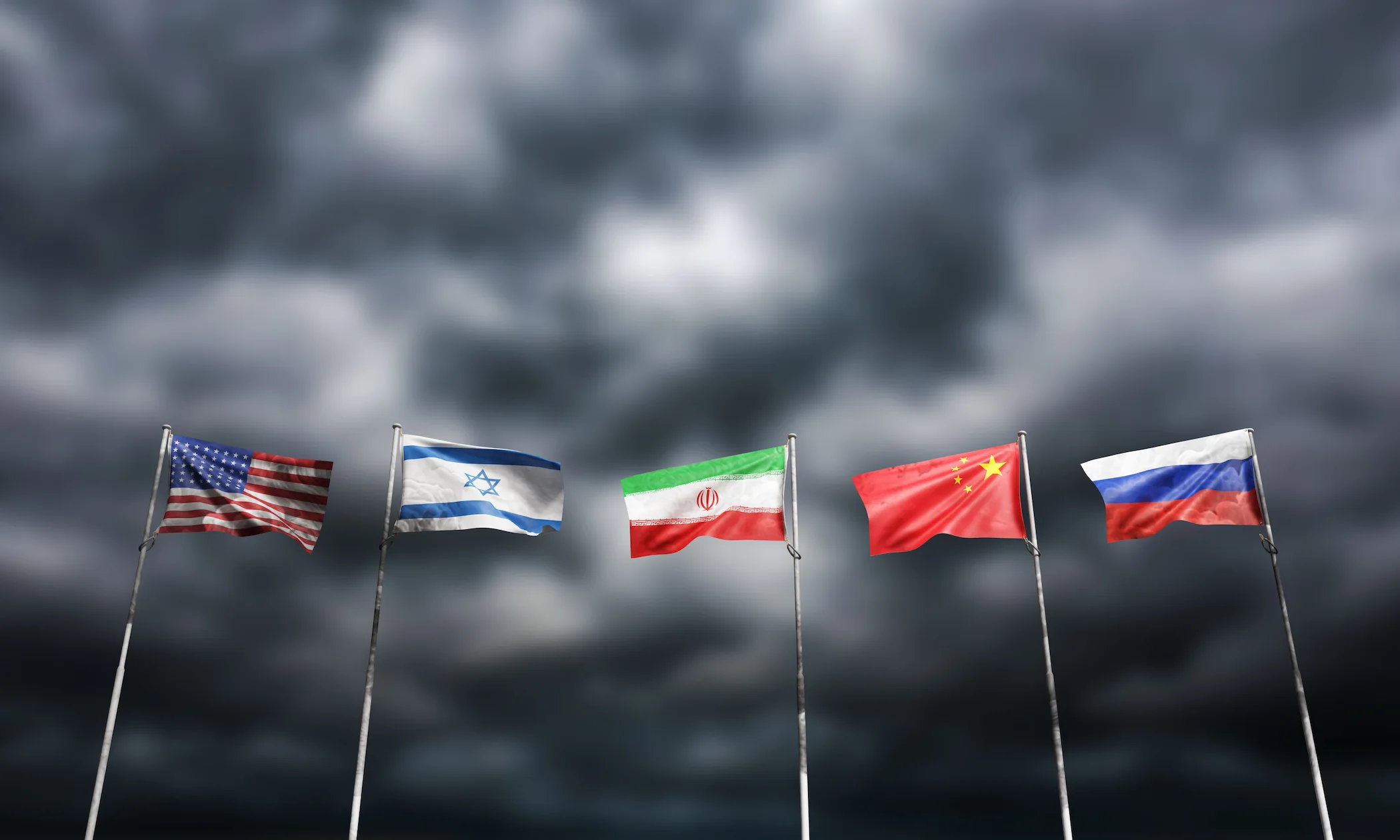
The U.S.-Israel-Iran War is well underway, and the risks of spillover and enlargement is becoming more of a reality as the war goes on. As the conflict continues to expand, several actors are seeking out opportunities to challenge the existing balance of power in the region and aim to exploit the war to expand their influence. In the past decade, Russia has been working to court the United States’ MENA allies into its sphere of influence through the concept of regime stability, while China is taking on a soft power approach through economic and diplomatic cooperation. A prolonged war between the U.S.-Israel and Iran can result in global powers such as Russia and China getting more involved in the region to diminish American influence globally, which can result in a great power competition. The potential of Iran serving as an arena for great power competition will be explored through the American strategic overstretch and the economic shock caused by energy crisis.
Programmes
22 Mar 2026
From Partnership to Prudence: China’s Changing Investment Posture in Israel
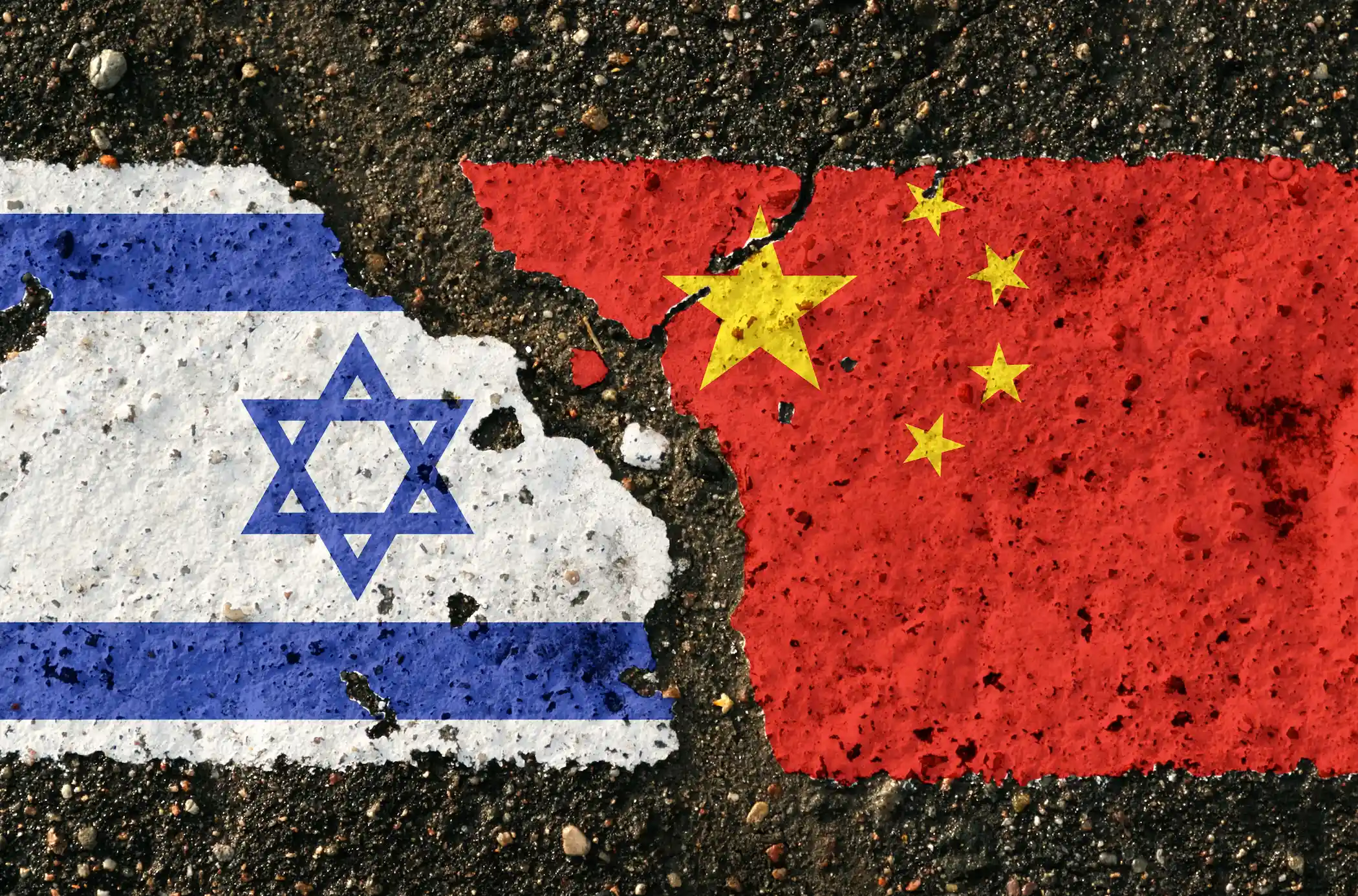
Economic and geopolitical relations between China and Israel have undergone significant changes following the War on Gaza. Chinese regulatory authorities moved to classify certain areas within Israel under what is known as the Red Category, an official administrative designation that identifies these locations as high-risk investment zones. This classification imposes legal restrictions that prevent the injection of new financial investments into these areas.
As a result, a legal environment has emerged in which Chinese companies rely on security warning protocols and personnel safety considerations as a formal justification for controlling capital flows and suspending the implementation of certain financial obligations under previously signed contracts. This development necessitates a careful examination to understand how these risk assessment mechanisms operate and their tangible impact on the economic relationship between the two countries.

Programmes
19 Mar 2026
Strait of Hormuz Closure: Strategic Implications for the Global Semiconductor Industry
Iran has blocked maritime navigation through the Strait of Hormuz since the first week of March, following the attacks it sustained during Operation Epic Fury. This disruption has hindered the movement of nearly 20 million barrels of crude oil per day. It has trapped shipments of liquefied natural gas, accounting for around 20% of global consumption, within the waters of the Arabian Gulf. As a result, international energy markets are experiencing sharp price volatility affecting Brent crude futures and European gas contracts.
At the same time, maritime shipping lines have been compelled to reroute their commercial fleets, forcing them to navigate around the historic Cape of Good Hope route at the southern tip of Africa. This enforced geographic diversion adds approximately 19 days to maritime transit times to and from Asia, generating weekly losses for global supply chains estimated at between $2 billion and $3 billion in additional operating and fuel costs.
This operational disruption directly affects the technological infrastructure of East Asia, where advanced semiconductor fabrication facilities in Taiwan and South Korea require vast, continuous electricity supplies to operate lithography systems around the clock. These critical facilities, which account for approximately 68% of global semiconductor production, rely on imported liquefied natural gas to ensure the stability of their power networks and prevent disruptions.
In parallel, the precision manufacturing processes involved depend on highly specialised raw materials whose primary sources are concentrated in regions currently affected by the crisis. In particular, production lines require ultra-high-purity helium gas, extracted as a by-product from Gulf LNG liquefaction facilities, which represent roughly 35% of global supply, as well as bromine, which Korean factories import at a rate of 97.5% from the Dead Sea coast for chemical etching processes. Accordingly, technology firms are accelerating efforts to assess their exposure to the dual energy and critical chemical input shortages. At the same time, economic stakeholders monitor the crisis's trajectory with heightened caution to safeguard supply chain continuity.
Accordingly, this analysis examines the strategic and operational implications arising from the closure, focusing on three principal dimensions. First, it addresses the disruption of liquefied natural gas supplies and their direct impact on the security of power grids that sustain major Asian semiconductor manufacturing hubs. Second, it examines the sharp interruption in the supply of critical raw materials, particularly specialised gases and petrochemical inputs required for precision manufacturing processes. Finally, it explores the logistical repercussions of the forced rerouting of maritime shipping routes, as well as the strategic measures states are considering to mitigate future geopolitical risks.