
Publications
18 Sep 2025
The War of June 2025: A Clash of Civilisations or a Catalyst for a New Middle East?
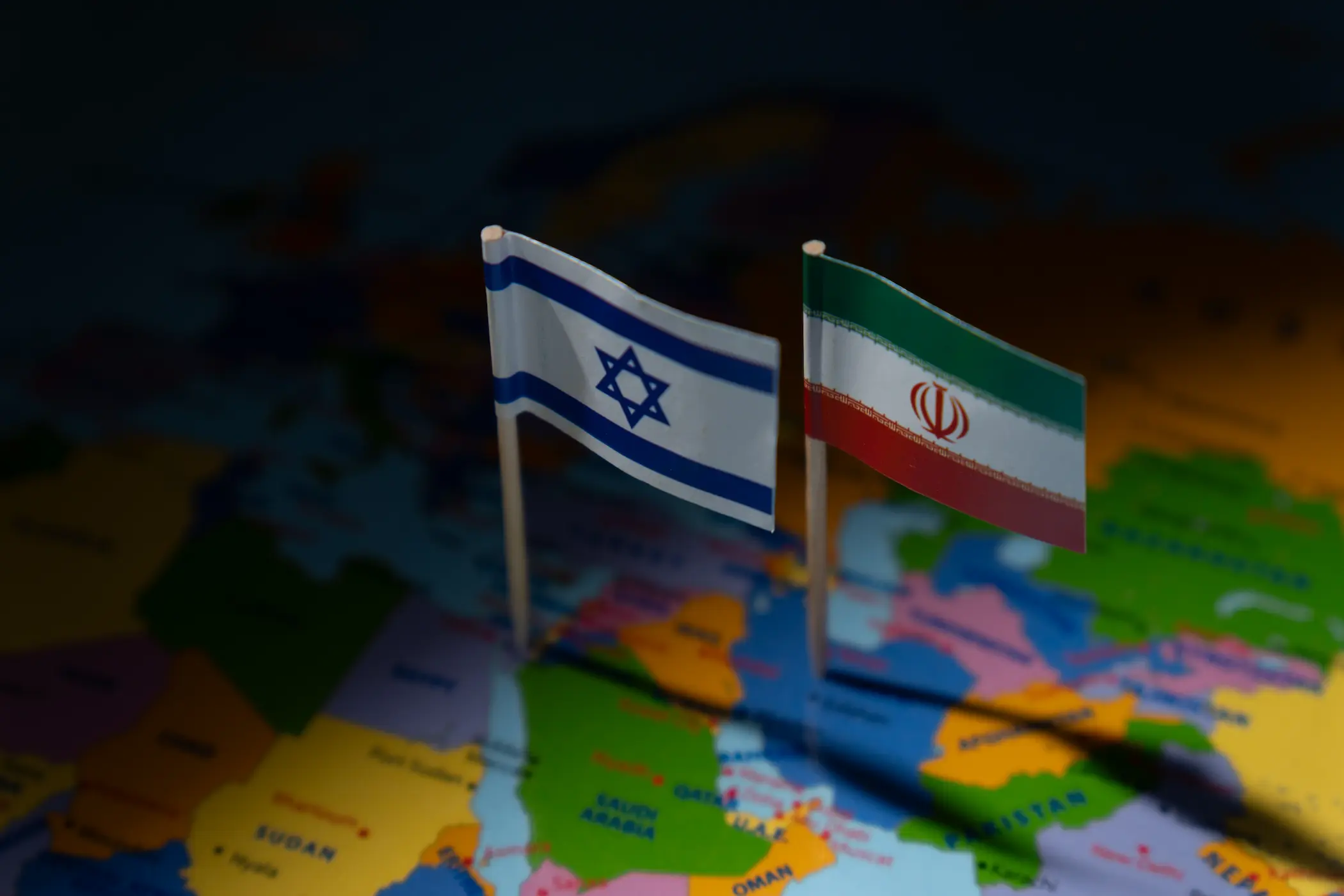
As many regional and global powers rush to reshape the Middle East to serve their strategic interests, the past two years have been marked by a cascade of transformative and often tumultuous events. These include the Israeli army’s large-scale invasion of the Gaza Strip following October 7, efforts to diminish Hezbollah’s influence in Lebanon, the fall of the Assad regime in Syria, intensifying Israeli military operations against Iran, and most recently, a wave of Western countries intending to formally recognise a Palestinian state alongside Israel’s announcement of plans for the annexation of the West Bank and a comprehensive occupation of the Gaza Strip.
Together, these rapid developments not only underscore deepening conflict and instability but also actively fuel the emerging discourse about the "New Middle East", a strategic framework envisioned by key actors outside of the region that seeks to redefine the geopolitical, security, economic, and diplomatic order of the region. The intertwining of hard power manoeuvres, shifting alliances, and economic realignments signals a significant recalibration rather than a mere continuation of the status quo.
In 2025, the potential rise in Western recognition of Palestinian statehood reflects growing international dissatisfaction with existing diplomatic frameworks and a push to rethink longstanding regional issues, directly challenging Israel’s traditional security and diplomatic calculus. Concurrently, Israel’s authorised military plan to take full control of Gaza exemplifies a decisive shift toward hardening its territorial and security posture, marking an unprecedented phase in Israeli-Palestinian relations and regional politics.
The confluence of these developments amplifies the narratives and policies underpinning the New Middle East: a vision premised on assertive state-centric realignments, expanded normalisation efforts, a recalibrated balance of power, and an economy-driven model of regional transactions. This evolving order encompasses ambitions to diminish Iranian influence, redefine Palestinian sovereignty on new terms, and facilitate deeper economic and security integration among select regional actors.
Ultimately, these events serve both as catalysts and manifestations of the "New Middle East" discourse. They reflect a region in flux where entrenched conflicts and new diplomatic initiatives are simultaneously eroding old paradigms and opening pathways for a fundamentally restructured Middle Eastern landscape.
This paper critically explores how the recent rapid developments in the Middle East contribute to shaping competing visions of the region’s future. It assesses whether the ongoing transformations reflect a deeper realignment driven by strategic state interests, expanding economic interdependence, and a recalibrated regional order that transcends historical cycles of conflict. Specifically, the analysis considers if these changes primarily illustrate Samuel Huntington’s "Clash of Civilisations" thesis—attributing post-Cold War regional conflicts to cultural and religious identity divisions—or if they instead represent a deliberate and calculated strategic effort to "reshape the Middle East" through redefined state priorities, shifting power dynamics, and newly forged regional and international alliances.
Programmes
18 Sep 2025
An Isolated Israel
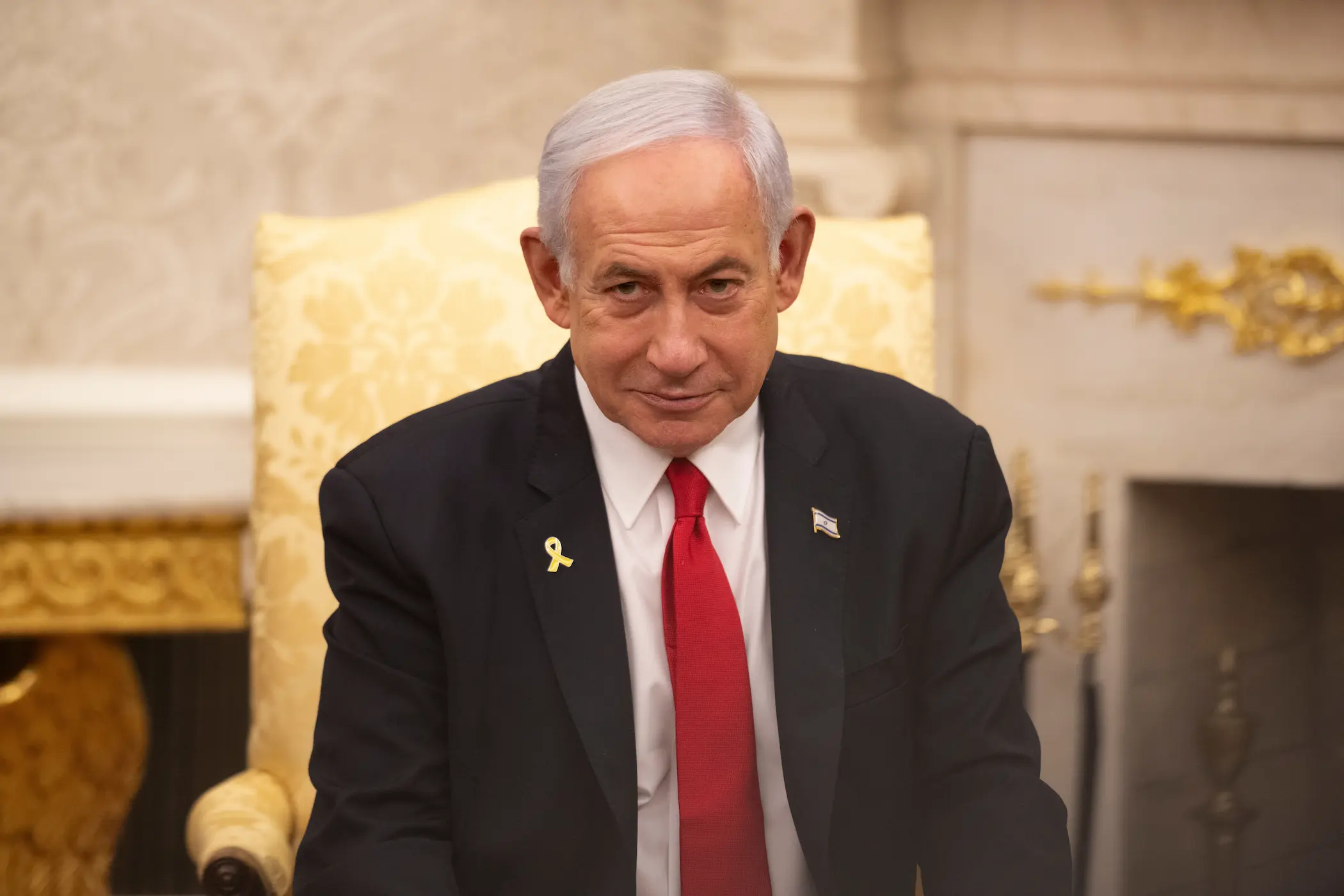
Israeli Prime Minister Benjamin Netanyahu recently acknowledged that Israel is entering a phase of economic and political isolation internationally, largely due to its ongoing military actions in Gaza. He warned that this isolation may last for years and insisted that Israel must adapt by becoming more self-sufficient, especially in its weapons manufacturing capabilities. Netanyahu described this shift as moving toward an economy with "autarkic characteristics," a term he said he despises since he has long supported free-market policies. Nonetheless, given potential export bans and economic sanctions, he emphasized Israel's need to be both "Athens and super-Sparta," implying a combination of intellectual and military self-reliance to withstand these challenges.
His comments are a rare admission that Israel faces significant global backlash and diplomatic estrangement due to the nearly two-year war in Gaza. Several Western countries, such as Spain, have cancelled arms deals with Israel over the war, with a U.N. Independent International Commission finding that Israel is committing genocide, and a slew of other countries have officially recognized a Palestinian State.
Netanyahu's remarks mark a rare acknowledgment of the changing international environment around Israel. This mounting isolation not only underscores Israel’s diplomatic challenges but also highlights the growing vulnerabilities within its economy, as sanctions, boycotts, and the loss of arms contracts emerge as direct consequences of its genocide in Gaza.

Publications
17 Sep 2025
Arab Airspace Blockade After Doha Attack
This paper provides a comprehensive assessment of the potential economic, political, and security outcomes should the Arab and Islamic worlds enact a coordinated airspace blockade against Israel. The specified catalyst for this action is the Israeli airstrike on Hamas leadership in Doha, Qatar, on September 9, 2025, an event that has already precipitated a significant realignment of regional diplomatic postures.
The central thesis of this analysis is that a coordinated airspace blockade would represent a strategic shock to Israel, not merely a logistical inconvenience. It would function as a form of asymmetric economic warfare, inflicting severe, multi-sector damage on Israel's globally integrated economy by targeting its core vulnerabilities in aviation, high-value trade, and tourism. The direct economic impact is estimated to be a contraction of 4.8% to 5.7% of Israel's Gross Domestic Product (GDP), a shock sufficient to trigger a deep recession.
Politically, the blockade would fundamentally re-order the regional geopolitical landscape, shattering the post-2020 status quo established by the Abraham Accords and rendering further normalization efforts untenable. It would accelerate a strategic pivot by Gulf Arab states away from a singular reliance on the United States as a security guarantor, fostering a new, region-driven security architecture. For the United States, such a development would present an acute diplomatic crisis, forcing a choice between its ironclad alliance with Israel and its vital strategic partnerships with Arab nations, thereby undermining a cornerstone of its Middle East policy.
From a security perspective, the blockade would act as a "gray zone" challenge, a highly coercive act that exists in the ambiguous space between peace and declared war. It would degrade the operational reach of the Israeli Air Force (IAF) and place the onus of military escalation squarely on Israel. A decision by Israel to forcibly challenge the blockade would create a high-probability pathway to a wider regional military conflict, potentially drawing in the Gulf states, Iran and its proxies, and the United States. The airspace blockade, therefore, represents a plausible and potent instrument of collective action that could irrevocably alter the strategic balance in the Middle East.

Programmes
17 Sep 2025
The GPS Battlefield: The Invisible War in the Middle East
Wars are no longer confined to missiles, drones, or soldiers on the battlefield; increasingly decisive struggles are taking place in the invisible realm of signals that quietly guide planes through the sky, ships across narrow straits, and even the timing of financial markets. At the heart of this new contest lies the Global Positioning System (GPS), once praised as a scientific triumph and gifted to the world as a free public good, increasingly repurposed into a weapon that is inexpensive to disrupt, difficult to trace, and capable of inflicting consequences far beyond the battlefield.
The recent jamming of European Commission President Ursula von der Leyen’s aircraft served as a stark reminder that even the highest levels of leadership are not immune, but what may appear to be isolated incidents in Europe are in fact part of a broader pattern that has taken deep root in the Middle East. In a region where the world’s most critical energy chokepoints converge, navigation interference is no longer a rare abnormality but an increasingly routine feature of conflict, carrying implications that stretch from military readiness to economic stability and, ultimately, to the daily lives of millions.
Programmes
16 Sep 2025
The Arab-Islamic Emergency Summit: A Watershed Moment in Regional Dynamics
The 2025 Arab–Islamic extraordinary summit, held in Doha, Qatar, on September 14–15, marked a pivotal moment in Middle Eastern diplomacy. Convened in direct response to an unprecedented Israeli airstrike on the Qatari capital, the meeting served as a forum for Arab and Islamic nations to formalise a collective security and diplomatic response. The paper finds that this Israeli action, intended to undermine ongoing negotiations, inadvertently solidified a unified front among regional powers. The incident also exposed a profound erosion of trust in the United States as a reliable security partner, compelling Gulf states to actively consider alternative defence and diplomatic alignments. The summit's outcomes signal a new phase of regional foreign policy, moving beyond rhetorical condemnation to a framework for coordinated legal and economic measures, with significant implications for Israel, the United States, and the prospects for a lasting ceasefire in Gaza.
The final communiqué went far beyond rhetoric, demanding concrete punitive and legal measures against Israel. These included a call for sanctions, a review of diplomatic relations, and the use of international legal bodies to hold Israel accountable. The activation of the Gulf Cooperation Council’s (GCC) Joint Defence Council signalled a tangible move toward a new, collective regional security paradigm. The summit’s outcomes collectively demonstrate a strategic pivot away from American-led diplomacy and security frameworks toward a more independent and potentially confrontational regional posture, signalling a new, more volatile era in Middle East geopolitics.

Programmes
11 Sep 2025
Beyond the 9-to-5: Promise and Peril of the Middle East’s Gig Economy
The labour market is undergoing a profound transformation as millions worldwide move away from traditional payroll jobs toward flexible, independent work enabled by digital platforms. This shift has accelerated the growth of the gig economy, which is reshaping employment patterns, stimulating entrepreneurship, and driving innovation. At the same time, it raises new challenges related to income volatility, worker protections, and regulatory oversight.
The term “gig,” once used by musicians to describe short-term performances, now refers to a wide range of freelance, contract, or temporary jobs that prioritize flexibility over permanence. Today’s gig economy is powered by digital platforms that link workers with clients, including ride-hailing services, delivery apps, freelance marketplaces, and online teaching platforms. While this model provides economic benefits such as greater productivity, adaptability, and entrepreneurial opportunities, it also exposes workers to risks concerning rights, job security, and fair treatment. Achieving a balance between innovation and equitable protections remains key.
In the Middle East, the gig economy is expanding rapidly, fuelled by a young, digitally skilled population, unemployment pressures, and government-led diversification strategies. By 2024, the region contributed more than 7% of the global gig market, with freelancing, delivery services, and digital platforms becoming central to local economies. Policymakers are responding through freelance visas, skills programmes, and targeted regulations; countries such as Saudi Arabia and the United Arab Emirates (UAE) are aligning gig work with ambitious visions of transformation, while Egypt demonstrates both the sector’s strong growth and the persistent challenges of informality and regulation. While the gig economy has thrived in the Middle East, its full potential can only be realized through a new generation of governmental reforms that go beyond just supporting growth and actively build a stable and protected freelance workforce.
Programmes
10 Sep 2025
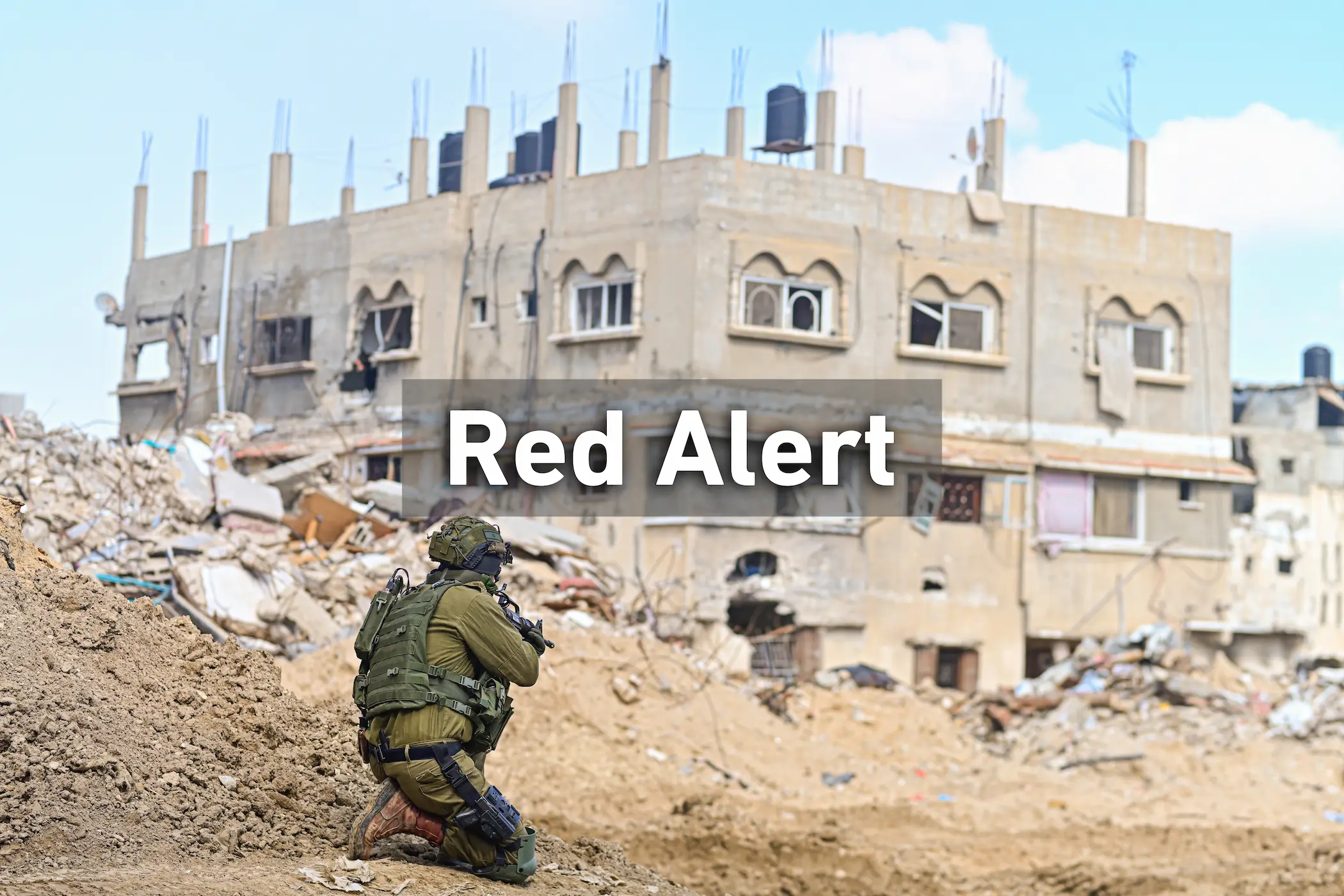
Red Alert: Israel Orders Full Evacuation of Gaza City
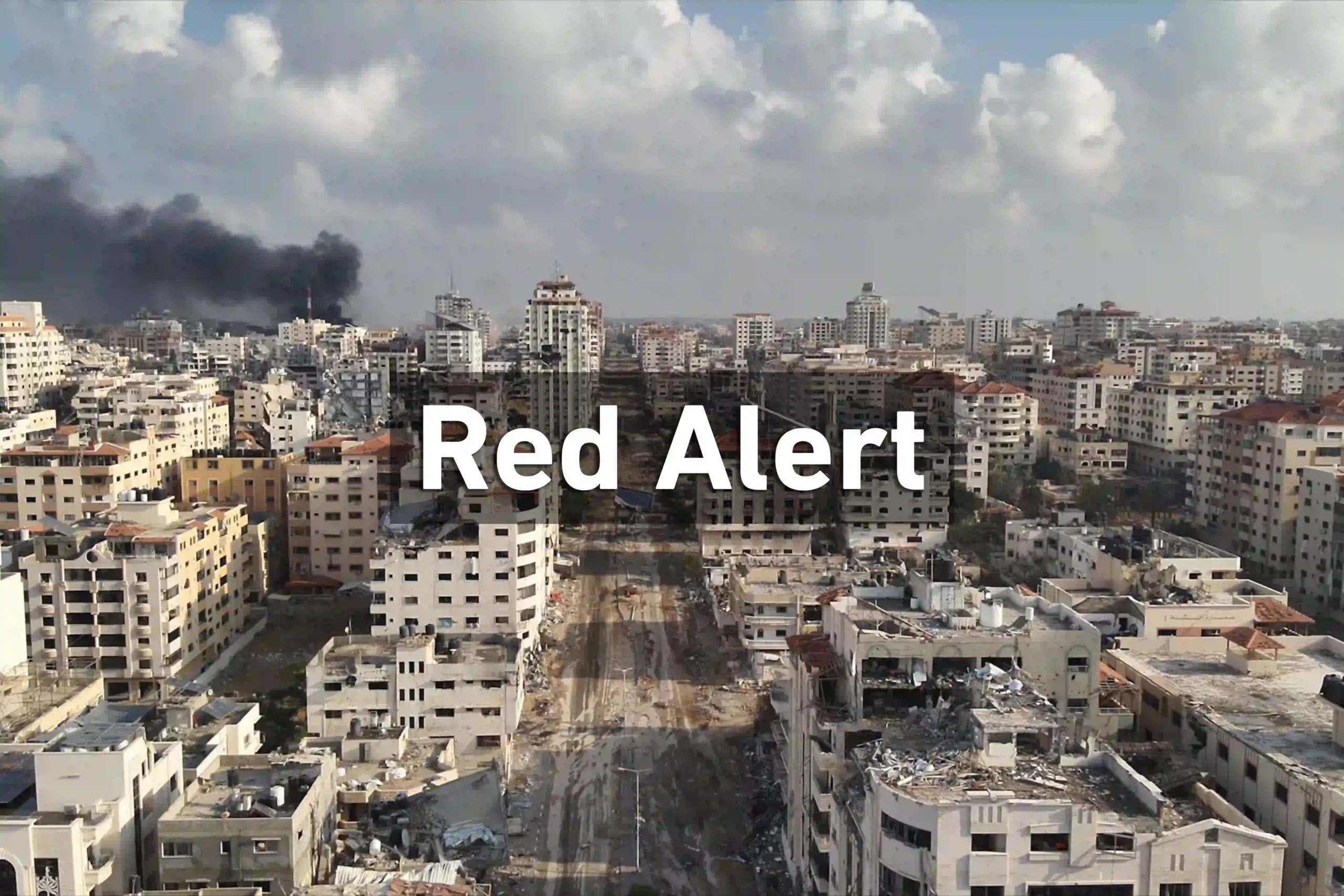
In a further escalation of the nearly two-year war, Israel on Tuesday ordered the full evacuation of Gaza City, home to roughly a million Palestinians, ahead of what Prime Minister Benjamin Netanyahu described as the “beginning” of an intensified ground manoeuvre.
The Israel Defense Forces (IDF) dropped thousands of leaflets instructing residents to flee south toward the overcrowded al-Mawasi “humanitarian zone,” while airstrikes targeted high-rise towers and urban neighbourhoods. The decision marks a turning point in Israel’s campaign, signalling a shift from partial military control of Gaza City to full occupation.
Publications
1 Sep 2025
Is the Lebanese Army Equipped to Confront Hezbollah?
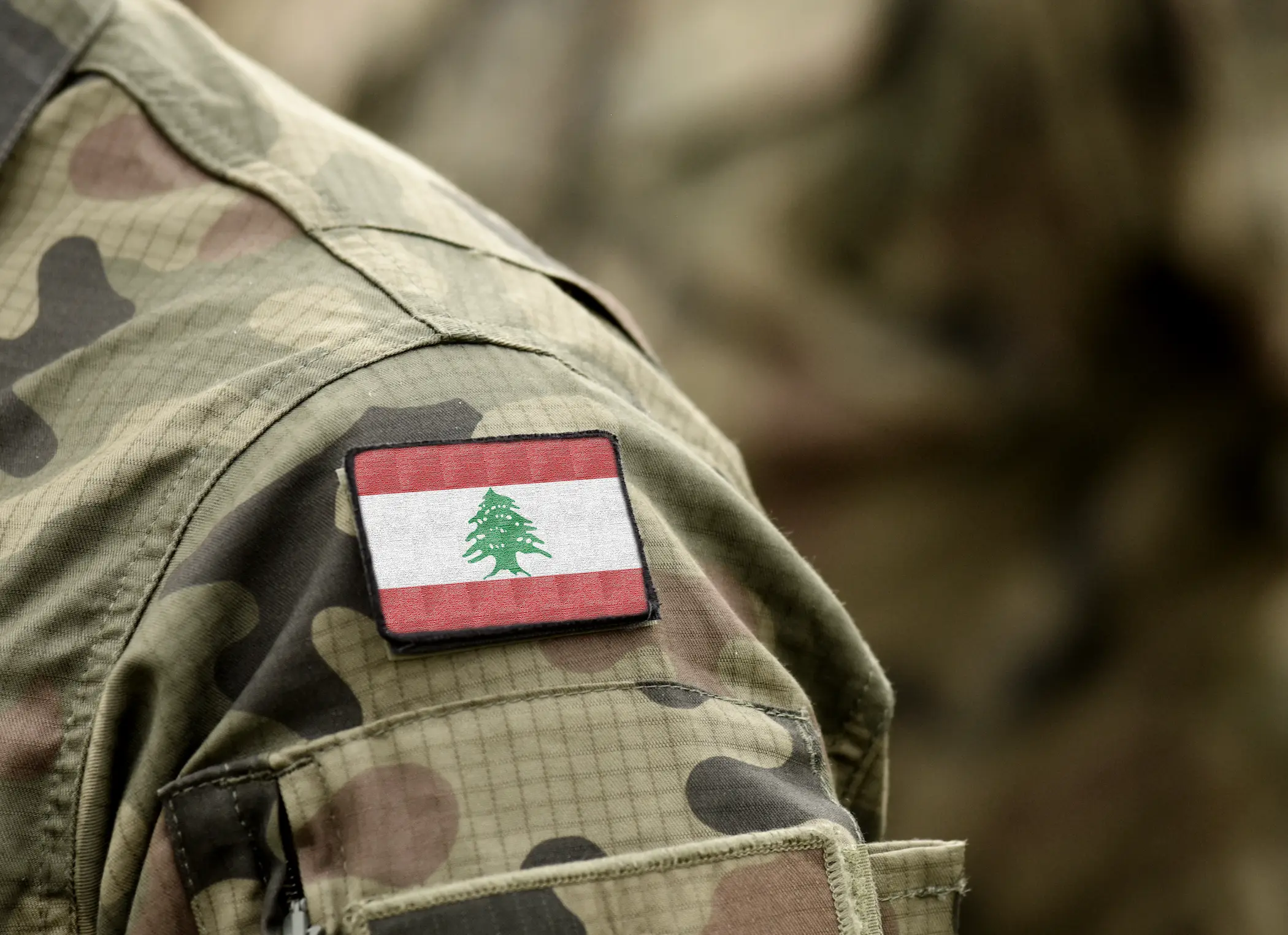
Lebanon today faces a critical crossroads that directly threatens its national sovereignty, and this challenge is reflected in the issue of confiscating Hezbollah’s weapons. On Aug. 5, 2025, the Lebanese government issued an important decision entrusting the armed forces with the task of developing a plan to establish the state's monopoly on weapons, restricting the possession of arms exclusively to state institutions, in implementation of the ceasefire agreement with Israel, with the plan to be executed before the end of the current year. This decision represents a strategic turning point that places Hezbollah before complex choices: voluntary disarmament, moving towards political transformation, or direct military confrontation with the Lebanese army.
Hezbollah, for its part, rejects this decision, describing it as a major sin, threatening to ignore it and considering disarmament a direct threat to Lebanon’s resistance against external aggression. The decision faces significant challenges due to the strong popular and political support Hezbollah enjoys, in addition to political maneuvers aimed at obstructing any measures targeting its weapons. Given the fragility of Lebanon’s political and sectarian system, there are significant risks of a confrontation breaking out that could escalate internal tensions and undermine security stability, making any direct military clash between the army and Hezbollah fraught with danger, with the likelihood of intensifying sectarian divisions and expanding the circle of violence. Will the Lebanese army be able to confront Hezbollah?
Programmes
17 Aug 2025
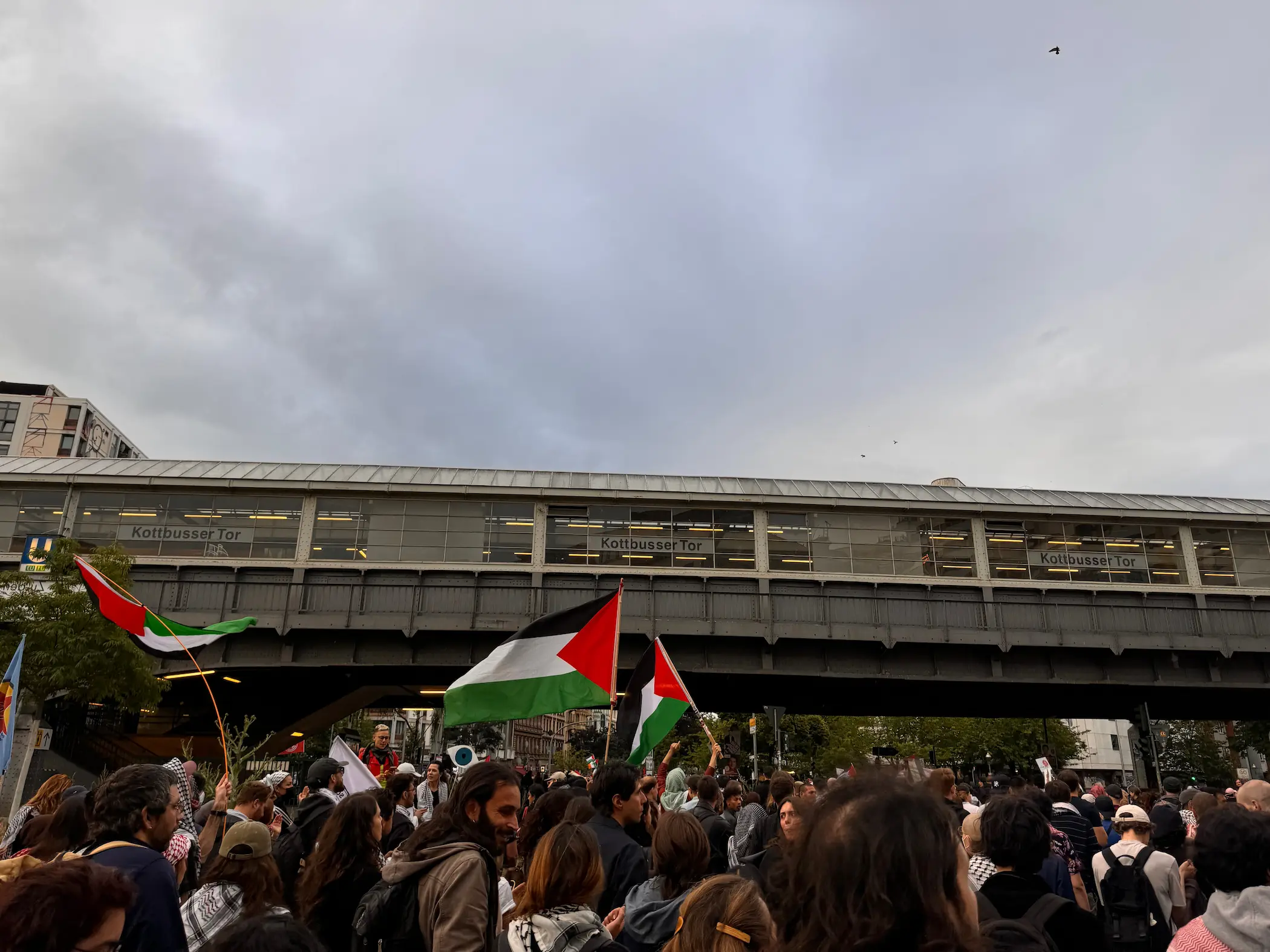
Domino Effect: Are More States Moving Toward Recognising Palestine?
Recent statements by France, the United Kingdom, and Canada—subsequently echoed by other European states—on their intention to recognise a Palestinian state in September mark a notable transformation in the policies of major Western powers toward the Palestinian question. This development comes against the backdrop of the deepening humanitarian catastrophe in Gaza, manifested in widespread famine and a death toll exceeding 60,000, which has further amplified international calls for an urgent political resolution to the decades-long Israeli–Palestinian conflict.
The announcements from Paris, London, and Ottawa—particularly France’s unconditional pledge alongside the conditional approaches adopted by the United Kingdom (UK) and Canada—represent a clear departure from traditional diplomatic norms, which had long tied recognition of a Palestinian state to the conclusion of a comprehensive negotiated peace agreement. This shift reflects mounting frustration over the stalled peace process, coupled with a growing conviction that conventional pathways have ceased to yield results. Recognition of Palestine is now increasingly seen not merely as the outcome of peace but as an instrument to catalyse the political process, thereby reshaping the diplomatic tools available for addressing the conflict and establishing a precedent that other states may exploit to strengthen international pressure.
At the international level, between 140 and 147 of the 193 UN member states already recognise Palestine as a sovereign state. This broad consensus provides the reference framework for understanding the recent decisions taken by France, the UK, and Canada. Notably, these three countries are all members of the G7, none of which had taken such a step before France’s declaration. France—Europe’s most populous nation—thus emerges as a prominent actor in this diplomatic shift, with both France and Canada poised to become the first G7 states to extend formal recognition to Palestine.
By contrast, the U.S. remains the sole permanent member of the United Nations Security Council (UNSC) that has yet to recognise the State of Palestine. This imbues the current shift with symbolic weight, laying the groundwork for a recalibration of diplomatic pressure on both Israel and the U.S., and potentially encouraging other hesitant Western states to follow suit. The divergence of positions within the Atlantic powers also underscores how internal pressures and the urgency of the humanitarian crisis have shaped the emergence of more assertive stances. Against this backdrop, this analysis explores the drivers behind this shift and its political and security implications for the states concerned, alongside the anticipated responses from Israel and the U.S.
Programmes
17 Aug 2025
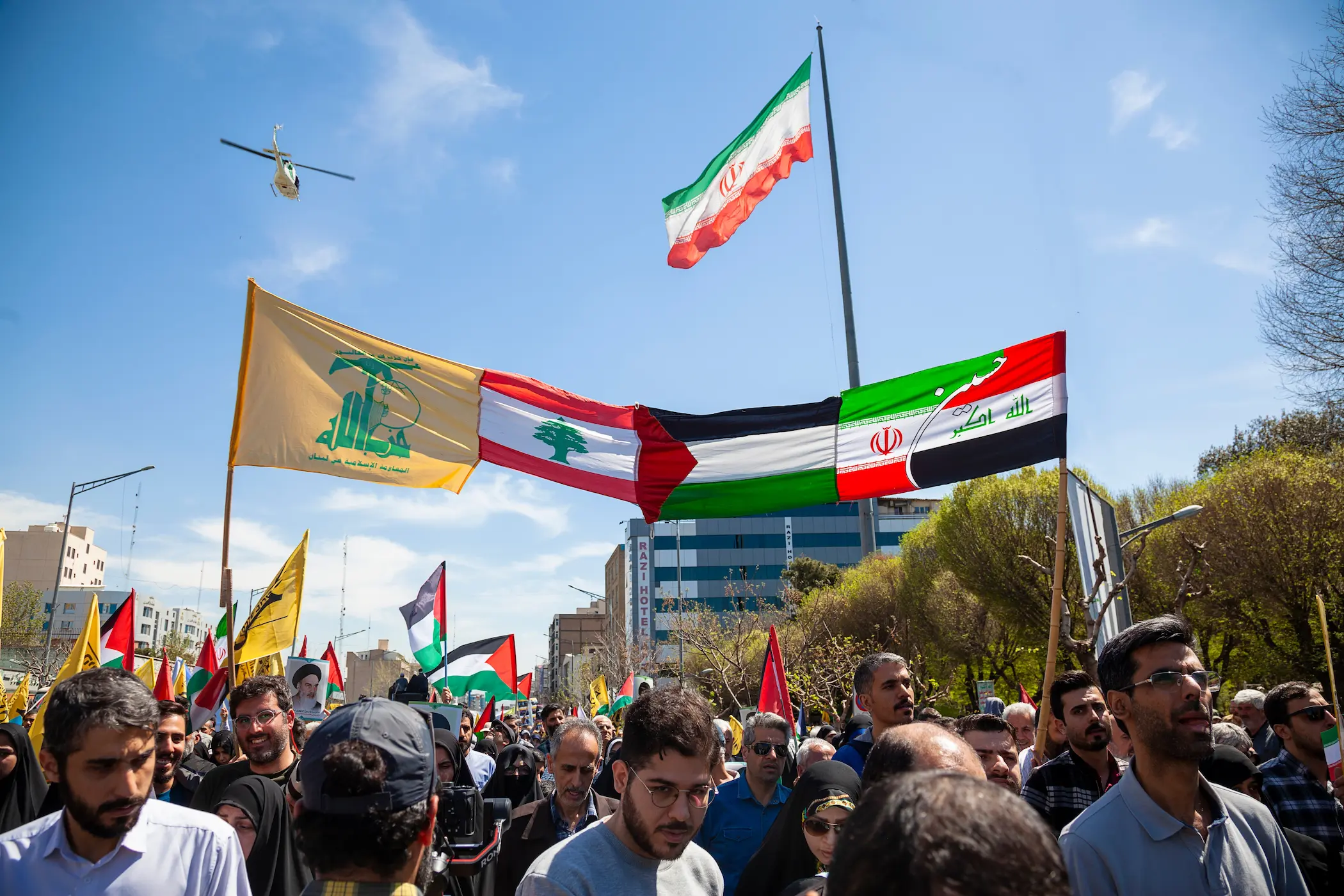
Larijani’s Visit: Building Alliances or Rescuing Allies?
Iran’s militias in Iraq and Lebanon are currently grappling with multi-dimensional crises, including the erosion of their political influence, mounting military pressures, and the need to recalibrate their strategies amid shifting regional alliances in a volatile regional and international environment. These challenges are undermining their ability to sustain the role they once played within Iran’s “Axis of Resistance.” This situation coincides with the visit of the Secretary of Iran’s Supreme National Security Council, Ali Larijani, at a particularly critical and sensitive moment. The visit represents either an opportunity to forge new alliances or an attempt to rescue embattled allies in Iraq and Lebanon.

Programmes
11 Aug 2025
Middle East in Energy Transition: From Stopgap to Global Architect
On July 28, 2025, during a joint press conference in Scotland with British Prime Minister Keir Starmer, U.S. President Donald Trump issued an unexpected ultimatum to Russia. He declared that the Kremlin had no more than 10 to 12 days (until approximately Aug. 8, 2025) to make tangible progress toward ending the war in Ukraine. Should Moscow fail to comply, Trump warned that President Vladimir Putin would face a sweeping package of economic sanctions and severe trade restrictions. This escalation came on the heels of prolonged diplomatic stagnation and Trump’s increasingly vocal frustration with Russia’s continued military operations.
Subsequently, on July 31, 2025, former Russian President and current Deputy Chairman of the Russian Security Council Dmitry Medvedev responded with a pointed and ominous message via his Telegram channel. In his remarks, he invoked the “Dead Hand”—Russia’s semi-automated nuclear retaliation system designed to launch a retaliatory strike even in the event of a complete decapitation of the nation’s leadership.
In response, President Trump ordered the deployment of two U.S. nuclear submarines to strategic positions, framing the move as a necessary precaution in the face of what he described as “extraordinarily dangerous” nuclear threats. Notably, he refrained from specifying whether the submarines were nuclear-powered only or also nuclear-armed—introducing deliberate strategic ambiguity and reinforcing the doctrine of pre-emptive deterrence through calibrated uncertainty.
What renders this sequence of events particularly significant is that the confrontation did not remain confined to the U.S. and Russia. Its repercussions quickly extended to India, which was thrust into the geopolitical crossfire. On July 31, the Trump administration announced the imposition of a 25% tariff on all Indian exports to the United States, accompanied by threats of further penalties targeting Indian firms that continue to purchase Russian crude oil or engage in defence cooperation with Moscow. The rationale behind this punitive action lies in New Delhi’s deepening energy relationship with Russia.
Although the Indian government has not officially announced any suspension of contracts with Russian suppliers, discreet directives were reportedly issued to state-owned refiners instructing them to explore alternative sources in the global spot market. This pivot has begun to materialize reflecting New Delhi’s attempt to maintain equilibrium between preserving its strategic autonomy and mitigating mounting U.S. pressure.
Yet the broader implications of this crisis extend well beyond geopolitical brinkmanship. What is unfolding is a systemic shock to the global order—one that is reverberating through energy markets, food security systems, arms trade corridors, and supply chains. The consequences will not be distributed evenly: while some Middle Eastern states stand to benefit from surging demand and price shifts, others may face acute vulnerabilities due to trade disruptions, inflationary pressures, or capital flight.
Programmes
5 Aug 2025
Red Alert: Netanyahu Plans Full Invasion of Gaza
Prime Minister Benjamin Netanyahu will convene Israel's Security Cabinet on Aug. 05, 2025 to approve plans for a full military takeover of the Gaza Strip, marking a critical escalation in the conflict with Hamas. The proposal, however, faced strong opposition from within the Israeli military and from hostage families, who raised serious concerns about the humanitarian impact and operational risks. While the Israel Defence Forces (IDF) already controls around 75% of Gaza, Netanyahu pushed to expand military operations to cover the entire territory, including densely populated areas believed to harbour hostages—a plan opposed by IDF Chief of Staff Lt Gen. Eyal Zamir. This decision came after ceasefire and hostage negotiations collapsed, with Netanyahu stressing the objectives of defeating Hamas, securing the release of hostages, and neutralising Gaza as a future threat to Israel.
In a dramatic development, Netanyahu cancelled a planned visit by Lt Gen. Zamir to Washington upon briefing him on the new direction and accelerating strategic shifts. Zamir explicitly rejected the proposed plan, threatening resignation if it were approved. The military’s reservations centred on fears for the hostages’ lives, particularly in areas such as Deir al-Balah that had not been fully “cleansed” of Hamas fighters. Additionally, IDF leadership expressed concerns about the erosion of the army’s combat capabilities, citing manpower shortages after nearly two years of continuous conflict, thereby urging a more cautious containment strategy that would exert pressure on Hamas without engaging in a protracted and expansive occupation.