
Programmes
5 Mar 2026
The Hormuz Inflection: Oil Markets After the Iran Strikes
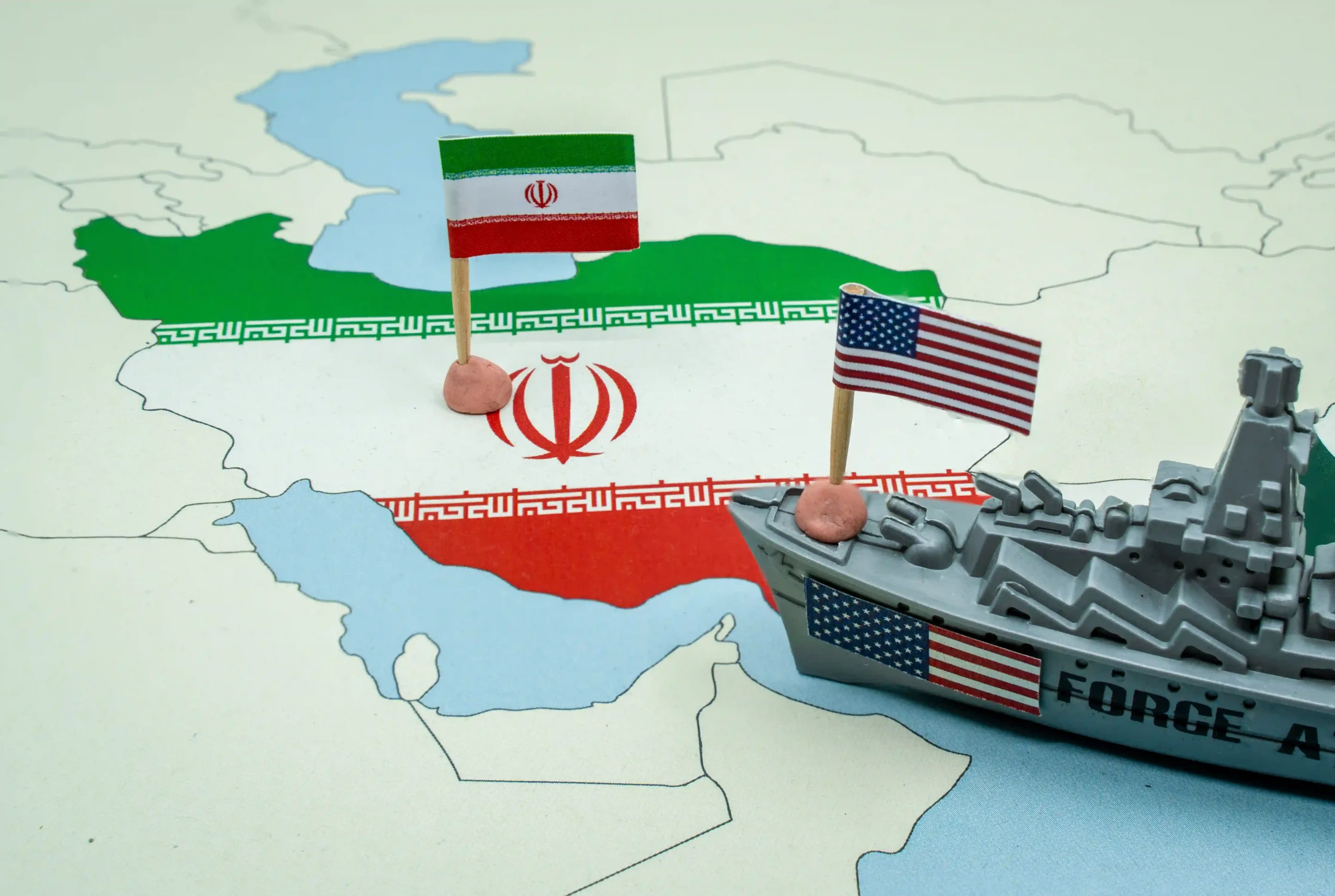
The Feb. 28, 2026 United States–Israeli offensive against Iran represents the most consequential escalation in Gulf security dynamics in over a decade and introduces immediate, medium-term, and long-term risks to global energy stability. The strikes targeting senior leadership and strategic military infrastructure triggered Iranian retaliation across the Gulf region and sharply increased the probability of disruption to maritime energy flows, particularly through the Strait of Hormuz.
While physical supply outages remain limited at the time of writing, markets have responded by repricing geopolitical risk. Crude benchmarks surged on reopening, freight and insurance costs rose materially, and volatility spiked across commodities and currency markets. The core economic question is not whether prices react, they already have, but whether the conflict transitions from a risk-premium shock to a sustained supply disruption.
The Strait of Hormuz remains the central transmission channel. Roughly one-fifth of globally traded oil and more than one-third of seaborne liquefied natural gas pass through this chokepoint. Even temporary interference has outsized macroeconomic implications. Assessing the implications of the crisis requires examining immediate market reactions, potential disruption scenarios, medium-term supply responses, and the longer-term structural consequences for global energy security and macroeconomic stability.
Programmes
5 Mar 2026
The Missile and Drone Dilemma: When Defensive Measures Outstrip the Cost of Attack
The fundamental character of modern aerospace warfare has undergone an irreversible paradigm shift, transitioning abruptly from the deployment of exquisite, highly survivable platforms to the brutal arithmetic of industrial attrition and affordable mass. This operational reality was starkly illuminated in late February 2026, with the commencement of Operation Epic Fury by the United States Armed Forces and the parallel Operation Roaring Lion executed by the Israel Defence Forces.
Following the collapse of nuclear negotiations, the allied coalition launched a massive preemptive military campaign. Deploying an overwhelming concentration of aerospace assets, the coalition struck over one thousand strategic targets deep within Iranian territory during the opening twenty-four hours. United States forces executed over nine hundred individual precision strikes in the first twelve hours alone, utilising stealth bombers, naval fighters, and cruise missiles, escalating to more than one thousand, two hundred, and fifty targeted strikes within forty-eight hours. Simultaneously, the Israeli Air Force conducted over seven hundred sorties on the first day, dropping more than one thousand two hundred munitions to achieve immediate tactical successes and air superiority.
However, the immediate and sustained retaliation by the Islamic Revolutionary Guard Corps, designated Operation True Promise IV, has placed an unprecedented and mathematically gruelling strain on the allied integrated air and missile defence architecture. Within the first forty-eight hours of the conflict, the adversary entente launched roughly four hundred and twenty medium-range ballistic missiles targeting many countries in the region. This barrage was accompanied by massive swarms of loitering munitions.
The staggering depletion rates of multimillion-dollar interceptors and precision strike munitions against high-volume, low-cost adversary threats have exposed a profound mathematical vulnerability in contemporary military logistics. As the global defence industrial base proves incapable of replenishing these exquisite arsenals at the speed of combat consumption, both the allied coalition and the adversary entente are confronting a rapidly approaching logistical exhaustion horizon. To continue the war and secure a decisive strategic victory, it is an absolute strategic imperative for both sides to aggressively substitute these high-end, legacy assets with scalable, cost-asymmetric alternatives, pivoting their operational doctrines toward deployable mass and continuous attritional endurance.

Programmes
3 Mar 2026
Between Maduro and Khamenei: Has Artificial Intelligence Replaced Human Intelligence?
The first quarter of 2026 marked a strategic turning point in the deployment of hard power and the management of geopolitical interaction. For decades, computing technologies remained largely confined to operational support roles, such as processing intelligence data or guiding precision munitions. January and February, however, witnessed a structural shift as military planning moved away from human-dependent decision cycles toward managing autonomous algorithmic kill chains. This transformation was formally articulated in the “Artificial Intelligence Acceleration Strategy” issued by the United States Department of War (DoW) on Jan. 9 2026. The directive aims to entrench American military dominance by rapidly integrating AI across warfighting, intelligence, and enterprise operations, while transforming the defence apparatus into what officials describe as an “AI-first” military structure.
This doctrine rested on strict operational parameters prioritising overwhelming lethality, rapid execution, and objective-driven systems that place mission success above all other considerations, deliberately excluding social and political variables from algorithmic decision cycles to ensure decisive superiority in battlefield decision-making. This shift was reflected in two unprecedented operations: the capture of Venezuelan President Nicolás Maduro during Operation Absolute Resolve in January 2026, and the decapitation strike targeting Iran’s Supreme Leader Ayatollah Ali Khamenei during Operation Silent Holy City, conducted within Operation Epic Fury in February 2026.
These operations reflected the integration of large language models, dynamic data architectures, tactical assessment algorithms, and autonomous unmanned systems, fundamentally transforming the speed, precision, and geopolitical cost calculus of neutralising high-value targets. Together, they signal that AI has moved beyond a supporting analytical role to become a strategic architect of the battlespace and a driver of kinetic execution.
Programmes
3 Mar 2026
The Difficult Path to Regime Change in Iran
In remarks on 2 March 2026, U.S. President Donald Trump did not rule out the possibility of sending American ground troops into Iran if it became necessary. However, he didn’t acknowledge that such a move would carry serious risks given Iran’s size and military capability. Any U.S. ground invasion would likely involve significant casualties and could fail to achieve its goals. Trump has generally shown reluctance to engage in large-scale ground wars. While he has authorized military actions, including airstrikes, against Iran and other states in recent months, his preference historically has been for limited use of force, such as air power and specialized units, rather than deploying tens of thousands of troops.
Part of this approach stems from his broader view that prolonged, chaotic conflicts are unpredictable and often produce uncertain outcomes. Major ground combat operations can create widespread instability and make strategic consequences hard to forecast. Throughout both his first term and the early part of his second term, Trump has shown no strong inclination to commit large numbers of U.S. ground forces abroad.
Trump and Bibi (also known as Israeli Prime Minister Benjamin Netanyahu) recognize that forcing a full regime change in Tehran would be one of the toughest strategic tasks imaginable. Iran’s political and military structure is robust and not solely driven by personalist rule; it is anchored in a religiously grounded system that has endured since 1979. With the challenges of a successful ground invasion in mind, their current strategy relies on a combination of military pressure and other techniques intended to weaken the regime over time, though there is no guarantee this will bring about its collapse.
Publications
2 Mar 2026
Deterrence Gap: Will the Eastern Shield Secure Tehran’s Airspace in the Next Confrontation?
The military operations that unfolded over twelve days in June 2025 between Iran and Israel marked a sharp breakpoint in the trajectory of regional military balance. The confrontation resulted in a substantial erosion of Tehran’s military infrastructure and inflicted significant material losses. The depth of this operational failure was most evident in the near-total collapse of Iran’s integrated air-defence system, with confirmed intelligence assessments indicating that Israel succeeded in neutralising more than 80 surface-to-air missile batteries and destroying over 120 launch platforms. This effectively stripped Iranian airspace of its protective shield and imposed a state of absolute Israeli air superiority.
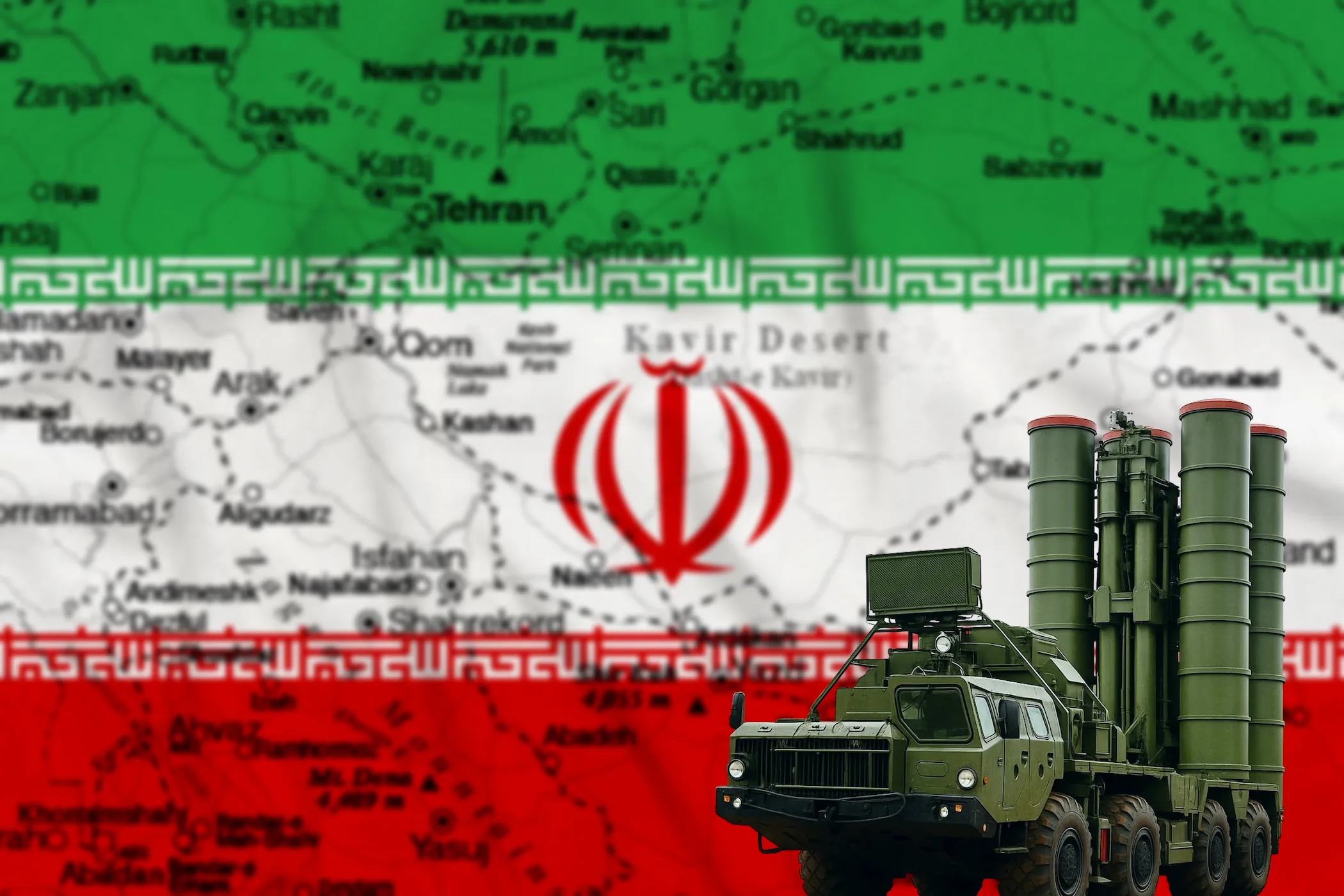
Amid this collapse, Tehran effectively lost its entire arsenal of the Russian-made S-300PMU2 (“S-300 PMU-2”) systems, which it had acquired in 2016 after protracted negotiations and at considerable financial cost. These systems were systematically destroyed between 2024 and 2025. Iran’s domestic air-defence industries, represented by the Bavar-373 and Khordad-15 systems, also demonstrated clear operational inadequacy when tested in a real combat environment.
This exposed a wide technological gap between Israel’s offensive capabilities and Iran’s defensive assets. The Iranian air-defence network failed to record the downing of a single manned Israeli fighter jet, and Iran’s ageing air force, reliant on pre-revolution legacy aircraft such as the F-14 Tomcat, the Phantom, and the Tiger, supplemented by 1990s-era MiG-29s, stood incapable of competing or deterring effectively.
This total inability to contest the battlespace not only underscored tactical failure but delivered a decisive blow to the strategic assumptions underpinning Iran’s defence doctrine for decades, particularly its reliance on “asymmetric missile deterrence” and hybrid layered-defence networks.
Confronted with a reality in which its missile capabilities were neutralised and its aerial shield dismantled, the Iranian leadership was compelled to adopt a “post-war reset” strategy, launching an urgent acquisition campaign aimed at closing the technological gap by turning eastward towards Russia and China to rebuild its lost deterrence.
The fundamental question that will shape the next phase in the Middle East remains: Can this “hybrid deterrence”, comprising domestic missiles alongside imported, only partially integrated weapon systems, endure against an adversary that has already demonstrated both the willingness and the capability to deliver devastating strikes deep inside Iran?
Programmes
25 Feb 2026
Bazaar Diplomacy: Can It Deliver a Negotiated Breakthrough Between Washington and Tehran?
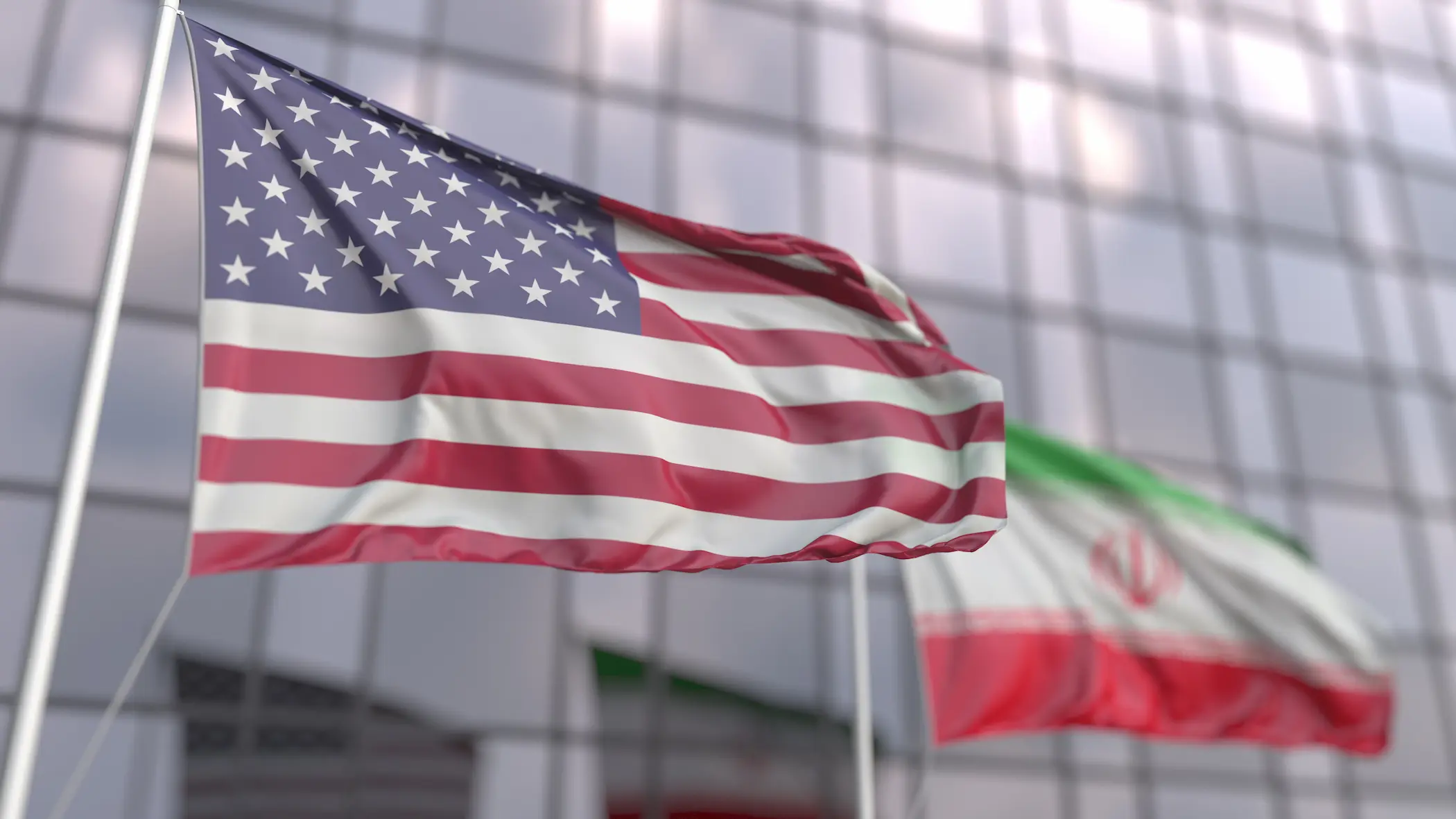
At the outset of 2026, the Middle Eastern geopolitical landscape is undergoing a profound reconfiguration driven not only by the outcomes of decisive military engagements but also by the complex and protracted diplomatic process that followed the Twelve-Day War of June 2025. In this context, the return of Iranian and American negotiators to the bargaining tables in Muscat and Geneva does not represent a routine resumption of traditional diplomacy. Rather, it constitutes a tangible expression and an evolved application of a deeply rooted strategic doctrine within the Iranian political mindset, commonly referred to in strategic literature as Bazaar Diplomacy. This approach extends far beyond the superficial notion of commercial bargaining and functions as a doctrine of statecraft, carefully engineered to navigate power asymmetries and confront adversaries endowed with overwhelming military and economic superiority.
At its core, Bazaar diplomacy represents a structural departure from the linear Western models of conflict resolution, which are typically constrained by fixed timelines, electoral cycles, and an urgent drive to reach a comprehensive, final agreement that brings crises to a formal close. For the Iranian negotiator, by contrast, time is neither a neutral container nor an external constraint; it is the primary strategic commodity and the central objective of the process itself. This philosophy is grounded in the notion that sustained, circular engagement in protracted talks is not merely a means to an end but a tactical end in its own right. Such engagement provides essential political cover to absorb peak external pressure, restrains an adversary’s momentum toward military action, and creates critical temporal space to repair internal fractures.
In the current context of 2026, this strategy has assumed existential dimensions that extend beyond routine political manoeuvring. Following the extensive damage inflicted on Iran’s nuclear and defensive infrastructure by U.S. and Israeli strikes in the previous year, and amid an economic collapse that has eroded the national currency and fuelled widespread protests, negotiations are no longer a matter of political discretion but a structural imperative for regime survival. Accordingly, Bazaar diplomacy functions as a refined mechanism of endurance. It deploys constructive ambiguity and offers technically reversible concessions, such as the temporary suspension of enrichment, in exchange for strategic and structural gains that are far more difficult to reverse, including sanctions relief and the entrenchment of economic interdependencies. The central question, therefore, is whether Bazaar diplomacy can ultimately deliver an agreement between Washington and Tehran.

Programmes
11 Feb 2026
The GCC and the Future of the Rare Earths and Critical Minerals Race
China is a dominant player in the rare earths and critical minerals industry. As of 2025, China is in control of “…about 61% of rare earth production and 92% of their processing”, meaning China monopolized the rare earths and critical minerals industry. While China dominates this industry, countries have been aiming to bolster their own rare earth and critical mineral ambitions to reduce their reliance on China as a supplier of raw materials and processed products. For example, GCC countries, in line with their 2030 visions, have increased their investments in the mining and processing of these elements to diversify their economies and become suppliers in an industry dominated by China. This analysis aims to assess the emergence of the GCC as a rare earths and critical minerals supplier, which will be done by analyzing the reasons and feasibility for GCC involvement in this industry as well as understanding the challenges these countries face in their entry into the market.
Programmes
10 Feb 2026
How the West Bank is the International Order’s Ultimate Test
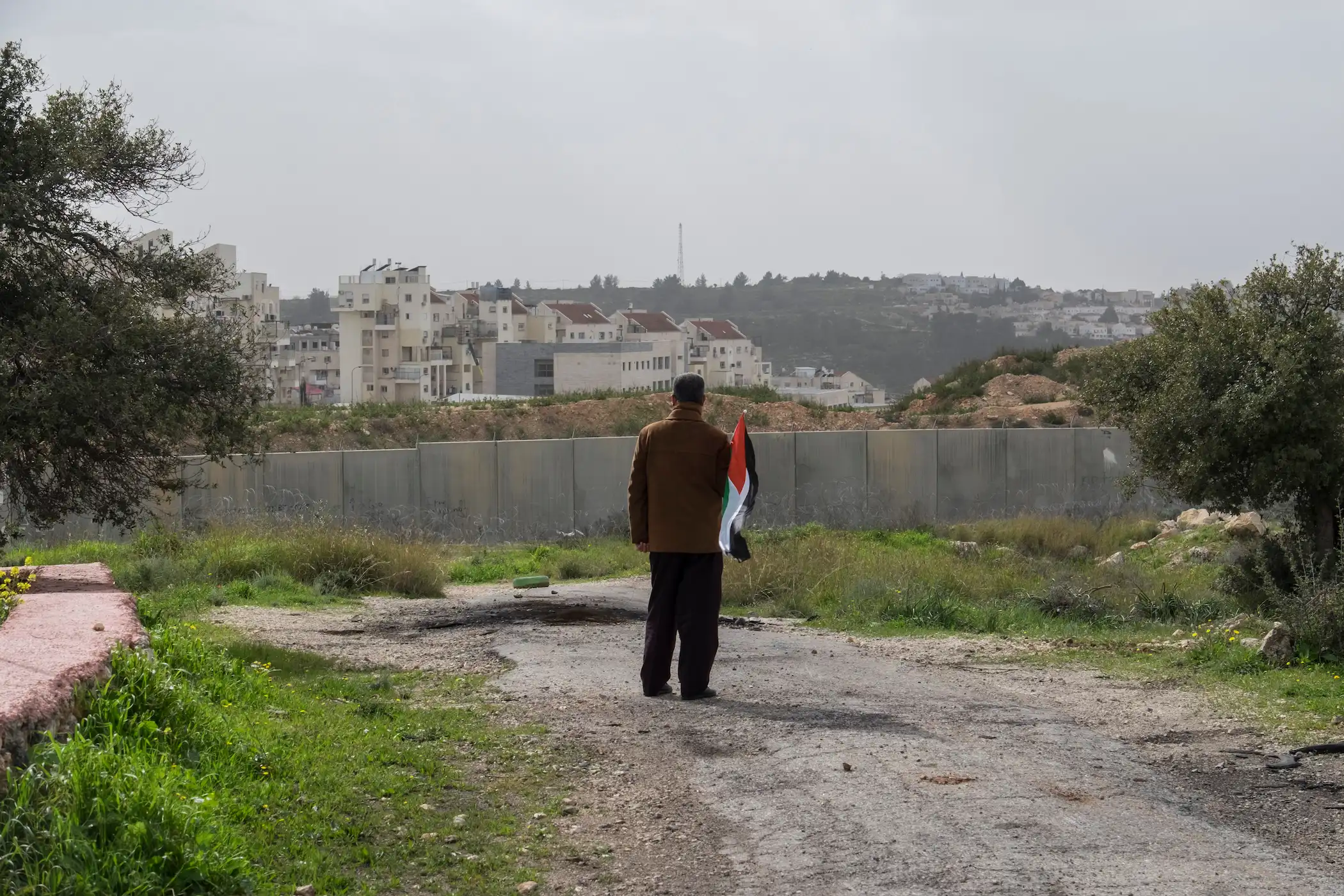
The question of the West Bank has transcended its status as a mere component of the Palestinian–Israeli conflict to become a substantive test of the coherence of international law and the deterrence foundations upon which the post–Second World War international order was built.
On 9 February 2026, the Israeli Security Cabinet endorsed a package of extraordinary measures designed to consolidate Israeli control over the West Bank. The measures included rescinding the longstanding prohibition on the sale of land to Jews through the repeal of the Jordanian statute that barred the transfer of Palestinian property to Jewish purchasers; lifting the confidentiality of land registry records; transferring planning and construction powers in parts of Hebron from the Palestinian municipality to the Israeli Civil Administration; and broadening oversight and demolition authorities to extend into Areas A and B, which fall under Palestinian Authority jurisdiction in accordance with the Oslo Accords.
These decisions are likely to generate profound structural transformations in property registration and transfer regimes by permitting the public disclosure of landowners’ identities. Such disclosure opens the way for direct negotiations between Israeli purchasers and Palestinian proprietors, thereby facilitating a faster pace of acquisition and further entrenching settlement expansion throughout the West Bank.
In this context, the Israeli Settlement Council (Yesha) characterised the measures as “the most consequential in fifty-eight years,” portraying them as an effective governmental declaration of the restoration of the Land of Israel to its people. These moves do not represent an isolated incident; rather, they constitute one stage in an intensifying trajectory that, over the past two years, has fundamentally reshaped the conflict's underlying parameters, generating a transformed reality that necessitates analytical frameworks beyond traditional paradigms.
Programmes
12 Jan 2026
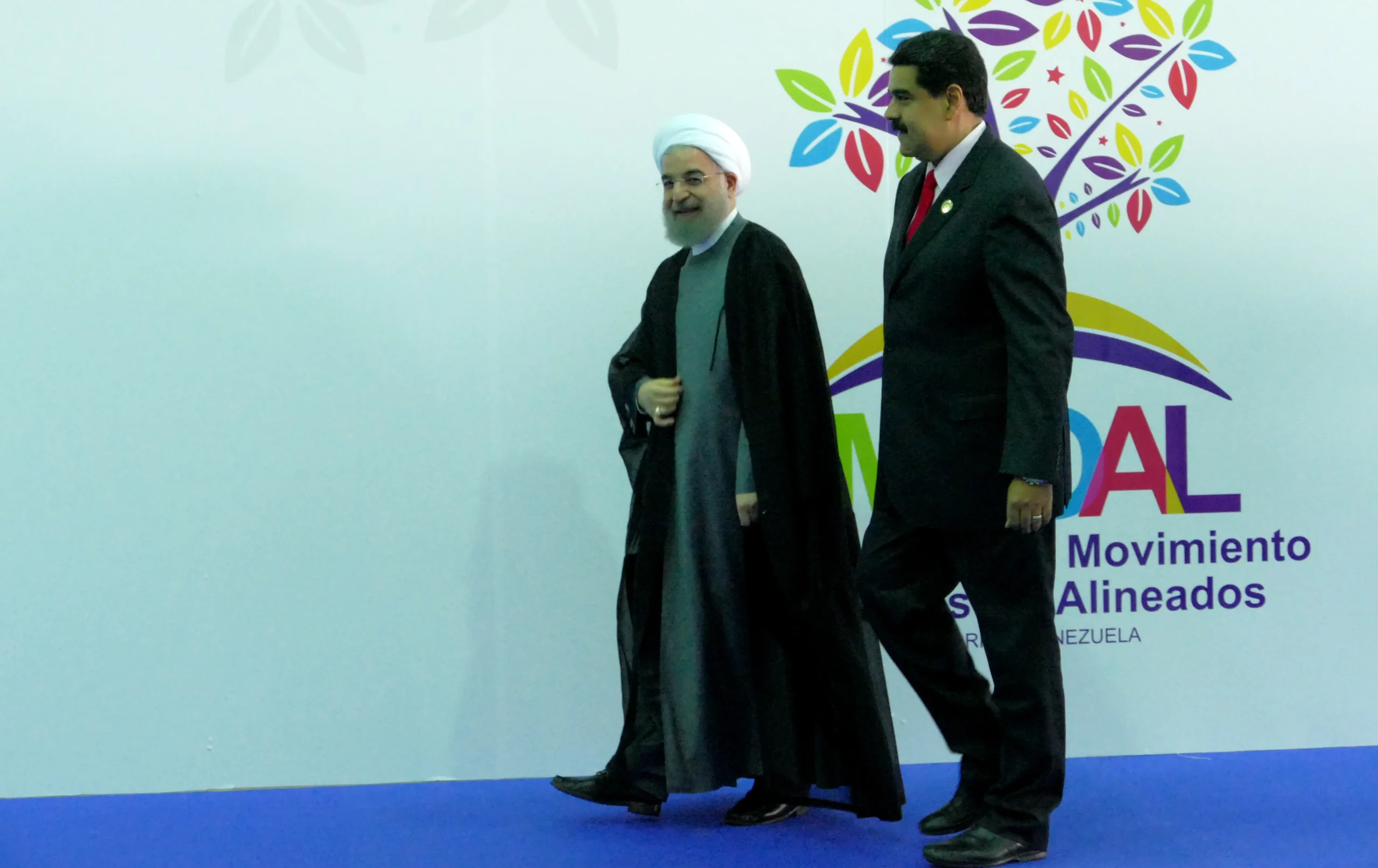
The Collapse of the Western Flank: The Implications of Maduro’s Fall for Iran
Operation Absolute Resolve, which resulted in the removal of Nicolás Maduro and his spouse Cilia Flores on Jan. 3, 2026, constituted a watershed moment in the history of 21st-century geopolitical warfare. While initial indicators point to a seemingly limited regime change within Venezuela, the strategic repercussions of the operation inflicted severe damage on Iran’s forward-operating capabilities. For nearly two decades, Venezuela was not merely a diplomatic partner of Tehran; it served as an indispensable logistical bridgehead and a secure sanctuary in the Western Hemisphere. Through this platform, the Iranian regime was able to circumvent international sanctions, project asymmetric influence, and sustain a critical financial lifeline through illicit trade.

Programmes
2 Jan 2026
Gulf Sovereign Wealth Funds and the Video Game Economy
The structural foundations of the global video game economy are undergoing a profound transformation that extends well beyond the traditional triad of dominance in North America, Japan, and China. Strategic gravity is increasingly shifting toward the Gulf region, propelled by unprecedented capital inflows led by sovereign wealth funds across the Gulf Cooperation Council (GCC). This momentum marks a pivotal inflexion point in the investment doctrine of these institutions, most notably Saudi Arabia’s Public Investment Fund (PIF), alongside Abu Dhabi’s Mubadala and ADQ, and the Qatar Investment Authority (QIA). Collectively, they have moved beyond passive portfolio management focused on the accumulation of safe-haven assets such as US Treasury securities and real estate, toward active, operational ownership in high-growth technology sectors.
Within this context, the gaming industry, currently valued at over $200 billion and projected to surpass $300 billion by 2028, has emerged as a central pillar of this strategic shift. Its distinctive convergence with media ecosystems and artificial intelligence positions it as an ideal vehicle for advancing the economic diversification objectives embedded in national development visions.
Gulf engagement in this domain extends well beyond purely financial considerations into the realm of geopolitics. Through the acquisition of intellectual property, distribution networks, and digital infrastructure, these states are seeking to establish a form of “digital sovereignty” as an alternative to the historical dominance of hydrocarbons within their economic models. This objective is being pursued through differentiated strategies, ranging from Saudi Arabia’s vertically integrated approach to the United Arab Emirates’ ecosystem-building model and Qatar’s strategy of strategic linkage and connectivity.
Accordingly, understanding this investment domain requires situating it within the context of broader macroeconomic transformations. Successive price shocks in global oil markets, most notably in 2014 and during the 2020 pandemic and its aftermath, have exposed the limitations of the traditional petrodollar-based model in ensuring long-term wealth sustainability. By contrast, the gaming sector offers a structural response to pressing demographic challenges: it generates a jobs multiplier that exceeds that of many other sectors and absorbs the “youth bulge” that constitutes the overwhelming majority of the population, transforming it from a consumer base of foreign content into a national productive base that consolidates the principles of a new economic nationalism

Programmes
28 Dec 2025
The Politicisation of Mossad: The Future of Israel’s Intelligence
On Dec. 4 2025, Netanyahu decided to appoint his Military Secretary, Major General Roman Gofman, as the Director of the Mossad. Gofman will replace the current Mossad head, David Barnea, whose five-year term ends in June 2026. This decision signals a key leadership change in the country’s most important intelligence agency, particularly given Gofman’s lack of intelligence experience and aggressive decision-making approach. Moreover, this movement indicates Netanyahu’s broader pattern of politicising the appointments of high-ranking officials in security agencies, where loyalty to him appears to be a decisive factor. Accordingly, the politicisation of Mossad raises serious questions about the future of Israel's intelligence.

Programmes
23 Dec 2025
Class, Declinism, and Emotional Turmoil: The Great British Migration to Dubai
Since Brexit, the United Kingdom (UK) has been experiencing a governance issue, as the Conservative Party suffered from instability due to numerous leadership changes, while the recently elected Labour Party lacks the ambition and confidence needed to effectively govern. Combined with the shocks stemming from Brexit, COVID-19, and the Russia-Ukraine War, the UK has experienced economic stagnation and the deterioration of public services, which has resulted in British nationals migrating abroad.
One of these locations is the UAE, more specifically, Dubai. There are approximately 240,000 British nationals currently living in Dubai, with more to join as there was a 420% increase in internet searches in the UK centered on moving to Dubai. Those are staggering statistics, and the number is only going to grow as more British nationals across the socio-economic spectrum continue to migrate to Dubai. However, the reasons explaining British migration to Dubai are not as simple as lower taxes, security, and great weather. One can argue the rise of British migration to Dubai can be attributed to a desire to break from a ridged class system, declinism, and emotional turmoil brought on by the cost-of-living crisis.