

Programmes
25 Jun 2026
Tel Aviv Stock Exchange: Why did it rise during the war and fall with the truce?
The Tel Aviv Stock Exchange (TASE) offers one of the most instructive case studies in contemporary political economy. In under three years, it transformed from a compressed, domestically isolated venue into a high-beta financial instrument that prices Middle Eastern geopolitical risk in real time. The period from October 2023 to June 2026 encompassed the gravest security shock in Israel's modern history; yet its benchmark indices delivered record returns, making it the world's fastest-rising equity market in 2024 and 2025, before pivoting abruptly into a sharp correction by mid-2026. This paradoxical trajectory poses a fundamental question: how does capital — foreign and domestic alike — respond when gun barrels intersect with trading screens, and why did the signals emanating from the sovereign bond market diverge so starkly from those of the equity market at the very same moment? This analysis traces the precise correlation between military and diplomatic events on the one hand, and capital flows and the sovereign risk premium on the other, exposing a new financial logic that now governs the pricing of existential risk.
Accordingly, this analysis sets out to disentangle three interlocking layers: first, the mechanics of the initial shock and the manner in which the state intervened to contain capital flight; second, the paradox of the war economy, in which sovereign downgrades coincided with an unprecedented equity rally; and third, the 2026 reversal that repriced geopolitical risk in the wake of diplomatic realignment — culminating in a forward-looking assessment of the market's probable trajectories through 2028.
Programmes
16 Oct 2025
Algorithms of Genocide: From Silicon Valley to the Gaza Strip
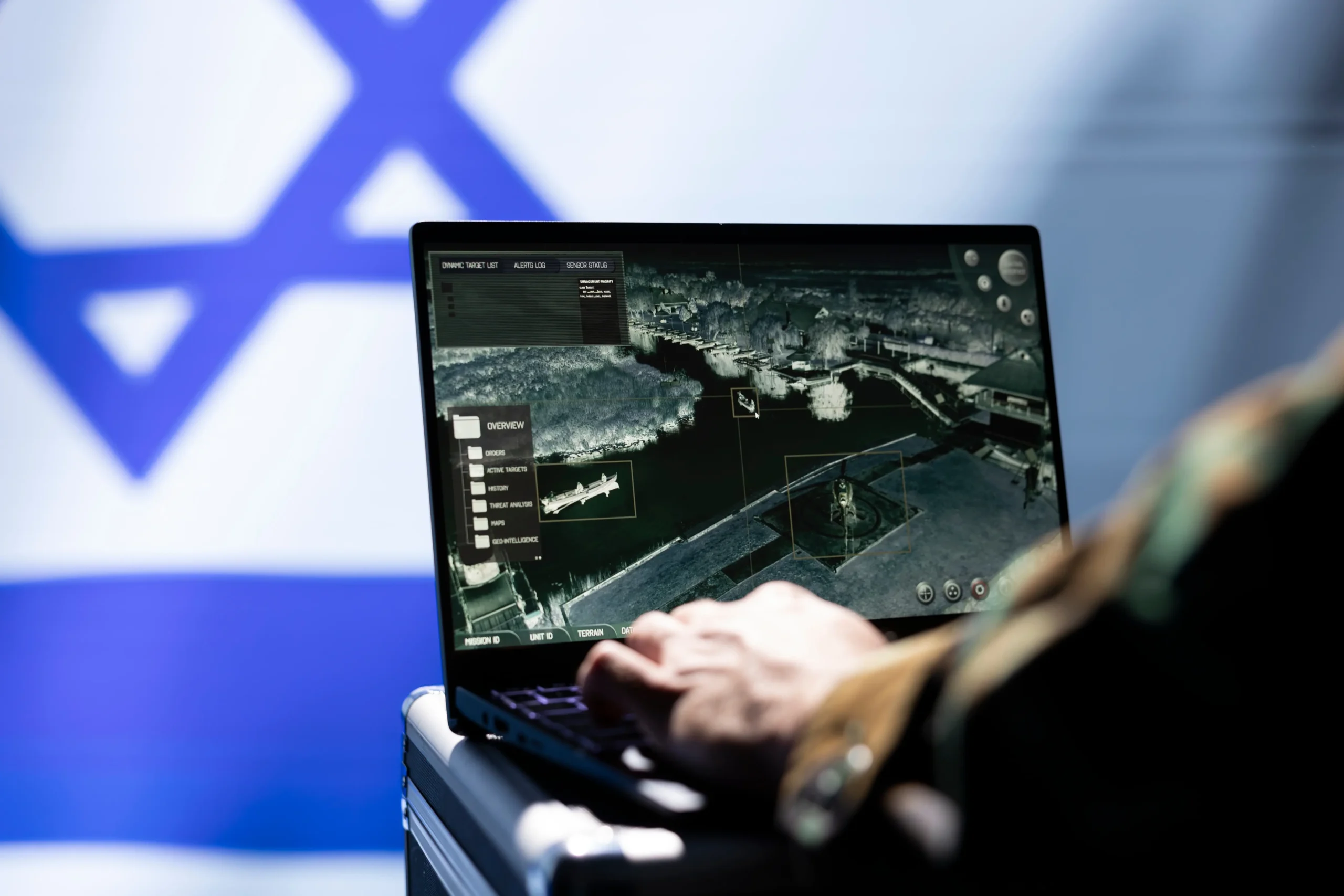
The tools of twenty-first-century warfare are no longer confined to conventional weapons such as missiles, tanks, and aircraft. They have expanded to encompass cloud-computing platforms, artificial-intelligence systems, and data-processing capabilities developed and managed by major U.S.-based technology corporations, including Microsoft, Google, and Amazon. These companies have become central pillars in the conduct of modern digital warfare, with their decisions and policies exerting profound geopolitical influence and forming an integral component of contemporary global power dynamics.
In this context, the relationship between commercial technology corporations and the Israeli military has undergone a profound transformation, moving beyond the traditional model of supplying hardware and software to establish digital infrastructure as a central instrument in the management of modern conflict, most notably during the war on Gaza. A new paradigm of integration between the military and the private sector has emerged, in which commercial digital systems have become an inseparable component of military capability, blurring the boundaries between market-driven services and state security architectures.
The management of the global narrative surrounding humanitarian catastrophes, including the confirmed famine and persistent reports of atrocities, has become inseparable from the content-governance policies imposed by major digital platforms controlled by technology conglomerates. These platforms frequently amplify official narratives while minimising or obscuring the magnitude of famine and conflict. At the same time, they enable advanced surveillance mechanisms that restrict or silence independent media operating within conflict zones.
The war in Gaza has underscored the dual and increasingly intricate role of major technology corporations, particularly Google (Alphabet Inc.) and Microsoft Corporation, in both modern warfare and global information control. These entities operate within a mutually reinforcing dynamic, providing specialised cloud-computing and artificial-intelligence infrastructure that enables unprecedented levels of lethal military operations and mass surveillance across Gaza and the occupied territories. Concurrently, they deploy advanced mechanisms of information control, encompassing internal content moderation, algorithmic bias, and data suppression, to recalibrate public narratives and shield corporate power from accountability.
This analysis, therefore, examines the role of technology corporations in shaping the dynamics and repercussions of the conflict in Gaza, exploring how they contribute to the engineering of the informational, political, and humanitarian landscape within the framework of contemporary warfare. In this process, these corporations are transformed from ostensibly neutral service providers into active participants within the conflict’s infrastructural ecosystem.
Programmes
18 Sep 2025
An Isolated Israel
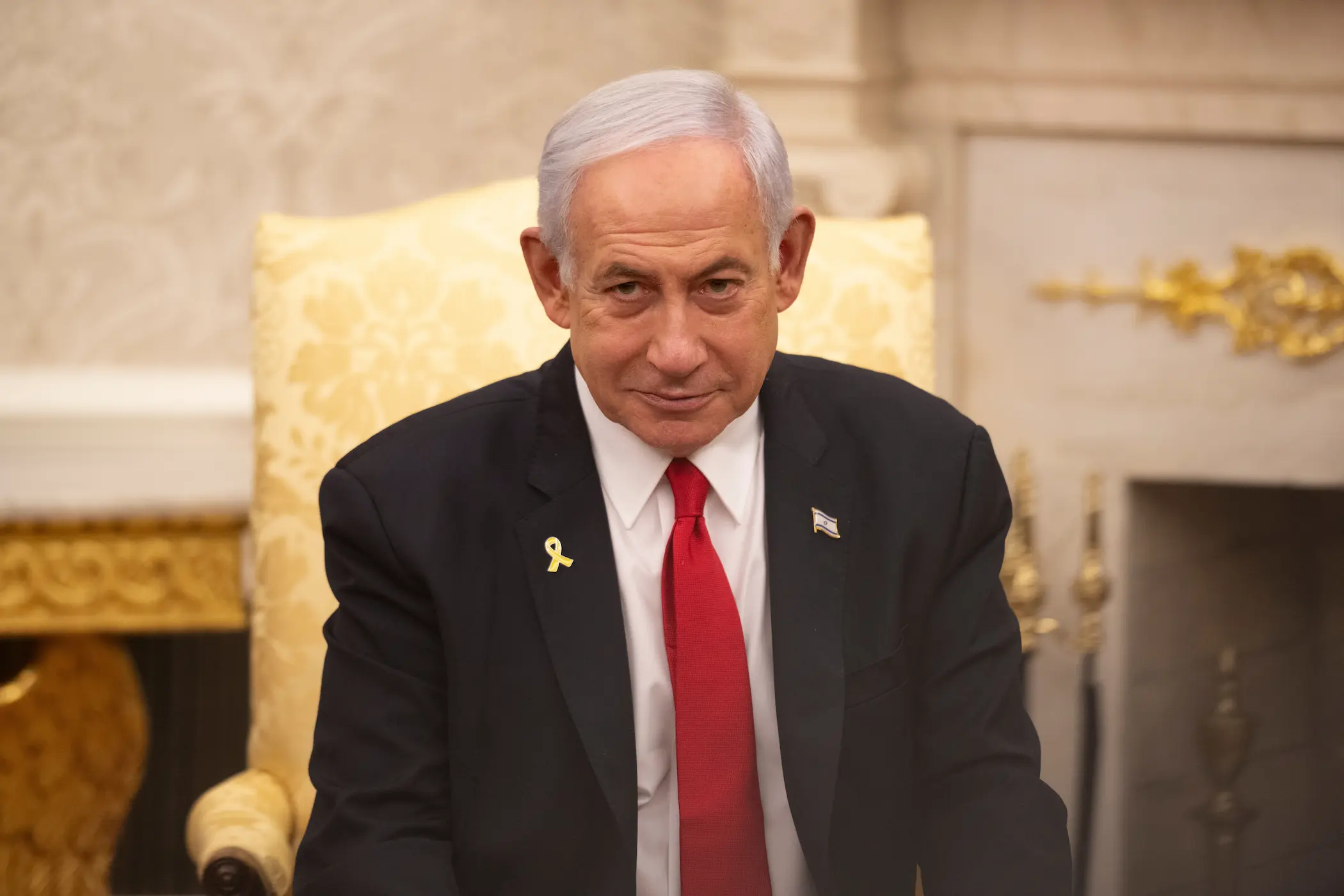
Israeli Prime Minister Benjamin Netanyahu recently acknowledged that Israel is entering a phase of economic and political isolation internationally, largely due to its ongoing military actions in Gaza. He warned that this isolation may last for years and insisted that Israel must adapt by becoming more self-sufficient, especially in its weapons manufacturing capabilities. Netanyahu described this shift as moving toward an economy with "autarkic characteristics," a term he said he despises since he has long supported free-market policies. Nonetheless, given potential export bans and economic sanctions, he emphasized Israel's need to be both "Athens and super-Sparta," implying a combination of intellectual and military self-reliance to withstand these challenges.
His comments are a rare admission that Israel faces significant global backlash and diplomatic estrangement due to the nearly two-year war in Gaza. Several Western countries, such as Spain, have cancelled arms deals with Israel over the war, with a U.N. Independent International Commission finding that Israel is committing genocide, and a slew of other countries have officially recognized a Palestinian State.
Netanyahu's remarks mark a rare acknowledgment of the changing international environment around Israel. This mounting isolation not only underscores Israel’s diplomatic challenges but also highlights the growing vulnerabilities within its economy, as sanctions, boycotts, and the loss of arms contracts emerge as direct consequences of its genocide in Gaza.
Programmes
10 Sep 2025
Red Alert: Israel Orders Full Evacuation of Gaza City
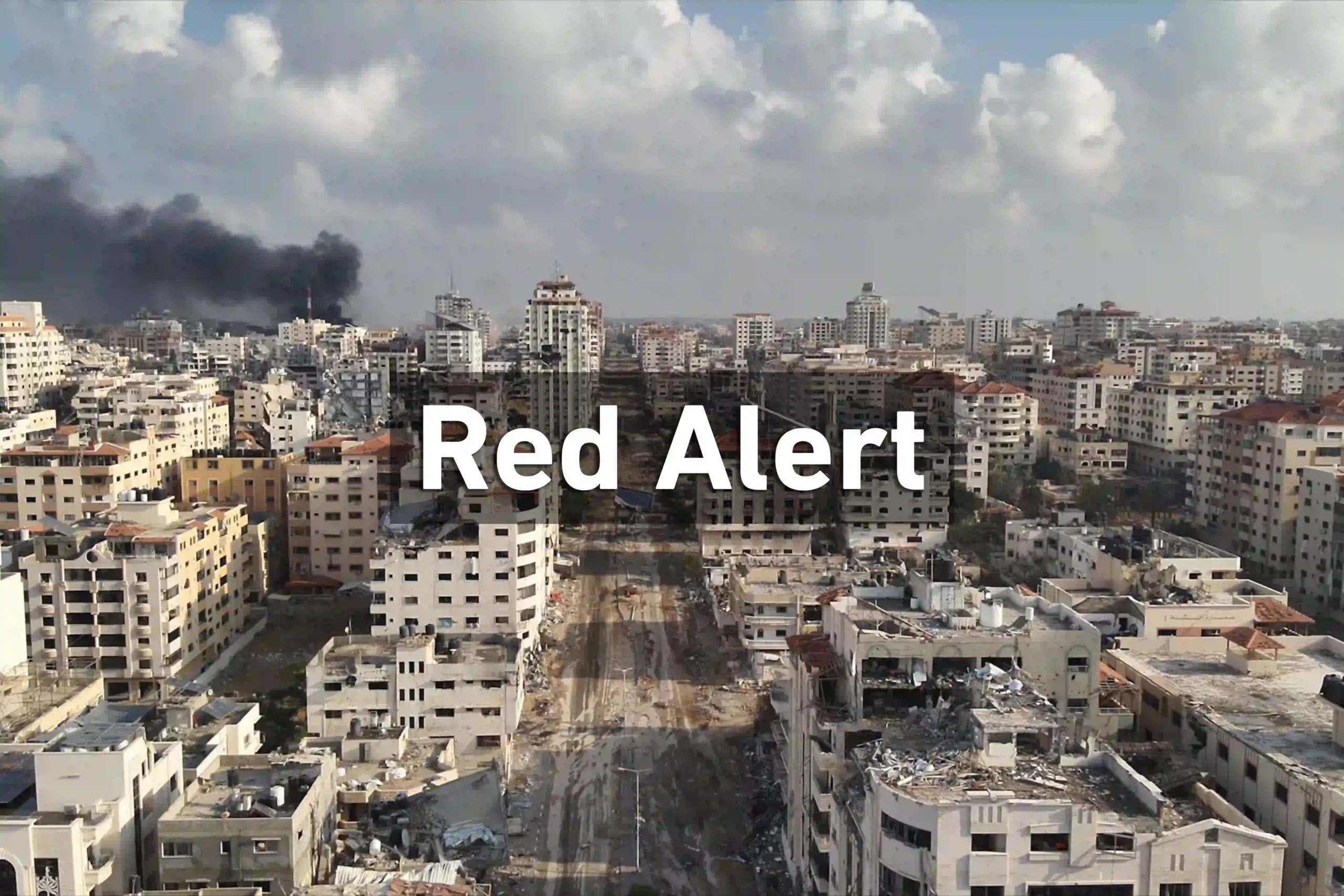
In a further escalation of the nearly two-year war, Israel on Tuesday ordered the full evacuation of Gaza City, home to roughly a million Palestinians, ahead of what Prime Minister Benjamin Netanyahu described as the “beginning” of an intensified ground manoeuvre.
The Israel Defense Forces (IDF) dropped thousands of leaflets instructing residents to flee south toward the overcrowded al-Mawasi “humanitarian zone,” while airstrikes targeted high-rise towers and urban neighbourhoods. The decision marks a turning point in Israel’s campaign, signalling a shift from partial military control of Gaza City to full occupation.
Programmes
5 Aug 2025
Red Alert: Netanyahu Plans Full Invasion of Gaza
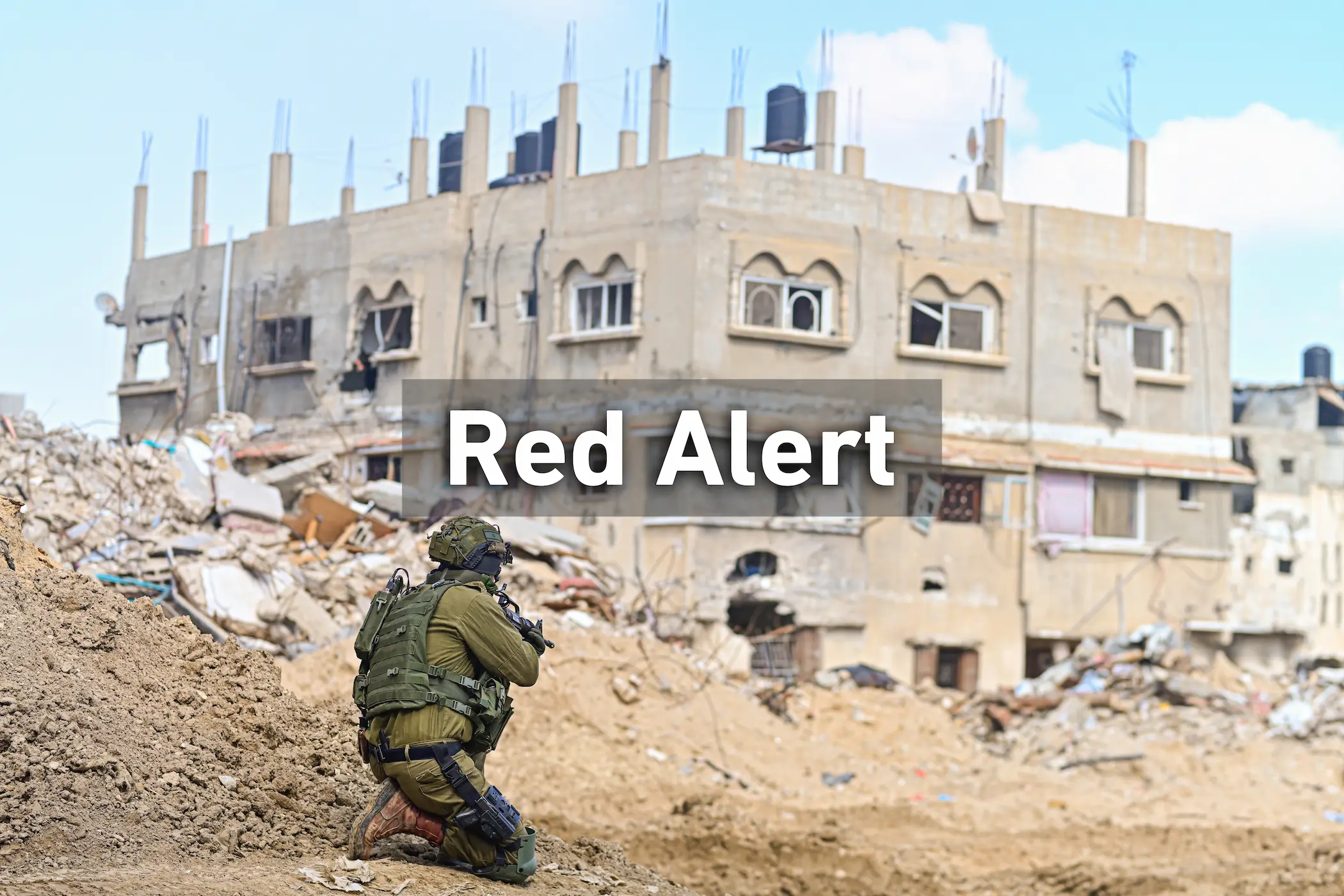
Prime Minister Benjamin Netanyahu will convene Israel's Security Cabinet on Aug. 05, 2025 to approve plans for a full military takeover of the Gaza Strip, marking a critical escalation in the conflict with Hamas. The proposal, however, faced strong opposition from within the Israeli military and from hostage families, who raised serious concerns about the humanitarian impact and operational risks. While the Israel Defence Forces (IDF) already controls around 75% of Gaza, Netanyahu pushed to expand military operations to cover the entire territory, including densely populated areas believed to harbour hostages—a plan opposed by IDF Chief of Staff Lt Gen. Eyal Zamir. This decision came after ceasefire and hostage negotiations collapsed, with Netanyahu stressing the objectives of defeating Hamas, securing the release of hostages, and neutralising Gaza as a future threat to Israel.
In a dramatic development, Netanyahu cancelled a planned visit by Lt Gen. Zamir to Washington upon briefing him on the new direction and accelerating strategic shifts. Zamir explicitly rejected the proposed plan, threatening resignation if it were approved. The military’s reservations centred on fears for the hostages’ lives, particularly in areas such as Deir al-Balah that had not been fully “cleansed” of Hamas fighters. Additionally, IDF leadership expressed concerns about the erosion of the army’s combat capabilities, citing manpower shortages after nearly two years of continuous conflict, thereby urging a more cautious containment strategy that would exert pressure on Hamas without engaging in a protracted and expansive occupation.
Programmes
25 May 2025
A Turning Point in Gaza: Allies’ Ultimatum May Shift the Calculus
The recent joint statement by the United Kingdom, France, and Canada, threatening "concrete actions" against Israel if it does not cease its renewed military operations in Gaza and significantly increase humanitarian aid, marks a significant shift in the international discourse surrounding the ongoing conflict.

Programmes
4 Mar 2025
A Troubled Chain of Command: Politics and the IDF
The appointment of Major General Eyal Zamir to the helm of the Israeli Army, will take office on March 6, transcends a routine leadership transition. It portends a potential strategic recalibration in Israeli military thinking, responding to evolving threats and perceived doctrinal vulnerabilities. Lauded across Israel's political spectrum as the right leader for these turbulent times, Zamir inherits a complex and precarious landscape. He is tasked with revitalizing an army perceived as "faltering," navigating a potentially obstructive political environment, and addressing a volatile region simmering with unresolved conflicts. Adding to the weight on his shoulders is the historical baggage he carries in the eyes of Palestinians, for whom his name evokes memories of harsh measures during past uprisings and operations. This analysis delves into the implications of Zamir's appointment, the delicate dance between political leadership and military autonomy in Israel, the anticipated doctrinal shifts under his command, and the spectre of looming confrontations on multiple fronts.

Programmes
25 Feb 2025
Emergency Arab Summit: The End of Gaza’s Suffering?
The upcoming emergency Arab summit in Cairo on March 4, 2025, occurs amid widespread regional and global condemnation of U.S. President Donald Trump's proposal to "take over" the Gaza Strip, transform it into what he claims will be the "Riviera of the Middle East," and resettle Palestinians elsewhere. This plan, though predictably outlandish, catalyses a gathering fraught with both peril and potential as it introduced uncertainty into the delicate ceasefire negotiations between Israel and Hamas. There are growing concerns that it may derail discussions for the second phase of the truce, which seeks to end the 15-month-long war.
Cairo finds itself not merely hosting a summit, but rather presiding over a critical juncture, one that will test the very foundations of Arab solidarity and expose the vulnerabilities inherent in a region perpetually teetering on the brink. This summit is not simply about addressing the Palestinian issue; it is about confronting a blatant disregard for Palestinian rights and a cynical manoeuvre that threatens to unravel any semblance of regional stability.
The summit’s raison d'être is clear to construct a unified Arab front against this displacement agenda and, more broadly, to reaffirm a collective commitment to the Palestinian cause. However, the very notion of “Arab unity” is itself a historically fraught concept, often more aspirational than actual. Past summits have showcased deep divisions and diverging national interests, rendering collective action elusive. Cairo must navigate these fault lines, leveraging the palpable outrage over the displacement proposal to forge a genuine consensus. The challenge lies not only in articulating a unified stance but in ensuring its practical implementation, translating rhetorical solidarity into concrete actions. This summit will serve as a litmus test for the Arab League’s relevance and capacity to act as a cohesive force in the face of external pressures and internal fissures. The spectre of past failures looms large, demanding a demonstrable shift from pronouncements to tangible outcomes.

Publications
20 Feb 2025
The Al Habtoor Research Centre Gaza Reconstruction Plan
The Gaza Strip, tragically marked by recurring cycles of conflict and destruction, faces a complex and deeply entrenched crisis that extends far beyond the visible damage to its buildings and infrastructure. The repeated devastation has crippled its economy, fractured its social fabric, and left its population in a state of perpetual vulnerability, demanding a comprehensive and transformative approach to recovery. Traditional reconstruction efforts, while necessary, have often fallen short by primarily focusing on the immediate task of rebuilding damaged structures. These efforts, though well-intentioned, have frequently failed to address the fundamental underlying economic and governance challenges that perpetuate instability and hinder long-term progress. This report, therefore, proposes a fundamentally different approach: a three-pillar framework that integrates immediate humanitarian relief with long-term strategies for economic sustainability and the establishment of durable peace. This holistic approach recognizes that true recovery requires not only rebuilding physical infrastructure but also fostering economic opportunity, strengthening governance, and promoting social cohesion, ultimately breaking the cycle of conflict and paving the way for a more stable and prosperous future for the people of Gaza. This three-pillar approach addresses the problem from a broader perspective.
Programmes
18 Feb 2025
The New Frontier: West Bank is the New Gaza
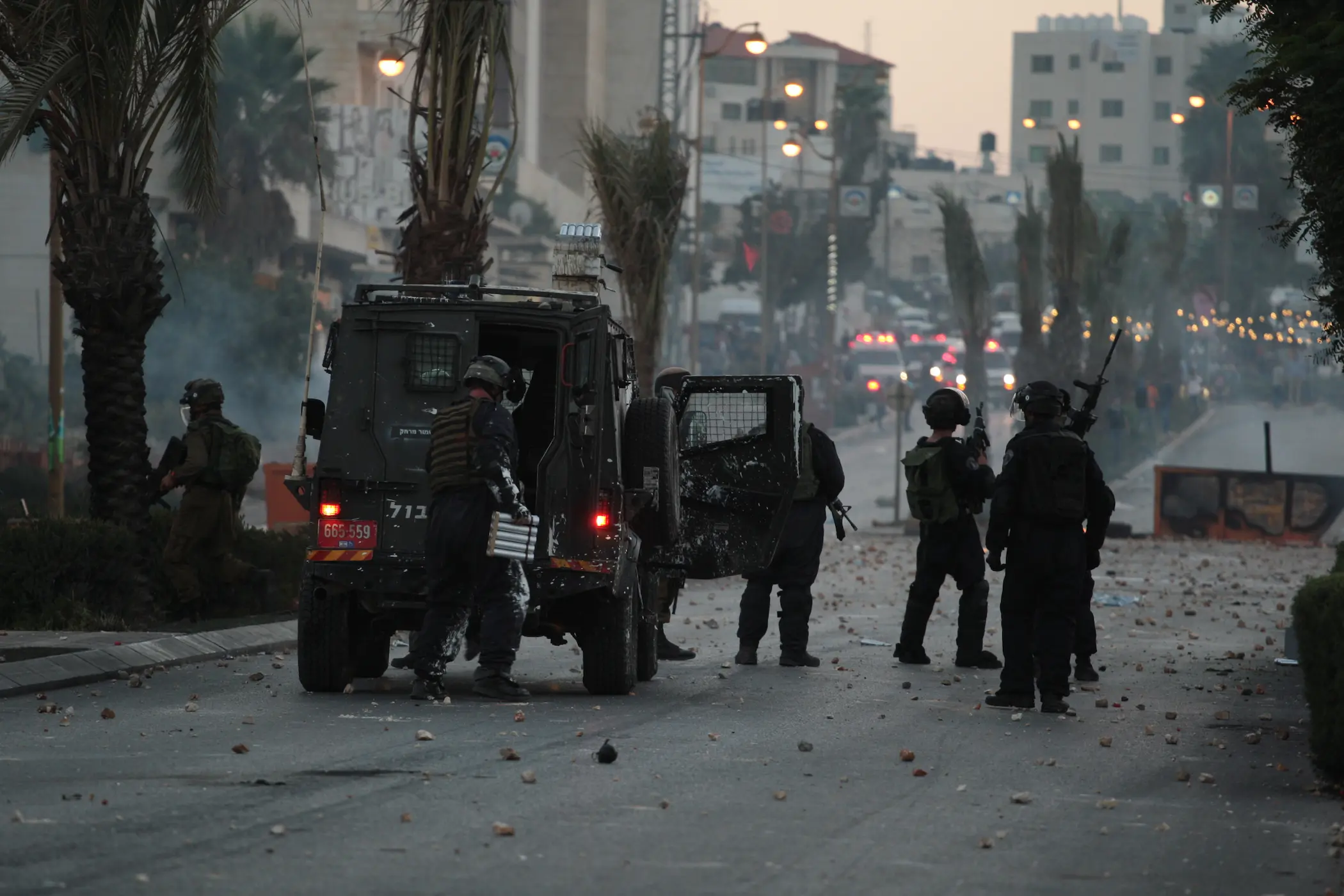
In recent months, the West Bank has witnessed rising violence. The timing in which the West Bank is witnessing escalation is not a coincidence, it is connected to the ceasefire in Gaza. While right-wing elements refuse the ceasefire deal, it is generally argued that Israeli Prime Minister Benjamin Netanyahu has to appease those elements in his coalition. Netanyahu who is believed to have been pressured to accept the deal, does not find any alternative to satisfy right wingers in his coalition other than shifting the war to the West Bank. While this understanding is not entirely false, it is suggested that recent events in the West Bank are part of Israel’s expansionist plan aiming at imposing Israeli sovereignty on the territory. Using legal and political manoeuvres, Israel aims to turn the West Bank into another Gaza which results in broader regional implications.

Publications
6 Feb 2025
Will Israel Suceed in Dissolving UNRWA During Trump’s Second Term?
In a significant escalatory move, Israel’s Ambassador to the United Nations, Danny Danon, has notified the UN Secretary-General in writing that UNRWA must cease its operations and vacate its premises by January 30, 2025. This ultimatum follows Israel’s enactment of a law last October banning the agency’s activities within its territory, including occupied East Jerusalem. The decision is rooted in Israel’s allegations that UNRWA has been infiltrated by Hamas, with claims that some of its employees were involved in the Oct. 7, 2023, attacks.
This paper examines the evolving and contentious relationship between Israel and UNRWA. It also explores potential U.S. intentions to dismantle the agency, particularly in light of Donald Trump’s return to power and his recent remarks regarding the displacement of Gaza’s population and the repercussions of this ban.

Programmes
10 Oct 2024
Wars and Refugees: To Israel and Beyond
The Israeli military has reportedly launched a recruitment campaign offering asylum seekers residency in exchange for their service in the Israeli Defence Forces (IDF). The Israeli government already struggling with a shortage in manpower needed for its war on multiple fronts including in Gaza and Lebanon. While this policy is not totally pioneered by Israelis, it faces serious legal and humanitarian repercussions. Additionally, it adds a layer of uncertainty to the fate of refugees and asylum seekers in Europe who might face the same fate as asylum seekers in Israel given the ongoing Russia-Ukraine War and problems with conscription.